REVIEW · NEW YORK
1.5 Hour Immersive Farm Experience in Adirondacks
Book on Viator →Operated by The Cook Farm · Bookable on Viator
Adirondack farming, up close and personal. This 90-minute Cook Farm visit in Owls Head is a real working family farm tour, with you rolling up your sleeves for fresh-veg harvesting and spending time with the animals. The small group setup also means you actually get answers, not just a quick stop-and-go glance.
What I like most is the hands-on feel and the people behind it. You get to learn how the farm works day to day, including how produce moves from garden beds to the fridge, and you’ll even get a chance to interact with animals beyond just looking. One thing to consider: it’s weather-dependent, and you’ll be on uneven farm ground, so plan on muddy spots and bring the right boots.
In This Review
- Key highlights
- A small-group working farm tour in Owls Head, NY
- The meet-and-greet moment: boot covers, farm history, and real routines
- Harvesting your own veggies: the market garden stop you’ll actually remember
- Meet the animals on pasture: ducks, chickens, pigs, and goats (with some surprise moments)
- Composting in action: temperature readings and daily mixing
- Goat grooming with Chuck and Larry: calm hands and good photos
- What you really learn about local food systems (not just farm facts)
- Price and value: $20 for 90 minutes of hands-on farm time
- Logistics that actually matter: timing, weather, and footwear
- Who this tour is best for (and who should think twice)
- Should you book the Cook Farm tour?
- FAQ
- How long is the Cook Farm immersive experience?
- Where is the meeting point?
- What is the price?
- How many people are in the group?
- What language is the tour offered in?
- What should I bring or wear for the farm visit?
- What happens if the weather is poor?
Key highlights
- Small group, max 6 people, so questions don’t get lost in the shuffle
- Harvest produce to take home from the market garden
- Pasture animal time that can include pigs, poultry, goats, ducks, and maybe turkeys
- Composting hands-on with temperature readings on the compost piles
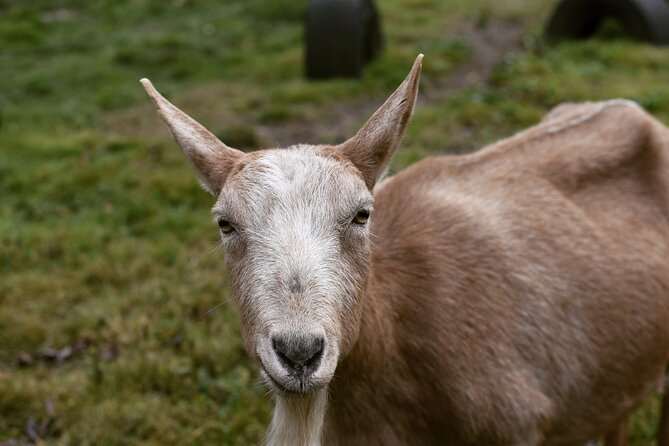
- Goats get the star treatment with grooming time for ambassador goats Chuck and Larry
A small-group working farm tour in Owls Head, NY
This is the kind of Adirondacks activity that feels like a farm family opening the gate for you. The tour runs about 1 hour 30 minutes and is designed for a maximum of 6 travelers, which makes a huge difference when you’re dealing with animals and muck. Even the pace feels human. Not rushed. Not staged.
You start at 189 Ragged Lk Rd, Owls Head, NY 12969. The tour ends back at the same meeting point, so you don’t need to plan for transportation at the end. You’ll also get a mobile ticket, and the tour is offered in English.
Most travelers can participate, and the farm builds the tour around manageable, close-to-home farm tasks. It’s not a “see everything from far away” style experience. It’s built for your hands and your questions.
You can also read our reviews of more tours and experiences in New York.
The meet-and-greet moment: boot covers, farm history, and real routines
Stop 1 sets the tone. You meet at the Cook Farm and get a background intro before you head out. A quick detail that matters: they offer boot covers on arrival. If you already have tall work or garden boots, you might skip them—but either way, do yourself a favor and wear footwear that’s ready for farm conditions.
In the intro, you’ll also learn how the farm operates and where it’s going next. One standout in this whole experience is that the guides share improvements they’ve made and what they’re planning for the future, instead of keeping everything in the past. If you like understanding the “why” behind farm decisions—water, soil health, animal care—this part will click for you fast.
You’ll meet the farm team here too. In particular, Laura is one of the people who welcomes you and explains the farm’s approach, with Ivan and Brandon taking turns guiding different sections.
Harvesting your own veggies: the market garden stop you’ll actually remember
Stop 2 is where the tour turns into a take-home experience. You’ll learn how organic vegetables are grown in their market garden, then you’ll harvest produce to bring home. This isn’t a souvenir shop moment. It’s closer to helping yourself from a working garden.
Why this stop is valuable: you see what “local food” means in practice. Instead of generic talk about farms, you get your hands in the growing process. Even if you’re not an expert gardener, the guide’s pace makes it simple to follow along.
Practical note: bring a plan for your harvest. You’re on a farm schedule, not a grocery store schedule, so think about how you’ll carry your veggies and keep them from getting crushed on the drive.
Meet the animals on pasture: ducks, chickens, pigs, and goats (with some surprise moments)
Stop 3 is the animal heart of the tour. You’ll visit poultry first—ducks and chickens are part of what you might see—then you move into pasture animals like pigs and goats. Depending on timing, you may also encounter turkeys, since they’re specifically called out as possible sightings.
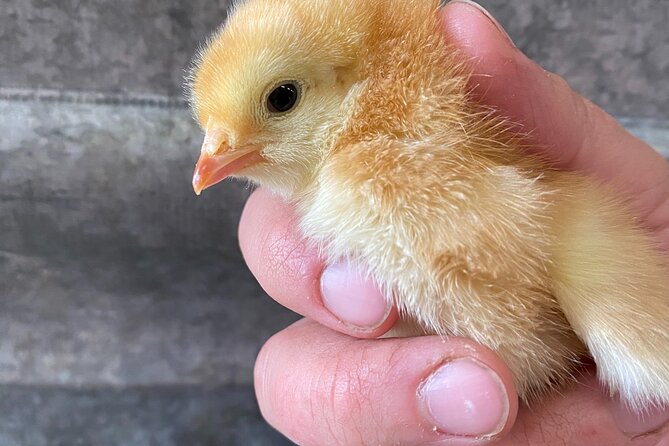
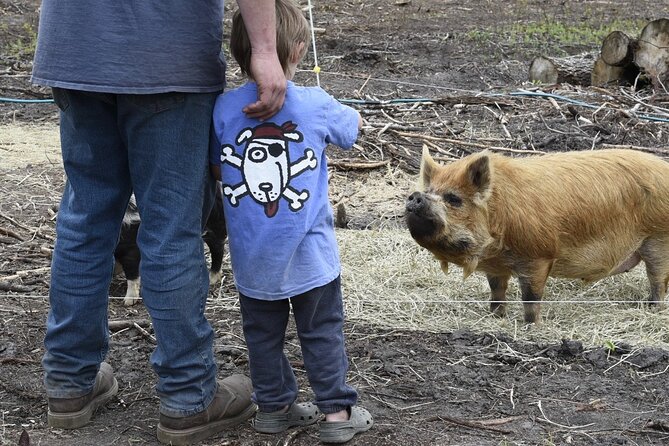
This stop is designed for real farm contact, not just watching through a fence. You can collect eggs, and you may feed treats to pigs. The guide also shows how poultry fits into the farm’s day. For example, you might hear the difference between broiler chickens and laying hens, which helps you connect farm animals to their roles on the farm.
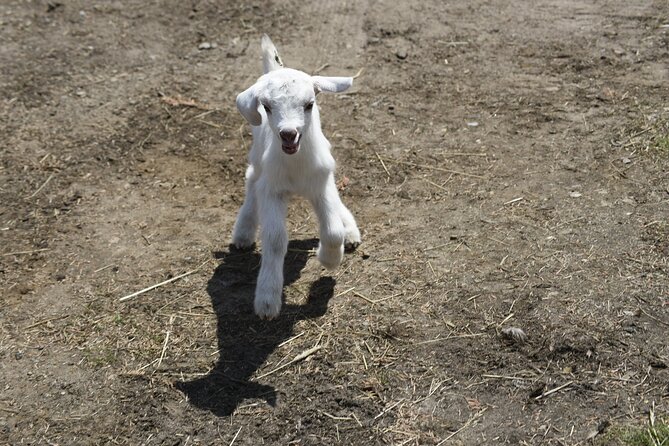
This is also where the tour can get delightfully hands-on. One memorable moment from this experience is feeding baby goats with a bottle fitted with nipples. If you’re comfortable with close animal handling, you’ll likely find it genuinely engaging rather than just cute.
You’ll meet the pigs and see piglets up close too. If you’re expecting a “quick peek,” adjust your expectations. This section gives time—around 30 minutes—so you can slow down and watch how animals move, eat, and behave when humans are nearby.
Composting in action: temperature readings and daily mixing
Stop 4 is a favorite if you like practical ecology. They’ll show you their community composting system and you’ll do a temperature reading on the compost pile. That might sound technical, but the guides make it doable. You’re not just standing by—you’re learning how composting works as a process.
Here’s what you gain from this stop: compost isn’t magic dirt. It’s management. You’ll learn what goes into compost and how they mix each pile daily. Then the result cycles back into the farm’s soil health and growing efforts.
Why I think this matters for you as a visitor: it gives context for the whole farm. When you understand composting, you stop seeing farms as just animal spaces and start seeing them as systems. The farm’s production connects to waste, soil, and future harvests.
Goat grooming with Chuck and Larry: calm hands and good photos
Stop 5 is about ambassador goats, specifically Chuck and Larry. You’ll spend time grooming them and likely get photos. If you’ve ever tried to photograph an animal that won’t stand still, you’ll appreciate the calm pacing here. The point isn’t a performance. It’s respectful, slow interaction.
You’ll also learn a bit about the goats themselves—how they fit into the farm, how they’re handled, and why they work as ambassadors. In the barn section tied to the tour, you may also see the male goats and learn the steps involved in their milking process.
This part can be surprisingly educational. The guides explain each stage clearly, and you’ll get room for questions. It’s the kind of learning that sticks because you can see the setup while it’s explained.
If you’re a small-animal lover, this is the stop that usually turns into the “I didn’t expect this to be my favorite” moment.
What you really learn about local food systems (not just farm facts)
Beyond animals and plants, the tour focuses on local food systems. You’ll learn how produce gets from farm to fridge, and you’ll hear about the farm’s intentions for how things improve over time.
This matters because it turns “local” from a buzzword into an actual chain. You see the growth side—organic vegetables in the market garden. You see the animal side—how poultry and pigs fit into a pasture-based farm approach. And you see the waste-to-soil side—composting as the behind-the-scenes engine.
The result is that you’ll leave with a better mental map of how a farm functions in the real world. Not a perfect textbook farm. A working one, with daily routines, planning, and gradual upgrades.
Price and value: $20 for 90 minutes of hands-on farm time
At $20 per person for about 1.5 hours, this is strong value—mainly because of what’s included. You’re not paying for a long bus ride and a lecture. You’re paying for guided time with animals, garden harvesting you can take home, and active learning like the compost pile temperature reading.
It also helps that the group size tops out at 6 people. That changes the quality of the interaction. Instead of racing through the tour, you get more time for hands-on participation and questions.
If you’ve ever done farm visits where you mostly watch, this one feels different. You’ll likely come away with both food and knowledge, which makes the price feel fair rather than like a generic attraction fee.
Logistics that actually matter: timing, weather, and footwear
This experience requires good weather. If conditions are poor, you’ll be offered a different date or a full refund. So don’t treat it like a guaranteed outdoor plan.
Plan your clothing around farm ground. Expect you might step in mud or damp areas, even if it’s not raining. The tour offers boot covers, but you’ll be happier if you come prepared with tall, grippy boots. In particular, high work or garden boots help you avoid worrying about what you might be stepping in.
The tour starts at 1:00 pm at the meeting point on Ragged Lake Road. Since it ends back where it starts, you can build this into a broader half-day plan without complicated return logistics.
Who this tour is best for (and who should think twice)
This tour fits best if you enjoy hands-on learning and want something more grounded than a museum. It’s great for families with kids who like animals, and it’s also a good pick for adults who want a real sense of how an Adirondack farm operates.
If you’re the kind of traveler who likes small groups, direct explanations, and getting close to animals, you’ll likely enjoy the format. The guides—Laura, Ivan, and Brandon—seem to take questions seriously and explain processes in a way that makes farm life feel understandable.
The main consideration is comfort with farm conditions. If you hate mud, or you’re not comfortable around animals, you might find parts less appealing. Also, because it runs outdoors and depends on weather, you’ll want to dress for the conditions rather than expecting a polished indoor experience.
Should you book the Cook Farm tour?
Yes, if you want an authentic working farm visit with small-group attention and actual activities you can do—harvesting veggies, feeding animals, and learning composting with real measurements. The $20 price makes sense when you think about what’s included and the time you spend with the farm family team.
You should also book if your goal is to understand local food systems in plain language, from soil health to animals to how food ends up on a fridge shelf. If you’re careful with your footwear and you’re okay with outdoor farm reality, this is the kind of stop that tends to become a highlight.
FAQ
How long is the Cook Farm immersive experience?
It runs for about 1 hour 30 minutes.
Where is the meeting point?
The tour starts at 189 Ragged Lk Rd, Owls Head, NY 12969, USA and ends back at the meeting point.
What is the price?
The price is $20.00 per person.
How many people are in the group?
The tour has a maximum of 6 travelers.
What language is the tour offered in?
The experience is offered in English.
What should I bring or wear for the farm visit?
Wear footwear suited for farm ground. Boot covers may be provided, but tall work or garden boots are a smart choice.
What happens if the weather is poor?
This experience requires good weather. If it’s canceled due to poor weather, you’ll be offered a different date or a full refund.