REVIEW · ANTIGUA GUATEMALA
Coffee farm experience
Book on GetYourGuide →Operated by Colonial Antigua · Bookable on GetYourGuide
Coffee has a soundtrack here. In just three hours, a farm circuit outside Antigua turns a cup of coffee into a real place you can picture, with Guatemala coffee taught by locals in Ciudad Vieja.
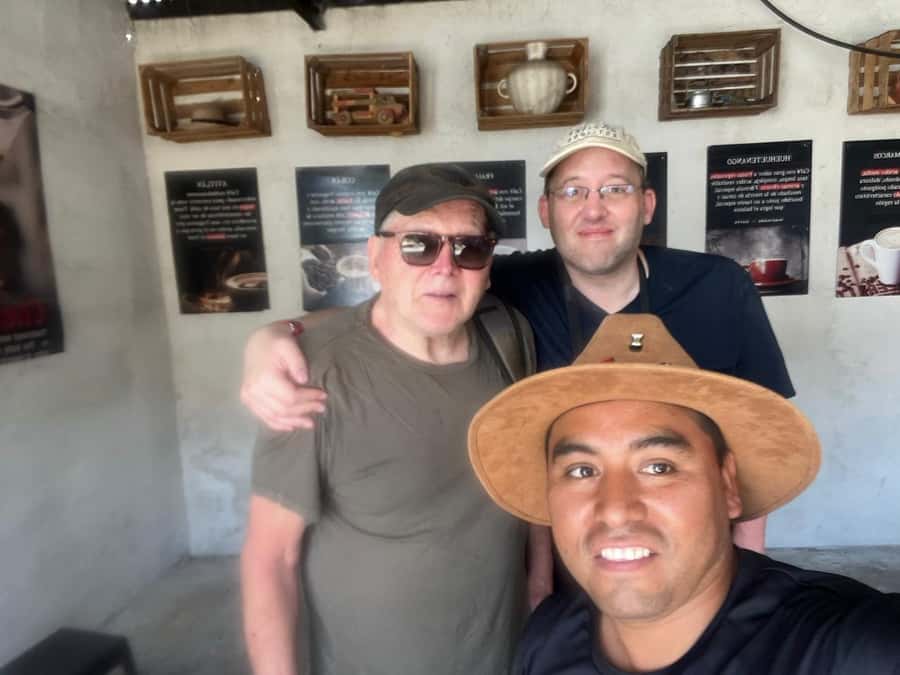
I love how the visit stays grounded in everyday work: plant care, fertilization, and the conditions coffee needs, explained in a way you can actually use when you order coffee later. I also like meeting the people behind the industry through their family-led hosting, including guide Baudilio, plus his wife and family.
One catch: this is an outdoor walk tied to working fields. If you have insect allergies or you’re sensitive to sun, plan carefully with a hat and closed shoes.
In This Review
- Key things to know before you go
- Why a coffee farm tour beats another coffee stop
- Antigua pickup and the simple 3-hour flow
- Who you meet matters: guide Baudilio and family hospitality
- What you learn in the fields: care, fertilization, and coffee’s needs
- Plant to processing: how the stages shape the cup
- The tasting: simple, included, and geared to what you just learned
- Buying coffee: what to expect and how to handle payments
- Price and value: where the $55 goes
- Practical tips so you stay comfortable in the heat
- Who this tour fits best (and who should skip)
- The bottom line: should you book this coffee farm tour?
- FAQ
- How long is the coffee farm experience?
- Where does the tour start and end?
- What’s included in the price?
- Do I get coffee to take home?
- What languages are offered?
- What should I bring?
- Is alcohol allowed?
- Who is this tour not suitable for?
- What’s the cancellation policy?
- What’s the price per person?
Key things to know before you go
- You’ll learn Guatemala’s coffee regions and what makes each one different
- A local family leads the teaching, including guide Baudilio and his family
- You get the full chain view: plant care, fertilization, and processing
- A guided visit in Ciudad Vieja includes a short walk and sightseeing time
- You’re paying for the people’s labor and the value of the crop, not just the tasting
Why a coffee farm tour beats another coffee stop
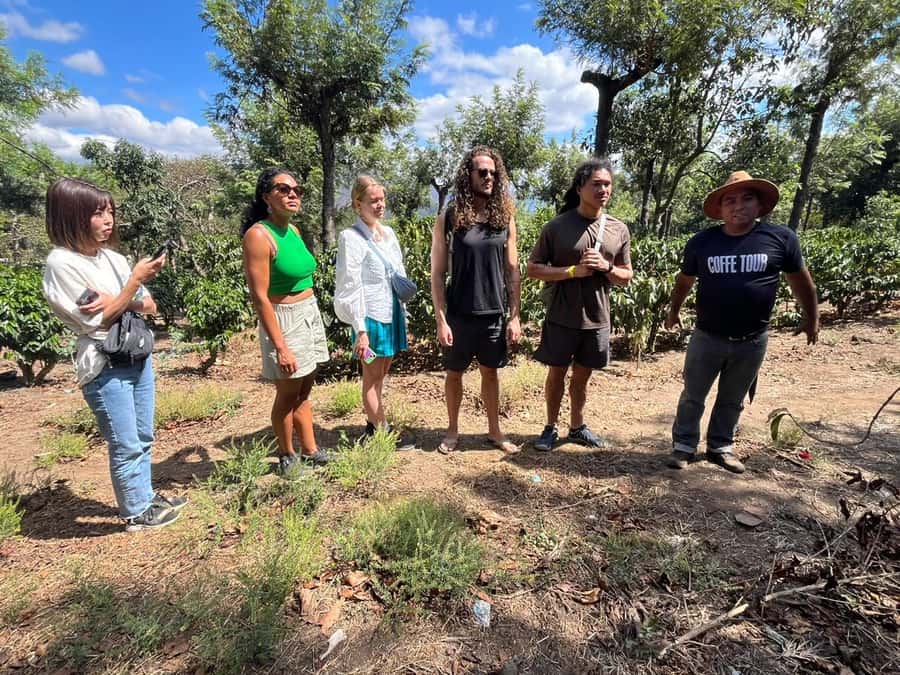
A good cup of coffee is easy to take for granted. This tour slows things down. You don’t just taste. You learn how coffee plants are treated, what they need to thrive, and why Guatemala’s growing conditions matter. The result is that your next café order in Antigua (or anywhere) makes more sense.
I also like that it connects coffee to local income. Coffee is one of Guatemala’s most important sources of income, and you can feel that in how the farm is run and how the process is explained. This isn’t about hype. It’s about work done by people and families who rely on the crop.
There’s a nature element too. Even with a short schedule, you’re outside in the real working landscape. That little reset is often the best part of the day, especially if you’ve been bouncing between churches and viewpoints all week.
Antigua pickup and the simple 3-hour flow
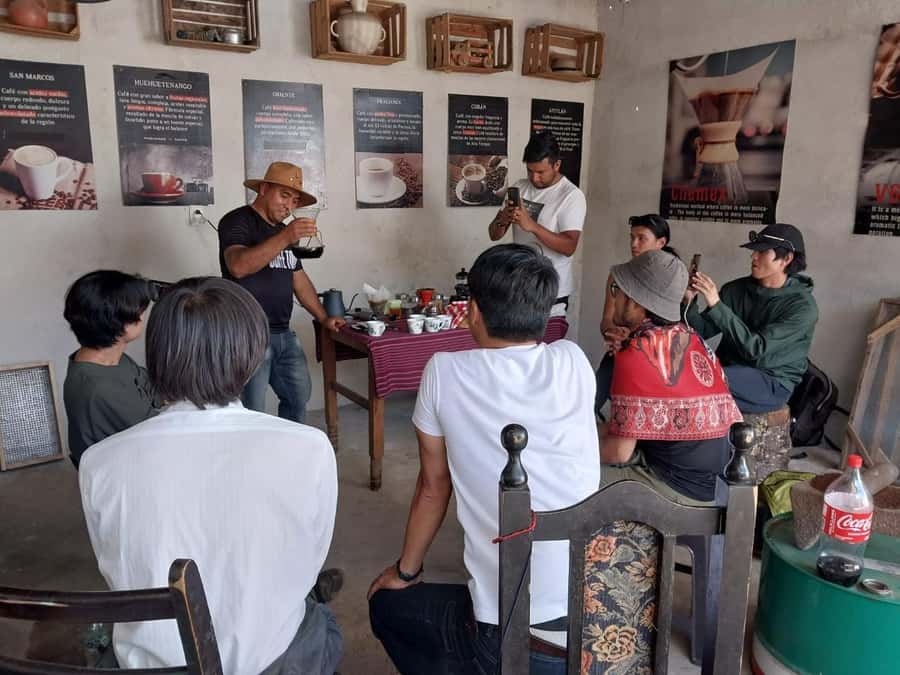
The tour is built around a tight window: three hours total with pickup from Antigua Guatemala. Transportation is included, so you can show up, get driven to the area, and focus on the experience instead of logistics.
Once you arrive, the guided portion is centered in Ciudad Vieja. Expect a guided tour and a walk that’s about 105 minutes. That’s long enough to learn the basics of cultivation and processing, but not so long that it turns into a slog.
At the end, you return to Antigua Guatemala. It’s a good half-day option when you want something meaningful without losing an entire morning or afternoon.
Who you meet matters: guide Baudilio and family hospitality
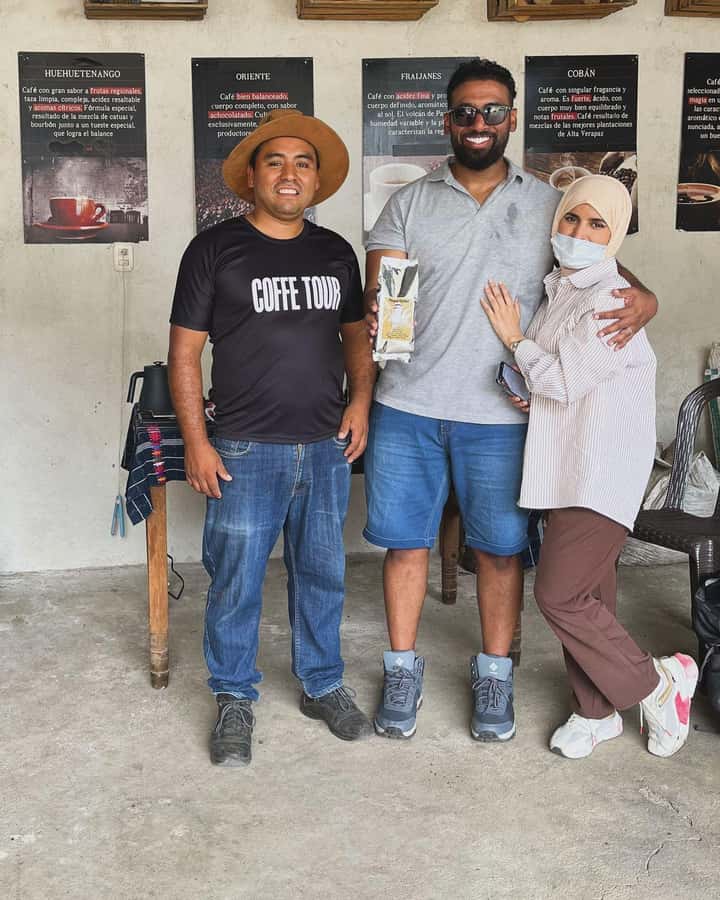
The standout from this experience is the human side. The guide you’ll spend time with, Baudilio, is described as engaging and genuinely invested in explaining the stages of coffee cultivation and processing. You’re not herded around with a script.
And you’re not just learning from a solo instructor. Several accounts highlight a family-style welcome, with the owner and household helping guide you through the farm. That family involvement changes the feel of the tour. You get clearer answers and more context about why the work is done a certain way.
There’s also a practical benefit: you can ask questions and get real explanations, not just “because that’s how we do it.” If you care about the difference between coffee growing in theory versus in Guatemala’s real conditions, this kind of hosting helps a lot.
Language support is English and Spanish, and that matters if you want to follow details without playing catch-up.
What you learn in the fields: care, fertilization, and coffee’s needs
This tour is designed around the “how” of coffee. You’ll learn how coffee plants are cared for—what growers do to keep plants healthy and productive. You’ll also learn about the growing conditions coffee requires, which is the foundation for understanding flavor quality later.
One of the key topics is fertilization. Coffee growers use specific fertilization processes, and you’ll hear how those choices fit into the rhythm of the farm. This is valuable because it connects the farm to your cup in a way that’s not just poetic. It’s practical cause-and-effect.
You’ll also discover the eight coffee regions tied to Guatemala. Even if you don’t memorize every detail, the idea sticks: Guatemala isn’t one uniform coffee experience. Regions and conditions shape the plants, the timing, and the results.
And there’s a “small farm reality” layer: you’ll see the daily effort that goes into working the fields. That daily grind is part of what makes coffee expensive when you buy it fairly. The tour doesn’t pretend the industry is simple, and that honesty builds respect.
Plant to processing: how the stages shape the cup
Coffee is more than roasting. This experience helps you connect the dots between cultivation and what happens next.
During the guided visit, you’ll learn about the stages of coffee processing and how the plant-to-bean journey works from farm care onward. You’ll also be shown how coffee is processed as part of the farm’s routine rather than as a mystery handled somewhere else.
Then comes the part that ties it all together: how to enjoy a good cup of coffee. You’ll get a tasting included in the price, and the tour context helps you taste with intention instead of just drinking.
If you’re the kind of person who likes to know what you’re eating and why, you’ll probably walk away with questions answered and new ones you’re happy to ask. That’s a good sign. Coffee is worth that kind of curiosity.
The tasting: simple, included, and geared to what you just learned
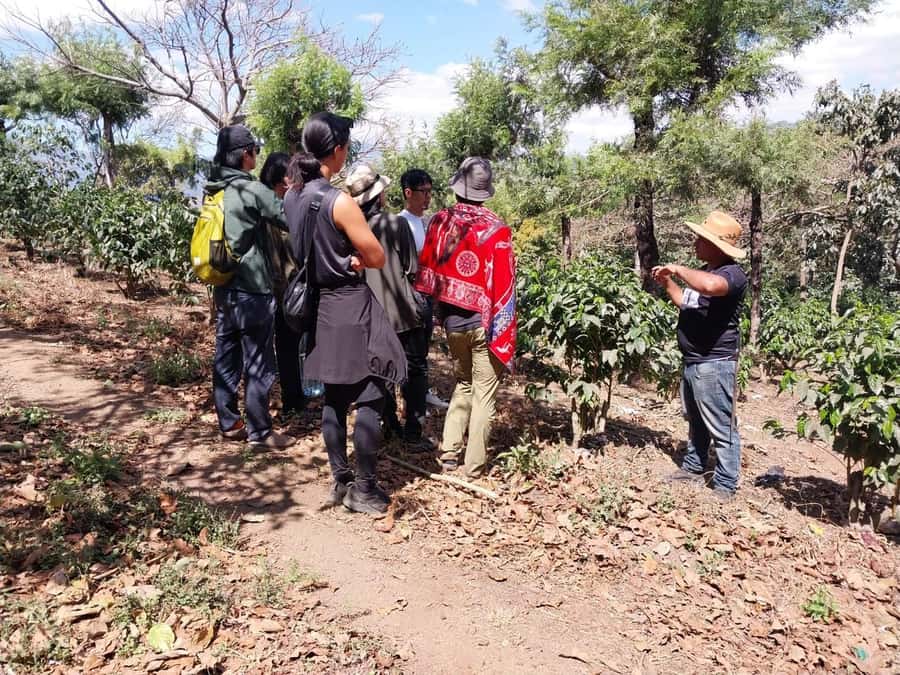
A coffee tasting is included, and it’s where the tour becomes personal. The tasting isn’t just a sip-and-go. You’re learning the background right before you taste, so you can connect the farm story to the coffee experience.
Some visits include sampling two types, which is a nice way to understand how different coffees can feel different even when they come from the same general country. If you’re a coffee fan, that quick comparison is often what makes the lessons stick.
Keep in mind: the included tasting is just that. Extra drinks or extra food aren’t included, and you shouldn’t plan on ordering a full café meal during the tour.
Buying coffee: what to expect and how to handle payments
If you like what you taste, you might have the option to buy coffee from the farm. Accounts describe being able to purchase their own coffee, which means you’re supporting the people who grew and packaged it.
That’s also why bringing cash matters. The tour specifically asks you to bring cash, plus a charged smartphone. If you want to pick up beans, having money ready saves you from the awkward end-of-tour scramble.
One small practical note: the tour price covers the experience, transportation, the guide, and tasting, but not pounds of coffee. So if you plan to take coffee home, budget extra.
Price and value: where the $55 goes
$55 per person is not a throwaway cost, so you should know what you’re actually buying.
You’re paying for:
- transportation from Antigua and back
- a live guide in English or Spanish
- the education component: plant care, growing conditions, fertilization, and processing
- the tasting included with the experience
What you’re not getting is coffee to take home or extra drinks/food. You’re also not being charged for a museum-style presentation. This is time spent on a working farm circuit with locals leading the way.
In value terms, the biggest reason this feels worth it is that you’re learning the origin of Guatemala coffee alongside the people who rely on it. If your goal is simply to drink coffee, you can do that anywhere. If your goal is to understand coffee’s real path—how it grows and why it costs what it costs—this is the kind of experience where the price starts to make sense.
Practical tips so you stay comfortable in the heat
You’ll be outside, so plan like it’s a short farm walk, not a city tour.
Do bring:
- a hat or cap for sun protection
- closed-toe shoes
- cash for any purchases
- a charged smartphone
Wear comfortable clothes you don’t mind getting a little dusty. The tour asks for suitable clothes for the circuit, and closed shoes help with actual comfort on uneven ground.
Also, follow the rules: alcohol and drugs are not allowed. Keep it simple and let the experience stay focused.
If you’re prone to insect issues, take that seriously. The activity is not suitable for people with insect allergies, so don’t gamble with that.
Who this tour fits best (and who should skip)
This works best for:
- coffee lovers who want the farm-to-cup story
- people who like being outdoors for a short, guided walk
- anyone who prefers local hosting over scripted “factory tours”
- visitors who want to hang out with locals and learn how the industry works
It may not be a good fit if:
- you have insect allergies
- you’re traveling with a baby (not suitable for children under 1 year)
- you’re older than the listed age range (it’s not suitable for people over 70, and also lists limits above 95)
If you fall into one of those groups, consider another type of Antigua coffee experience that’s indoors or less exposed.
The bottom line: should you book this coffee farm tour?
I think this is a smart book if you want a coffee experience with substance. You get a focused slice of Guatemala’s coffee story: how plants are treated, how growers fertilize and manage conditions, and how processing leads to what you taste. Add in real family-led hospitality from people like Baudilio, and it feels both educational and human.
Skip it if you know sun exposure, outdoor conditions, or insects are likely to be an issue for you. Also, if you only want the cheapest way to drink coffee, you might feel the value better by choosing something lighter on the educational side.
If you’re on the fence, ask yourself this: do you want coffee trivia, or do you want the real work behind the cup? This tour leans hard toward the second one.
FAQ
How long is the coffee farm experience?
It lasts about three hours total.
Where does the tour start and end?
Pickup is from Antigua Guatemala, and you return back to Antigua at the end.
What’s included in the price?
The experience includes transportation, a guide, and a tasting.
Do I get coffee to take home?
Buying coffee (pounds of coffee) is not included. If you want to purchase coffee, bring cash.
What languages are offered?
The live guide is available in English and Spanish.
What should I bring?
Bring cash, a charged smartphone, and closed-toe shoes. A hat or cap is recommended for sun protection.
Is alcohol allowed?
No. Alcohol and drugs are not allowed.
Who is this tour not suitable for?
It’s not suitable for babies under 1 year, people over 95 years, people over 70 years, or people with insect allergies.
What’s the cancellation policy?
You can cancel up to 24 hours in advance for a full refund.
What’s the price per person?
The price is $55 per person.
If you tell me your travel dates and whether anyone in your group has insect allergies or mobility concerns, I can help you decide if this is the right fit.