REVIEW · SAN CASCIANO IN VAL DI PESA
Cooking class in our family farm in Chianti with lunch
Book on GetYourGuide →Operated by Cofferi 1242 · Bookable on GetYourGuide
Fresh pasta in Chianti beats another museum stop. This cooking class pairs hands-on food with a real working farm setting in Tuscany, complete with olive trees, vineyards, and time outdoors. You’ll make the dishes, then sit down to a lunch built from what you cooked, with the farm’s wines and extra virgin olive oil.
Two things I really like: first, the focus on practical skills you can redo at home (pasta shapes, dough handling, and schiacciata/bread basics). Second, the meal is part of the experience, not an afterthought—your lunch happens on a terrace overlooking vineyards and olive groves, with farm products all around. One possible drawback to consider is that the outdoor lunch depends on weather, so plan for the possibility that it may move indoors if conditions aren’t great.
In This Review
- Key highlights at a glance
- Tuscany from the terrace: the setting that makes the food taste better
- Meeting Camilla Benedetti-style: arriving on a working family property
- The farm-first tour: olive trees, vineyards, animals, and saffron
- Handmade pasta in 4 hours: tagliatelle and ravioli made practical
- A tip that makes pasta days easier
- Bread and schiacciata dough skills you can reuse at home
- The full lunch you cook: appetizers, first courses, second courses, dessert
- Wines and extra virgin olive oil: tasting with the right context
- Where the best moments happen: eating outdoors among vines
- Price in real terms: why $169.93 feels fair for what you get
- Who should book this Chianti cooking class (and who might not)
- Timing and duration: planning your day around a 10:30 start
- Should you book this Chianti farm cooking class?
- FAQ
- How long is the cooking class?
- What time does it start?
- What will I cook and eat?
- Is lunch outdoors?
- What’s included in the price?
- Do I need to plan around the timing of travel?
Key highlights at a glance
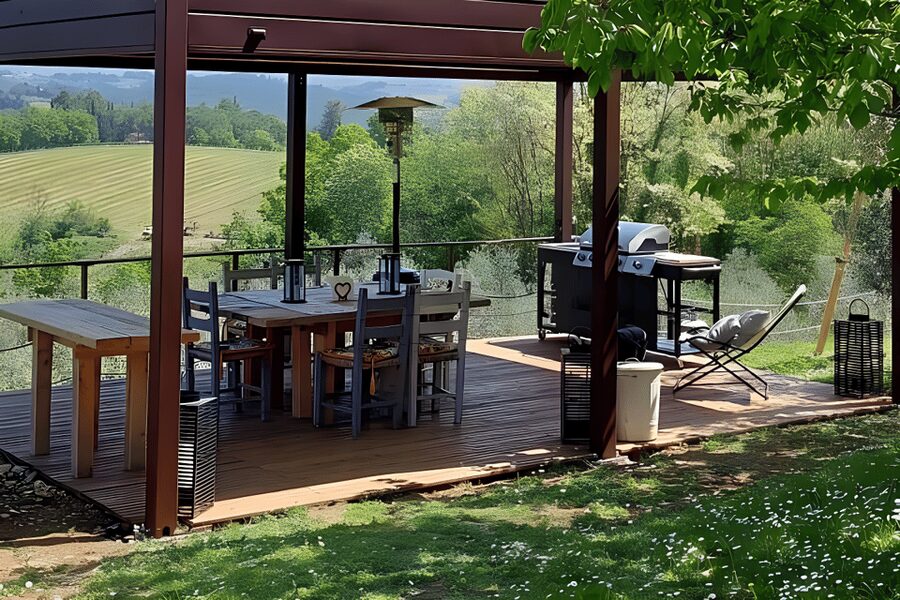
- Fresh pasta coaching that covers both dough technique and shapes like tagliatelle and ravioli
- Garden-to-plate ingredients, including herbs and extra virgin olive oil from the farm
- Bread and schiacciata dough lessons with ways to use this versatile dough for multiple recipes
- A full lunch menu of appetizers, first courses, second courses, sides, and dessert
- Farm tastings featuring the family’s wines plus extra virgin olive oil
- A short working-farm tour with olive trees, vineyards, animals, and even a saffron field
Tuscany from the terrace: the setting that makes the food taste better
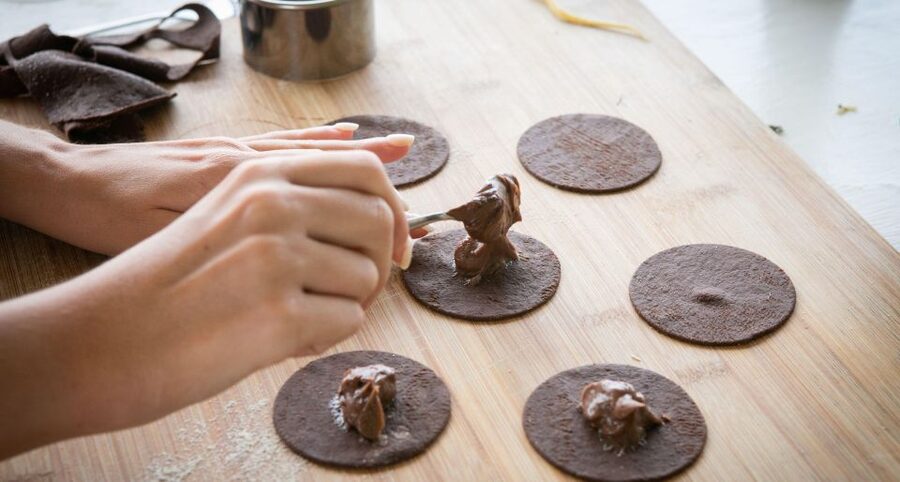
This class starts with a view, and it matters more than you’d think. Your cooking happens on a terrace overlooking olive trees, or in the family farmhouse if that’s the better fit for the day. Either way, you’re surrounded by the quiet rhythm of a hilltop Chianti farm: vineyards stretching out, olive groves nearby, and woods in every direction.
Then lunch happens outside—when weather permits—so the flavors land in the right context. You’re not eating in a sterile classroom with plates brought out by someone else. You’re eating in the place where the olive oil and ingredients came from, with the kind of calm you only get when you’re actually in the countryside, not just looking at it.
Meeting Camilla Benedetti-style: arriving on a working family property
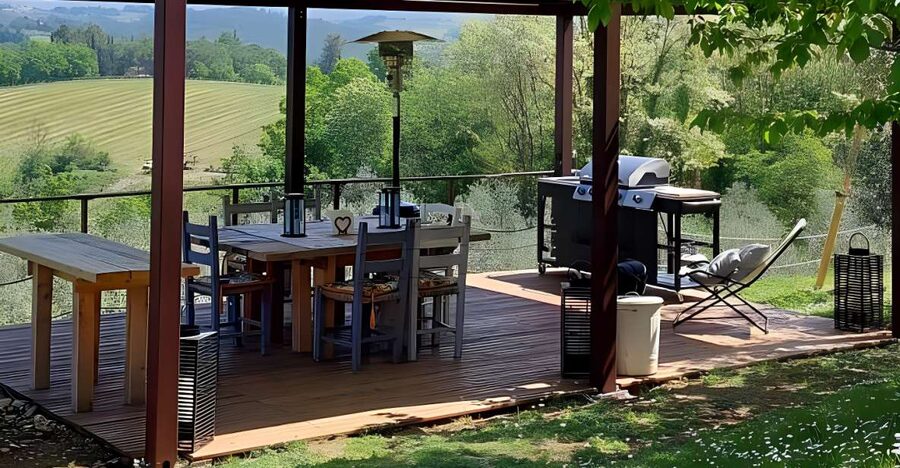
The welcome is friendly and unhurried. You’ll start around 10:30 a.m., but it isn’t a hard “show up and sprint” situation. You’ll get to know your host, chat a bit, and (if you’d like) take a short walk around the property first.
That early tour is part orientation, part enjoyment:
- You can admire the olive grove, the vineyards, and the rolling farm surroundings.
- You’ll also hear about a field where saffron is grown, which adds a fun Tuscan twist to the day’s food story.
- And you’ll get a sense of what this farm actually does, including the presence of animals.
From there, Camilla (and her family) shift the mood from scenery to cooking mode. The group atmosphere tends to be warm and relaxed, with enough structure that you always know what comes next, but still personal enough that you’re not just following a scripted routine.
The farm-first tour: olive trees, vineyards, animals, and saffron
Before you touch dough, you’re given something that many cooking classes skip: a living backdrop. Walking the property helps you understand why the food tastes the way it does.
Here’s what’s especially worth noticing during the farm portion:
- Olive trees and olive oil are at the center of the day, not an optional extra. You’ll later taste the farm’s extra virgin olive oil, so seeing the trees first gives that tasting meaning.
- Vineyards frame the lunch setting. It’s easier to appreciate the wines when you’ve seen where they come from.
- The mention of a saffron field is small, but memorable. It signals that this isn’t a generic “Italian countryside” story—it’s an active agricultural operation.
You should also budget a little mental energy for this part. If you’re the type who likes slow travel—taking in views, asking questions, and learning the “why”—this stop clicks. If you’re rushed or travel-stressed, it may feel like a slower start, but it’s still worth it for the context it adds to the cooking.
Handmade pasta in 4 hours: tagliatelle and ravioli made practical
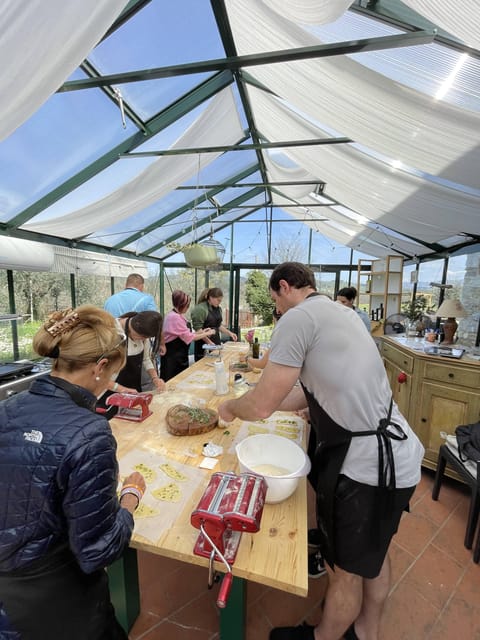
Now to the core: making pasta from scratch. This is where the class earns its reputation.
You’ll learn how to make homemade pasta dough, using herbs from the garden and the farm’s extra virgin olive oil. That’s not just a flavor move—it’s a technique lesson. Oil and herbs behave differently in dough than plain flour alone, and getting that taste-and-texture connection early helps you cook with confidence later.
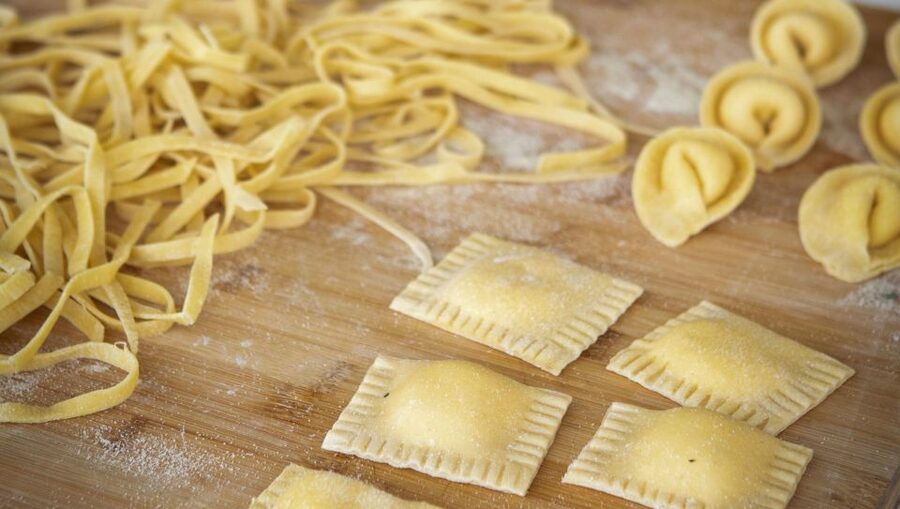
Then you’ll go beyond flat-sheet dreaming and learn to create recognizable shapes, specifically:
- Tagliatelle
- Ravioli
The teaching style here is the real value. The goal isn’t to make you a production-line pasta maker. It’s to help you understand dough consistency, how to work it, and how to shape it without panic. By the time you’re cooking, you’re not just “doing steps.” You’re building a feel for the dough so that when you try again at home, it won’t be totally unfamiliar.
A tip that makes pasta days easier
Go into it with a mindset of learning, not perfection. Fresh pasta is supposed to be a little imperfect and delicious. If you aim for speed, you’ll overwork dough. If you aim for texture, you’ll land closer to what the class is teaching.
Bread and schiacciata dough skills you can reuse at home
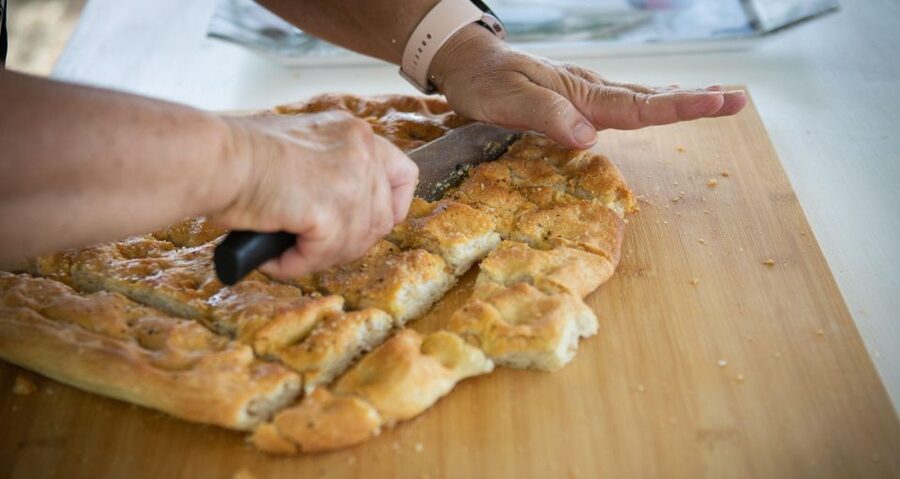
One of the best parts of this experience is that pasta isn’t the whole story. You’ll also learn how to prepare the dough for bread and schiacciata—and more importantly, you’ll learn why that dough is so versatile.
Camilla teaches you how to handle the dough so you can use it in different recipes. That matters because many classes stop at one finished dish. Here, the point is transferable technique: once you understand the base dough and basic handling, you’re set up to experiment.
Even if you don’t plan to make schiacciata the next weekend, you’ll leave with a clearer sense of:
- dough readiness
- how to work it without overdoing it
- how to shape and use it for different outcomes
In other words, the class gives you ingredients plus a framework. That’s why it can feel worth it even though it’s only four hours.
The full lunch you cook: appetizers, first courses, second courses, dessert
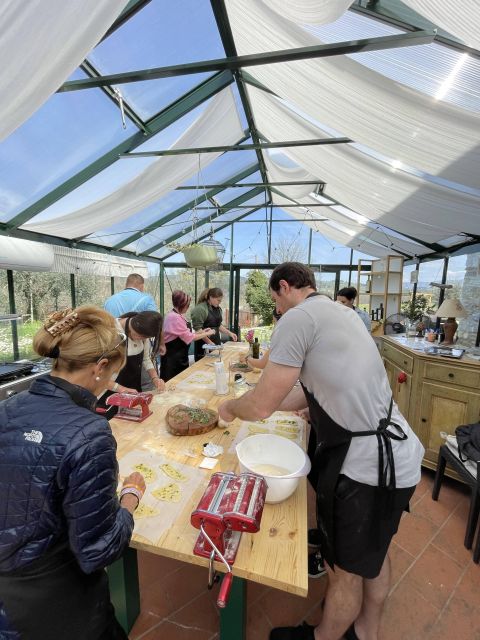
Expect a complete menu. You’ll prepare a full flow of food that ends in dessert, not a snack-and-tour situation.
Your cooking menu includes:
- Appetizers
- First courses
- Second courses featuring either meat or vegetables
- Side dishes
- Dessert
While you’re learning, you’re also assembling a meal that you’ll actually eat after. That’s one of the quiet advantages of this format: you don’t have to guess whether the work was “worth it.” You taste what you made, in the place where it was prepared.
A few practical notes to keep the lunch from catching you by surprise:
- You’ll likely eat a more filling meal than you expect at a “cooking class.”
- You should plan to be finished eating for the day afterward, not still searching for dinner.
- Bring an appetite. The class is structured so the food comes together, and it’s meant to be enjoyed slowly.
Wines and extra virgin olive oil: tasting with the right context
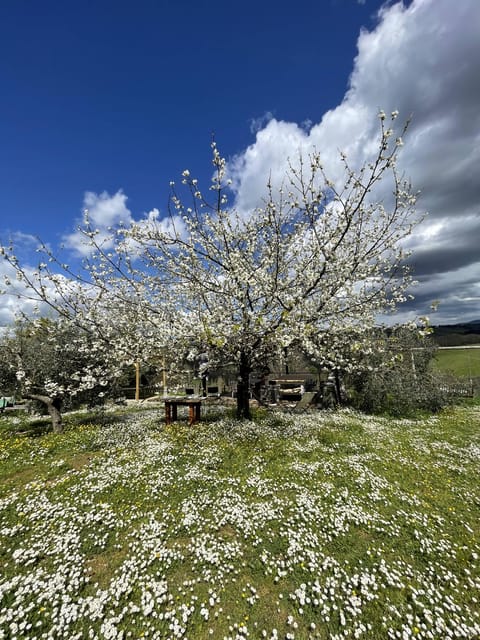
This is not a hard-core wine class, but it includes genuine tasting. During lunch, you’ll sip one of the farm’s wines and taste the farm’s extra virgin olive oil.
What makes this part valuable is timing and context. You’ve just walked the property, then cooked with ingredients tied to the farm—so the tasting feels like the final chapter, not a separate event. The olive oil especially lands better when you know it’s connected to a real grove you saw earlier.
How to taste like a calmer human:
- Start with the olive oil and notice if it feels peppery or smooth.
- Take a small sip of wine after you’ve eaten something, so the pairing makes sense.
- Don’t worry about sounding like an expert. The point is noticing what you like.
Where the best moments happen: eating outdoors among vines
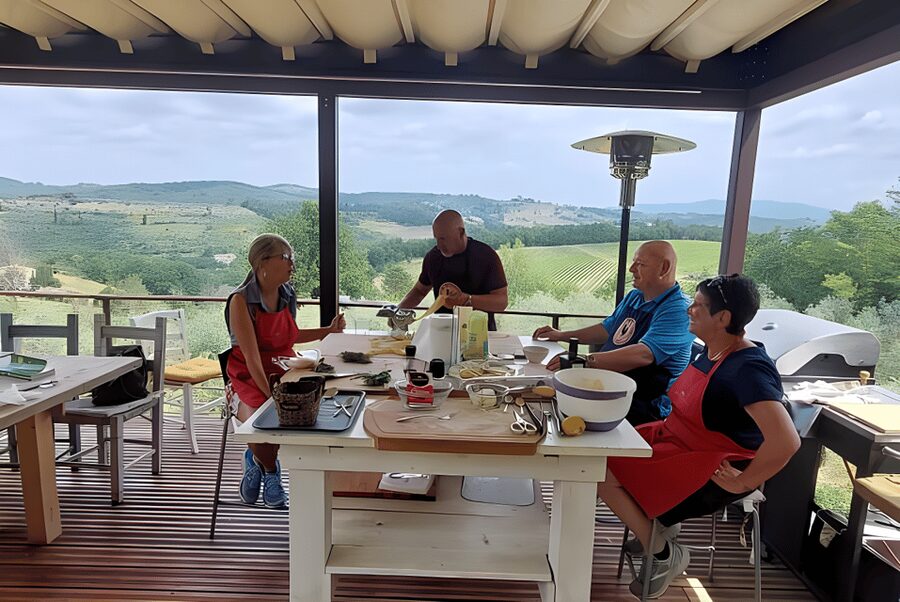
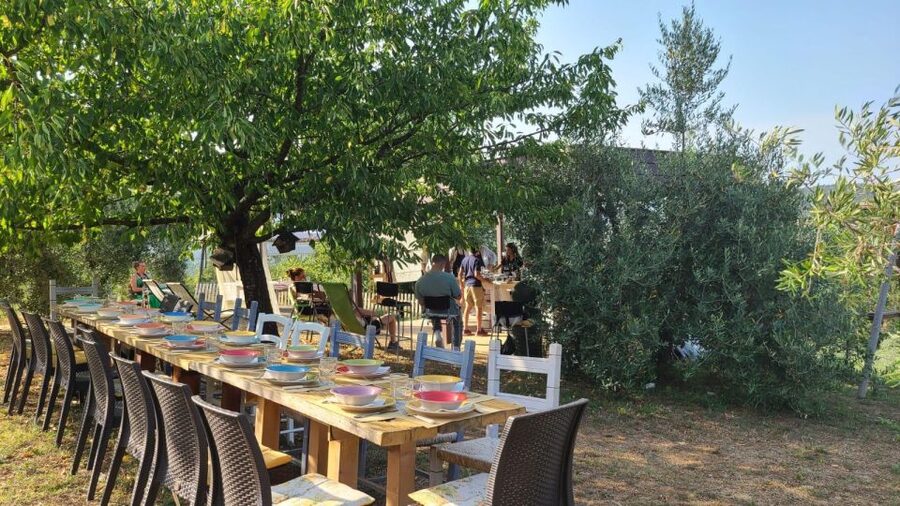
If the weather cooperates, lunch is outdoors in the garden, looking out over vineyards and olive trees. That’s a huge part of the appeal. You get the food, but you also get the atmosphere: a hilltop kind of peace, with light coming through the countryside and the feeling that you stepped into a postcard that actually smells like food.
This is where I think the class really wins. Many cooking experiences give you technique and then move on. Here, the meal is framed as a reward and a reset.
Also, the pace feels designed for conversation. You’re cooking with a group, then eating together outside. It’s the kind of experience that helps people talk more naturally than they do at guided tours with loud headsets.
Price in real terms: why $169.93 feels fair for what you get
At $169.93 per person, this isn’t a bargain. But it also isn’t “pay for the view only.” You’re buying several things at once:
- Hands-on instruction for pasta and dough
- A full menu you cook and eat
- Wines and extra virgin olive oil
- A digital recipe book from the farm
- Aprons provided for the class
- A short farm visit with animals, olive trees, vineyards, and saffron field context
When you add it up, the price becomes easier to justify. You’re not just learning a recipe; you’re getting a structured food experience with ingredients sourced from the farm, plus the meal that follows. In Italy, cooking classes that include a true lunch—especially one tied to local production—often land in this range.
For value, the big question isn’t the dollar amount. It’s whether you’ll use the knowledge afterward. If you enjoy cooking, this class has strong take-home potential because you learn dough work and shaping, not just a single finished plate.
Who should book this Chianti cooking class (and who might not)
This class is a strong match for you if:
- you like hands-on experiences more than watching someone else cook
- you want to eat in a real Tuscan farm setting, not just a restaurant with a cooking demo
- you enjoy learning practical techniques (pasta shapes, dough handling, schiacciata/bread)
- you’d like a day activity that still feels personal and warm
It’s less ideal if:
- you’re looking for a quick, light snack-and-stroll experience
- you want a rigid, big-city schedule with lots of walking and photos every five minutes
- you’re sensitive to the idea that lunch can be outdoors only when weather permits
Also, transport matters in your planning. One review tip stood out: a taxi from Florence worked, but it’s easy to see why renting a car could make the trip smoother. If you’re using public transport, you’ll want to confirm timing in advance (not provided here), because this is a farm day and you’ll likely have a tight start around late morning.
Timing and duration: planning your day around a 10:30 start
The class lasts four hours, and it starts around 10:30 a.m. This is a good length for travelers who don’t want their whole day consumed, but still want a meaningful experience.
If you’re building your day itinerary:
- plan for a late-morning start, with a relaxed afternoon afterward
- don’t schedule another demanding activity right after, since lunch is substantial
- give yourself a little travel margin so you’re not rushing into the welcome and tour
Because the experience blends cooking, farm walking, and lunch, it rewards a calm schedule. You’ll enjoy it more if you treat it as the center of your food day in Chianti.
Should you book this Chianti farm cooking class?
I’d book it if you want a day that mixes real farm atmosphere with skills you can bring home. The teaching focus on pasta dough, shapes like tagliatelle and ravioli, plus bread/schiacciata dough versatility is a solid combo. Add the terrace lunch with wines and extra virgin olive oil, and it turns into more than just “a cooking class.” It’s an actual Tuscan countryside meal made with your own hands.
Skip it only if you mainly want a city-style tour, or you’d rather spend your time in restaurants and leave the hands-on work to someone else. Otherwise, this is the kind of experience that makes you feel like you learned something, ate well, and saw the countryside in the most practical way possible.
FAQ
How long is the cooking class?
The experience lasts about 4 hours.
What time does it start?
The class starts around 10:30 in the morning. Exact starting times can vary, so check availability.
What will I cook and eat?
You’ll learn to make homemade pasta (including pasta shapes like tagliatelle and ravioli), and you’ll also learn dough for bread and schiacciata. The day includes a full lunch with appetizers, first courses, second courses (meat or vegetables), side dishes, and dessert.
Is lunch outdoors?
Lunch is typically outdoors on the terrace/garden overlooking the olive grove and vineyards when weather permits.
What’s included in the price?
Included are the cooking class, lunch with the family’s wine and extra virgin olive oil, aprons, and a digital recipe book from the farm.
Do I need to plan around the timing of travel?
Since the activity is about 4 hours and begins around 10:30, it’s smart to plan your transport so you arrive with enough time for the farm tour and welcome before cooking starts.