REVIEW · TENERIFE
Eco banana farm Tour
Book on Viator →Operated by bananaECOplantation · Bookable on Viator
Bananas grow better than you think. I love the owner-led walk through an ecological banana finca in El Rincón, and I love that the visit ends with real tastings, including the banana liqueur shot. It’s one of those experiences where you learn something practical, then you can actually taste the result.
One thing to plan for: it’s an outdoor farm, so comfortable shoes matter and you may want long sleeves or light layers to reduce bites from pesky flies.
In This Review
- Key highlights you’ll actually care about
- Why a banana plantation tour in El Rincón feels like Tenerife at its core
- Meeting at Merendero El Rincón and timing your morning
- The 45–55 minute owner-led walk: what you’ll learn as you go
- Banana tastings and the liqueur shot: the payoff at the end
- Group size, crowd control, and why the small cap matters
- What to pack for a farm walk (and how to handle the flies)
- Price and value: does $24.20 really make sense?
- Who should book this eco banana farm tour?
- Should you book the Eco banana farm tour in Tenerife?
- FAQ
- How long is the Eco banana farm tour?
- What tastings are included?
- Is the tour available in English?
- Where do I meet, and when does it end?
- How many people are in the group?
- What if I need to cancel?
Key highlights you’ll actually care about
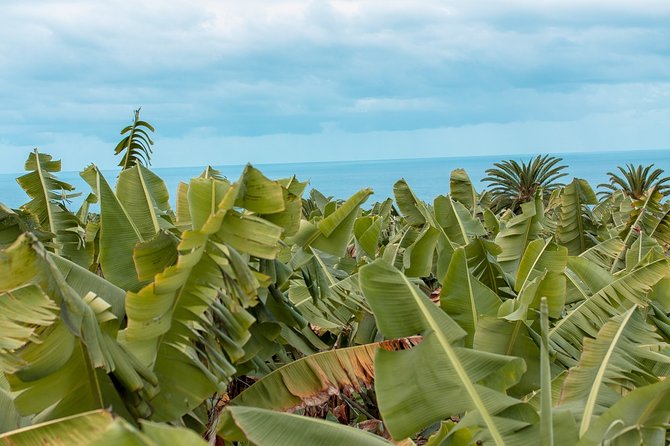
- Owner-led 45–55 minute tour through an ecological finca in El Rincón (La Orotava area)
- Fresh banana snack plus a sweet shot of local banana liqueur
- Small group vibe: capped at 15 travelers, with a stated maximum of 50
- English explanations are available, with guides praised for clear communication
- Close-up banana learning, including how the plant works and what happens after fruiting
Why a banana plantation tour in El Rincón feels like Tenerife at its core
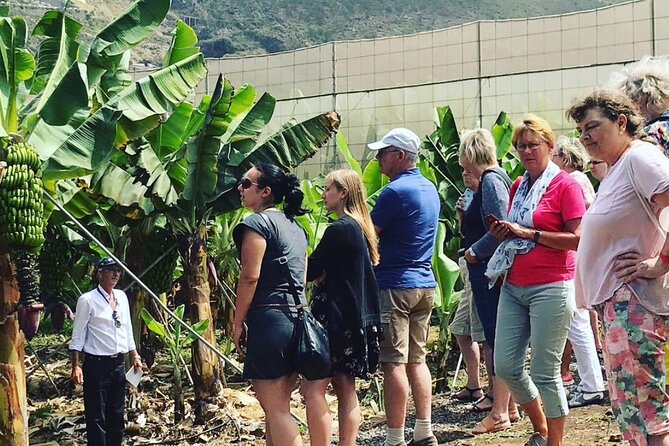
If you only picture Tenerife as beaches and viewpoints, this tour is a wake-up call in the best way. The setting is the north coast area around La Orotava’s El Rincón, and you’re not watching bananas on a postcard. You’re walking right through where they’re grown, guided by the people who manage the place.
What makes it more than a quick “look at plants” moment is the sustainability angle. The farm describes itself as living in a system that’s about 95% self-sufficient, and that theme shows up through how the owner explains the cultivation, the rhythms of harvest, and the day-to-day eco approach. You’ll leave with a clearer picture of what “organic/ecological” means in real farm terms, not just a label.
And yes, the tastings help you connect the dots. After you learn how the plants are handled, you can try a fresh banana snack and then the local banana liqueur. That turns the tour from theory into something you can remember.
The price is also fair for what you get: a guided walk plus tastings, in a small group, in a working farm setting. If you’re the type who likes food and farming stories, this fits.
You can also read our reviews of more tours and experiences in Tenerife.

Meeting at Merendero El Rincón and timing your morning
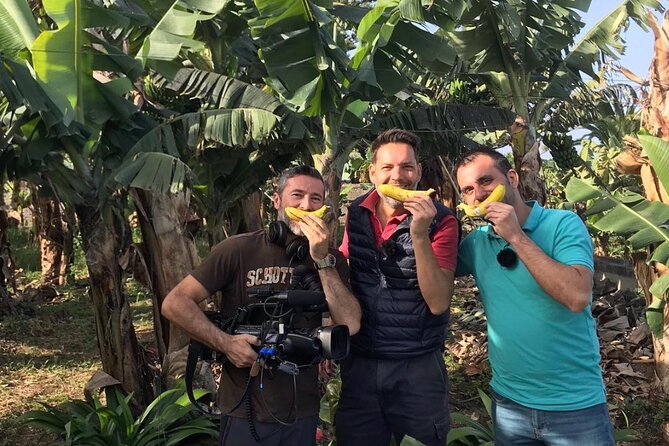
You meet at Merendero El Rincón Zona Recreativa, 38314, in Santa Cruz de Tenerife, and the experience ends back at the same meeting point. It’s a short, loop-style visit, so you’re not stuck wondering how to get back or how far you’ll wander.
The tour is about 1 hour total, and the guided portion is listed as 45–55 minutes. That timing is great if you’re packing a north-coast day and want something meaningful without losing half your day to transfers and waiting. It’s also long enough to talk through banana growing basics, and short enough that you won’t feel restless halfway through.
Plan for a little “farm walk realism.” This is outside, and the tour notes recommend comfortable shoes and a light jacket. Even in warm weather, it can feel cooler when you’re shaded under plants, walking slowly with the group.
One more practical point: it’s offered with a mobile ticket, and it’s said to be near public transportation. If you’re not renting a car, this is a good sign. If you are renting a car, you still want to build in time for finding the meeting area calmly, because small rural locations can be easy to miss when you’re rushing.
The 45–55 minute owner-led walk: what you’ll learn as you go
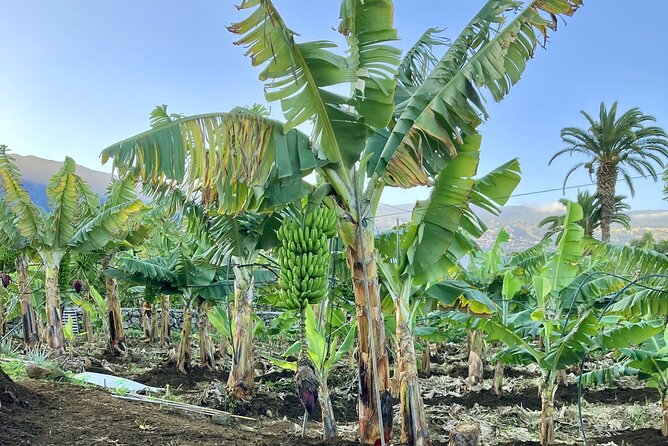
This is the heart of the experience: a guided walk through an ecological banana estate in El Rincón. The tour is led by the finca’s owner, and that matters. You’ll hear the story from someone who lives with the results, not someone reading from a script.
Here’s what you can expect from the walk itself:
- How banana plants are grown and harvested in an ecological system
- Why the plantation approach matters for the island and for long-term farming
- Close-up plant time, so you can see the trees up close rather than from a distance
The guides are repeatedly praised for being clear and friendly, and English is available. Names that show up in feedback include Ivan and Miguel, both described as helpful and accommodating. You won’t need perfect Spanish to enjoy it, since English explanations are offered, though you might still hear bits of Spanish alongside the English.
You’ll also pick up some banana “wow” facts that make the plant feel less mysterious. For example, one common takeaway is that the banana is treated like a herb, and fruiting happens in a specific life cycle. You may hear details like how only a certain stage of leaf growth precedes banana production, and what happens after the plant finishes fruiting. It’s the kind of information that changes how you look at bananas in the supermarket afterward.
Another part that feels genuinely Tenerife is the practicality of sustainability on a farm. The tour emphasizes that this finca is designed to be highly self-sufficient, and the owner’s explanations are geared toward how that works in daily decisions. If you like questions like where inputs come from and how the farm keeps going without waste, you’ll likely enjoy the answers.
Banana tastings and the liqueur shot: the payoff at the end

The tour doesn’t end with a vague “and then you’ll taste something.” You get specific tastings: a fresh banana snack plus a sweet shot of local banana liqueur. This is one of those small touches that make the visit feel complete, like you’re not just walking for photos.
The liqueur is described in feedback as delicious, and it’s easy to see why. The whole point of farming tours is to connect labor with flavor, and here you do that quickly and directly. You’ll have the banana in your mouth right after you learn about how it grows, and then the liqueur adds a sweet, local twist.
If you’re picky about strong flavors, keep this in mind: it’s listed as a shot, and liqueur tends to be concentrated. You should be prepared for that sweetness. On the flip side, if you like local spirits and tasting small samples, this is a nice way to try something from the farm itself without making it a long bar stop.
There’s also a “support the farm” element. Some people mention buying small products like baby plants or honey if available. The tour data confirms purchases are possible in some form (a note mentions banana honey), but the exact items can vary day to day, so treat it as a “might be there” bonus rather than a guaranteed souvenir.
Group size, crowd control, and why the small cap matters
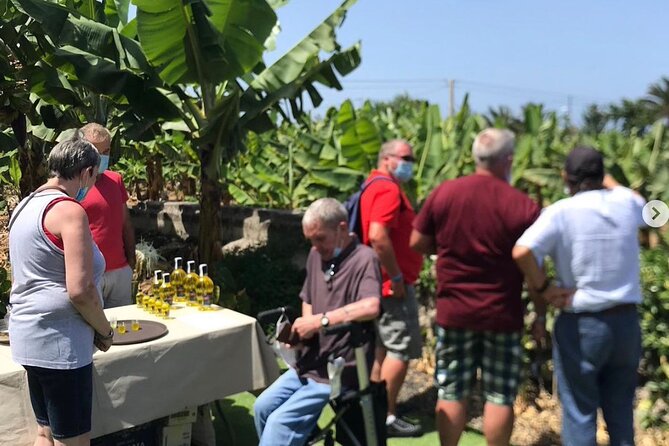
This experience is intentionally small. It’s capped at 15 travelers, and there’s also a stated maximum of 50 travelers. Either way, the goal is the same: more personal time with the owner and fewer people to compete for answers.
The practical value of a smaller group is simple. You move through the plantation at a slower pace, you get time to ask questions, and you notice details like leaf structure and fruiting stages. Banana farming has a lot going on, and a big crowd can turn it into a fast shuffle with no real conversation.
The tone is also described as friendly and fun, with guides telling the process like a story. If you’re traveling with kids, this tour seems to work well because it’s not overly technical for adults but still has real facts. One highlight in feedback is that families enjoyed it because it stayed interesting while walking and then delivered taste at the end.
Language-wise, English is offered. Some guides are noted as speaking slowly and clearly, which is a plus if you’re listening on the go and don’t want to fight through fast speech while standing among plants.
What to pack for a farm walk (and how to handle the flies)
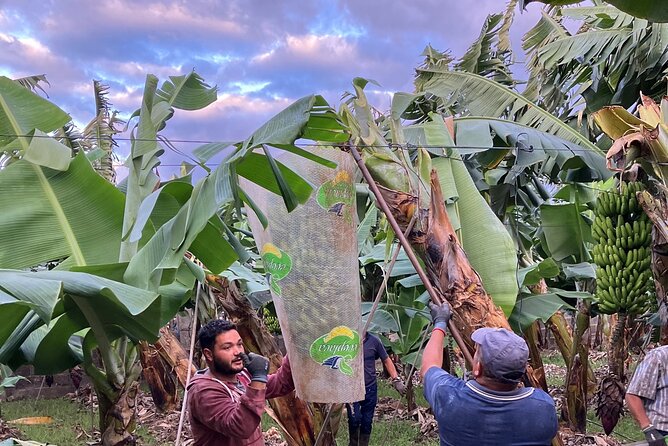
Plan for an outdoor walk on a working plantation. The tour recommends comfortable shoes and a light jacket, and I strongly agree with the footwear part. Even if the walk is only about an hour, farm paths can be uneven.
The other item is not glamorous but it matters: flies. Feedback specifically calls out flies that can annoy you, and the response is practical: bring long clothes. You don’t have to dress for a winter hike, but light long sleeves or long pants can make the experience smoother.
A few additional pointers that help you enjoy the tour more:
- Wear breathable layers so you don’t cook while standing in the shade.
- Bring a light repellent if you’re sensitive to bites.
- Expect you’ll be outdoors for the full guided portion, even if the pace is relaxed.
This is also one reason the timing works so well. You’re not trekking across the island. You’re doing a concentrated, high-reward walk where a little preparation keeps the whole thing pleasant.
Price and value: does $24.20 really make sense?
At $24.20 per person for about 1 hour, you’re paying for four things: a guided walk with a farm owner, small-group limits, tastings (banana snack plus banana liqueur), and a visit to an ecological working plantation that you likely won’t stumble upon on your own.
Is it “cheap”? No. But it also isn’t priced like a fancy attraction. It’s priced like a personal farm experience where labor and expertise matter. The tastings are a real part of the value, not a token. And the owner-led format is also a value driver. When the person running the farm guides the walk, you get clearer answers and a better sense of what sustainability costs and takes.
If you’re comparing this to other food tours on Tenerife, the differentiator is direct farming. You’re not just eating. You’re learning how the food is made, then tasting it.
For me, the best value signal is the small cap at 15 travelers. That means you’re more likely to get your questions answered without the guide rushing you through. For an hour, that kind of attention is worth paying for.
Who should book this eco banana farm tour?
This is a great fit if you:
- Want a real, working farm experience on Tenerife, not just a scenic stop
- Like sustainability topics and practical explanations of how a farm functions
- Enjoy food, especially when it’s tied to a place and a local product
- Prefer smaller groups and a guided walk with time for questions
It may not be the best fit if you’re expecting a lot of dramatic entertainment. This tour’s strength is calm learning and farm atmosphere, plus tastings. It’s not a show, and the pacing won’t be “theme park fast.”
Also, it’s stated that most travelers can participate. If you have mobility concerns, you should confirm how the path feels underfoot, but at least the activity is described as accessible to most people. Service animals are allowed, which is good to know.
Should you book the Eco banana farm tour in Tenerife?
If you’re on Tenerife’s north side (or you can plan a day around La Orotava), I think this is one of the more meaningful “small” tours you can book. You get a genuine look at banana farming in an ecological system, and you finish with tastings that actually match what you learned.
Book it if you want:
- Close-up banana learning in a small group
- A quick, high-value farm stop that fits into a day
- Banana snack plus banana liqueur, made by the people behind the plantation
Skip it if:
- You hate outdoor walks in the presence of insects (even with long clothes)
- You only want big, visual-only sights and don’t care about how farms work
FAQ
How long is the Eco banana farm tour?
The experience lasts about 1 hour. The guided finca tour portion is listed as 45–55 minutes.
What tastings are included?
You get a fresh banana snack and a sweet shot of local banana liqueur.
Is the tour available in English?
Yes. The tour is offered in English.
Where do I meet, and when does it end?
You start at Merendero El Rincón Zona Recreativa, 38314, Santa Cruz de Tenerife, Spain, and the activity ends back at the meeting point.
How many people are in the group?
The tour is capped at 15 travelers, and there is also a maximum of 50 travelers stated for the activity.
What if I need to cancel?
You can cancel for a full refund if you cancel at least 24 hours before the experience’s start time.