REVIEW · LA PALMA
La Palma : Tour of an ecological farm w/ animals & tasting
Book on GetYourGuide →Operated by Ecofinca Tacande · Bookable on GetYourGuide
A working farm with animals beats a museum day. Ecofinca Tacande is a guided walk through a regenerative ecological farm in the heart of La Palma, then a close-up tasting of local products from the island and from the property. You’ll roam with views of Canarian pine and mountains, meet farm animals, and finish with a careful, farm-based tasting that changes with the season.
What I like most is how hands-on it feels. You can observe, touch, and smell crops, then learn how the farm’s organic approach has been built over more than 30 years of experience. The other big win is the food: the tasting is thoughtful, from farm fruits and honey to palm products, cheeses, and wines.
One thing to consider: this is an outdoor walking experience, so comfortable shoes and weather awareness matter. Even if the route is friendly, you’re on a working farm path, not a smooth indoor stop.
In This Review
- Key highlights to know before you go
- Ecofinca Tacande: a farm tour where learning starts with your senses
- The 1-hour farm walk: proteas, orchards, and the animals that make it fun
- What you learn about regenerative agriculture (without the textbook tone)
- The tasting hour: honey, citrus, figs, and seasonal farm products
- The views and the pace: what makes the setting feel special (and what to watch for)
- Price and value: is $53 worth it?
- Who this tour suits best on La Palma
- Practical tips so you enjoy every part
- Should you book Ecofinca Tacande?
- FAQ
- How long is the Ecofinca Tacande tour?
- What does the tour include?
- What can I taste during the tasting?
- What animals will I see?
- Where do I meet the guide?
- What languages is the tour offered in?
- Is there free cancellation?
Key highlights to know before you go
- Proteas and prehistoric flowers: you’ll see the farm’s standout plantation up close
- A real animal mix: donkeys, horses, ducks, and bees are part of the day
- Your senses are the guide: touch, smell, and taste as you learn
- A two-part timing plan: about 1 hour walking, about 1 hour tasting
- Seasonal fruit and farm honey: what you try depends on what’s growing
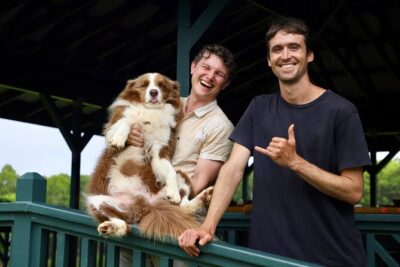
- Eva’s personal hosting style: friendly, proud, and detail-focused
Ecofinca Tacande: a farm tour where learning starts with your senses
If you like your travel experiences to feel practical, this is a great fit. Ecofinca Tacande is not trying to impress you with big set pieces. It’s a working ecological farm in a privileged spot, surrounded by Canarian pine and backed by mountains—so you get both nature and agriculture in the same hour of walking.
The tour’s structure is simple. You’re guided through different crops and animals, and you’re encouraged to use your senses, not just your eyes. That makes it easy to stay engaged, even when you’re not an agriculture nerd. And the finish matters too: you don’t just hear about produce. You taste it, including items from the farm itself.
At the center of the experience is the family-run, organic approach. With over 30 years of experience in regenerative ecological farming, the guide can explain not only what’s grown, but why it’s grown that way. It’s the difference between sightseeing and understanding how a place works.
The 1-hour farm walk: proteas, orchards, and the animals that make it fun
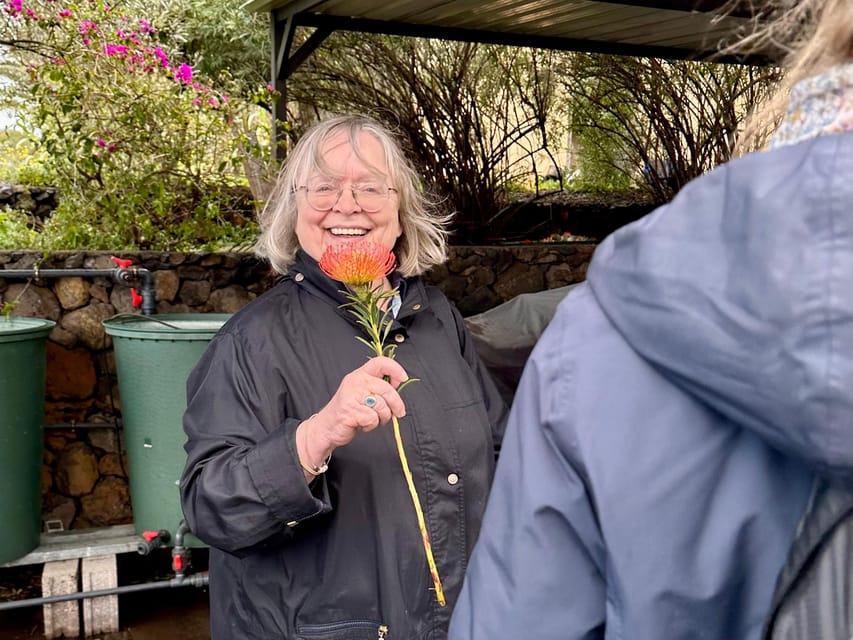
The walk is about an hour, and the pacing is steady—enough time to stop, look closely, and interact. You’ll move through the farm’s orchards and fruit trees, and you’ll also spend time with the standout feature: a beautiful proteas plantation.
Proteas are often sold as ornamentals, but here you see them as part of an ecosystem on an actual working farm. The guide frames them as exotic, almost prehistoric-looking flowers. You’ll have time to slow down and really look, which is where the value kicks in. A quick photo is one thing. Seeing the plant in its real setting is another.
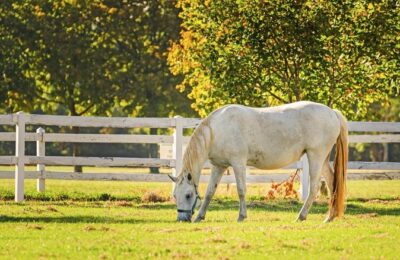
Then comes the part that lifts the whole tour from informative to genuinely memorable: the animals. The farm lets you meet donkeys, horses, ducks, and bees. Even if you’ve seen animals elsewhere, the context is different here. You’re learning how agriculture connects to animal life and pollination.
A couple details that make the walk feel welcoming:
- You’re not limited to watching. You can observe, touch, and smell different crops.
- You’ll get the chance to try small portions of certain things during the tour itself, not only at the table.
And yes, the farm has that friendly “everyone has a job” feeling. You’ll likely leave thinking about agriculture as something alive, not just something that shows up in the supermarket.
What you learn about regenerative agriculture (without the textbook tone)
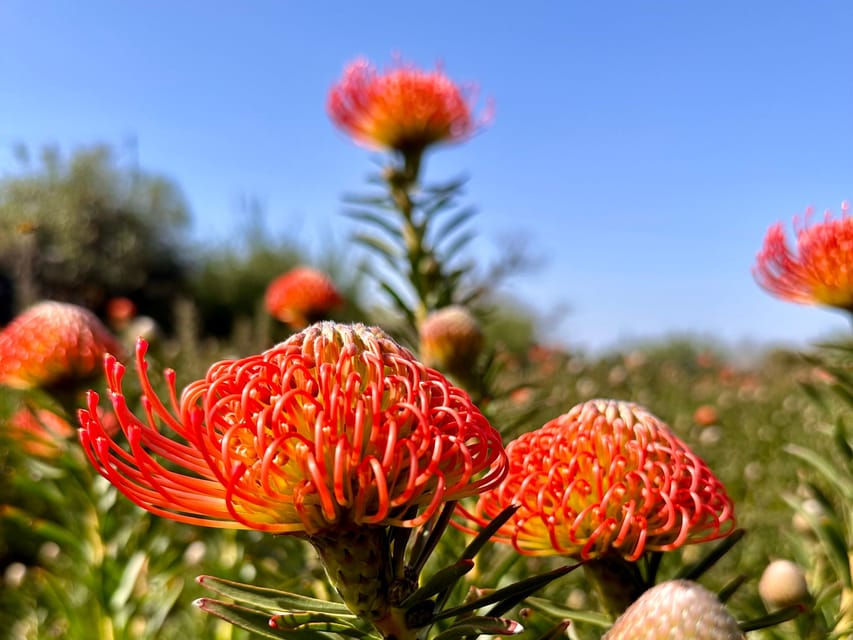
You don’t need to know farming terms to get value from this tour. The best part is that the guide explains regenerative agriculture through everyday observations: what you can smell, what you can see growing, and what you can connect to the animals around it.
The setting helps. When the farm is surrounded by pine and mountains, you naturally pay attention to how wind, light, and soil health affect plants. That makes the explanations stick. Instead of repeating abstract promises, the guide shows how the farm’s organic methods shape what grows.
One of the most practical takeaways is how the farm handles diversity. You’re not walking through a single crop field. You’re seeing proteas, orchards, and fruit trees, plus the pollinator side of the equation. That variety matters for sustainability, because different plants and insects support different needs on the farm.
It also changes how you taste later. When you know where something came from and what it looks like on the plant, you pick up more nuance at the tasting table.
The tasting hour: honey, citrus, figs, and seasonal farm products
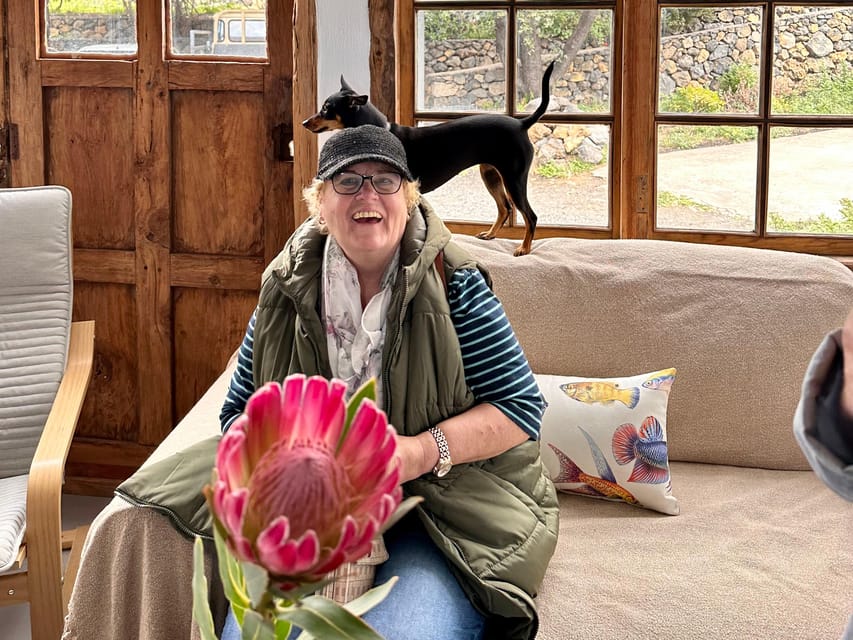
After the walk, the experience shifts to the table. The tasting usually takes about one hour, and it’s clearly designed to be more than a quick snack.
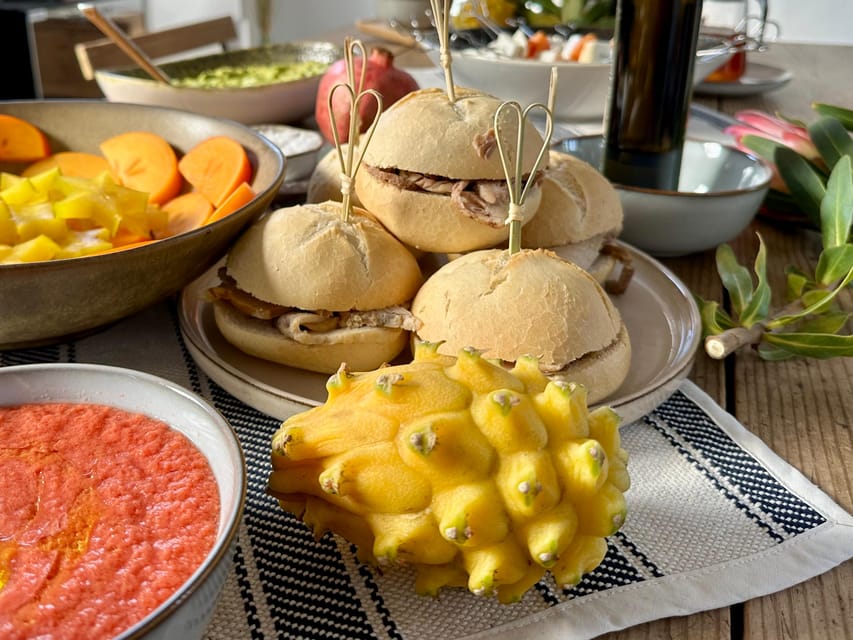
Here’s what you can expect to taste, depending on the season:
- Honey from the farm
- Avocados
- Pitahaya
- Figs
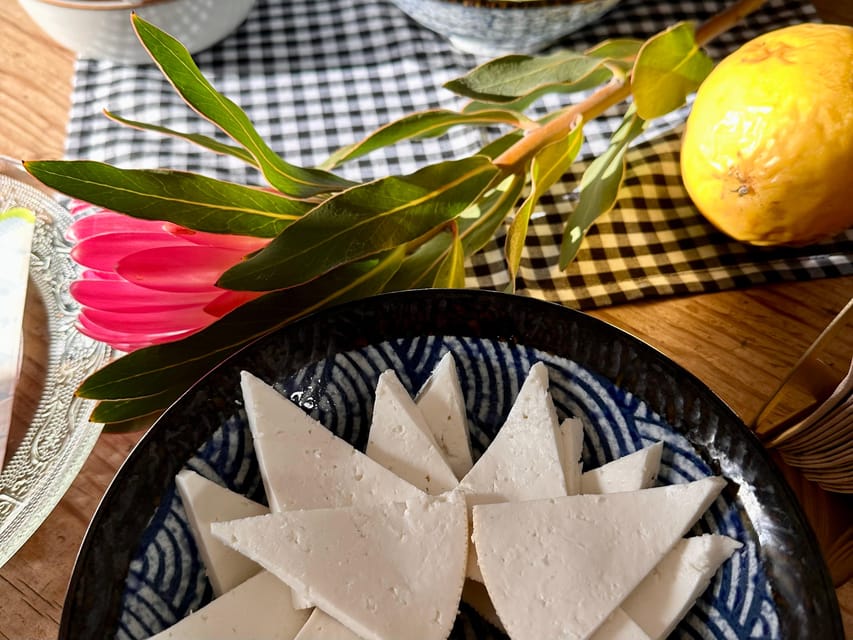
- Herbs and citrus fruits (like lemons and oranges)
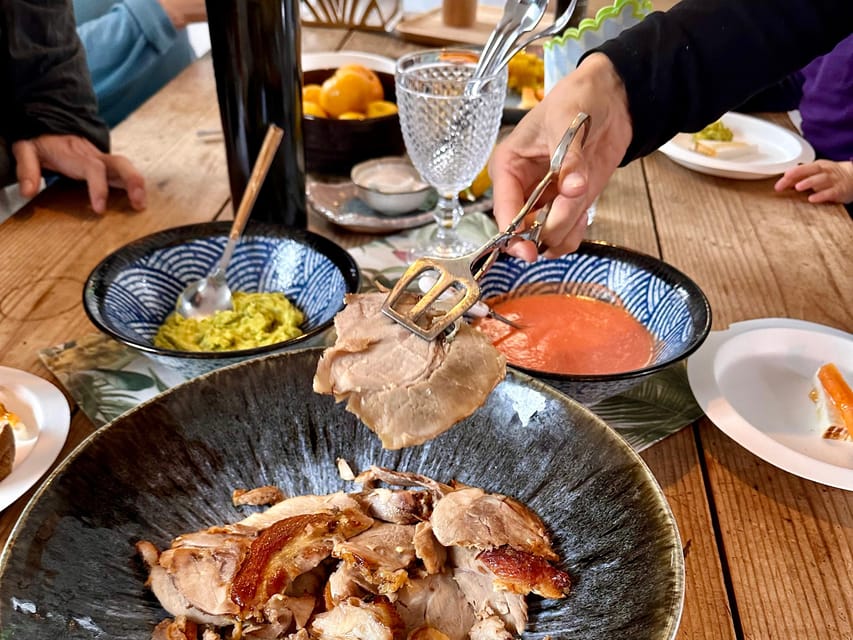
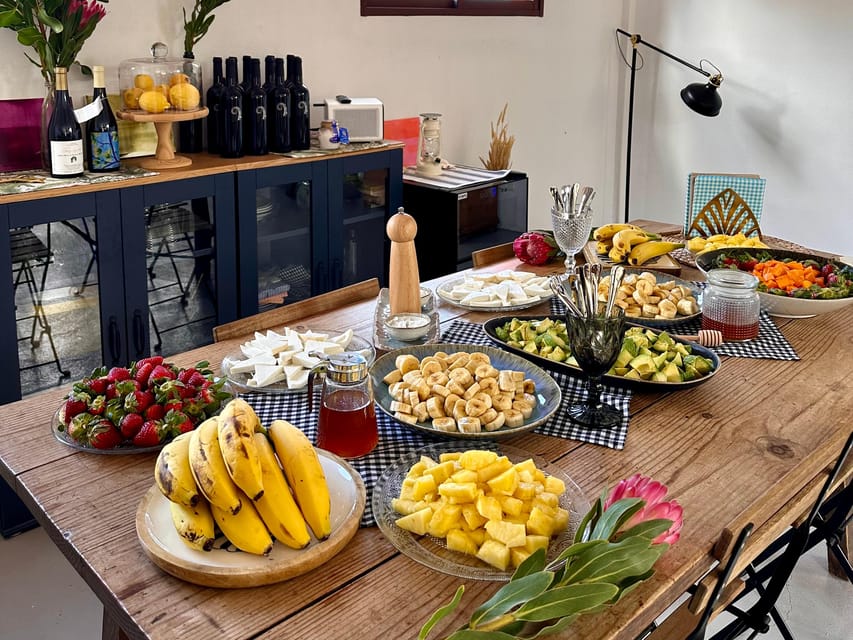
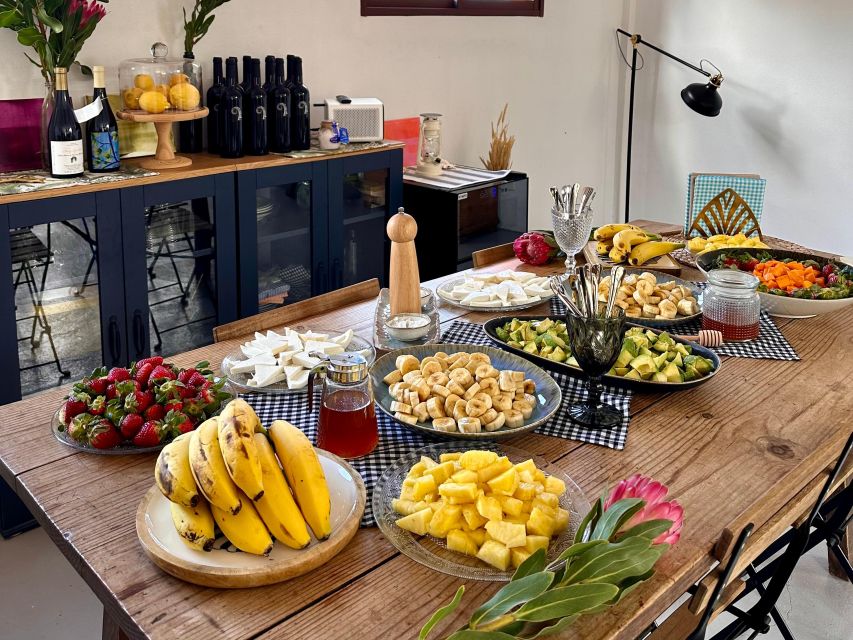
The tasting also includes a careful selection of other local items, including palm products, cheeses, and wines, plus fruits. The “from the farm” part is important. It’s not just a buffet of local brands; you’re tasting foods tied directly to the land you just walked on.
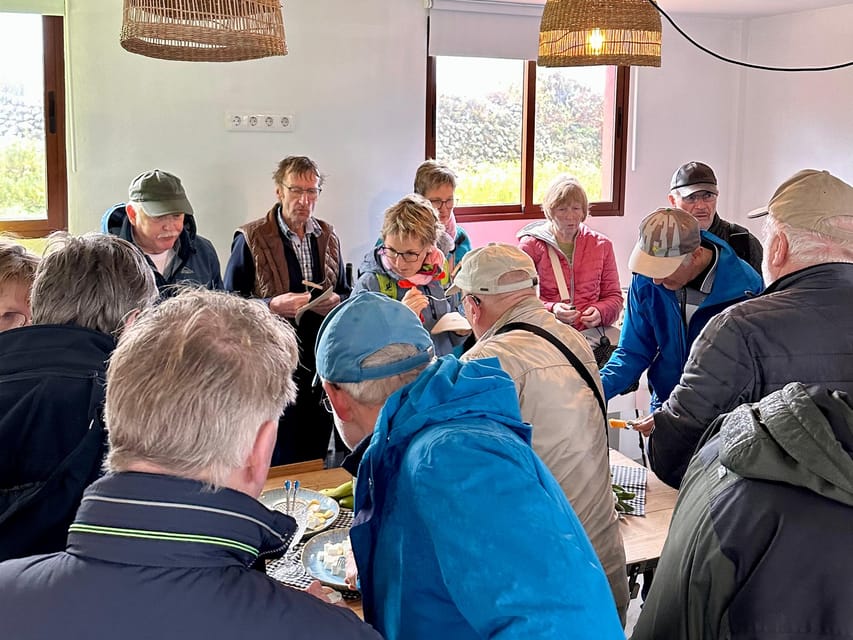
I like how the tasting is set up to match the tour’s sensory focus. If the walk was about smelling and touching, the tasting is about noticing. You’re invited to taste thoughtfully, not rush through it.
One practical benefit: if you’re visiting La Palma for the food but don’t want a full restaurant meal schedule, this is a smart middle option. You get farm context and a set of real flavors in a compact timeframe.
The views and the pace: what makes the setting feel special (and what to watch for)
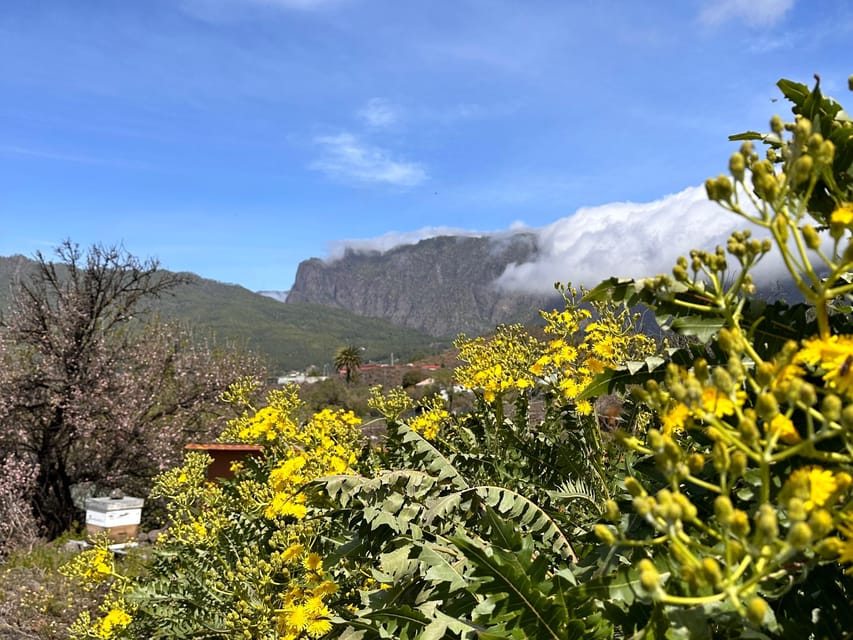
Ecofinca Tacande sits in a “privileged environment,” and you’ll feel that from the moment you start walking. You’re among Canarian pine with mountain views, which helps break up the time. Even if you focus mostly on plants and animals, you still get air and space.
The pace is also worth noting. The plantation portion is about one hour, and the tasting is another hour. That means you’re not stuck on an all-day timeline. For many people, it’s an easy match for a morning or early afternoon slot, especially if you’re touring other parts of La Palma later.
What to watch for:
- Because it’s outdoors on an ecological farm, wear shoes that handle uneven ground.
- If you’re sensitive to strong smells, remember the experience explicitly leans into smell and touch during the walk—so it’s not just a “look only” tour.
- If you’re traveling with kids, the animal component is a big plus, but you’ll still want to keep expectations realistic for a farm walk.
Price and value: is $53 worth it?
At $53 per person for a 2-hour experience, this tour sits in the “reasonable” zone for La Palma. The value isn’t only that you get food—it’s that you get a full chain of context: plants and animals first, tasting second.
Here’s where the math feels good:
- You’re paying for guided time (live guide in Spanish and English).
- You’re getting a structured walk (about 1 hour).
- You’re getting a tasting (about 1 hour) that includes farm products plus local items like cheeses and wines.
- You’re also paying for a small, hands-on experience where you interact with the farm environment, not just observe it.
You’d spend a similar amount on a short meal somewhere else, but you wouldn’t get the same “this is how it grows” perspective. If you care about sustainable farming and want to taste island produce in a direct way, this price usually feels fair.
If you’re the type who hates walking or smells (even good ones), the value drops a bit. This is not a sit-and-watch attraction. It’s an active farm experience.
Who this tour suits best on La Palma
This tour fits best if you want something real and calming.
You’ll likely love it if:
- you enjoy food that has a story tied to where it came from
- you want a break from only driving viewpoint-to-viewpoint
- you like hands-on travel: smelling herbs, seeing plants up close, meeting animals
- you’re traveling with friends who enjoy practical learning, not just photos
It may feel less ideal if:
- you’re limited in mobility and need fully paved, flat routes (the data doesn’t spell out step-free accessibility)
- you’re expecting a huge wildlife safari or a long walking hike—this is a farm visit, not a trek
For families, the animal side makes it promising. The tour’s tone also sounds welcoming, and there’s a personal, friendly feel with the guide.
Practical tips so you enjoy every part
A few things to help you get the most out of the 2-hour format:
- Bring comfortable shoes. Farms are not gym floors.
- Plan for an outdoor experience. Light layers help, especially with mountain wind.
- Come hungry enough for tasting. This isn’t a tiny sample cup situation.
- If you’re a citrus or honey fan, you’re in the right place—those are core parts of the experience, and the exact fruit list depends on what’s in season.
- If you’re doing multiple activities in one day, give yourself a buffer. After the tasting, you’ll likely want a calm moment rather than jumping straight into a long drive.
Should you book Ecofinca Tacande?
Yes, book it if you want a La Palma experience that connects farming, nature, and food in a way that feels personal and grounded. At $53, the value is strongest when you care about regenerative agriculture, taste farm products you can picture on the plant, and enjoy animal encounters as part of the learning.
Skip it (or at least lower your expectations) if you want a purely scenic viewpoint stop, or if you don’t want to smell and touch things on a working farm. This is a hands-on day built around interaction.
If you’re deciding between “food tour” and “nature tour,” this one blends both—and you’ll come away with more than just flavors. You’ll understand how a place like Ecofinca Tacande turns careful farming into everyday taste.
FAQ
How long is the Ecofinca Tacande tour?
The experience lasts about 2 hours. The plantation visit is about 1 hour, and the tasting usually lasts about 1 hour.
What does the tour include?
It includes a guided tour of the plantation and a tasting of local products from the farm.
What can I taste during the tasting?
The tasting can include honey, avocados, pitahaya, and figs depending on the season, plus a careful selection of palm products, cheeses, wines, and fruits.
What animals will I see?
You can interact with donkeys and meet horses, ducks, and bees during the visit.
Where do I meet the guide?
You can come directly to Ecofinca Tacande. You can also park at the restaurant La Cascada (M42Q+G3 El Paso) and walk about 15 minutes to the farm.
What languages is the tour offered in?
The live tour guide speaks Spanish and English.
Is there free cancellation?
Yes. You can cancel up to 24 hours in advance for a full refund.