REVIEW · PHNOM PENH
Phnom Penh Kampot Kep Tour “Pepper Farm, Salt Field, Crab Market”
Book on Viator →Operated by Cambodia Tourist Car · Bookable on Viator
Phnom Penh to Kep in a single day. This is a smart, high-value route through Cambodia’s coast and countryside, with stops that feel different from each other, not cookie-cutter photo stops. You’ll start early (7:30 am) and keep moving in an air-conditioned vehicle, then end at Kep’s seafood scene after a pepper farm visit.
What I like most is the mix of hands-on farming and local food, not just sightseeing. The La Plantation stop is especially good, because you learn how Kampot pepper is grown and processed and you get a clear sense of why this region’s pepper matters. I also like the way the day includes both quiet countryside moments (like the dam-lake area) and a lively market stop in Kep.
One thing to watch: the schedule is long, and some roads can be tiring, especially if you’re sensitive to winding dirt tracks. Also, salt fields are only available during the dry season, so the “salt” part can depend on timing.
In This Review
- Key highlights at a glance
- Leaving Phnom Penh: the 160 km start that sets the tone
- Kampot’s old bridge and river views
- Phnom Chhngok Cave Temple: pretty views, a bit of effort
- Brateak Krola (Secret Lake): a short stop with heavy context
- La Plantation pepper farm: black, red, white, and why it matters
- Salt fields in Kampot: great timing, but only in the dry season
- Kep crab market: seafood culture plus real bargaining energy
- Kep Beach photo time: quick coastal contrast
- Transportation, pace, and group size (the stuff that makes or breaks a day)
- Who this tour suits best
- Price and value: what $89 buys you
- Should you book this Phnom Penh–Kampot–Kep day trip?
Key highlights at a glance
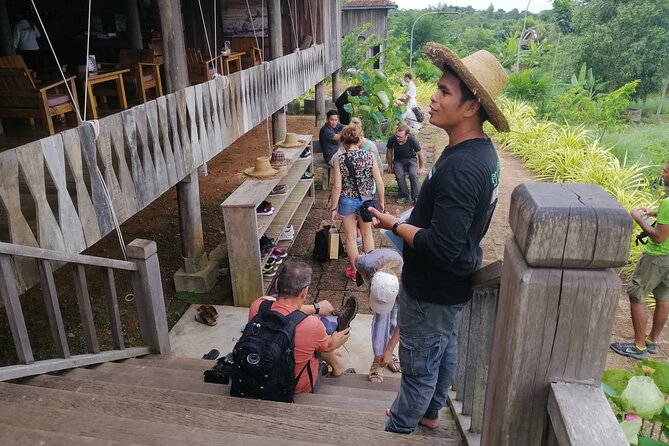
- 7:30 am departure: an early start that helps you reach Kampot and Kep without rushing the whole day.
- La Plantation, Kampot pepper: see how black, red, and white pepper are produced, plus how processing works.
- Brateak Krola (Secret Lake): a man-made dam you view during a quick, scenic stop.
- Phnom Chhngok Cave Temple area: pre-Angkorian-style temple time with a countryside approach.
- Kep Crab Market: watch fishermen bring in catch, then bargain with vendors for seafood.
- Small group: capped at 12 travelers, which makes the day feel more relaxed than big buses.
Leaving Phnom Penh: the 160 km start that sets the tone
The day kicks off at 7:30 am with pickup from your Phnom Penh hotel, then a transfer to Kampot (about 160 km, around 3 hours). The vehicle is air-conditioned, and that matters on a long coastal-countryside day when the weather can stay warm.
You also get bottled water along the way. In my book, that’s a small inclusion that keeps the day from turning into a “buy drinks every stop” scavenger hunt.
If you’re staying in Kampot or Kep instead of Phnom Penh, you’re still in the right place: you can be dropped off at your hotel in Kampot or Kep on the return.
Kampot’s old bridge and river views
In Kampot, you’ll begin with a look at the iron bridge that crosses the Kampot River. It’s an old bridge tied to the French colonial era, and it’s a nice “settle your eyes” moment after the drive—river, bridge, and the town’s laid-back pace.
You’ll then move through older buildings and continue toward the Phnom Chhngok area. This part works well because it’s not just one monument. It’s a compact introduction to Kampot’s layers, before the countryside starts to take over.
Expect this segment to be quick, around the first half-hour slice of the day. That’s ideal if you want your sightseeing to feel efficient, not dragged out.
Phnom Chhngok Cave Temple: pretty views, a bit of effort
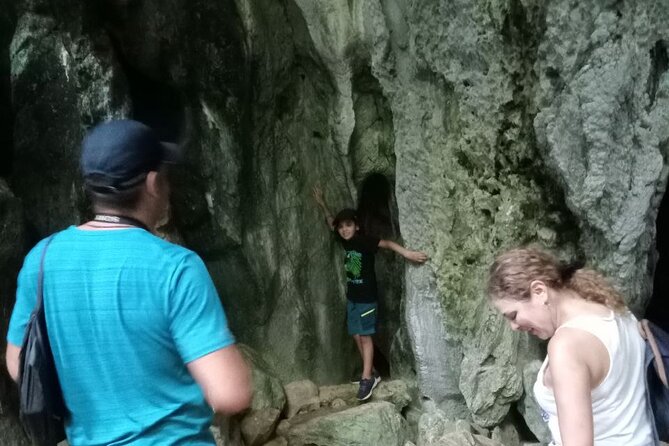
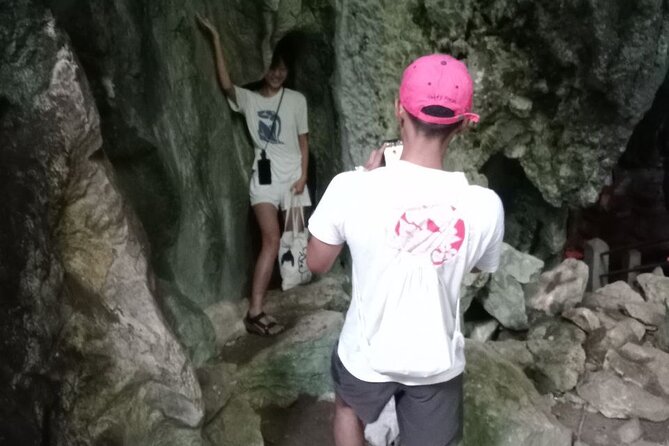
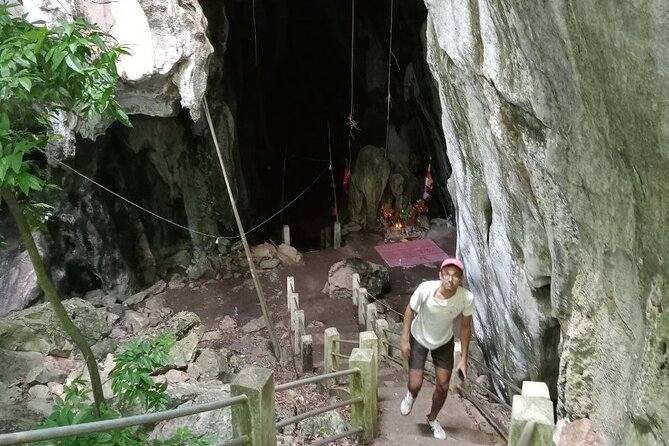
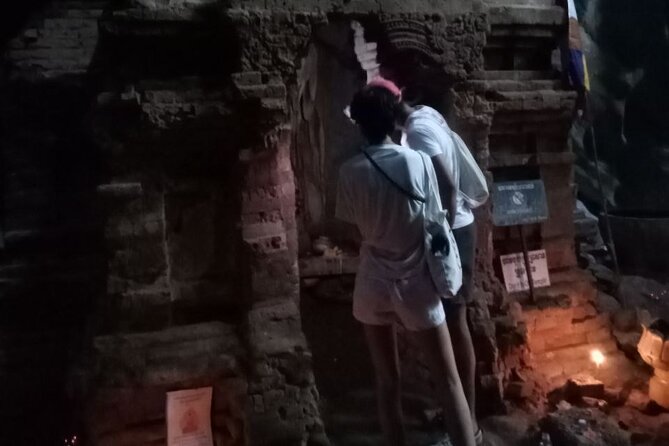
Phnom Chhngok Cave Temple is the kind of stop that rewards you if you like temples with a sense of place. You’ll spend about an hour here, and the approach is part of the experience.
The route to the temple is off the road toward Kep, and the winding dirt road can be tiring. If you’re prone to motion sickness or you don’t love bumpy roads, bring it up before the trip or sit where it feels most comfortable to you. The good news is that even with the effort, the countryside views during the drive are the payoff.
Admission is included for this stop. Plan to take your time walking around the temple area, but don’t expect this to be a “wander for hours” stop. The day stays structured, so you’ll want to balance photos with time to actually enjoy the place.
Brateak Krola (Secret Lake): a short stop with heavy context
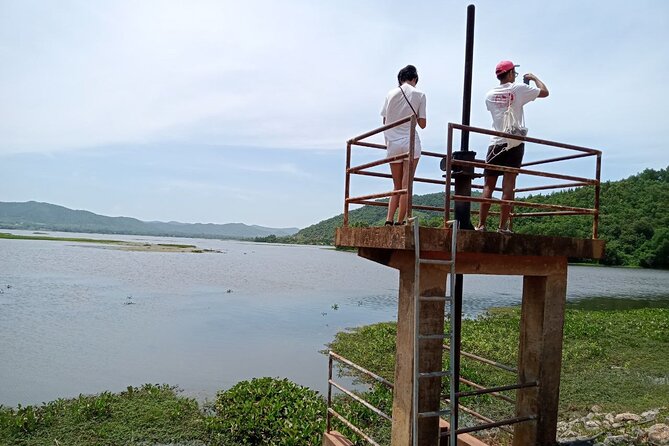
Next up is Brateak Krola Lake, often called Secret Lake. Here’s the key detail: it’s not really a natural lake—it’s a large man-made dam.
This stop comes with historical weight. During the Khmer Rouge era, a dam was built using slave labor, and the results shaped the landscape you see today. The tour gives you time to experience the scale, but the context makes it more than scenery.
You’ll have about 15 minutes at this stop, so treat it as a quick pause. Look, breathe, take a few photos if conditions are good, and then move on. With a short timeframe, this is best for people who can handle reflective stops without needing a long guided lecture.
Admission is included, and since it’s quick, it doesn’t disrupt the day’s overall rhythm.
La Plantation pepper farm: black, red, white, and why it matters
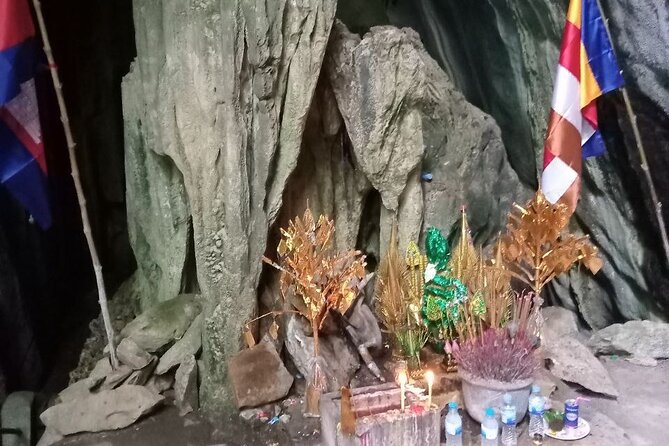
This is the stop I’d center the whole trip around. La Plantation is a social and sustainable family project that blends traditional farming with modern processing, and you’ll get around 2 hours here.
You’ll learn how Kampot pepper is produced in different forms—black, red, and white. That breakdown is useful because pepper can sound like a generic product until you see how processing changes the final taste and color.
This stop includes the only live guide time in the itinerary (English or French-speaking guide at Pepper Farm). That’s a smart design for a tour like this: you get the most detailed explanation when it counts, then the rest of the day stays smoother.
What I like about this kind of farm visit is that it connects a product you might buy later to what actually happened first. By the time you walk away, you’re not just thinking about a souvenir. You understand what you’re paying for and why Kampot pepper has a reputation beyond its looks.
If you’re the type who loves food details—how it’s grown, how it’s processed, why it’s different—this will feel like the most “real” part of the day.
Salt fields in Kampot: great timing, but only in the dry season
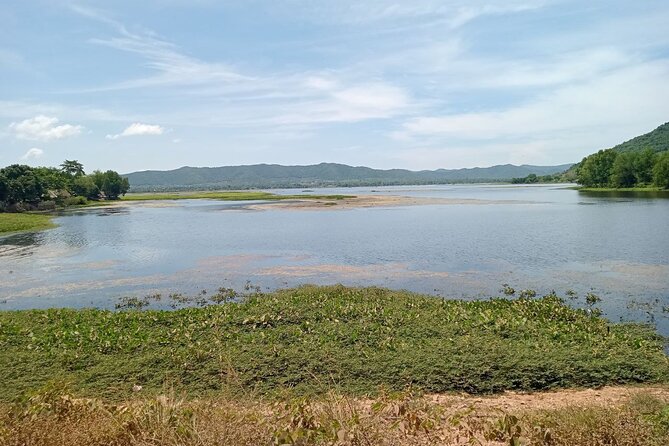
Salt fields are part of the promise, but there’s a practical catch: salt field visits are available only during the dry season. If your travel dates fall outside that window, you might miss that specific experience.
Still, the broader Kampot countryside portion is worth it even if salt isn’t available on the day. The farm visit and the dam-lake stop already deliver a strong “how people shape land” theme.
If salt fields are a must for you, plan ahead and line up your travel month with the dry season. That’s the difference between checking off the full title of the trip and having part of it become a placeholder.
Kep crab market: seafood culture plus real bargaining energy
After the countryside, the day shifts gears in Kep with the crab market stop. You’ll spend about an hour here, and it’s a great change of pace from temples and farms.
This is where you can learn how Cambodian seafood culture works in practice. You can watch fishermen bring in the catch, then talk with vendors. Bargaining is part of the experience, and the market vibe is more interactive than many tourist-focused food stops.
It’s also a good place to reset your instincts. Instead of passively taking photos, you’re dealing with price, freshness, and what’s available right now. That can be fun if you enjoy lively market energy.
Meals aren’t included on this tour, so you’ll decide what you want to eat (if anything) at the market. If you do plan to order crab or other seafood, you’ll be grateful you’re here with enough time to actually choose.
Kep Beach photo time: quick coastal contrast
Your final stretch includes Kep Beach for a photo, plus the chance to take in the sea breeze before heading back. It’s brief by design, but that’s exactly what makes it work after a full day inland.
This photo stop helps you put the whole trip in perspective: you started with river and countryside, you visited production sites, and now you see the coast where seafood comes from.
If you want more beach time than the tour offers, consider building a little extra night or two in Kep afterward. The day gives you a taste, not a long linger.
Transportation, pace, and group size (the stuff that makes or breaks a day)
This tour runs about 8 to 10 hours, starting at 7:30 am. That’s a full day, not a “light sampler,” so I’d treat it as your main outing rather than something tacked onto a schedule with other plans.
The group is capped at 12 travelers, and that helps keep the day from feeling like a cattle call. Pickup is offered, and you’ll have an English-speaking driver for the full route, plus the pepper farm guide in English or French.
In real-world terms, what you want from a tour like this is smooth logistics and a driver who knows how to manage time without rushing. The experience includes a spacious, comfortable car, and one of the strongest repeated positives is that the driver named Simon felt helpful and safety-first. You’ll also notice the practical touches like plenty of water.
One scheduling note: the day can run longer than expected. If you’re trying to catch a late dinner reservation or an evening flight, keep some buffer.
Who this tour suits best
This is a strong match if you want one day that covers a lot of Cambodia’s different “moods”: river and old French-era architecture in Kampot, a temple visit with countryside travel, a dam-lake stop with real historical context, and a lively coastal seafood market.
You’ll probably enjoy it most if you like:
- food-focused sightseeing (pepper production and seafood culture)
- cultural stops that still feel practical and scenic
- a small group and an English-speaking driver for clarity
If you only want deep temple exploration or long beach time, you might find the pace a bit tight. It’s built to see multiple places, not to stay in one place.
Price and value: what $89 buys you
At $89 per person, you’re paying for a whole-day transfer between cities, an air-conditioned vehicle, a driver, bottled water, and included entrance fees. You’re also getting structured time at the pepper plantation and crab market, which are the two stops most likely to create the “why is this different” moments of the day.
Meals aren’t included, so you’ll still need to budget for food at the crab market (or bring your own if you prefer). Tips for the driver are also not included.
But overall, I see the value in the mix: you’re not just paying for travel time; you’re paying for access to specific sites (including entrance fees) and guided insight at the pepper farm. For many people, that’s the difference between a cheap day trip and a day trip you actually feel good about.
Should you book this Phnom Penh–Kampot–Kep day trip?
Book it if you want a well-packaged day that connects Kampot’s farming with Kep’s seafood culture, while still sprinkling in temples and countryside scenery. The pepper farm at La Plantation is the standout component, and the crab market adds real local energy that feels like part of daily life, not a staged show.
Skip it or adjust expectations if salt fields are your main goal and your dates aren’t in the dry season. Also, if winding dirt roads make you uncomfortable, plan to take the journey in stride.
If you’re doing Phnom Penh to Kampot and Kep anyway, this is a solid way to see a lot without having to coordinate multiple rides and separate tours.