REVIEW · SYRACUSE
Slowlife Family Farm: From Garden to Table
Book on GetYourGuide →Operated by Slowlife Family Farm · Bookable on GetYourGuide
Farm life in Sicily has a serious rhythm. This visit at Slowlife Family Farm mixes organic gardening, ancient ruins, and hands-on cooking in one 4-hour stretch. It is not just eat-and-leave; it is more like getting a front-row seat to how a slow-food family keeps local varieties alive.
Two things I really liked are how practical the day feels and how personal it becomes. You start with the garden and the local ingredients, then you move into a cooking class built around milling wheat to pasta, and you finish with olive oil and wine tasting. You also get real context for the land, including archaeological sites tied to Greeks and Romans.
One consideration: you are on an off-grid farm, and the activity is not suitable for people with mobility impairments. Also, transport is not included, so plan how you will get to the meeting point in Siracusa.
In This Review
- Key highlights I’d pencil in first
- Slowlife Family Farm: a slow-food day with ancient roots
- Where you meet and how the 4 hours work
- The historical river-side farm tour: altars, water, and the land’s story
- The organic vegetable garden: rare varieties and real seasonal surprises
- Wild edible plant recognition: tasting with a guide, not a guess
- Milling wheat to pasta: the hands-on cooking class piece
- Olive oil and wine tasting: local producers in the background
- What you actually eat and why it feels different
- Price and value: is $164.26 per person fair?
- Who this fits best (and who should skip it)
- Quick practical checklist before you go
- Should you book Slowlife Family Farm?
- FAQ
- Where is the meeting point for this experience?
- How long does the tour last?
- Is transportation included?
- What’s included in the price?
- Are entrance tickets included?
- What languages are offered?
- How big is the group?
- Is this experience suitable for people with mobility impairments?
- What should I bring?
Key highlights I’d pencil in first
- Garden-to-table harvesting with organic vegetables and, when available, wild edible plants
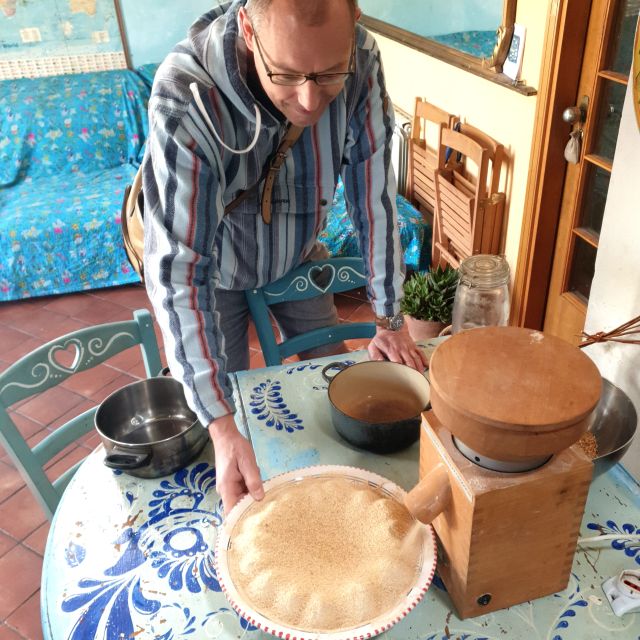
- Cooking class from wheat to pasta, including milling and then making your lunch together
- Olive oil and local wine tasting linked to the region’s growers
- Archaeological tour on the farm, tied to altars used by Greeks and Romans
- Local food pantry visit, plus a look at how they preserve and work with ingredients
Slowlife Family Farm: a slow-food day with ancient roots
Sicily can be loud. This experience is not. Slowlife Family Farm is an off-grid slow-food family project built around the idea of living slower and eating what the land produces, not what a supermarket ships.
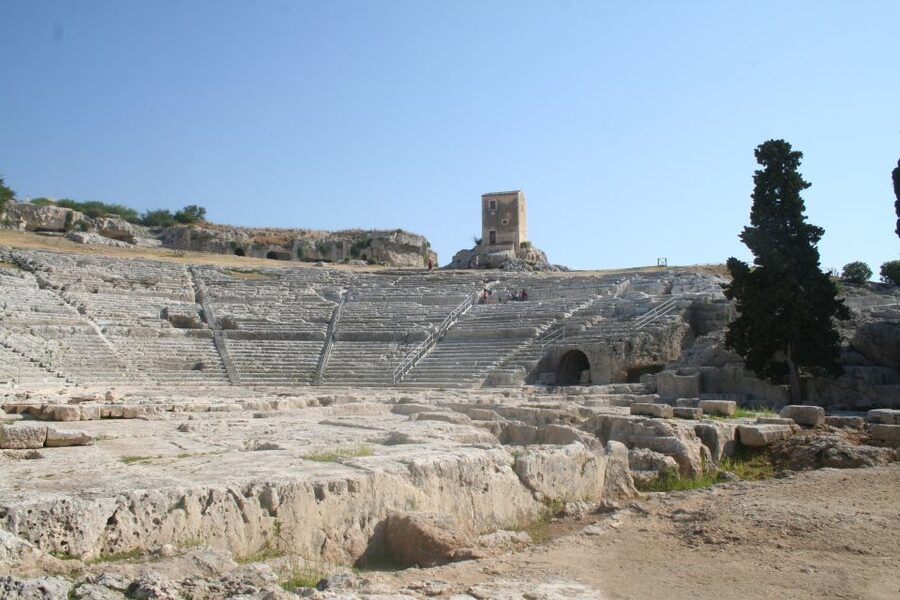
What makes it more than a themed cooking class is the mix of disciplines. You are doing gardening talk, food talk, and a guided walk through archaeological areas on the property. The farm is also described as a sacred site with evidence of human use for over 2500 years, where archaeologists found altars used by Greeks and Romans. So you are not only learning to cook; you are learning why these places and crops mattered long before modern kitchens existed.
The hosts, including Jess and Carlo, lean into that spirit. Their warmth matters because this is the kind of place where you get more from asking questions than from rushing from station to station. Small group size helps too, limited to 10 participants, so you are not stuck watching from the edge.
Where you meet and how the 4 hours work
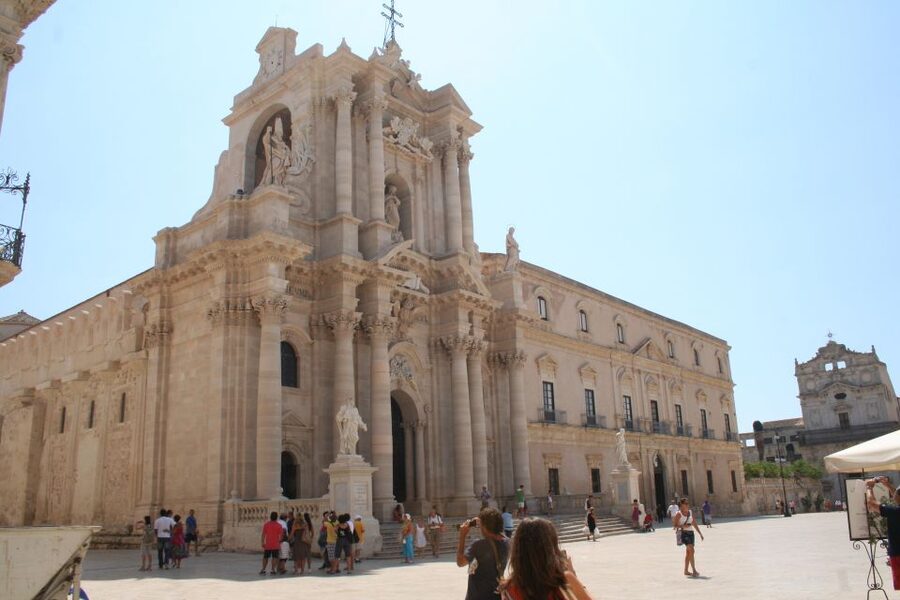
You meet at Via Malta, 7, 96100 Siracusa. The experience ends back at the meeting point. A key practical note: the calendar might not be up to date, so you should contact the local partner before booking to confirm start times.
The duration is about 4 hours. That is a good length for this kind of day: long enough to harvest, taste, and cook, but short enough that you are not trapped outdoors all afternoon.
Start times and dates can be customized, and meeting points may be adjusted based on where you are staying. That is useful if you are juggling other Sicily plans, especially in Siracusa.
Bring what you would for a working outdoor farm: comfortable shoes, sun hat, and water. You will be walking on uneven ground, and you will want to stay comfortable while you move between the garden areas, the historical parts of the farm, and the cooking station.
The historical river-side farm tour: altars, water, and the land’s story
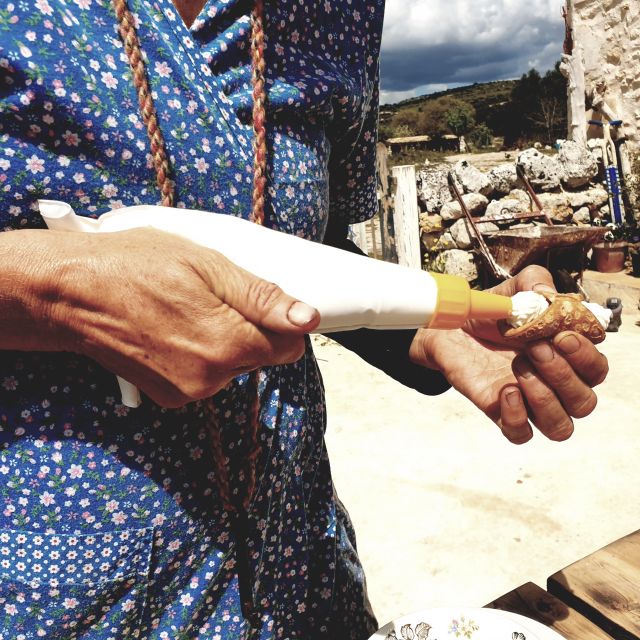
Your day starts with the property itself. The farm sits in a canyon-like area touched by a river, with shade from big trees and a water setting that feels different from the usual countryside drive-by. The experience description also mentions an ancient diving lagoon area where you have the opportunity to swim and explore the water.
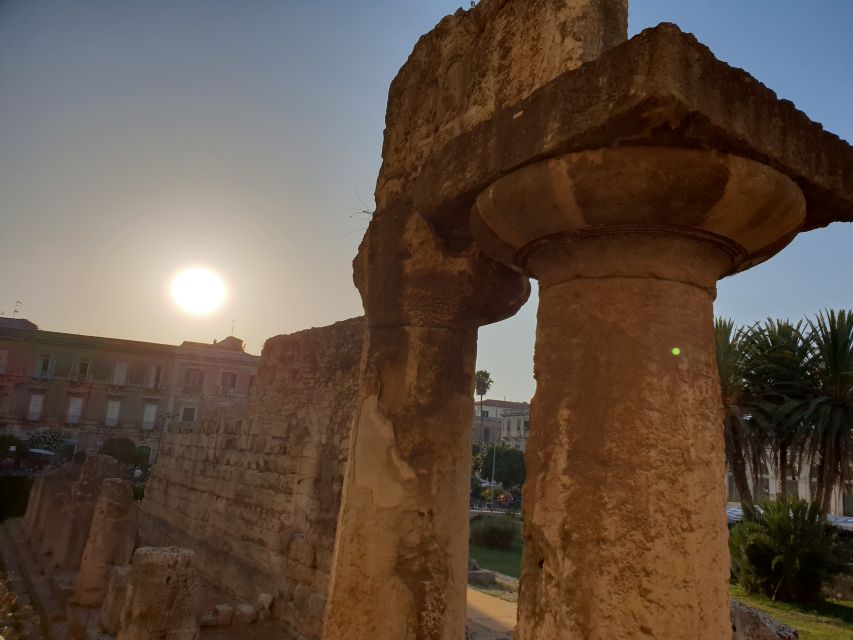
You will also visit the archaeological sites on the farm. This is where the ancient layer shows up in a concrete way. The farm has been called a sacred site for over 2500 years, and the archaeologists found altars connected to Greeks and Romans. A licensed historical guide leads this part, so you are not relying on guesses.
Then there is the old water mill, currently under restoration. Even if it is not fully finished, it adds texture to the day. Milling and water power are part of how wheat became food in the past, and it sets up what you will do later with the milling-to-pasta cooking class.
Why this matters for your day: it gives meaning to ingredients. When you later grind wheat and turn it into pasta, you are not just doing a fun activity. You are reenacting a small, modern version of a whole system that once depended on land, labor, and water.
The organic vegetable garden: rare varieties and real seasonal surprises
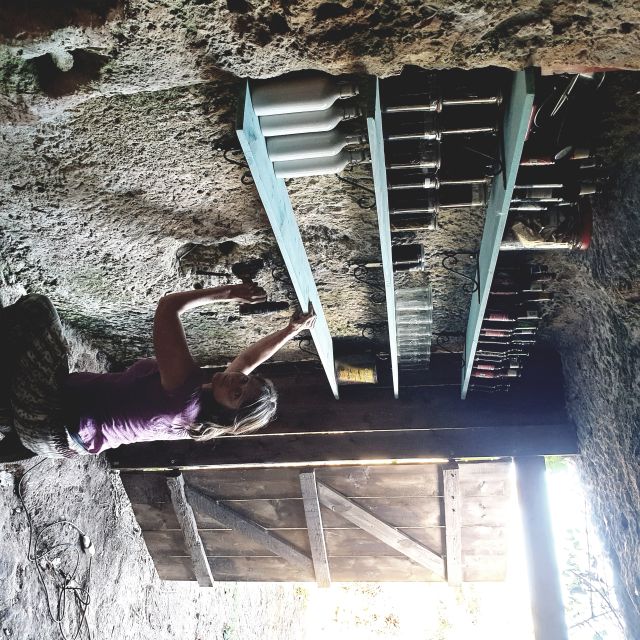
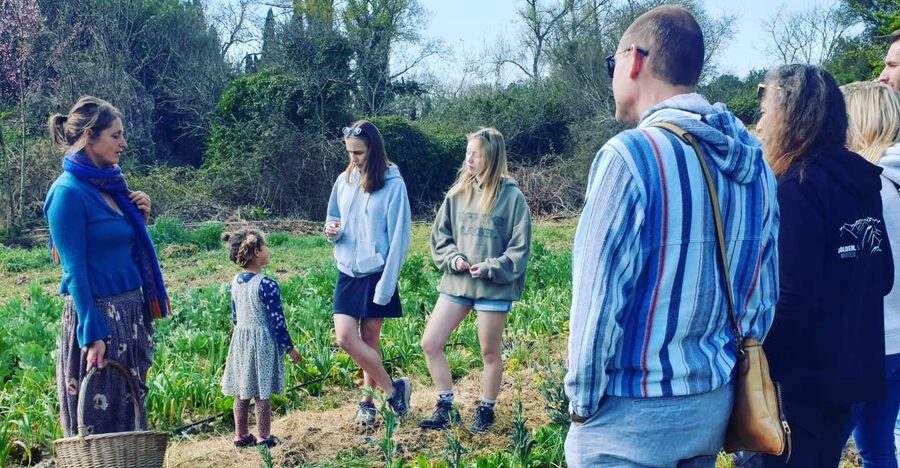
The heart of the day is the garden-to-table workflow. You will tour the organic vegetable garden and learn about the farm’s gardening strategies, especially their focus on local varieties and slow-food protected strains.
This farm is described as a guardian of local varieties of vegetables, with support for local wheat, olive oil, and wine producers. They also research slow-food protected varieties and grow them in the garden. That is why you might encounter plants you do not normally see in market aisles.
A standout example is the giant onion of Giarratana, an endemic onion variety that can grow to over 2 kg. Traditionally, it is baked directly on an open fire. The important part for your expectations: you may get to see it and, if it is in season, taste it. So treat it like a season-based bonus, not a guarantee.
You are not just walking through beds and snapping photos. The experience is set up for you to understand how their farming choices connect to lunch. That connection is what makes the cooking class feel earned.
Wild edible plant recognition: tasting with a guide, not a guess
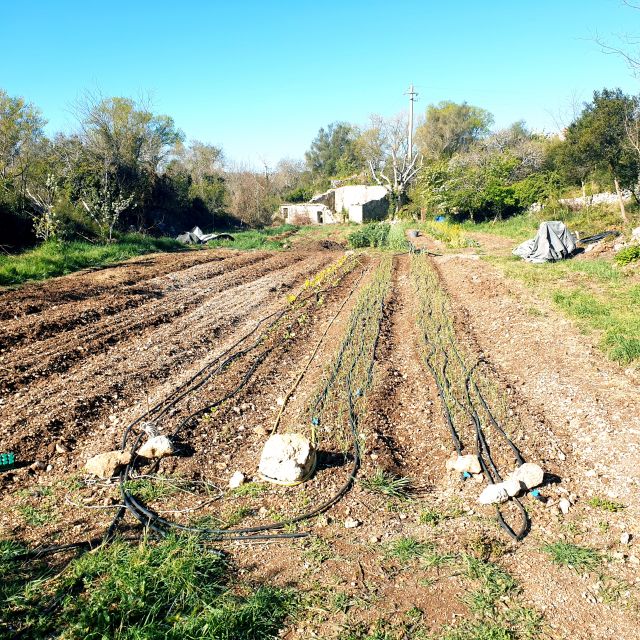
One of the smartest inclusions is the nature guidance focused on edible wild plants recognition. A qualified nature guide helps you identify what can be safely included in the meal, and you also gather wild edible plants along with the garden harvest for the Sicilian lunch you prepare together.
This is a big value point because foraging is one of those activities where confidence matters. You want a trained guide telling you what is edible and why, not a random list on a phone.
Even if you are an adventurous eater, I would see this as educational. You will learn how local knowledge and careful identification turn the countryside into ingredients you can taste, not just scenery you can admire.
Milling wheat to pasta: the hands-on cooking class piece
After the walks and the harvesting, you move into the kitchen workflow: a cooking class from wheat to pasta. The day description explicitly mentions modern tools for the milling stage, so it is not a historical reenactment with stone grinding only. You will, however, get the satisfying sequence of milling wheat and then using it to make pasta.
This is one of the most praised parts of the experience. People highlight how learning the process from the beginning made the food more satisfying, because you made the ingredients and the dish step by step.
What to expect in a practical sense:
- You will work with the wheat process and then move into pasta-making.
- You will use garden and wild edible plants gathered earlier.
- You will prepare the Sicilian lunch together as a group.
Why I think this class is worth your time: it turns an ingredient into a story you can taste. In many cooking classes, you meet the ingredients after they are already processed. Here, the wheat step matters, and it makes the meal feel like an actual continuation of the farm tour.
Olive oil and wine tasting: local producers in the background
Alongside cooking, you get local olive oil and local wine tasting. The tasting is not described as separate entertainment; it is included as part of the overall farm-to-table theme, tied to the same local ecosystem of wheat, olive oil, and wine producers that the farm supports.
Expect to taste with context from the people running the experience. The farm’s focus on slow food and local varieties means these tastings should feel connected to what you saw in the garden and what you cooked for lunch.
Practical tip: go easy if you are sensitive to alcohol. You still have outdoor walking time during the broader farm experience, and you will want to stay comfortable.
What you actually eat and why it feels different
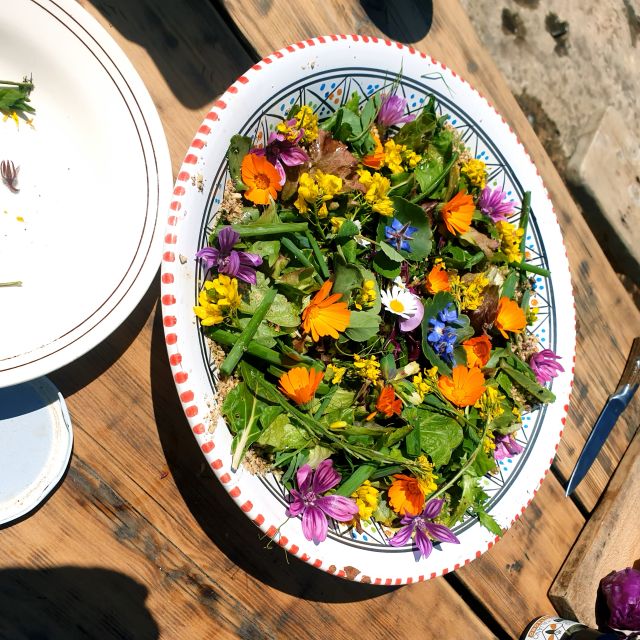
You prepare a Sicilian lunch together using:
- Organic vegetables gathered from the farm’s garden
- Wild edible plants collected with the nature guide
- The pasta you make in the wheat-to-pasta class
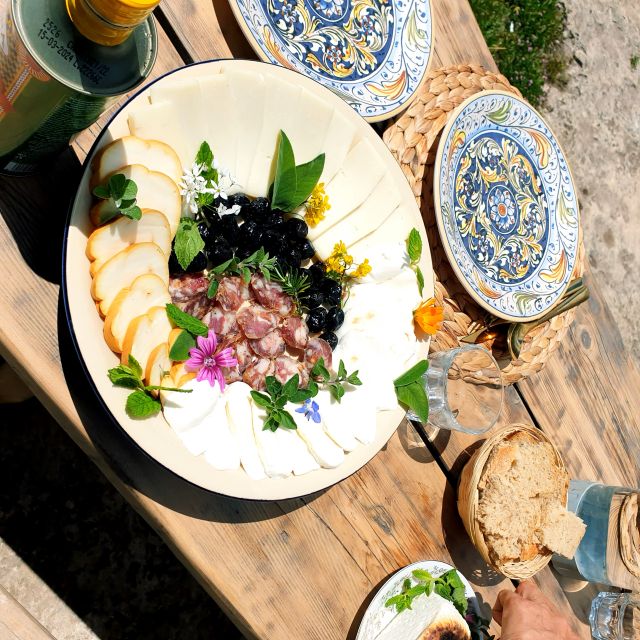
- Olive oil and wine as part of the tasting and meal experience
If you care about food, this meal can feel more rewarding than a standard cooking class because it follows a clear chain: land care → harvest → foraged additions → milling → cooking → tasting.
And because the group is small (up to 10), you are more likely to be involved than stuck in spectator mode. That matters for the mood of the day. This is the kind of experience where participation improves the taste.
Price and value: is $164.26 per person fair?
The price listed is $164.26 per person for about 4 hours, in a small group.
Here is why it can be good value, if the day fits your style:
- You get multiple guided components: a licensed historical guide and a qualified nature guide
- You get both tastings (local olive oil and local wine)
- You get the garden visit and the food pantry visit
- You get the wheat-to-pasta cooking class
- You also get the archaeological and farm setting
Most cooking experiences in this category cover only the cooking portion and maybe one quick tasting. Here, the day is structured around the whole workflow from land to meal, and that is the difference you are paying for.
What can change the value for you: transport is not included, and there are no entrance tickets included. If you need a private taxi just to make the meeting point work, factor that into your real total cost.
Who this fits best (and who should skip it)
This experience is a strong match if you like food that has a story behind it. It is especially good for people who want hands-on cooking, enjoy regional ingredients, and appreciate learning in an outdoor setting.
It also suits couples or friends who want a small group day and are comfortable with walking and time in the sun. You will be outdoors enough that bringing water and good shoes is not optional.
Skip it if mobility is an issue. It is explicitly not suitable for people with mobility impairments, and because it is an off-grid farm, the terrain and movement are part of the deal.
Quick practical checklist before you go
- Wear comfortable shoes you can trust on uneven ground
- Bring a sun hat and water
- Plan your transport to Via Malta, 7 in Siracusa
- Contact the local partner before booking to confirm the right start time (the calendar may not be updated)
- Expect no entrance tickets included in the cost
Should you book Slowlife Family Farm?
Book it if you want a Sicilian food experience that connects hands-on cooking to the land. The wheat-to-pasta class, the garden harvest, and the olive oil and wine tastings are the core wins. Add in the archaeological tour and the old water mill under restoration, and you get a day with more meaning than your average cooking workshop.
Do not book it if you need easy accessibility or if you are not willing to arrange your own transport. Also, if you hate outdoor time in the sun, you might want a different plan.
If you do book, aim to treat the day like participation, not just attendance. Ask questions about the local varieties, pay attention to how the wild plants are identified, and take your time with the tastings. That is when this farm-to-table experience turns from activity into a real memory.
FAQ
Where is the meeting point for this experience?
You meet at Via Malta, 7, 96100 Siracusa. An alternate meeting point may be decided based on your accommodation.
How long does the tour last?
The duration is about 4 hours.
Is transportation included?
No. Transport, such as taxi or pick up and drop off, is not included.
What’s included in the price?
Included are a licensed historical guide for the archaeological tour, a qualified nature guide for edible wild plants recognition, the organic vegetable garden visit, the historical food and wine pantry visit, local wine tasting, local olive oil tasting, and the cooking class from wheat to pasta.
Are entrance tickets included?
No. The information notes that no entrance tickets are included in the cost.
What languages are offered?
The live tour guide is available in English and Italian.
How big is the group?
The group is limited to 10 participants.
Is this experience suitable for people with mobility impairments?
No. It is not suitable for people with mobility impairments.
What should I bring?
Bring comfortable shoes, a sun hat, and water.