REVIEW · KENDWA
Spice Farm – spice up your life in Zanzibar
Book on GetYourGuide →Operated by AMAYA TOURS COMPANY LIMITED · Bookable on GetYourGuide
Spices start talking when you smell them. On Spice Farm in Zanzibar, you get a guide who helps you notice clove, cinnamon, nutmeg, vanilla, and more—with real aromas you can’t get from a shop counter. It’s a rural day that connects spice-growing to everyday life in Unguja South.
I also love the mix of spices plus fruits, with tasting woven into the explanation. You’ll sample a long list of tropical produce and learn how herbs show up in both cooking and traditional medicinal uses.
One thing to consider: you’re relying on smooth pickup. One low-rated account described a no-show promoter and problems contacting the booking contact, so I’d double-check your pickup details the day before.
In This Review
- Key Things I’d Prioritize on This Spice Farm Tour
- Zanzibar’s Spice Farm: What You’re Really Buying With the $60
- The Plantation Walk: From Aromas to Real Farm Knowledge
- Fruit Tasting Isn’t Random Here
- The Guide’s Role: Information That Stays Human
- Lunch at the Farm: Zanzibar Flavor With Local Herbs
- Price and Value: Why $60 Can Make Sense Here
- Pickup, Drop-Off, and Languages: The Practical Side That Helps
- A Real Caution: Confirm Your Pickup Like It’s Important
- Who Should Book Spice Farm—and Who Might Skip It
- Should You Book Spice Farm?
- FAQ
- Where is the Spice Farm tour located?
- How much does the Spice Farm tour cost?
- What’s included in the tour price?
- Is hotel pickup and drop-off included?
- What will I experience on the spice farm?
- Which spices and herbs are listed for the tour?
- What fruits are included for tasting?
- Is lunch included?
- What languages are available?
- Can I pay later or cancel for a refund?
Key Things I’d Prioritize on This Spice Farm Tour
- Hotel pickup and drop-off included, so you spend less time figuring out logistics
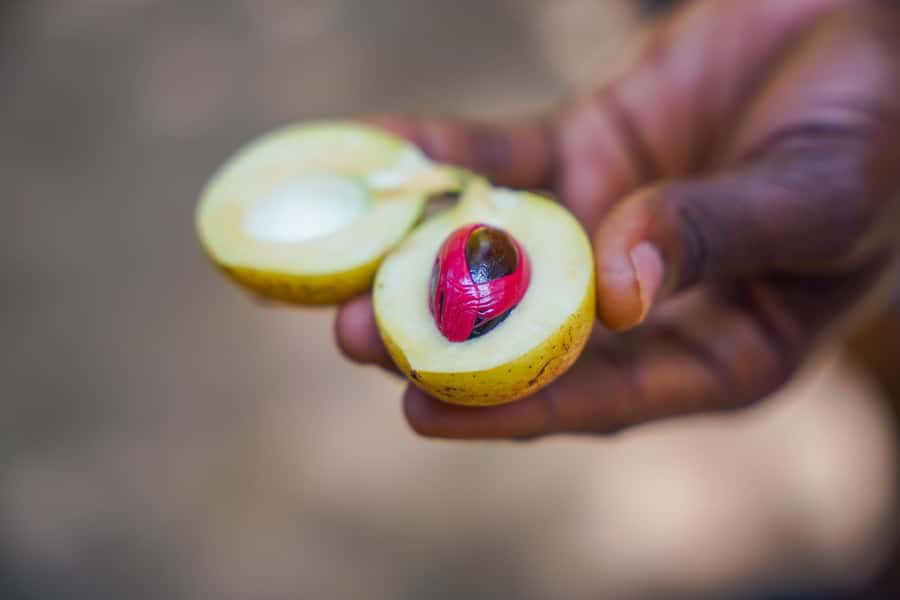
- Smell-and-taste guide moments with spices like cinnamon, vanilla, and cloves
- Fresh fruit tasting from mangoes and passion fruits to avocado, papaya, and more
- A traditional farm lunch cooked on-site with local herbs and unique Zanzibar fruit
- Medicinal + culinary uses explained, so the plants feel practical, not just pretty
- Strong value for $60, with taxes, fuel surcharges, service fees, and bottled water included
Zanzibar’s Spice Farm: What You’re Really Buying With the $60

This tour is popular for a reason: it turns Zanzibar’s spice reputation into something you can experience with your senses. Zanzibar was once a major spice producer, and the tour keeps that story grounded in what farmers grow today—under a tropical climate where these plants thrive.
The big value is not just that you’ll see spice trees and spice crops. You’ll also be taught how to notice the differences. When a guide has you smell cinnamon bark, inhale clove, or taste something like nutmeg, you start understanding why these ingredients mattered so much to global trade.
And yes, you’re also getting a meal. The lunch is part of the education. You taste what local herbs can do, then you learn how those herbs and spices show up in everyday life.
The Plantation Walk: From Aromas to Real Farm Knowledge
Your day moves through rural Zanzibar areas—villages and plantations—where spice cultivation is part of daily rhythm. In the 16th century, spices traveled from Asia and Latin America, and in Zanzibar they took root in lush growing conditions. This is the core idea of the tour: centuries-old spice trade history, translated into present-day farming.
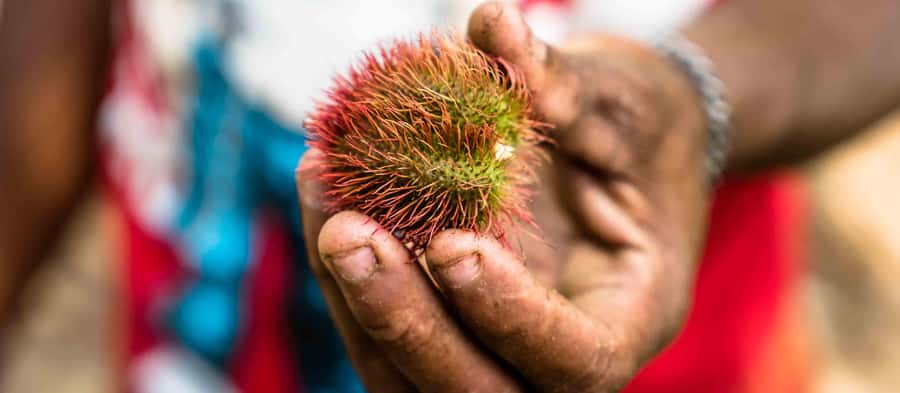
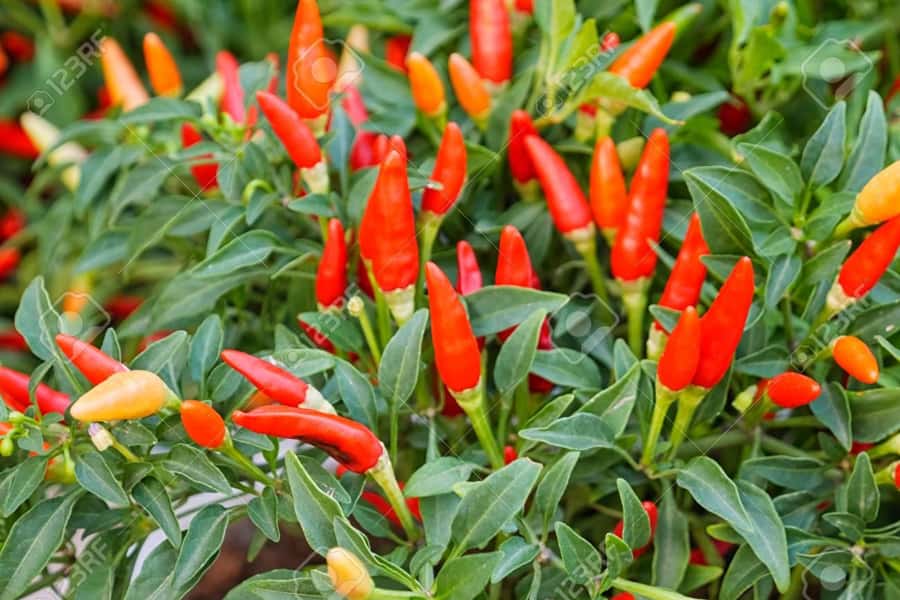
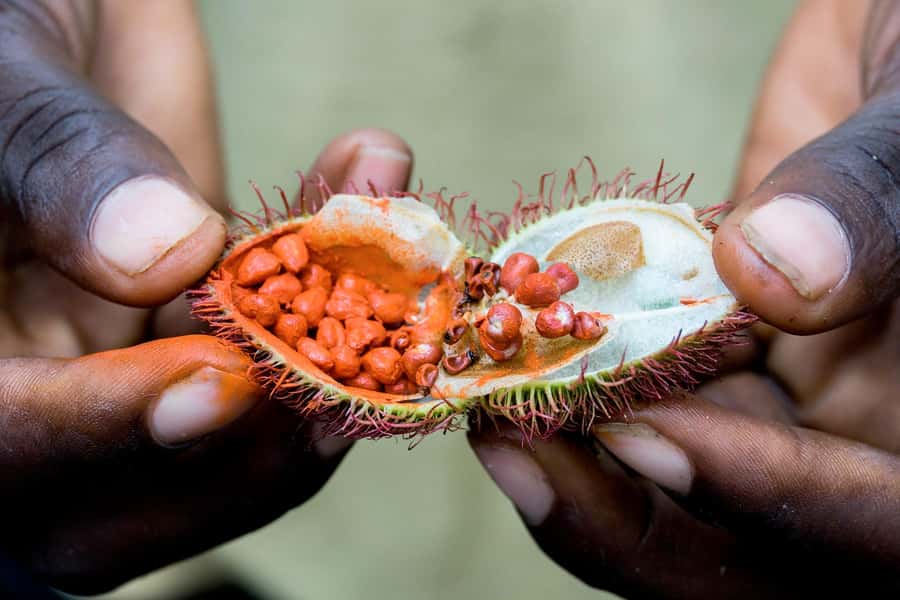
The guide leads you around the plants and focuses on the sensory side first. You’ll be encouraged to discover, taste, and smell spices and herbs such as:
- cinnamon
- vanilla
- nutmeg
- lemon grass
- cloves
- ylang-ylang
- cumin
- ginger
- pepper
- tamarind
- chili
That list matters. If you’ve only heard these spices in recipes, you’ll start connecting names to actual scents and flavors. If you’re the type who likes learning by doing, this format works well.
A practical tip: pace yourself. In warm, humid farm conditions, your nose gets “busy” fast. Take short stops, smell one plant at a time, and let the aroma reset in between. That way, you’ll remember the differences long after the day ends.
Fruit Tasting Isn’t Random Here
A lot of tours toss in fruit as a side dish. This one treats fruit tasting as part of the same local context as spices. As you move through the farm areas, you’ll taste freshly picked tropical fruits such as:
- mangoes
- passion fruits
- avocado
- papaya
- local grapefruits
- bananas
- pineapples
- and more
Why I like this: it makes the day feel less like a lecture and more like a working farm. You see that Zanzibar’s agriculture isn’t only about cloves and cinnamon. It’s also about everyday crops that feed families and fuel local markets.
Also, the fruit tasting helps you understand the guide’s broader point about herbs and plants. When you taste something sweet, tart, or creamy right after smelling spice aromas, the culinary logic clicks. You’re not just memorizing names; you’re building flavor memory.
The Guide’s Role: Information That Stays Human
The tour experience rises or falls on the person leading it, and here that factor seems consistently strong. People describe guides who are friendly and capable, and they explain both spices and the uses of herbs.
You’ll get:
- explanations of how spices and herbs are used (including medicinal uses)
- guidance on what to smell, taste, and notice
- a sense of Zanzibar culture alongside the plant facts
One of the best signs is when learning doesn’t feel stiff. Several accounts describe the explanations as not only informative, but also funny at times. That’s more than entertainment. It usually means the guide is comfortable in the setting and can keep attention where it belongs: on what you’re seeing and tasting.
If you tend to tune out on long tours, this style may work better than a purely scripted “here’s the history” approach.
Lunch at the Farm: Zanzibar Flavor With Local Herbs
Lunch is included, and it’s themed to the day. You’ll have a traditional Zanzibar meal spiced with local herbs and cooked in a local kitchen. You’ll also be served a traditional lunch experience that includes Zanzibar unique fruits.
Here’s what I’d watch for as you eat:
- how the spices show up in real food, not just in explanations
- how herb flavors feel together—warm, aromatic, and layered
- how fruit supports the meal, balancing spice with sweetness or acidity
A few people highlight that the food is delicious and presented in line with the spice theme. That matters for value. If the meal were basic, the tour would feel overpriced. Instead, the lunch seems to be treated as part of the experience, not an afterthought.
And you’ll get bottle water as part of what’s included. Small comfort, but on a farm day it helps you keep going.
Price and Value: Why $60 Can Make Sense Here
At $60 per person, the question isn’t only what you pay—it’s what you get for it. This tour includes:
- pickup and drop-off from your hotel
- local lunch at the farm
- all taxes, fuel surcharges, and service fees
- bottled water
So you’re not separately paying for transport plus a paid meal plus entrance-style fees. You’re paying for guided access to rural plantation areas, the tasting portion, and the lunch.
Is it worth it? For me, yes if you want more than beach sightseeing. If you’re the type who likes hands-on learning and you enjoy food and aromas, the cost lands more like “a guided day out” than “a pricey stop on a route.”
If you’re only mildly interested in spices, you might feel it’s too much. But if spice-growing and Zanzibar cuisine are your thing, this tour matches that interest directly.
Pickup, Drop-Off, and Languages: The Practical Side That Helps
This is set up as a hotel pickup and return experience. That’s a big deal in Zanzibar, where getting around can be a mix of easy and confusing depending on where you’re staying.
Having pickup and drop-off included means:
- less stress in the morning
- fewer taxi negotiations
- a clean end to the day back at your starting point
Language support is another practical win. The tour lists English, Italian, German, French, and Russian. If you’re traveling with mixed language needs, you’re more likely to find a guide who can explain clearly.
One more point I appreciate: the tour is run by AMAYA TOURS COMPANY LIMITED. It’s not a vague “local arrangement.” When you can identify the operator, it’s easier to keep your own plans organized.
A Real Caution: Confirm Your Pickup Like It’s Important
Most accounts you’re given read as organized and smooth—perfect pickup and return, competent guide explanations, and a well-run day.
But there is one low-rated report that you shouldn’t ignore: it described a promoter who didn’t show up at the hotel, no response to emails, and a phone number that didn’t work. It also mentioned confusion with a different contact listed online, where the person answering said there were no reservations.
I can’t say how common that is. Still, here’s my practical advice: confirm your pickup details the day before you go and keep your reservation information in an easy-to-reach place. If a plan depends on one contact point, be ready to solve problems quickly.
Who Should Book Spice Farm—and Who Might Skip It
This tour fits best if you:
- love food, spices, and learning by tasting
- want a cultural day outside the main tourist zone
- enjoy farm-style experiences with a guided explanation
- want a traditional lunch that matches the theme
It may feel less compelling if you:
- dislike warm rural outdoor time
- are looking for strictly beach-focused activities
- want only quick photos and no sensory learning
If you’re on Zanzibar and you’d like your trip to smell like something besides sunscreen, this is a strong candidate.
Should You Book Spice Farm?
If you enjoy hands-on sensory travel—smelling spice aromas, tasting fruit straight from the farm, and eating a traditional lunch—then Spice Farm is an easy yes in my book. The included hotel pickup, lunch, and bottled water bring the price into “value day out” territory, not “extra cost for a quick stop.”
Just do one smart thing before you go: verify your pickup plan in advance. Most signs point to good organization, but that one no-show story is a reminder to treat confirmation as part of your own safety net.
FAQ
Where is the Spice Farm tour located?
It’s located in Unguja South Region, Tanzania (Zanzibar).
How much does the Spice Farm tour cost?
The price is $60 per person.
What’s included in the tour price?
Included are hotel pick up and drop off, a local lunch at the farm, all taxes, fuel surcharges, and service fees, and bottle water.
Is hotel pickup and drop-off included?
Yes. Pickup and drop-off from your hotel are included.
What will I experience on the spice farm?
You’ll visit rural areas, villages, and plantations and discover, taste, and smell a range of spices and herbs.
Which spices and herbs are listed for the tour?
The tour mentions cinnamon, vanilla, nutmeg, lemon grass, cloves, ylang-ylang, cumin, ginger, pepper, tamarind, chili, and more.
What fruits are included for tasting?
The tour lists mangoes, passion fruits, avocado, papaya, local grapefruits, bananas, pineapples, and more.
Is lunch included?
Yes. A local lunch at the farm is included, described as traditional Zanzibar cuisine spiced with local herbs and cooked in a local kitchen.
What languages are available?
The tour offers English, Italian, German, French, and Russian.
Can I pay later or cancel for a refund?
The tour offers reserve & pay later, and it states you can cancel up to 24 hours in advance for a full refund.