REVIEW · TWEED HEADS
Tropical Fruit World Farm Full Tour
Book on Viator →Operated by Tropical Fruit World · Bookable on Viator
Fruit tastes better under the sun. This full tour at Tropical Fruit World in Tweed Heads is built around a fully guided plantation safari plus a real fruit-tasting show, all set on a 200-acre farm with Tweed Valley views. I like that the pacing stays family-friendly while still feeling like a “real place,” not a shopping stop in disguise.
The one thing to keep in mind is that parts of the experience happen outdoors in hot weather—so plan for sun time, water breaks, and being ready to move between activities without a lot of downtime.
In This Review
- Quick hits you’ll actually care about
- Getting to Tropical Fruit World from The Big Avocado
- Why this Tweed Valley fruit-farm tour feels like more than a quick stop
- The fruit-tasting talk: what you’ll learn before you taste
- The tractor plantation safari: seeing fruit rows like a working farm
- River cruise and fauna park time: animals, shade, and a fun break
- Aussie bush tucker and fruit’s medicinal side
- Cafe, fruit shop, and how to snack smart without overspending
- Price and timing: is $75 really worth it?
- Small-group dynamics and what to expect from the guide
- Practical tips: timing, heat, and getting the tastings right
- Should you book Tropical Fruit World Full Tour?
- FAQ
- How long is the Tropical Fruit World Full Tour?
- Where does the tour start?
- Is the tour fully guided?
- What’s included in the full tour experience?
- How big are the groups?
- Do I need a ticket on my phone?
- What if I need to cancel?
Quick hits you’ll actually care about
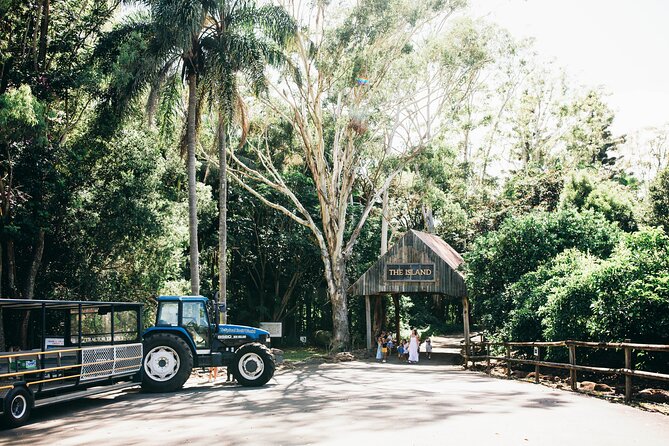
- 200-acre commercial fruit plantation: You see how the farm works, not just a fruit shop shelf.
- Multiple guided activities in one ticket: plantation safari, tastings, a wildlife-spotting cruise, fauna park time, and bush tucker.
- Tractor tour focus: Great for families and anyone who likes seeing rows of fruit up close.
- Tasting-first format: You start with a guided talk and get time to taste fruit right on-site.
- Small group limit: Maximum of 30 travelers keeps it easier to hear the guide.
- Real value when you want variety: For $75, you’re not paying for one show. You’re paying for several connected experiences.
Getting to Tropical Fruit World from The Big Avocado
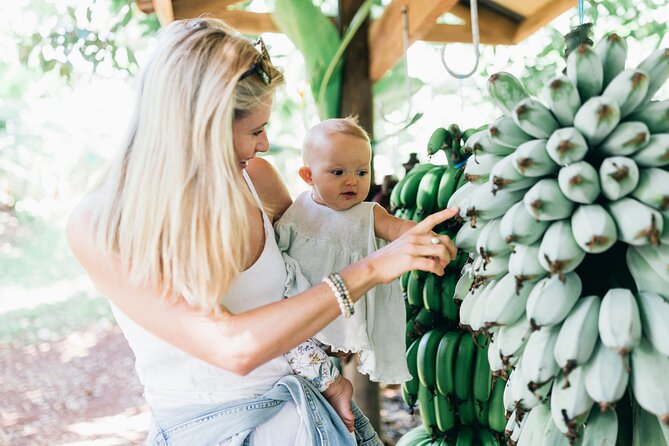
This tour starts at The Big Avocado, 29 Duranbah Rd, Duranbah NSW 2487. It’s a smart pick if you’re already in the Tweed Heads / Gold Coast orbit, because the meeting point is easy to find and you end right back where you started.
One practical note: this is a 2 hours 30 minutes style experience. That’s long enough to feel like a day plan, but short enough that you won’t feel trapped. Still, you’ll want to arrive with time to settle in. Even a few minutes matter when you’re about to switch from a tasting room to outdoor farm time.
If you’re driving, allow for the fact that a farm day means signage, parking, and walking paths are part of the experience. Wear shoes that don’t mind dirt and short trips across uneven ground.
Why this Tweed Valley fruit-farm tour feels like more than a quick stop
Plenty of “food tours” end up being mostly tasting, with a gentle background story. This one starts with tasting too, but it keeps going with hands-on, guided farm time—so you come away with a clearer picture of how tropical fruit grows and how harvesting works.
The fully guided format helps a lot. You’re not wandering around trying to figure out what you’re looking at. You’re guided through:
- how tropical fruits are grown,
- how they’re harvested,
- and where they’re planted.
And yes, you get the fun parts: the farm’s views toward the Tweed Valley, plus animals and a cruise element. That combination is why this tends to work for both adults and kids.
The small group size (max 30) also changes the feel. You’re less likely to be stuck behind someone’s sunhat during explanations, and questions actually land.
The fruit-tasting talk: what you’ll learn before you taste
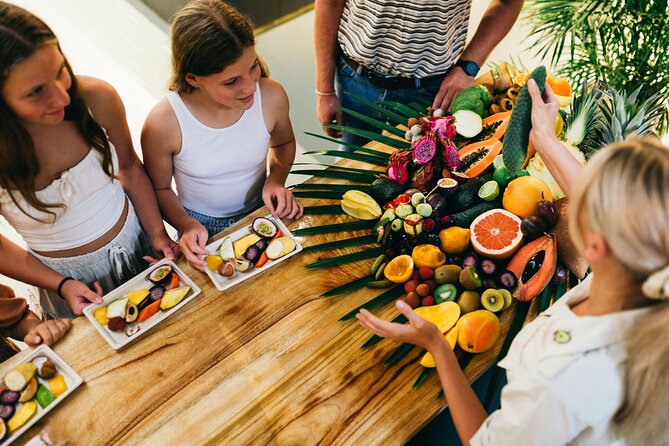
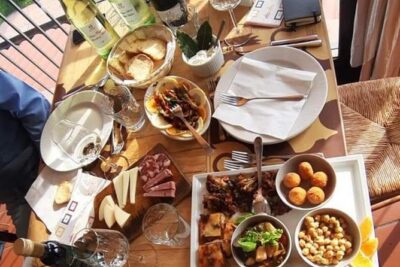
The experience begins with a guided tasting talk at Tropical Fruit World. Expect a structured intro that explains fruit growing and what you’re about to sample. Then there’s time to taste and eat a variety of fruits in a room inside the plantation house.
This matters more than it sounds. If you go in knowing a little about what you’re tasting—how the fruit grows, why it looks the way it does, and what to expect from the flavor—you’ll enjoy the samples more and you’ll remember them longer.
From the tour vibe, the best move is simple: treat the first tasting like a mini lesson, not a snack break. Ask questions if you’re curious. If you’re traveling with kids, this is also a good “settle in” moment before the tractor and boat time ramps things up.
One small caution: if you’re running late, prioritize being present for the tasting session. A real-life example from past visitors was that a missed tasting due to a flight delay still got sorted later, but it’s better not to gamble on timing when food is part of the paid experience. If your plans are tight, plan extra buffer.
The tractor plantation safari: seeing fruit rows like a working farm
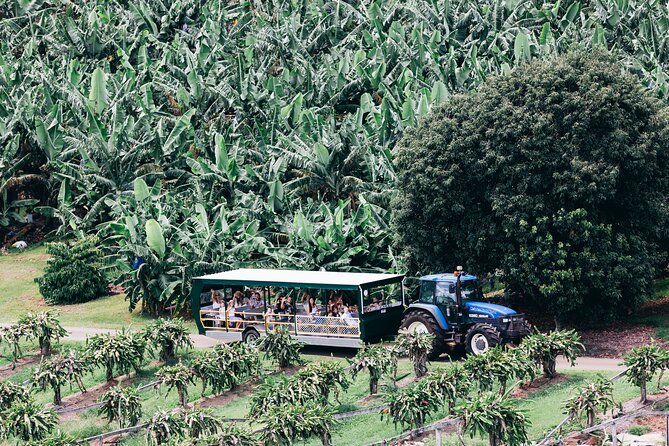
After the intro, you get a guided tractor tour across the farm. This is one of the most praised parts for a reason: it’s a clean way to cover a lot of ground without feeling like you’re doing a long hike.
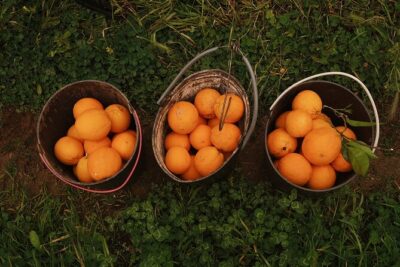
On a 200-acre commercial fruit plantation, the scale is the story. From the tractor, you can spot different crops and get a sense for how the plantation is laid out. It’s also where the tour starts to feel “hands-on,” because you’re actually moving through the working environment rather than just stopping at viewpoints.
A couple of useful things I’d highlight based on what people loved learning:
- You can hear the story behind fruit plantings and the way banana trees come in generations, not just one-off rows.
- You may learn there are many types of common fruits—for example, one visitor specifically noted learning there are multiple avocado types.
If you’re the kind of traveler who likes context—why farmers plant one variety here and another variety there—this is where you’ll feel it click.
Practical tip: sit in the spot that gives you the best view of rows and guide explanations. If you’re with kids, ask the guide where they can see clearly. Tractor time goes faster than you expect, and the fun is watching the crops roll past.
River cruise and fauna park time: animals, shade, and a fun break
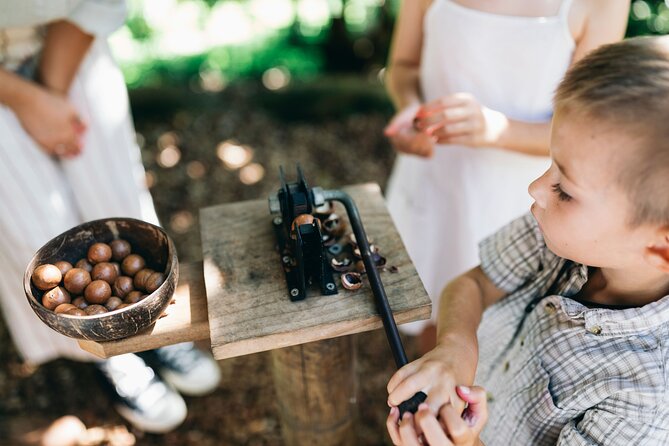
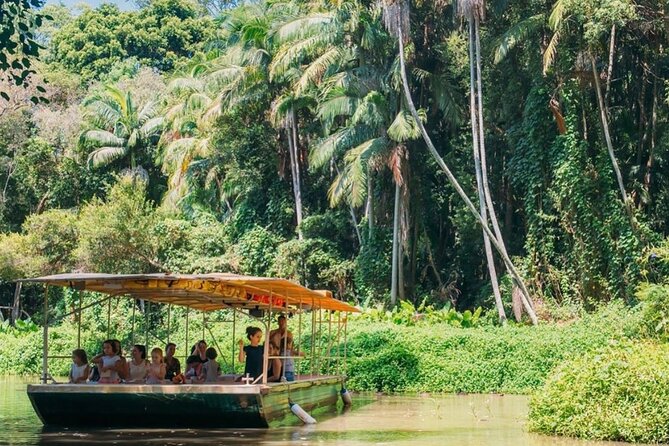
The tour includes a wildlife-spotting cruise, described as a river journey experience. Many people treat this as the surprise highlight because it breaks up the “land-based” farm focus and adds a different angle on the surrounding environment.
It also gives your group a natural reset. Even when the day is busy, a cruise creates a slower rhythm. That’s good for kids’ energy levels, and it can help adults cool down a little between outdoor segments.
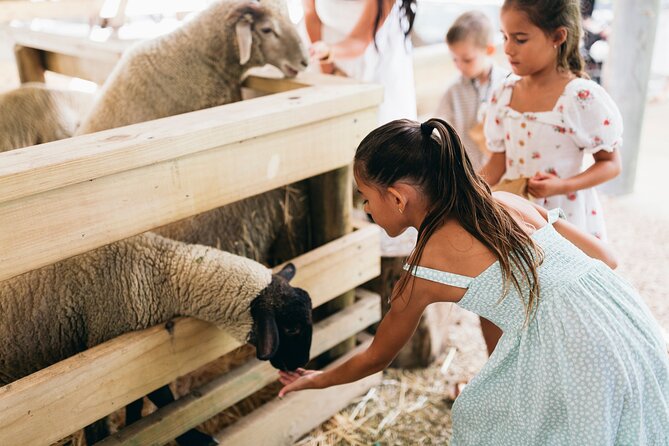
After that, there’s a fauna park component. This is where the animal interaction tends to land well with younger travelers. If you’re traveling with kids, this is usually your easiest win for keeping everyone engaged without needing to referee constant “what are we doing next” questions.
One balance point: the day is packed with moving parts, so if your child is the type who burns out quickly, keep an eye on their energy around the middle. The cruise and fauna park can act like a mid-day reset, but you’ll still be on the go.
Aussie bush tucker and fruit’s medicinal side
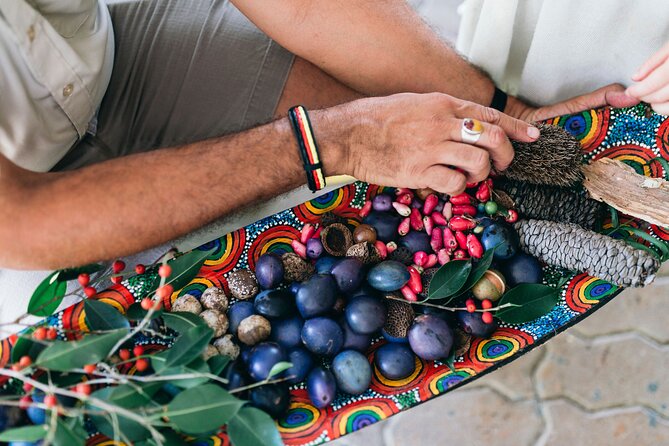
One of the more interesting elements is the Aussie bush tucker experience plus a tasting angle that goes beyond flavor. Past visitors noted learning about the medicinal properties of different fruits, and that the guide stayed informative throughout.
This part is valuable because it turns “fruit tasting” into “food knowledge.” Instead of treating each sample as a one-note snack, you’ll hear how local food traditions and practical uses connect to what you’re tasting.
If you care a lot about details, there’s one practical consideration from visitor feedback: some people wanted more written info (like pamphlets) about medicinal purposes alongside the tastings. That doesn’t mean you’ll miss the main ideas—just be ready to rely on what the guide explains in the moment. If you want extra detail, ask for specifics during the session.
Cafe, fruit shop, and how to snack smart without overspending
The on-site cafe and fruit stand are part of the day’s rhythm. You can shop for fruit, juices, ice-creams, and other snacks after the farm activities.
Here’s the smart approach: taste first during the included sessions, then buy what you truly want—not what looks tempting just because you’re hot and hungry. The farm setting makes everything feel worth grabbing, and that can lead to impulse spending.
If you’re planning a full family day, set expectations before you enter the cafe area: decide who’s having dessert, and keep water top-of-mind. You’ll enjoy the buying portion more if you aren’t racing thirst or hangry moods.
Also, if you’re sensitive to costs, keep in mind the cafe items are extra. The good news is that a lot of the “food payoff” is built into the tour already via tastings.
Price and timing: is $75 really worth it?
At $75 for about 2 hours 30 minutes, you’re paying for more than a single activity. You’re buying a guided flow that typically includes:
- a fruit tasting talk and samples,
- a tractor safari across a large plantation,
- a wildlife-spotting cruise,
- fauna park time,
- and an Aussie bush tucker experience,
plus time to browse the cafe/fruit stand afterward.
That matters for value. If you compare this to paying separately for transport, entry to multiple separate attractions, and guided explanations, the packaged format tends to make sense—especially for families who want one ticket and one plan.
Who gets the best value?
- Families with kids who like animals and hands-on activities.
- Couples who want a day trip that’s not just a beach stroll.
- Travelers who like learning how food actually grows and gets harvested.
Who might find it less satisfying?
If you’re the type who wants constant action and lots of free time to roam, the tour’s guided pace may feel a bit structured. A couple of visitors described parts as boring for kids, and those comments usually come from groups expecting more “fruit-only” time. If that’s you, lean into the tasting and tractor sections and plan a little extra time afterward at the cafe/fruit stand for the shopping part.
Small-group dynamics and what to expect from the guide
Because the tour runs with a maximum of 30 travelers, it tends to feel organized without being stiff. You can hear explanations and see what’s happening around you.
The guide-driven storytelling is a big part of why this works. When people say the tour is well organized and guides are passionate, what they usually mean is: the guide keeps the group moving, points out what matters, and ties the tastings to real farm growing. That’s what turns a series of activities into a coherent experience.
If you want more out of it:
- Ask one question at the tasting talk about what you’ll see next on the tractor.
- Ask about fruit varieties you don’t recognize.
- If your focus is learning, listen closely during the bush tucker and fruit-use segments, not just the flavor descriptions.
Practical tips: timing, heat, and getting the tastings right
This is an outdoors-heavy day in a warm climate. Even if you’re excited, you’ll be happier if you treat it like a hot-weather farm visit.
A couple of practical tips:
- Bring water and plan for sun protection. You’ll be outside during the tractor and cruise portions.
- Wear closed-toe shoes you don’t mind getting a bit dusty.
- If you’re traveling around Daylight Saving Time, double-check the schedule. Tropical Fruit World operates on NSW time and is 1 hour ahead of QLD time during the NSW daylight saving window (Oct 1, 2023 to Apr 7, 2024). That kind of time mismatch can throw off your day if you’re assuming QLD time.
- If you book through a third-party platform, confirm the currency and final price. One visitor flagged that the paid amount felt different than what they expected when comparing to AUD pricing.
Finally, don’t leave everything to the last minute. The day runs on guided timing. You’ll get the best day if you’re ready when the group is ready.
Should you book Tropical Fruit World Full Tour?
If you want a short, guided day that mixes fruit tastings, a tractor safari, an on-water cruise, and animals—this is a strong yes. It’s especially worth it when you’re traveling with kids who enjoy seeing animals, getting a ride, and trying fruit flavors they can’t get at a typical supermarket.
I’d say skip it (or at least set expectations) if you’re mainly looking for long, free roaming time or you want a pure “fruit tasting only” experience with minimal structure. This tour is guided and scheduled for a reason: it’s designed to cover a lot of ground on a working farm.
If you can handle a warm outdoor day and you like learning while you snack, Tropical Fruit World Full Tour is the kind of plan that turns into a memorable food story instead of just a photo stop.
FAQ
How long is the Tropical Fruit World Full Tour?
The experience runs for about 2 hours 30 minutes.
Where does the tour start?
The meeting point is The Big Avocado, 29 Duranbah Rd, Duranbah NSW 2487. The tour ends back at the meeting point.
Is the tour fully guided?
Yes. Plantation experiences are fully guided.
What’s included in the full tour experience?
The full tour includes a guided plantation safari, a tasting show (including fruit tastings), a wildlife-spotting cruise, a fauna park component, and an Aussie bush tucker experience. There’s also an on-site cafe and fruit stand for additional purchases.
How big are the groups?
The tour has a maximum of 30 travelers.
Do I need a ticket on my phone?
Yes. The tour uses a mobile ticket.
What if I need to cancel?
You can cancel for a full refund up to 24 hours before the experience’s start time (local time). If you cancel less than 24 hours before, the amount paid will not be refunded.