REVIEW · VALENCIA
Valencia: Orange Farm and Orchard Trip with Tastings
Book on GetYourGuide →Operated by HUERTO RIBERA · Bookable on GetYourGuide
Oranges, fruit trees, and real farm work. I love the pick-your-own moment and the hands-on calibration stop at Naranjas Ribera. One thing to plan for: transportation isn’t included, so you’ll need to sort the Valencia-to-Carcaixent ride or walk.
This is the kind of small, family-run outing where the guide (I’ve seen groups led by people like Teresa, Ana E., and Claire) actually talks through how citrus grows and how the business runs. You start at Huerto Ribera, in a 19th-century modernist house setting, then spend your time moving through gardens and groves full of fruit you usually only see in specialty shops.
At $35 for about two hours, it’s strong value because you get education plus snacks plus a bag of fruit in season. If you’re coming in peak heat, bring comfortable shoes and expect some walking on uneven orchard paths; it’s not set up for wheelchair users.
In This Review
- Key things I’d prioritize
- Huerto Ribera in Carcaixent: modernist house start and orchard mindset
- The orange farm story since 1870: old cultivation vs what’s changed
- Citrus variety walk: Sanguinelli, yuzu, Buddha’s Hand, and citrus caviar
- Pick-your-own oranges: how the season works and what you’ll likely do
- Naranjas Ribera warehouse calibration: the part most people never see
- The irrigation well and how the orchard stays alive
- Tastings of Valencia orange products: juice, liqueurs, jams, and honey
- Getting there from Valencia: train options, the 35 km ride, and real-world time
- Who should book this citrus farm tour
- Should you book Huerto Ribera’s Orange Farm and Tastings?
- FAQ
- How long is the Huerto Ribera Orange Farm and Orchard Trip?
- How much does the tour cost?
- Can I pick oranges to take home?
- What do I taste during the tour?
- Where is the meeting point?
- Is transportation from Valencia included?
Key things I’d prioritize
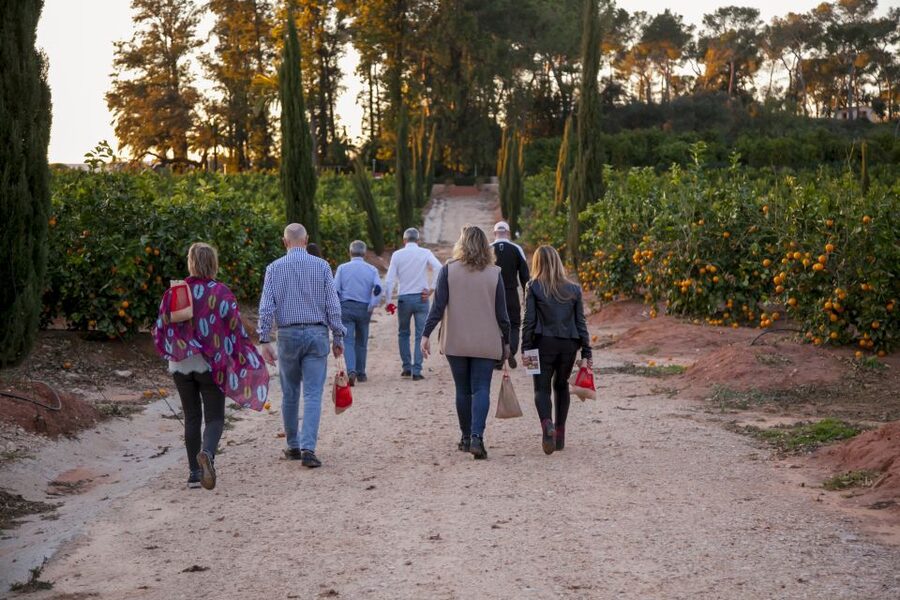
- Pick-your-own oranges in season (Feb–Jun bag window) so you leave with more than tastes
- Naranjas Ribera warehouse calibration to see how fruit gets selected and packaged
- A citrus variety walk that goes beyond oranges into yuzu, Buddha’s Hand, citrus caviar, kumquats, and more
- Tastings that feel like Valencia: orange juice, seasonal tangerines, liqueurs, jams, and orange blossom honey
- Family-history farming setting since 1870, with both old traditions and practical updates
Huerto Ribera in Carcaixent: modernist house start and orchard mindset

The tour begins at Huerto Ribera in Carcaixent, a town locals often call the orange cradle. Before you even get into the trees, you get an exterior look at the property’s 19th-century modernist house, plus time to walk through the gardens.
That first stretch matters because it frames what you’re about to see. Citrus here isn’t just scenery. It’s a working system with a long timeline, from cultivation techniques to how fruit becomes products.
The orange farm story since 1870: old cultivation vs what’s changed
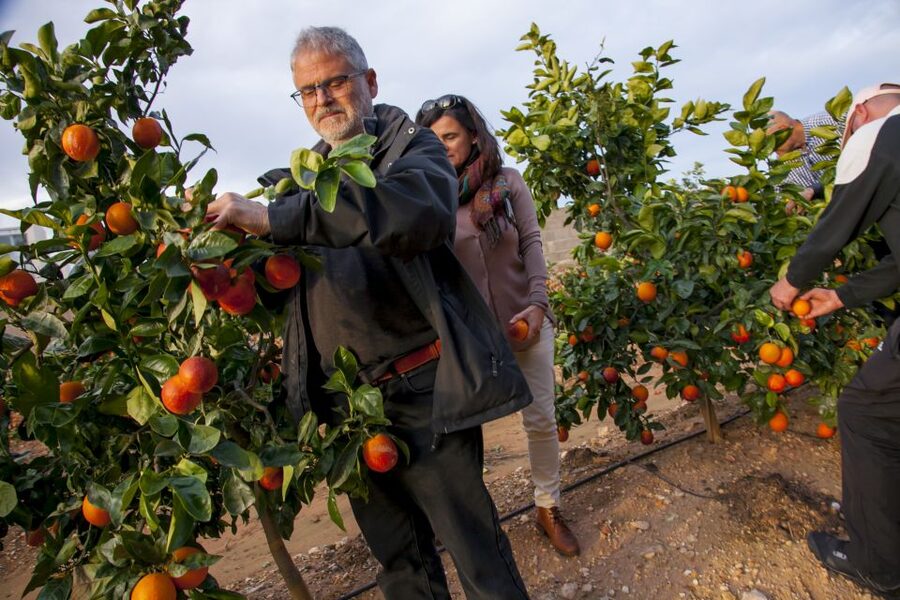
A big reason this tour works is the way the guide connects practical farming with tradition. You’ll walk and learn about things like history, varieties, pruning, grafting, flowering, and how growers manage a crop that has seasons and stressors.
I like that the emphasis isn’t only on romance. You hear comparisons between traditional cultivation and modern techniques, which helps you understand why growers still care about the basics even when tools and markets evolve.
Expect a lot of talking while you stroll. The pace is designed so you can absorb it without feeling stuck in a classroom.
Citrus variety walk: Sanguinelli, yuzu, Buddha’s Hand, and citrus caviar
This is not a one-fruit show. The orchard grounds are planted with a mix of citrus and related fruit, including varieties named on the tour like Sanguinelli, Citrus Yuzu, and Buddha’s Hand.
You’ll also see other plantings beyond classic oranges, such as tangerines, lemons, kumquats, grapefruit, avocados, pomegranates, medlars, papayas, and citrus “caviar.” If you’re the type who likes food tourism that’s actually educational, this part delivers.
One practical note: plant names can move fast when a guide is walking and pointing. If a variety catches your eye, pause briefly and ask what it’s used for or what flavor to expect. You’ll be glad later during tastings.
Pick-your-own oranges: how the season works and what you’ll likely do
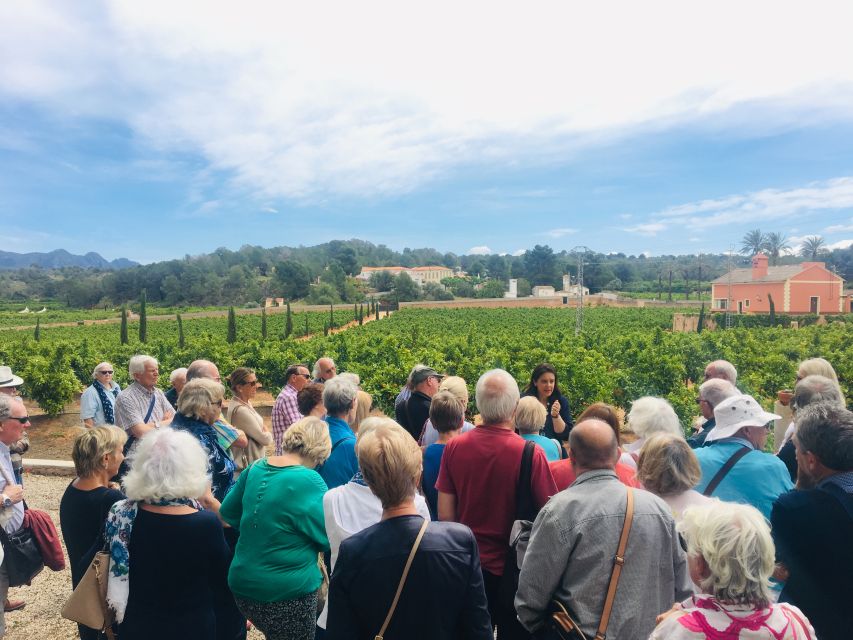
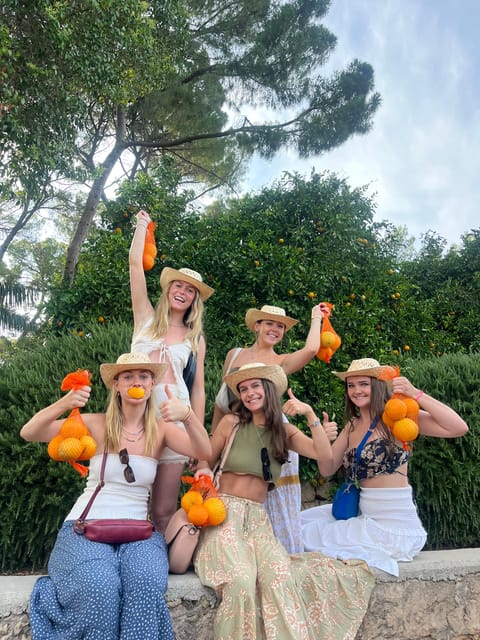
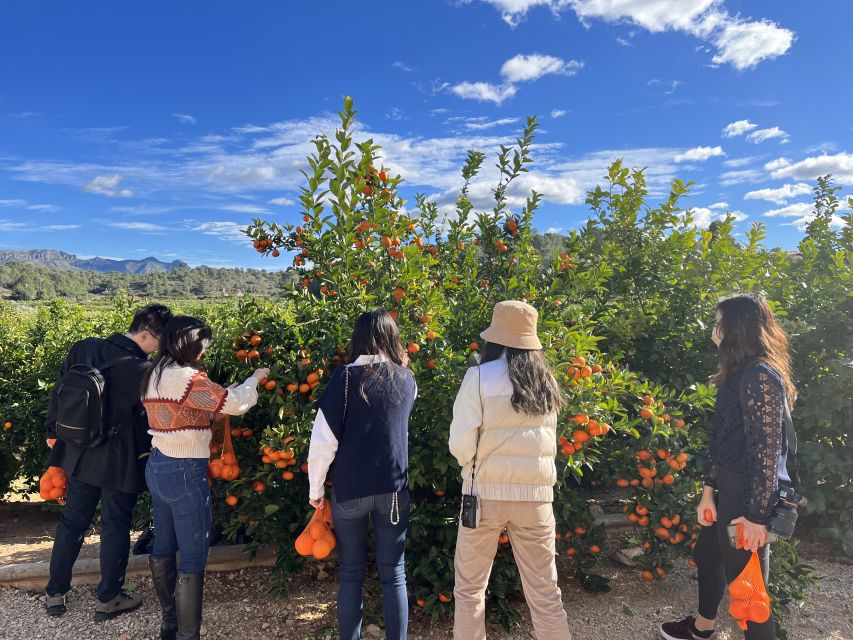
The highlight for many people is taking a bag home. The “pick your own bag” window is listed as February to June, and the harvest season is described more broadly as October through June. In other words, you’re visiting during the chunk of the year when picking is realistic and the orchard is active.
What you do on the ground is straightforward: your guide helps you understand what’s ready, then you collect your own seasonal fruit. The best part is that it makes the farming lessons tangible. You’re not just learning why pruning matters; you’re standing under the result.
For home use, think beyond eating right away. Citrus becomes better once you bring it somewhere cool and treat it like a short-lived ingredient. A freshly squeezed juice moment is the obvious win, but even “normal” oranges turn into better snacks when the fruit is sweet and just-picked.
Naranjas Ribera warehouse calibration: the part most people never see
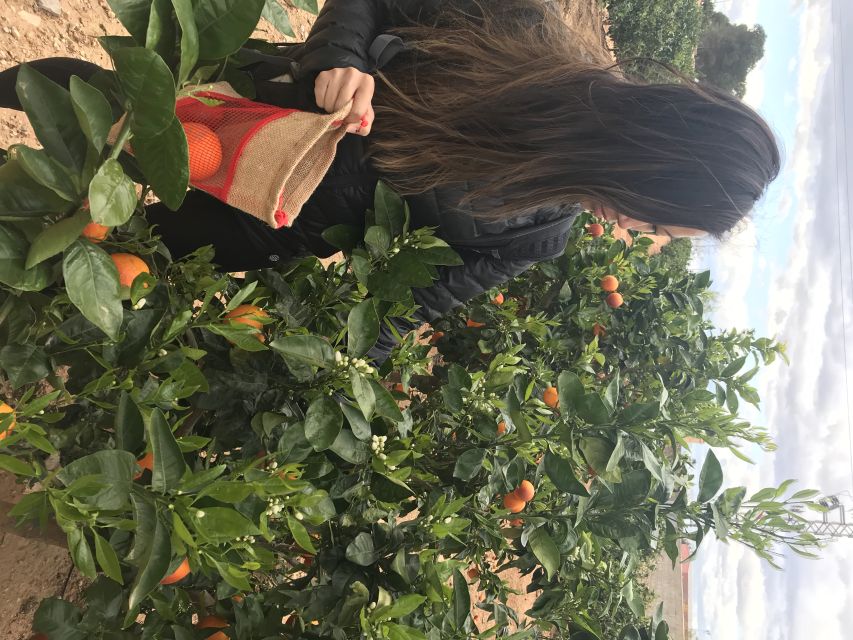
After walking the groves, the tour shifts into a production mindset at the Naranjas Ribera warehouse. This stop is where you learn how growers calibrate and select oranges before sending them in boxes across Europe.
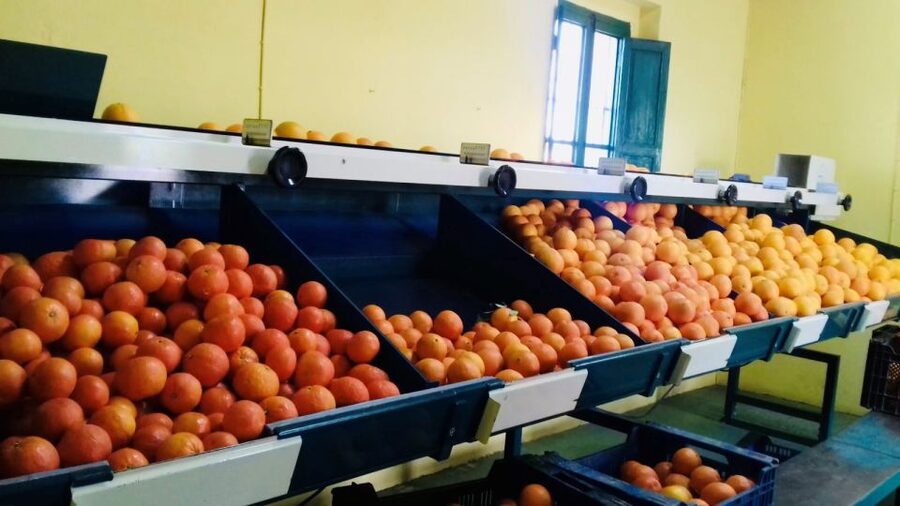
Even if you’re not a produce-nerd, this is a useful reality check. Grocery oranges didn’t just happen. There’s sorting, selection, and packaging that determines what you buy, how consistent it tastes, and how it holds up in transit.
If you like processes, this is your favorite “so that’s how it works” moment. If you’d rather skip industrial steps, don’t worry: it’s still tied directly to what you picked and tasted earlier.
The irrigation well and how the orchard stays alive
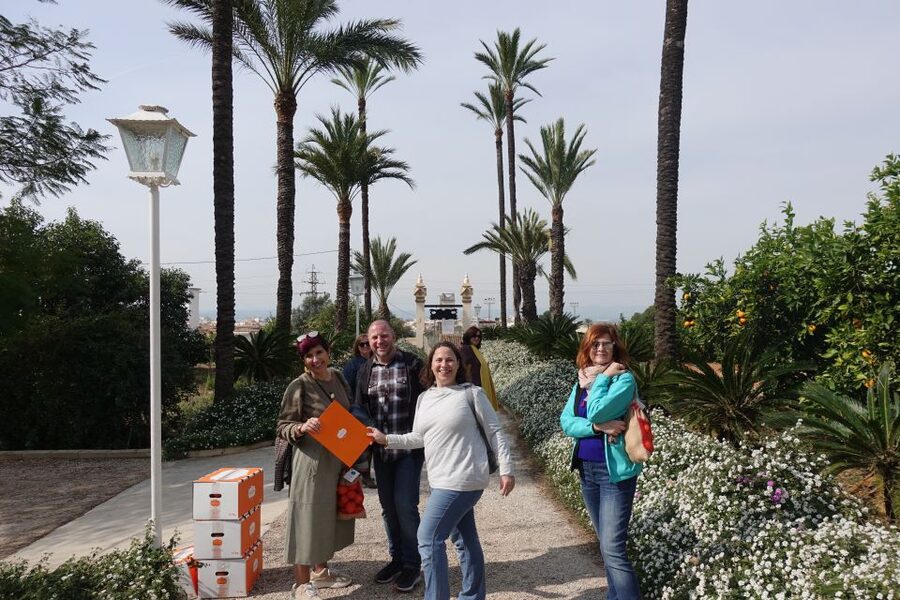
The tour doesn’t ignore the basics of keeping trees productive. You’ll also visit the well that irrigates the orchard.
This is a smaller stop, but it explains something important: Valencia-area citrus depends on careful water management. Seeing where irrigation comes from helps you connect the farm’s geography to the crop’s success.
It’s also a good pause in the rhythm of walking. By the time you get back toward tastings, you’re ready for a break and a cool drink.
Tastings of Valencia orange products: juice, liqueurs, jams, and honey
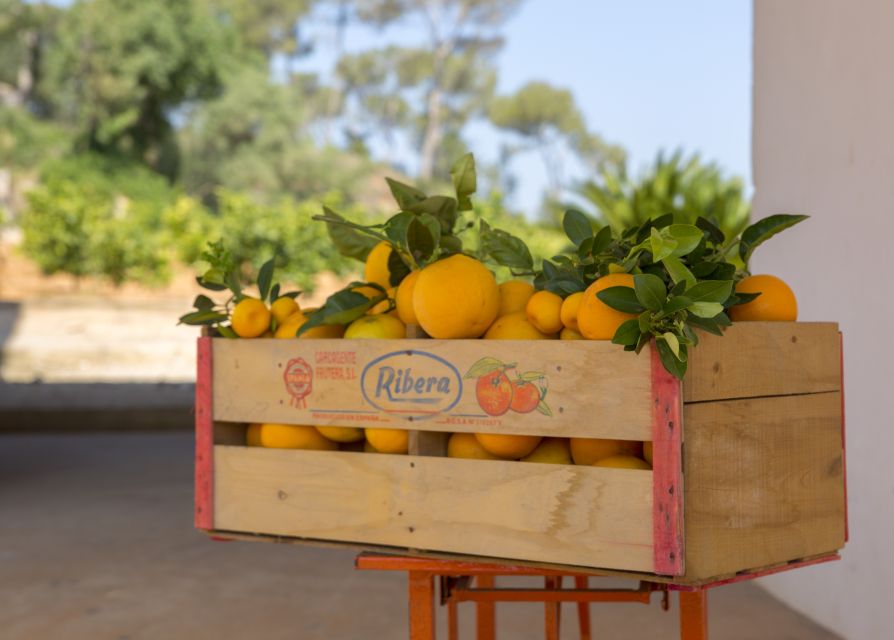
The ending is built around taste, not just certificates of participation. You’ll try typical Valencian products such as orange juice, seasonal tangerines, Valencian liqueurs, homemade jams, and orange blossom honey.
If you’ve ever bought orange marmalade that tastes flat, these tastings show you why it shouldn’t. Orange blossom honey and citrus-based sweets can be strikingly different from what you get in standard supermarkets, especially when they’re made from fruit grown on-site.
Many guides also include small extras at the start, like lemonade or citrus-based bites, so you start the tour feeling welcome and get refreshed before the walking ramps up.
You’ll also have a shop on-site where you can buy items to bring home. The key is to taste first, then decide. If you know you’ll carry gifts, consider buying products that pack well (jams, honey, and liqueurs tend to be easier than fresh fruit once you’re leaving).
Getting there from Valencia: train options, the 35 km ride, and real-world time
Huerto Ribera is about 35 km from Valencia in Carcaixent. If you’re driving, the meeting point is Huerto Ribera, Polígono Nº 53, 5, 46740 Carcaixent.
If you’re using public transport, the tour info says you can take a direct train from Valencia Nord and it takes about 35 minutes. In practice, people often combine train with a taxi or plan for a walk (one account describes a roughly 30-minute walk from the train area).
Here’s how I’d plan your day: treat arrival time as a buffer problem, not a “set it and forget it” schedule. If your tour starts on time, you should be at the meeting area early enough to deal with station navigation, tickets, and that last-mile step.
Transportation isn’t included, so you want a plan before you commit. If you’re traveling with luggage, factor that in too.
Who should book this citrus farm tour
I’d book it if you want food travel with actual farming details, not just a tasting room. It’s especially good for couples, families, and anyone who likes walking outdoors while learning how a real crop moves from tree to product.
It’s also a strong choice for winter-to-early-summer visits, when picking is part of the experience. If you’re visiting in the hottest months, wear light clothing, and comfortable shoes are non-negotiable.
If you need wheelchair-friendly routes, note that the tour isn’t suitable for wheelchair users based on the activity info.
Should you book Huerto Ribera’s Orange Farm and Tastings?
Yes, if you want a guided orange-farm day that mixes pick-your-own fruit, orchard variety, and tastings of Valencian classics. At $35 for 2 hours, the value comes from getting multiple parts of the citrus story in one go: groves, selection/calibration, and the edible payoff.
I’d say skip it only if you strongly dislike walking in an orchard or you don’t want any handling of seasonal produce. If you’re the type who loves food that comes with context, this one fits.
FAQ
How long is the Huerto Ribera Orange Farm and Orchard Trip?
The tour lasts about 2 hours.
How much does the tour cost?
The price is listed as $35 per person.
Can I pick oranges to take home?
Yes. A pick-your-own bag is listed for February to June, and the orange collecting season is described as October through June.
What do I taste during the tour?
You’ll taste typical Valencian products such as orange juice, seasonal tangerines (when in season), Valencian liqueurs, homemade jams, and orange blossom honey.
Where is the meeting point?
If you come by car, meet at Huerto Ribera, Polígono Nº 53, 5, 46740 Carcaixent, Valencia, Spain.
Is transportation from Valencia included?
No. Transportation is not included, though train access from Valencia Nord is described as about 35 minutes, with an additional local connection needed.