REVIEW · VALENSOLE
Valensole : Visit of a winery and lavender farm
Book on GetYourGuide →Operated by ZEN ROAD VOYAGES EN IMMERSION · Bookable on GetYourGuide
A lavender farm plus a winery lesson is a rare combo. This Valensole outing mixes farm botany with hands-on tasting, and it stays practical the whole way. I particularly like the focus on organic, sustainable know-how and the way you learn to spot aromatic plants by sight and smell. One thing to weigh: you’re walking outdoors, so good footwear and sun protection matter.
You’ll start at an old stone estate south of France, then follow a guided route where the guide explains crops, plants, and how lavender becomes essential oils. If you’re lucky enough to have a guide like Elodie, expect clear, multi-language explanations and lots of specifics about olives, almonds, vines, and more. The possible drawback is simple: there’s no mention of soft drinks or extra refreshments being included, so plan ahead and bring what you need.
In This Review
- Key Highlights Worth Marking on Your Map
- Entering the Stone-Front Farm: Meeting Point and Getting Comfortable
- Estate History Meets Organic and Sustainable Farming on Foot
- Learning Wild Plants and Aromatic Scents the Way a Local Does
- Lavender Distillation: From Plant to Essential Oil
- Vineyards Since 2024: The Added Wine Experience
- What You Taste: Lavender Syrup, Almonds, Olive Oils, and More
- Price and Value for 150 Minutes
- Who Should Book This Tour (and Who Might Not Enjoy It)
- Quick Practical Tips Before You Go
- Should You Book This Winery and Lavender Farm Visit?
- FAQ
- FAQ
- How long is the winery and lavender farm visit?
- How much does the tour cost?
- Is the wine tasting included?
- What tasting items are included with the tour?
- What does the tour teach you?
- Who provides the tour and what languages are offered?
- Where exactly is the meeting point?
- What should I bring for the walk?
- What happens if the weather turns bad?
- Are there any conditions for the tour to operate?
Key Highlights Worth Marking on Your Map
- Organic estate storytelling: history plus current sustainable farming practices
- Plant ID by the nose: learn wild and aromatic plants and their fragrances
- Lavender distillation secrets: how essential oils are made, step by step
- Vineyards since 2024: an added opportunity to see the vineyards and taste wine
- Farm product tastings: lavender syrup, almonds, almond paste, essential oil, and olive oils
- Optional wine tasting for €5: available for those who want more wine time
Entering the Stone-Front Farm: Meeting Point and Getting Comfortable
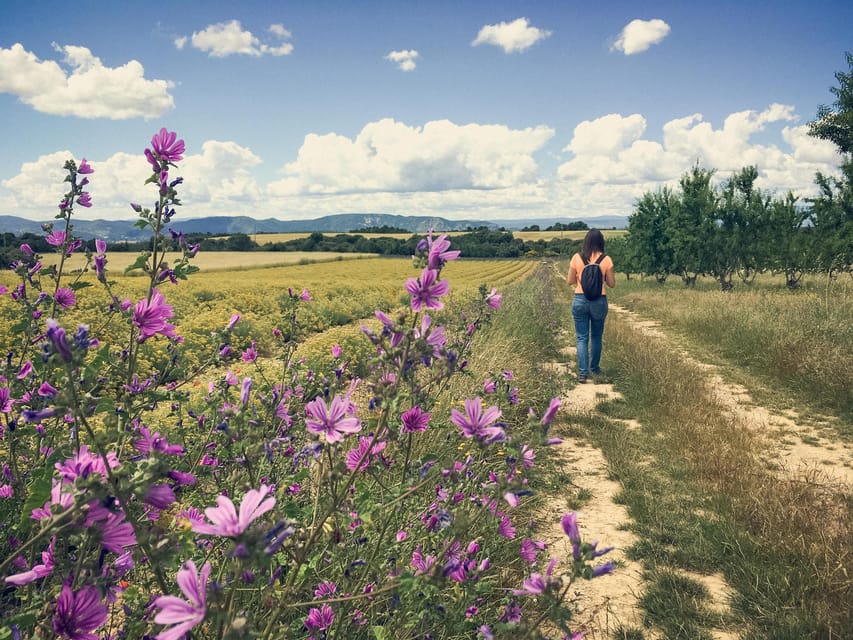
This tour begins at a working farm in Valensole. Look for the lavender-colored sign with the farm’s name, and for the beautiful old stone-made estate. The practical perk: once you drive into the alleyway, you can park right on the field in front of the house.
Because the walk is mainly off-road (and can include paths through some woods), I’d treat this like a light hike even if it’s not hard. You’ll be much happier with hiking shoes and loose, long pants. Plan for sun: bring a sun hat and sun cream, and keep a water bottle with you.
If you prefer to snack at your own pace later, bring a picnic. The activity includes tasting, but the listing doesn’t position it as a full meal.
Estate History Meets Organic and Sustainable Farming on Foot
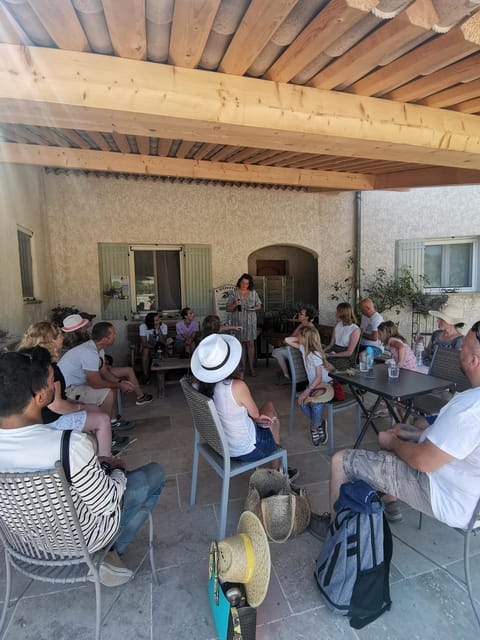
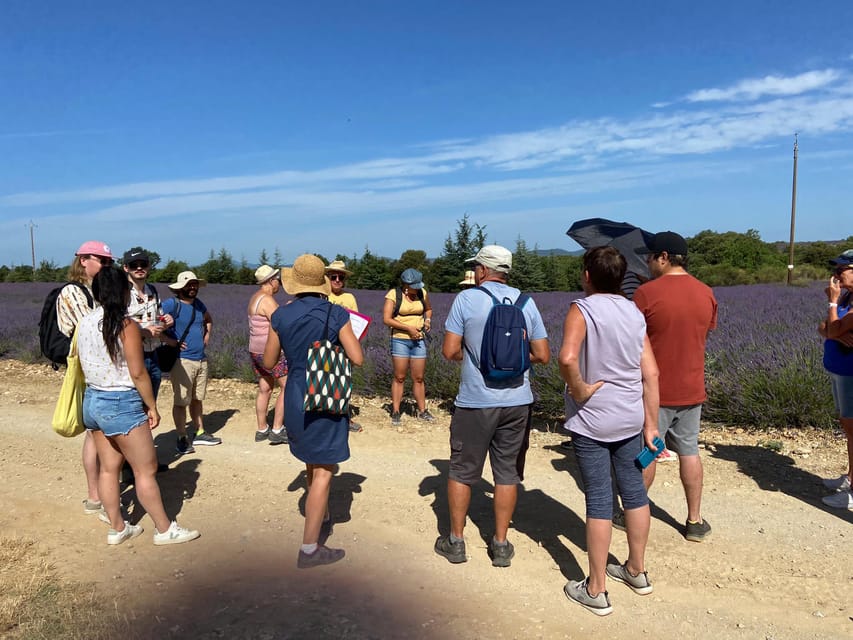
After the welcome, you’re guided through the estate with a clear theme: how this place works. You’ll hear about the estate’s history and see how organic and sustainable agriculture is handled in real life, not just as a slogan.
A standout part is that you’re not only walking with a guide. You’re also set up for a surprise stop with the farmer-agronomist in charge of the estate. That matters because you get to ask the questions tourists usually don’t get answered. You’ll also understand that the farm is managing multiple types of plants—fruit trees, olive culture, vines, plus lavender and other aromatics—so it’s not a one-crop operation.
Also expect a guided stroll that’s designed for learning. You’re moving through areas where the guide explains what you’re seeing and why the farming approach matters for both the plants and the final products.
Learning Wild Plants and Aromatic Scents the Way a Local Does
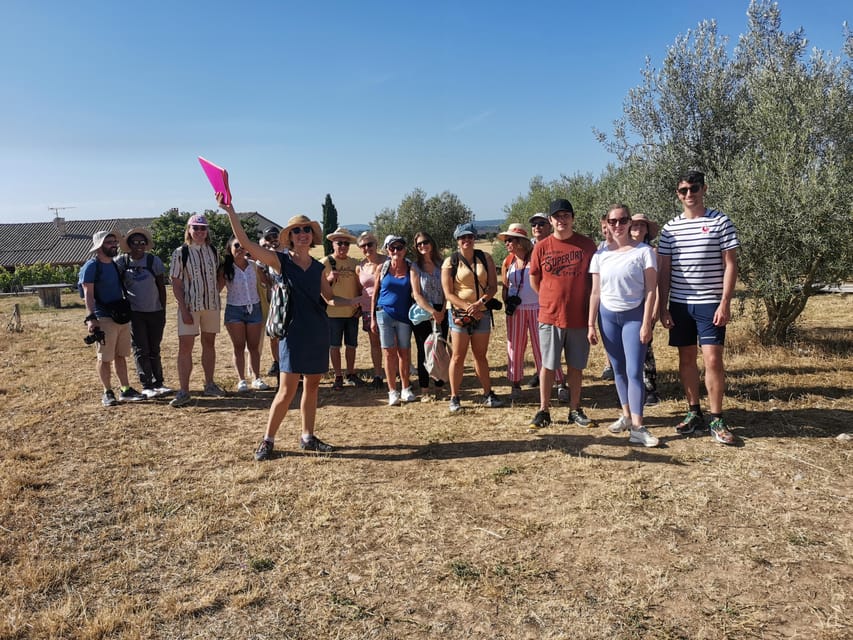
This is where the experience turns from scenic to educational. You’ll learn how to recognize wild plants, and you’ll get help identifying aromatic ones—then you’ll actually experience their fragrances.
The value here is not only knowing names. It’s learning what to pay attention to while you’re standing in the field: how different plants look, how they behave, and how scent tells you something about the plant’s qualities. When you later smell lavender, olive plant, or other aromatics in a shop, you’ll have a mental reference point.
The tour also covers different plants across the estate. You’ll pass through areas connected to olives, almonds, and vines along with the lavender. That mix is helpful if you’re the type who wants more than one photo spot; you’ll leave with a bigger picture of how this region’s agriculture works.
Lavender Distillation: From Plant to Essential Oil
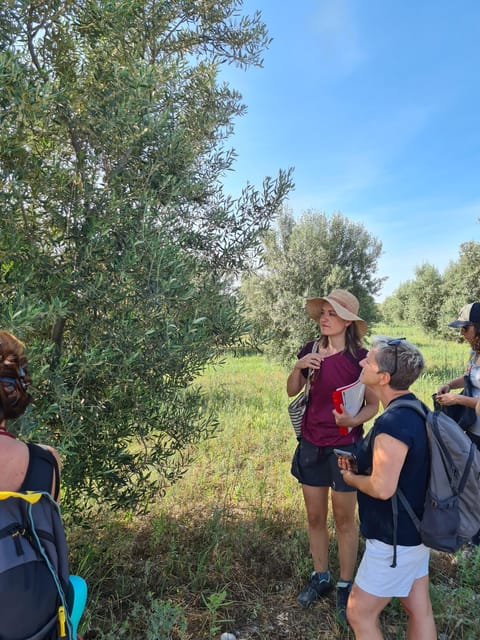
Then comes the distillation lesson—the part that turns the fragrance into something understandable. You’ll learn how lavenders are distilled and transformed into essential oils.
This is one of those topics that can get abstract if it’s taught badly. Here, it’s structured around the process, so you can connect what you smell in the field with what’s made in the distillation step. Even if you don’t care about chemistry, the practical idea lands: essential oils aren’t magic. They come from a controlled process, and that process depends on plant material and handling.
If you’ve ever wondered why essential oils can smell different from brand to brand, this kind of explanation helps you frame what to ask or look for next.
Vineyards Since 2024: The Added Wine Experience
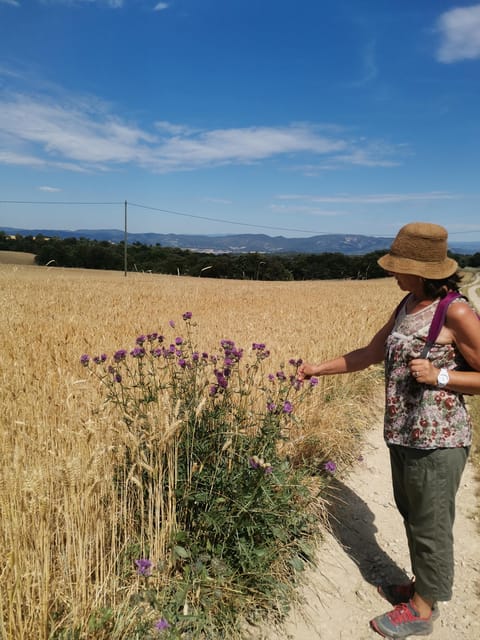
Starting in 2024, the tour includes an exclusive opportunity to visit the vineyards and enjoy an award-winning wine tasting (not automatically included in every departure, but offered as part of the newer experience).
If you want to make the day more wine-focused, this is the moment. You’ll see the vines as part of the estate story, not just as a background for lavender photos. Then you can choose the next step: the wine tasting is optional for €5, and payment can be made by card or cash.
The optional part is smart. If you only want the farm and essential oils lesson, you can keep moving without adding cost. If you’re a wine person, you’ll likely appreciate the extra time and the chance to connect the wine to how the estate is run.
What You Taste: Lavender Syrup, Almonds, Olive Oils, and More
Tastings are included, and that’s a big part of the value at this price point. Instead of only sampling one item, you’ll try a spread of estate products, including:
- lavender sirup
- raw almonds
- almond paste
- essential oil
- different types of olive oil
This lineup helps you understand the farm as a full operation. Lavender syrup and essential oil connect directly to the distillation lesson. Almond products show that the estate’s farming isn’t limited to fragrance. Olive oils tie into the broader agriculture side—again, you’re getting the full system, not just one product category.
Two practical tips: first, go in with an open mind about strong scents. Essential oil isn’t subtle, and tasting it is more like smelling and learning than eating. Second, if you’re sensitive to very aromatic flavors, take a slow pace with the tasting portions.
Price and Value for 150 Minutes
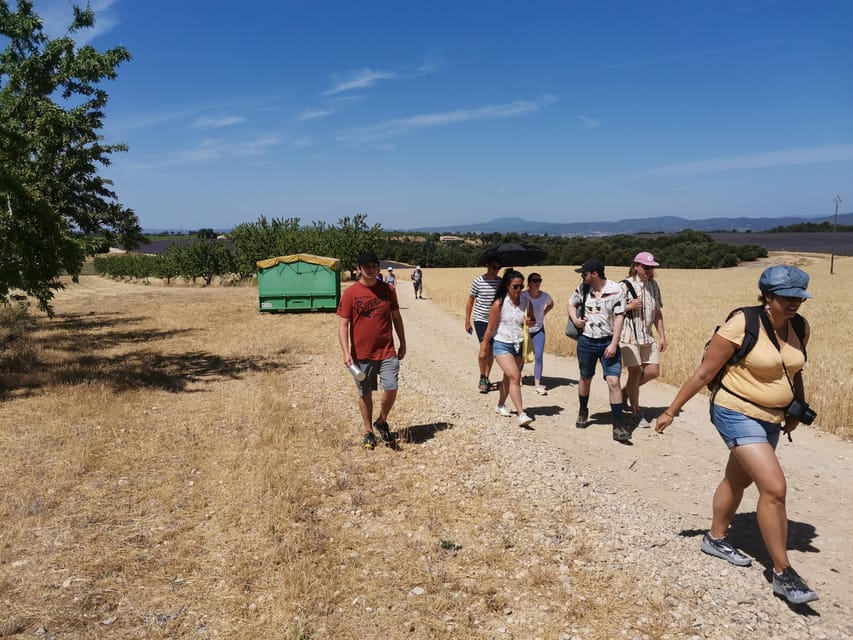
At $38 per person for about 150 minutes, this sits in the mid-range for French farm tours. What justifies the cost is what’s included:
- guided estate walk with farming and plant learning
- distillation explanation tied to essential oils
- vineyard visit
- multiple product tastings (lavender syrup, almonds, almond paste, essential oil, olive oils)
- optional wine tasting for a small add-on of €5
A lot of tours sell a photo walk. This one sells information you can use: plant identification, why distillation matters, and how organic practice shows up across crops. If you enjoy learning with your eyes and your nose—rather than just collecting lavender souvenirs—you’ll likely feel the value quickly.
Who Should Book This Tour (and Who Might Not Enjoy It)
You’ll likely love this if you:
- want more than lavender fields and want real farm knowledge
- like hands-on explanation, especially about how essential oils are made
- enjoy tastings that represent multiple crops (lavender, almonds, olives, vines)
- prefer small-group learning with a live guide
You might hesitate if you:
- hate outdoor walking in sun or dry conditions
- want a tour that feels like a typical museum-style sit-down experience
- expect included drinks beyond tastings (the listing doesn’t mention them)
Quick Practical Tips Before You Go
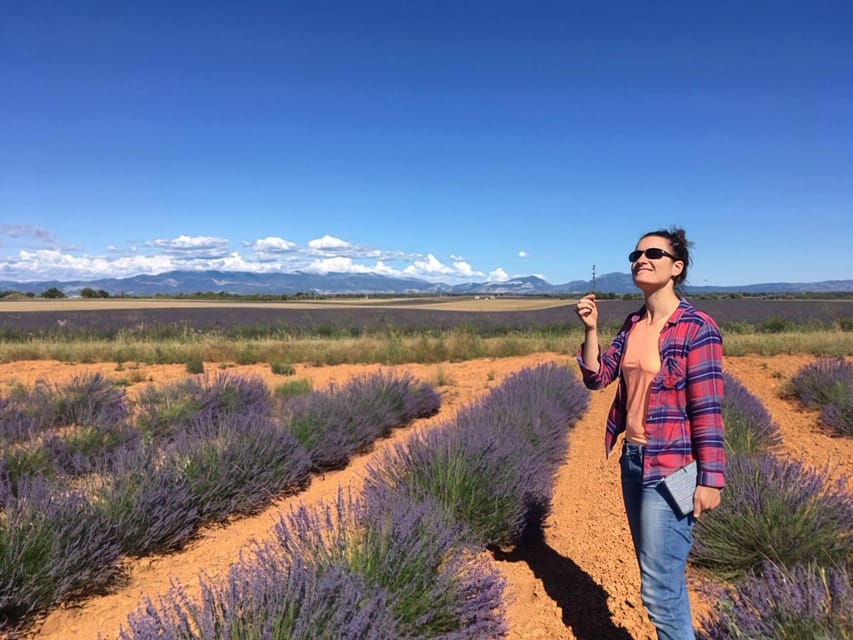
- Wear sturdy shoes with grip. The route can be off-road and through some woods.
- Bring water, sunscreen, and a sun hat.
- Wear loose-fitting clothes and consider long sleeves if you’re sun sensitive.
- If you’re hungry later, bring a picnic. Tastings are included, but that’s not the same as a meal.
- Plan for weather disruptions. Outings can be canceled and refunded if thunderstorms hit with an orange weather alert, or if the prefecture decides to close the area.
Should You Book This Winery and Lavender Farm Visit?
I’d book it if you’re the kind of traveler who likes to go home with skills, not just photos. The standout reason is the combination of organic farming education with lavender distillation plus an actual spread of tastings—lavender syrup, almonds, essential oil, and multiple olive oils. That mix makes the time feel purposeful.
If you’re only interested in a quick lavender stroll or you want lots of extra drinks included, you might prefer a simpler, more scenic option. But if you want the story behind what you smell and taste, this is one of the better ways to spend a half-afternoon in Valensole.
FAQ
FAQ
How long is the winery and lavender farm visit?
The tour lasts about 150 minutes.
How much does the tour cost?
The price is $38 per person.
Is the wine tasting included?
Wine tasting is optional for €5, and it’s not included in the base price.
What tasting items are included with the tour?
Included tastings cover lavender sirup, raw almonds, almond paste, essential oil, and different types of olive oil.
What does the tour teach you?
You’ll learn the estate history, organic and sustainable farming practices, how to recognize wild plants, how lavender distillation works, and you’ll also visit the vineyards.
Who provides the tour and what languages are offered?
There is a live guide, and the tour is offered in French, English, and German.
Where exactly is the meeting point?
It’s at the farm itself, marked by a lavender-colored sign with the farm name. You can park on the field directly in front of the house after driving into the alleyway.
What should I bring for the walk?
Bring water, loose-fitting clothes, a sun hat, sun cream, and hiking shoes. A picnic is also suggested.
What happens if the weather turns bad?
If there are thunderstorms with an orange weather alert, or if the prefecture orders closure, the outing can be canceled and refunded.
Are there any conditions for the tour to operate?
A minimum of 7 participants is required, and the tour provider notes that liability and repatriation insurance are mandatory.