REVIEW · KIGALI
Women-led Coffee Farm Trek
Book on Viator →Operated by Question Coffee - Coffee Experiences · Bookable on Viator
Coffee with a mission tastes better. In Kigali, this Women-led Coffee Farm Trek shows you how Rwanda’s prized coffee is grown and processed outside Akagera National Park.
I especially love the hands-on focus on how the beans move from farm work to preparation, because you don’t just hear coffee facts—you see the steps. I also like that the day includes a real community stop at the Women’s Opportunity Center, where handicrafts and women’s work are part of the experience, not a side note.
One thing to weigh: it runs about 8 hours, starts at 8:00am, and it depends on good weather. If you’re sensitive to long days or early starts, plan your Kigali schedule carefully.
In This Review
- Key highlights worth planning for
- Women-led coffee work near Akagera: what you’re really buying
- The URUGO Eco-Lodge lunch stop: comfortable, purposeful, and timed well
- The drive from Kigali to the co-op world: how the pacing feels
- Seeing coffee cultivation, washing, and preparation in real steps
- The human welcome: song, dance, and your guide’s role
- Handicrafts at the Women’s Opportunity Center: more than a souvenir stop
- Price and logistics: is $150 actually good value?
- Who should book this coffee farm trek (and who might not)
- Timing, weather, and what to plan in Kigali
- Should you book the Women-led Coffee Farm Trek?
- FAQ
- Where does the Women-led Coffee Farm Trek start and end?
- How long is the Women-led Coffee Farm Trek?
- What’s included in the tour?
- How many people are in the group?
- What time does the tour start?
- Do I need to book this in advance?
- Are there any health or safety requirements?
- What happens if the weather is bad?
- Can I cancel for a full refund?
Key highlights worth planning for
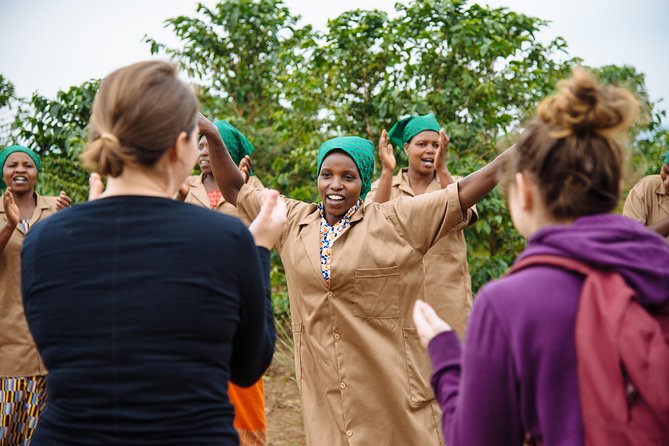
- Women farmers lead the coffee work, so you’re seeing production through the people who do it.
- Small group size (max 15) keeps the pace friendly and the guide can answer questions.
- Song-and-dance welcome sets a warm, upbeat tone the moment you arrive.
- Lunch is included at the URUGO Eco-Lodge at the Women’s Opportunity Center.
- You’ll learn the coffee workflow from cultivation to washing and preparation steps.
- A community stop at the Women’s Opportunity Center ties coffee to handicrafts and local enterprise.
Women-led coffee work near Akagera: what you’re really buying
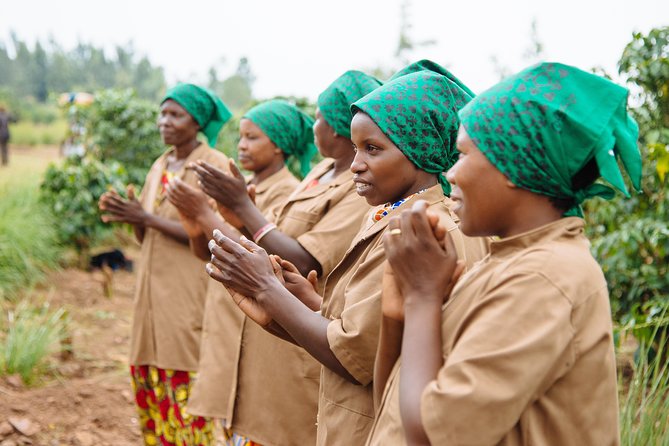
Rwanda coffee has a reputation for delicate, nuanced flavors, but this tour is built around the human part of the story. You go to a working coffee farm operated by women farmers, and you’ll watch the chain of work that turns fresh harvests into the coffee process you care about.
The experience also has a cultural pulse. People arrive ready to greet you with song and dance, and you’re encouraged to join in—good energy, no awkwardness required. That matters because it makes the coffee education feel like conversation, not a classroom.
The URUGO Eco-Lodge lunch stop: comfortable, purposeful, and timed well
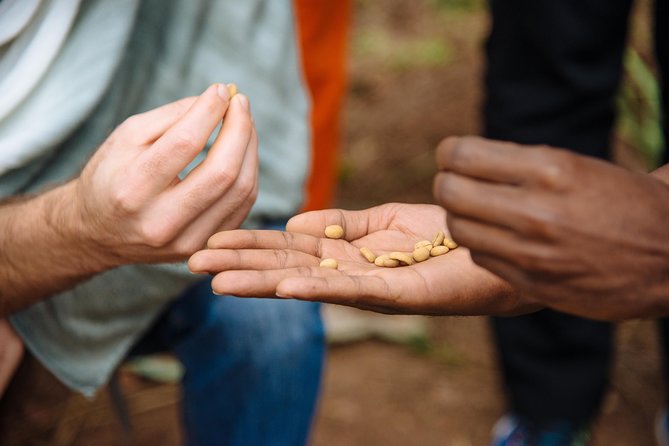
Your first stop is URUGO Eco-Lodge at the Women’s Opportunity Center, where you’ll have lunch. The ticket/admission is included, so you’re not juggling extras while you’re trying to settle into the day.
This is a smart placement in the schedule. After you start at Question Coffee Gishushu and travel out of town, lunch at the center gives you a clear reset point before you move deeper into coffee production. It also links the day’s themes: women’s economic opportunity and local craft work, all in one place.
If you like experiences that move beyond coffee “tour talk” and show the broader picture, this stop does that. You’ll also get to see handicrafts and more, which is a helpful reminder that the coffee economy isn’t just about beans—it’s about livelihoods.
The drive from Kigali to the co-op world: how the pacing feels
The day begins at Question Coffee Gishushu, 8 KG 8 Ave, Kigali, with a 8:00am start. The tour ends back at the meeting point, so you’re not left figuring out transport after a long day.
A common part of the schedule includes heading out to the coffee co-op area (you may hear it referred to as Tuk CoOp). That drive matters because it shifts you from city time to farm time. Kigali can feel busy and compact; once you’re on the road, you start to understand why coffee farming is so tied to the rhythm of the land.
Total time is about 8 hours. For a daytrip, that’s a solid block—enough to learn the process clearly, eat a real lunch, and still come back to Kigali without scrambling.
Seeing coffee cultivation, washing, and preparation in real steps
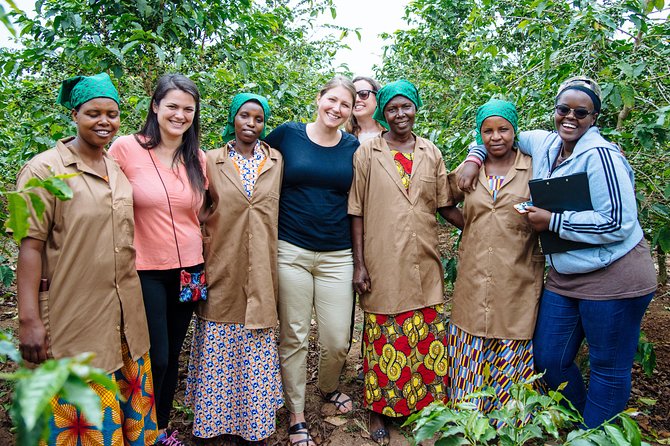
This trek isn’t about vague “coffee grows on trees” talk. You’ll get a thorough introduction to cultivation and how the beans are washed and prepared, so you can connect what you taste later to what you saw earlier.
The most praised aspect here is the step-by-step nature of the experience. You’re shown how harvested coffee is handled, how processing fits into quality, and how the work moves forward toward roasting and final preparation. Even if you’re not a coffee nerd, the flow makes sense because it matches the real production timeline.
This is one of those tours where you’ll likely leave with a calmer kind of curiosity. Instead of memorizing facts, you’ll start asking better questions—like why certain processing steps matter and how farmers’ choices shape the cup.
The human welcome: song, dance, and your guide’s role
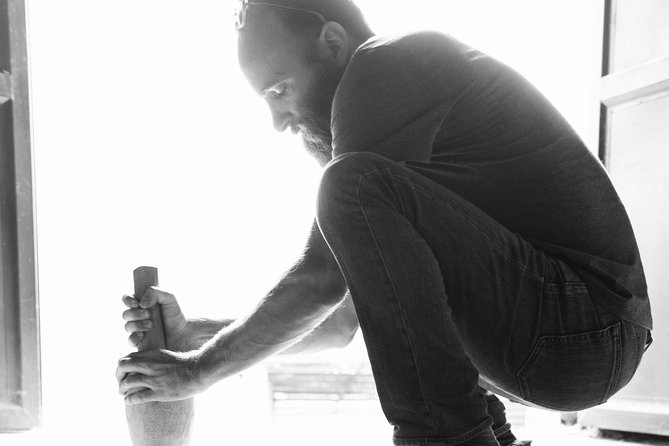
A standout detail from guide experiences is the warm greeting—song and dance when you arrive—and the way you’re invited to participate. It can sound like a “show,” but in this context it feels like a community welcome that sets a respectful tone.
Guide support is also a big part of why the day works. One of the guides named in feedback is Patty, and she’s described as helpful and actively involved throughout the tour. That kind of guided attention makes a difference when you’re learning processes that are normally hidden behind branding and packaging.
For your own planning: if you’re the type who likes asking questions, bring that energy. Small groups (max 15) mean your questions don’t get lost, and you can actually hear the answers.
Handicrafts at the Women’s Opportunity Center: more than a souvenir stop
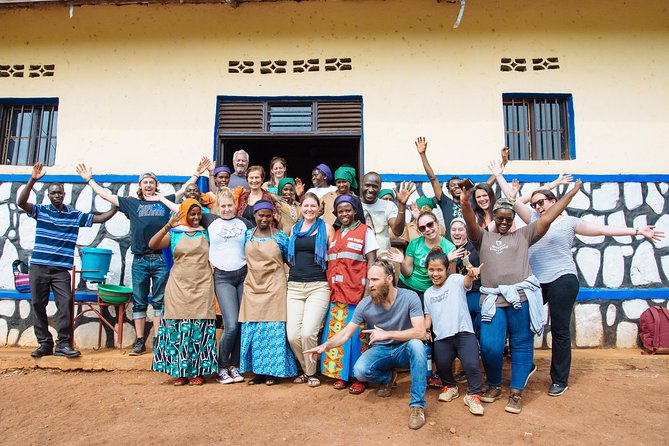
The Women’s Opportunity Center isn’t just a place to pass through quickly. You’ll see handicrafts and other work tied to women’s opportunities, which gives the day a strong social and economic context.
Why this matters for your coffee mindset: it keeps the tour honest. Coffee has a marketing story, but it also has a chain of labor, skills, and decision-making. Seeing local craft work alongside coffee processing helps you understand that empowerment and sustainability aren’t abstract ideas here—they’re part of how value is created.
If you like buying directly from makers, you’ll likely appreciate the chance to look at what’s produced and how it connects to the center’s mission. Just keep in mind that craft browsing can take time, so wear a “slow down” mindset rather than rushing to check items off a list.
Price and logistics: is $150 actually good value?
At $150 per person, the value depends on what you want from a Kigali coffee day. This isn’t just a quick farm photo stop. You’re getting an guided trek that runs about 8 hours, with lunch included, plus admission at URUGO Eco-Lodge at the Women’s Opportunity Center.
It’s also small-group by design, capped at 15 travelers. In practical terms, that means less crowding, more time for questions, and a more personal pace when you’re learning coffee processing steps.
You also get group discounts, which can matter if you’re traveling with friends or colleagues. And the tour uses a mobile ticket, which is convenient when you’re bouncing between stops in a day.
So is it worth it? If you want a coffee experience that links production with people and community work, this price feels reasonable. If you only care about tasting and quick photos, you might feel it’s longer and more structured than you expected.
Who should book this coffee farm trek (and who might not)
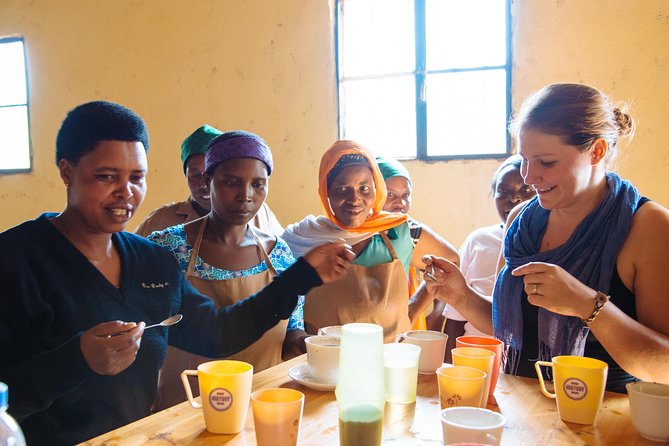
This works best if you enjoy learning how everyday products are made, especially when the story is tied to real community leadership. You’ll likely fit the vibe if you’re interested in women’s empowerment, sustainability, and the practical side of coffee production—not just the end result.
It’s also a good fit for most travelers, since the tour notes that most people can participate. Still, remember it’s a farm-focused daytrip, so you should expect to be outdoors for stretches and to walk around during explanations and demonstrations.
If you’re traveling with kids, keep in mind the day is about 8 hours starting at 8:00am. You’ll be able to choose your level of engagement, but this is not a short, low-effort activity.
If you’re in Kigali for only a day or two and you hate early mornings, you might prefer something later in the day—because this one is scheduled to start promptly.
Timing, weather, and what to plan in Kigali
This experience needs good weather. If conditions are poor, it may be canceled and you’ll be offered a different date or a full refund. That means it’s smart to avoid scheduling your most important Kigali plans on the same morning as the trek.
On top of that, confirmation happens within 48 hours of booking, depending on availability. Since the tour is commonly booked about 27 days in advance, don’t wait until the last minute if you want a spot.
Practical tip: build a little buffer around it. Since you’ll return to the meeting point at the end, you can plan an evening activity in Kigali after you’re back—but I’d avoid stacking anything that assumes you’ll still have energy.
Should you book the Women-led Coffee Farm Trek?
If you’re choosing between coffee tours in Kigali, I’d steer you toward this one when you care about production details and people. The small group size, the women-led focus, lunch at URUGO, and the welcome with song and dance create a day that feels both educational and genuinely human.
Book it if you want a clear view of how coffee is cultivated, washed, and prepared, and you want the Women’s Opportunity Center included in the story. It’s also a great choice for travelers who appreciate when cultural moments aren’t tacked on—they’re part of the flow.
Skip it only if you’re trying to pack in ultra-tight timing, dislike early starts, or don’t want to be outdoors for hours. Otherwise, this is the kind of tour that leaves you with more than photos: you’ll understand the coffee process—and the community behind it.
FAQ
Where does the Women-led Coffee Farm Trek start and end?
The tour starts at Question Coffee Gishushu on 8 KG 8 Ave, Kigali, Rwanda. It ends back at the same meeting point.
How long is the Women-led Coffee Farm Trek?
The duration is about 8 hours (approx.).
What’s included in the tour?
Lunch is provided, and admission tickets are included for the URUGO Eco-Lodge stop at the Women’s Opportunity Center.
How many people are in the group?
The tour is limited to a maximum of 15 travelers.
What time does the tour start?
The start time is 8:00am.
Do I need to book this in advance?
On average, it’s booked 27 days in advance, so booking ahead gives you a better chance of getting your preferred slot.
Are there any health or safety requirements?
The tour information notes that negative COVID-19 test results are required and a mask is required.
What happens if the weather is bad?
The experience requires good weather. If it’s canceled due to poor weather, you’ll be offered a different date or a full refund.
Can I cancel for a full refund?
Yes. You can cancel up to 24 hours in advance for a full refund, based on local start time.