REVIEW · BUNDABERG
Bundaberg: Monsoon Aquatics Coral Farm Guided Tour
Book on GetYourGuide →Operated by Monsoon Aquatics Coral Farm Tours · Bookable on GetYourGuide
Coral farms can be fascinating. A Monsoon Aquatics guided tour shows you how a working coral farm grows reef life, explains the science behind it, and lets you see the results up close.
What I like most is the behind-the-scenes feel: you’re not just staring at coral, you’re learning how it’s cultivated in a real facility. I also love the small, guided pace, with time to ask questions and get explanations that work for both adults and kids.
One consideration: this isn’t a classic, big-tank aquarium walkthrough. If you’re expecting flashy fish-first visuals, you may find it more tank-and-education focused than you hoped, especially for very young kids.
In This Review
- Key things to know before you go
- Why Bundaberg’s Monsoon Aquatics Coral Tour Feels Different
- Finding the farm near Port of Bundaberg
- A one-hour tour with a clear flow (and real wow moments)
- Inside the coral-growing operation: tiles, tanks, and what you’re really seeing
- Coral feeding demonstrations that make the science feel real
- Reef restoration research: hopeful context, not guilt
- Clownfish at the end: the payoff for kids and the adults who hum along
- Price and value: where $22 really goes
- What to bring (and what not to): the visit rules that keep the experience smooth
- The guide’s style matters more than you think
- Is this tour good for your family or your reef obsession?
- Should you book the Monsoon Aquatics Coral Farm Guided Tour?
- FAQ
- How long is the Monsoon Aquatics Coral Farm guided tour?
- How much does the tour cost?
- Where do I meet my guide?
- Is the tour available year-round?
- What should I wear?
- Can I bring food or drinks?
- What language is the tour guide?
- Is the tour wheelchair accessible?
Key things to know before you go
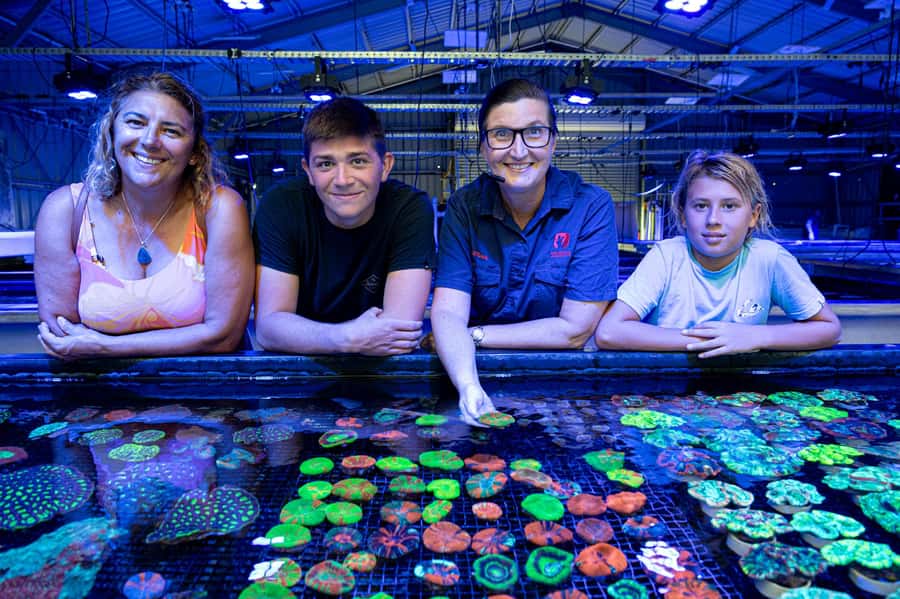
- A working coral farm, not a museum: you’ll see how coral is grown and cared for
- Live coral feeding: watch demonstrations as part of the learning
- Huge scale: explore over 70,000 corals and 200 marine species
- Reef restoration research: you’ll hear how the work supports rebuilding the reef
- Clownfish at the end: a friendly finale for kids and adults alike
Why Bundaberg’s Monsoon Aquatics Coral Tour Feels Different
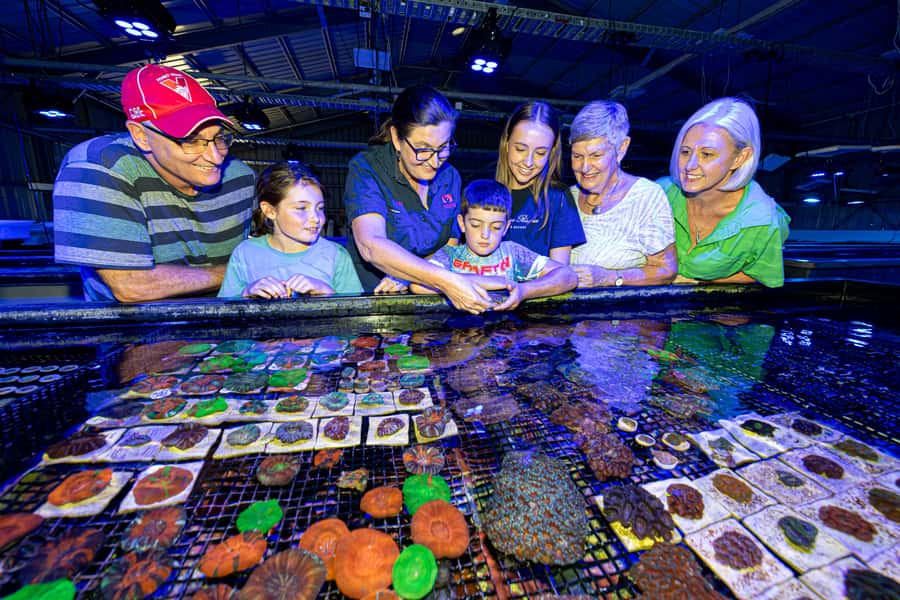
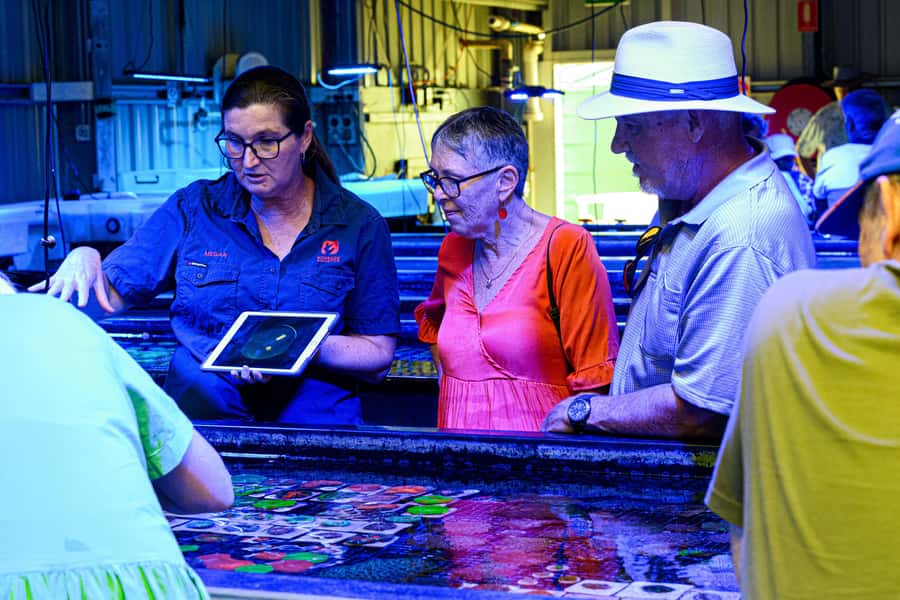
If you’ve ever stood at a reef-related display and thought, Okay, but how does the coral actually grow, this tour answers that question. The Monsoon Aquatics coral farm is set up for cultivation, so the experience is built around process, not performance.
You’ll walk through a working facility where coral is treated like living stock that needs the right conditions and careful attention. Instead of just naming species, the guide helps you understand the whole chain: collecting or sourcing, caring, feeding, and the ongoing research that aims to support the future of the reef.
The best part is how the tour stays personal. The group format is small and intimate, which matters because coral farming is the kind of topic that gets better when you can ask follow-up questions instead of listening to one-way lectures.
You can also read our reviews of more tours and experiences in Bundaberg.

Finding the farm near Port of Bundaberg
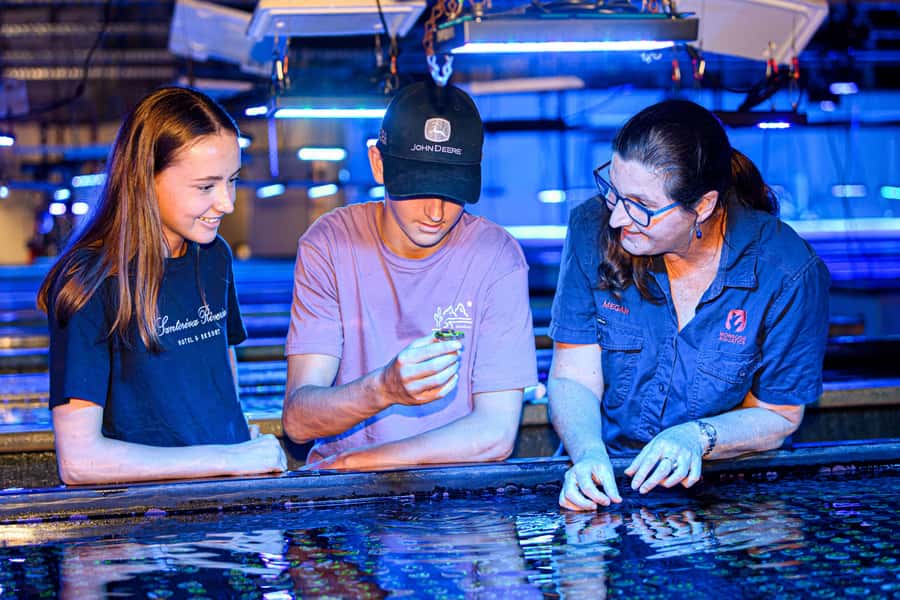
Monsoon Aquatics sits about 20 minutes from the center of Bundaberg, at Port of Bundaberg on the Burnett River. For arrival, plan to drive and use Apple or Google Maps to get there, because older GPS systems may send you to the wrong address.
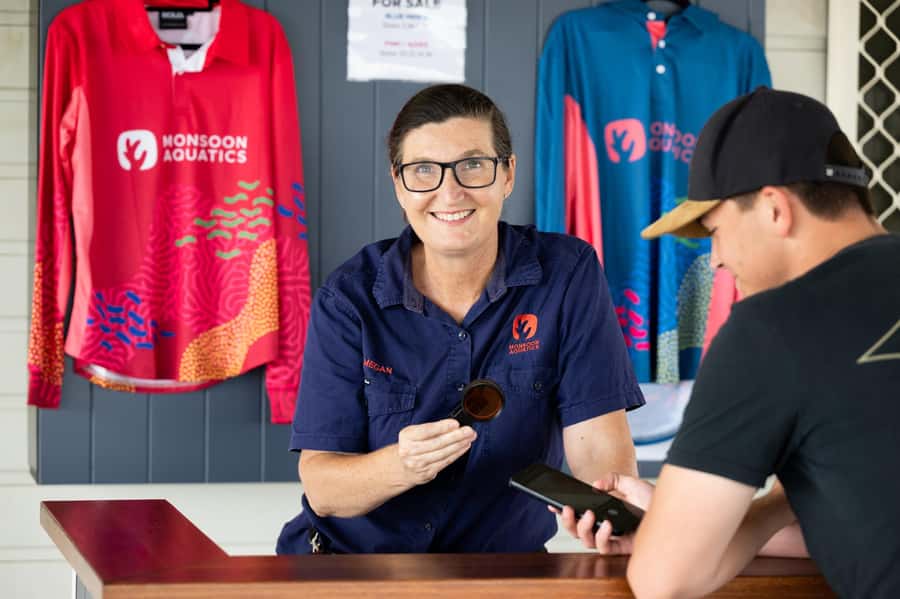
Your meeting point is on the Veranda at Monsoon Aquatics Coral Farm. If you’re using a caravan, you’ll park outside the gate for caravan parking, while onsite parking is available for cars and RVs.
This is a good setup for day-trippers: no complicated transfers, and you can pair the farm visit with other Bundaberg stops the same day. Just remember the tour itself is only one hour, so you’ll want to arrive a bit early to avoid rushing.
A one-hour tour with a clear flow (and real wow moments)
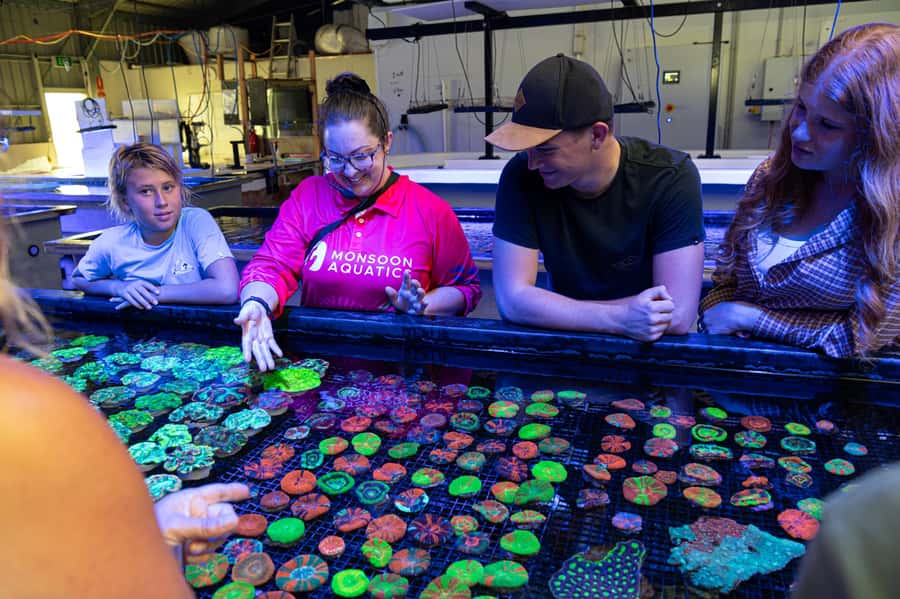
The tour runs for one hour with a live English guide. It’s designed like a guided walk-through of the farm, with explanations that build step-by-step as you move around.
Here’s how the hour typically feels:
- You start with a guided orientation as you enter the coral farm area.
- You then move through areas showing coral growth in a cultivated setting, where you learn how coral is grown and cared for.
- Midway through, you watch live demonstrations of coral feeding, which is a hands-on, up-close highlight.
- The guide also points out the connection to reef restoration research, so the farm doesn’t feel like a disconnected hobby.
- You finish with a crowd favorite: the farm’s clownfish collection.
That clownfish ending is more than a cute finale. It helps you shift from science mode into wonder mode, so kids (and grown-ups who thought they were too old for the Nemo effect) leave with a strong memory hook.
Inside the coral-growing operation: tiles, tanks, and what you’re really seeing
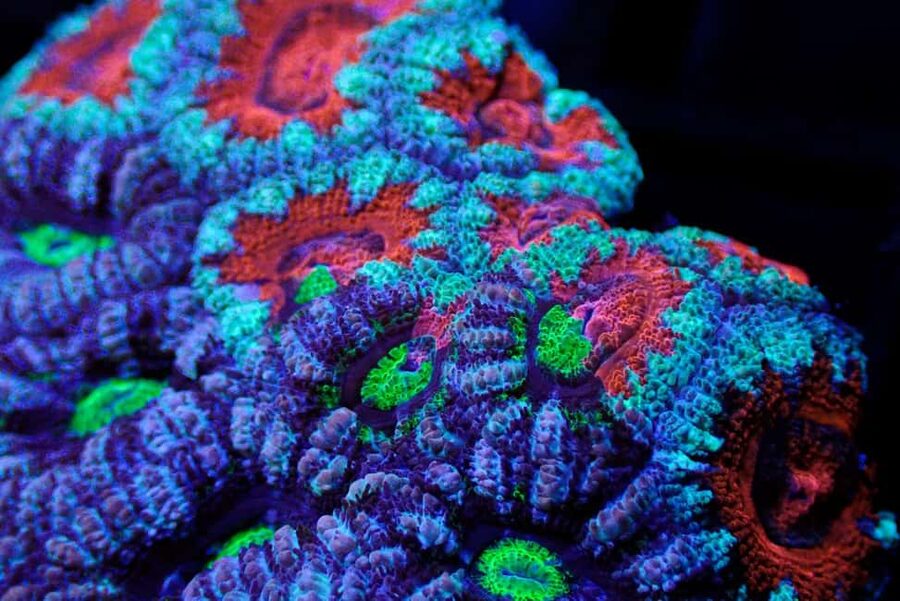
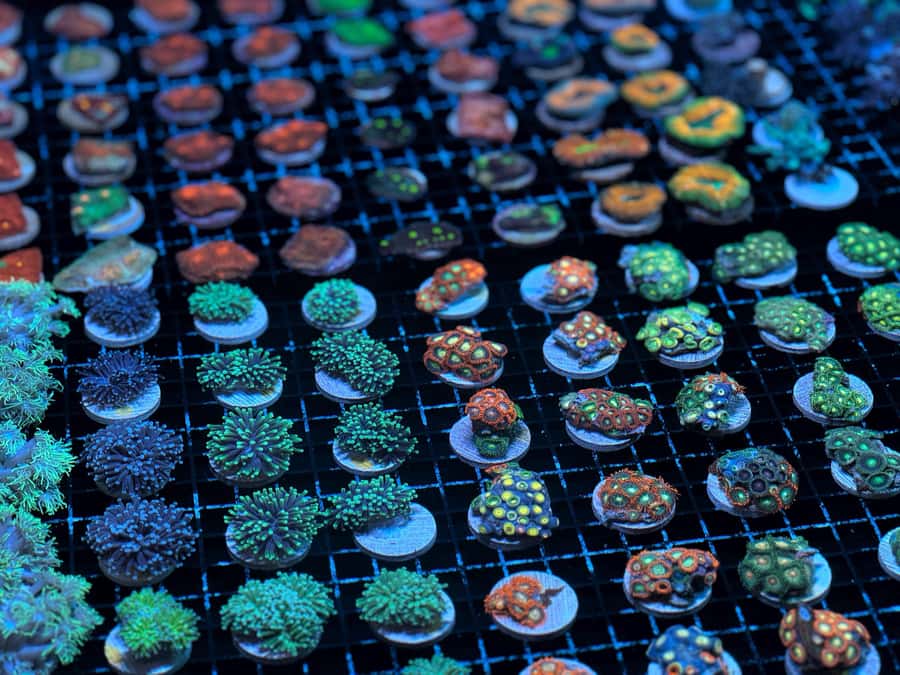
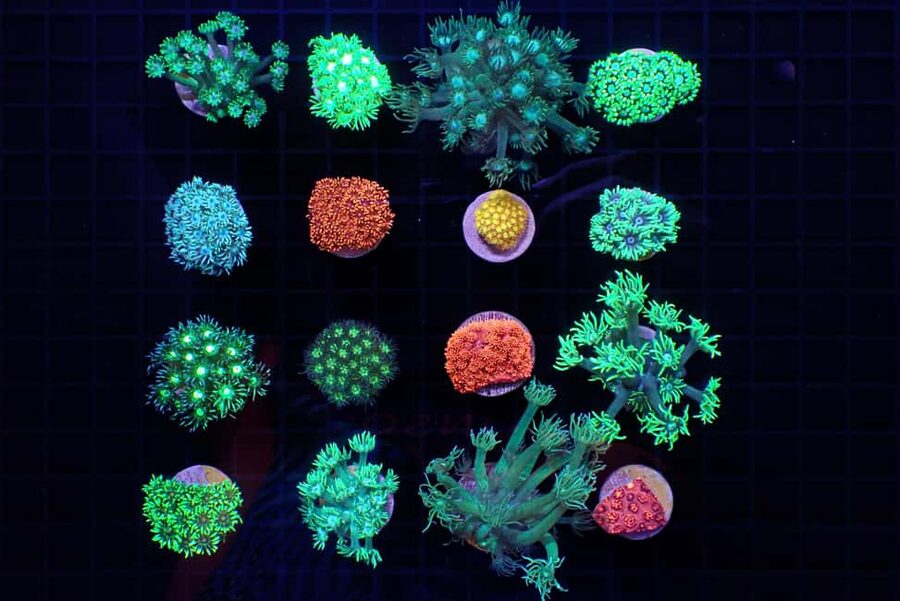
One of the most helpful things the tour does is translate coral farming from a mysterious process into something you can picture. You’ll see the scale of the operation, including over 70,000 corals, and you’ll hear how the farm works with around 200 marine species sourced from different parts of Australia’s coastline.
The layout is tank-based, and coral is cultivated in a structured way. That means the visuals may not look like a single, dramatic “main tank” in the way many aquariums do. One review noted that the tanks-and-tiles setup could sound dry on paper, but the guide’s enthusiasm and clear explanations make it click.
If you enjoy hands-on science, this is exactly your style of tour. Coral isn’t just decoration; it’s living wildlife with needs. When the guide talks through cultivation and the coral feeding demo, you start noticing details you might otherwise overlook: growth habits, the reason behind careful care, and why certain steps matter.
Coral feeding demonstrations that make the science feel real
The tour includes live coral feeding demonstrations, and this is one of the best reasons to book. Feeding is where the topic stops being abstract. You can connect the guide’s explanation to something tangible you see in real time.
You’ll also get a better sense of why the farm cares about routines and consistency. Coral growth is slow compared to many other animals, which means the daily work really adds up. Watching feeding makes that effort feel concrete, not just explained.
This is also where questions tend to come naturally. If you want to know how feeding relates to health, growth, and restoration research, the guide is in a good position to answer because you’re right there in the action.
Reef restoration research: hopeful context, not guilt
A lot of reef-related experiences risk turning into doom-and-gloom lectures. This one takes a more practical angle: you’ll get a glimpse into research supporting reef restoration.
Why that matters for you: it changes what you take away. Instead of leaving with only sadness or worry, you leave with the sense that the work is underway. The farm’s role in coral reproduction and restoration support is part of why the tour feels meaningful, not just educational.
And yes, the “hope” angle is real here. The program explicitly focuses on responsible coral reproduction, so you can feel like your ticket supports the kind of conservation work that’s trying to do more than just raise awareness.
Clownfish at the end: the payoff for kids and the adults who hum along
The final stop is the clownfish collection, and it’s smart in a practical way. After an hour of learning about tanks, coral growth, and restoration research, it’s a release valve.
You get an easy visual reward that helps the concept sink in. Even if you only catch a few details from the earlier science talk, seeing clownfish as part of a reef-themed learning journey gives you an ending that feels warm and memorable.
If you’re traveling with kids, this ending often determines whether they call the tour fun or boring. If you’re traveling as an adult, it’s a simple reminder that marine life isn’t just data. It’s still a living world you can relate to.
Price and value: where $22 really goes
The tour costs $22 per person and lasts one hour. That’s not a budget-buster, and it’s also not priced like a massive “thing to do” attraction with big bells and whistles.
So what makes it good value? You’re paying for:
- a fully guided experience,
- access to a working coral farm (not just viewing),
- and educational content that explains how coral is grown, including coral feeding.
If you’re the type who enjoys learning on trips, the price feels fair because you’re not buying a view for the clock. You’re buying guided interpretation and a chance to connect conservation research with something you can see.
If you’re trying to squeeze in multiple activities in Bundaberg, it also works well as a compact, family-friendly add-on. One hour can fit neatly between meals and other stops.
What to bring (and what not to): the visit rules that keep the experience smooth
This tour has a few clear safety and care guidelines, and you’ll feel them right away once you arrive.
Bring:
- closed-toe shoes
- and water only (you may bring water on the tour)
Don’t bring:
- food or drinks
- open-toed shoes
- or bare feet
Also, plan for non-slip shoes, since the floors may be slippery. That’s one of those instructions that saves you from a headache. Reef sites and tank areas can mean slick surfaces, so good footwear isn’t optional.
Onsite, you can also expect a place to grab refreshments and browse: Bundaberg Brewed Drinks, local macadamias, and a gift shop are available. Just note that consuming those items during the tour isn’t what the rules are set up for.
The guide’s style matters more than you think
One standout theme from the experience is the guide’s energy and communication. You’ll want a guide who can translate coral farming into words that make sense, especially when you’re standing next to tanks.
Several comments highlight that the guides used explanations that kids could relate to, stayed engaged with everyone, and were happy to answer questions. That can make a big difference in how you experience the farm’s structure. If you’re wondering why coral farming is fascinating even though it’s “just tanks,” a good guide is what connects the dots.
If you care about getting your questions answered, you’ll likely enjoy this format. Small groups help the conversation breathe.
Is this tour good for your family or your reef obsession?
This experience is a strong fit if you want:
- real conservation context (coral reproduction and reef restoration research)
- a behind-the-scenes look at coral cultivation
- a one-hour activity that won’t eat your whole day
It’s also a smart pick for families because the tour is positioned for all ages and includes a kid-friendly ending with clownfish. Still, if you’re traveling with very young kids who expect a typical aquarium with constant action, keep your expectations tuned. This is educational, and it’s tank-based.
For adults, the value is in the “how it works” explanation: coral farming as art and science, plus the practical demonstrations that show the work in action. If you like structured explanations and care about what makes restoration efforts credible, this is your kind of outing.
Should you book the Monsoon Aquatics Coral Farm Guided Tour?
Book it if you want a guided, behind-the-scenes experience with real conservation purpose and a clear one-hour flow. It’s especially worth it if you like learning while you travel and you’ll enjoy asking questions.
Skip (or adjust expectations) if what you want most is a classic aquarium vibe with big showy display tanks and non-stop entertainment. This tour is about coral farming and restoration research, so it leans educational rather than purely scenic.
If you’re deciding today, here’s an easy rule: if you’d rather understand how coral is grown and supported than just see fish for a quick photo, this is a great use of your time in Bundaberg.
FAQ
How long is the Monsoon Aquatics Coral Farm guided tour?
The tour lasts 1 hour.
How much does the tour cost?
The price is $22 per person.
Where do I meet my guide?
Meet your guide on the Veranda at Monsoon Aquatics Coral Farm.
Is the tour available year-round?
Yes, tours operate year-round, rain or shine.
What should I wear?
Wear closed-toe shoes. Non-slip shoes are required because floors may be slippery. Open-toed shoes and bare feet aren’t allowed.
Can I bring food or drinks?
No. Food and drinks aren’t allowed, but you may bring water on the tour.
What language is the tour guide?
The live tour guide speaks English.
Is the tour wheelchair accessible?
Yes, the tour is wheelchair accessible.