REVIEW · KAMPOT
Kampot: Full-day Countryside Tour with Pepper Farm and Kep
Book on GetYourGuide →Operated by Peppercorn Tuktuk Kampot · Bookable on GetYourGuide
Salt, pepper, and temples—one easy tuk-tuk day. This 8-hour Kampot-to-Kep countryside loop strings together production sites, temple views, and a seaside finish. The drive itself is part of the point, with short stops spaced out so the day feels active but not rushed.
I especially love the pepper tasting at La Plantation, where you can test different peppercorn types and understand how they’re grown and processed. I also like the English explanations from guides such as Mr. Chav and Phalla, who keep the context clear and human.
One possible drawback: salt visibility can depend on timing—if you arrive outside the salt harvesting season, you might miss the bright “salt being made” look in the fields. Harvesting season matters.
In This Review
- Key things that make this tour worth it
- A tuk-tuk day that connects Kampot’s food and history with real views
- Price and value: $26 for a full day with guide, entrances, and pepper tasting
- How pickup and the tuk-tuk ride work in practice
- Salt fields around Kampot: the factory tour and the photo-stop reality check
- Phnom Chhngok cave temple: 203 steps, Shiva brickwork, and a viewpoint reward
- Brateak Krola Lake: a quiet platform with a heavy Khmer Rouge past
- La Plantation pepper farm: how pepper grows and the tasting part
- Kep crab market and seafood: where the day turns into lunch time
- Guide quality: why the English explanations matter more than you think
- Timing, comfort, and what to watch for on the day
- Who this tour suits best (and who might want something else)
- Should you book this Kampot–Kep pepper, salt, and crab tour?
- FAQ
- How long is the tour?
- What is included in the price?
- Is food included?
- Do I need cash?
- Where does pickup usually start?
- Can the tour pick me up from my hotel?
- What language is the guide?
- What are the main stops during the day?
- Is there free cancellation?
- Is the tour suitable for elderly travelers?
- FAQ
- Can I make a fire during the tour stops?
Key things that make this tour worth it
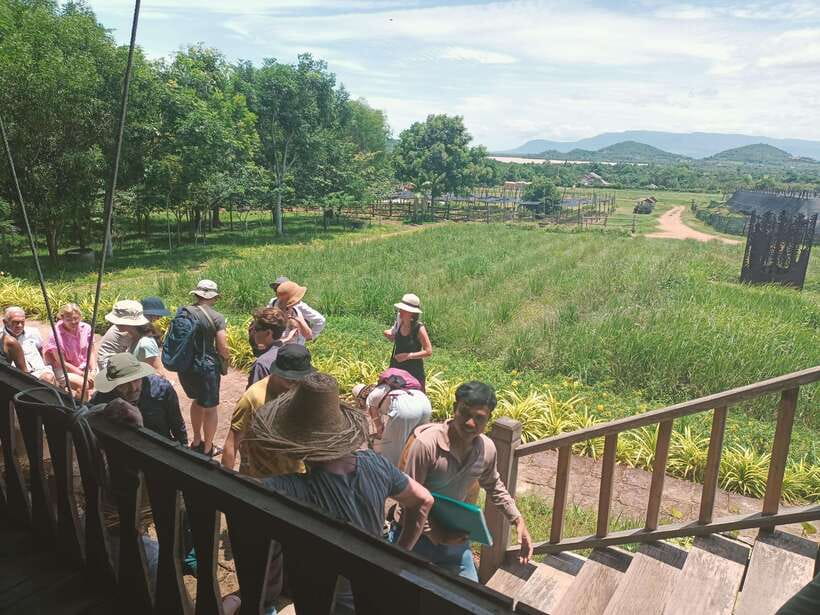
- Tuk-tuk pacing that keeps the day scenic and easy to manage
- Salt factory/salt fields with a guided look at how production works
- Phnom Chhngok cave temple with 203 steps and strong Shiva-era vibes
- Brateak Krola Lake at a raised platform tied to Khmer Rouge forced labor
- La Plantation pepper experience with guided process + pepper testing
- Kep crab market and beach break, including seafood/lunch options
A tuk-tuk day that connects Kampot’s food and history with real views
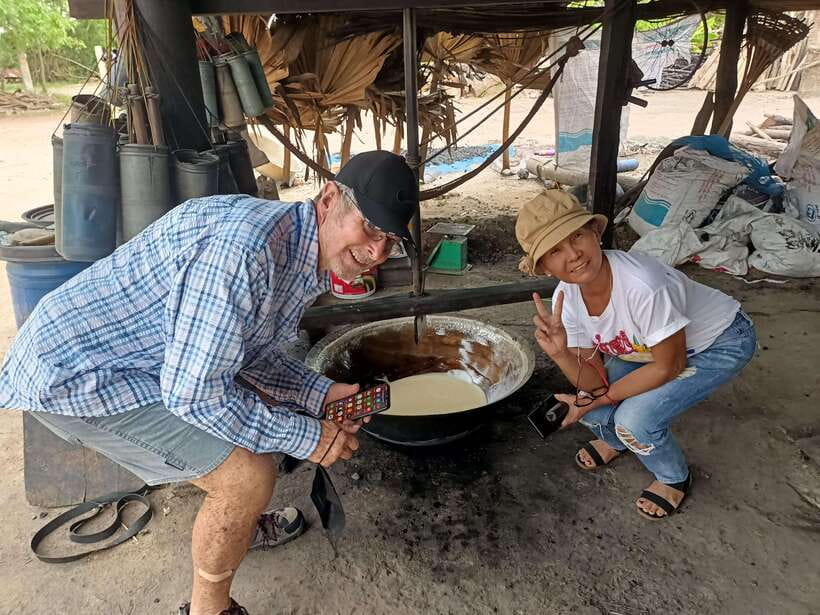
This is the kind of full-day tour that helps you understand Kampot beyond the riverfront. You’ll bounce between countryside work sites, a cave temple with a big viewpoint payoff, and then finish in Kep, where seafood is the point and the pace slows down.
What I like is the mix of “hands-on” and “look at that” stops. The pepper section gives you something to taste and buy. The temple and lake stops give you context and a change of scenery.
You can also read our reviews of more tours and experiences in Kampot.
Price and value: $26 for a full day with guide, entrances, and pepper tasting
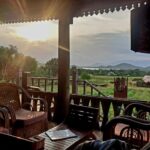
At $26 per person for about 8 hours, the value comes from how much is packed in without making you rush. You’re not just being driven—you get guided visits, entrance fees included, plus water and coconut along the way.
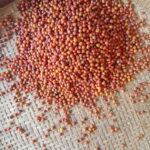
The pepper part is also built into the price: you get a pepper plantation visit with a guided process and peppercorn testing included. Food is not included, but the Kep stop is set up for you to eat there (crab market area), which is usually where the day’s payoff comes from.
If you prefer to spend your money on experiences instead of separate tickets and taxis, this pricing structure fits that style well.
How pickup and the tuk-tuk ride work in practice
The tour normally starts at Opposite Epic Art Cafe in Kampot, but pickup and drop-off can also work from your hotel or restaurant in Kampot town. If your pickup location is farther than 3 kilometers from the meeting point, there can be an extra charge—so it’s worth confirming your exact address.
The mode of transport is a tuk-tuk, and that matters. You’ll feel less boxed-in than a car, and the short drive segments between stops keep the whole day moving in a more relaxed way.
Salt fields around Kampot: the factory tour and the photo-stop reality check
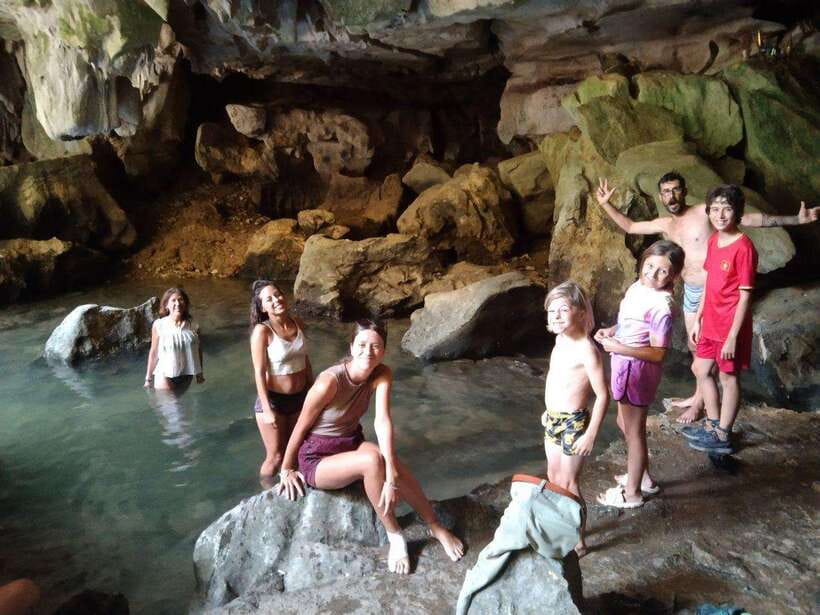
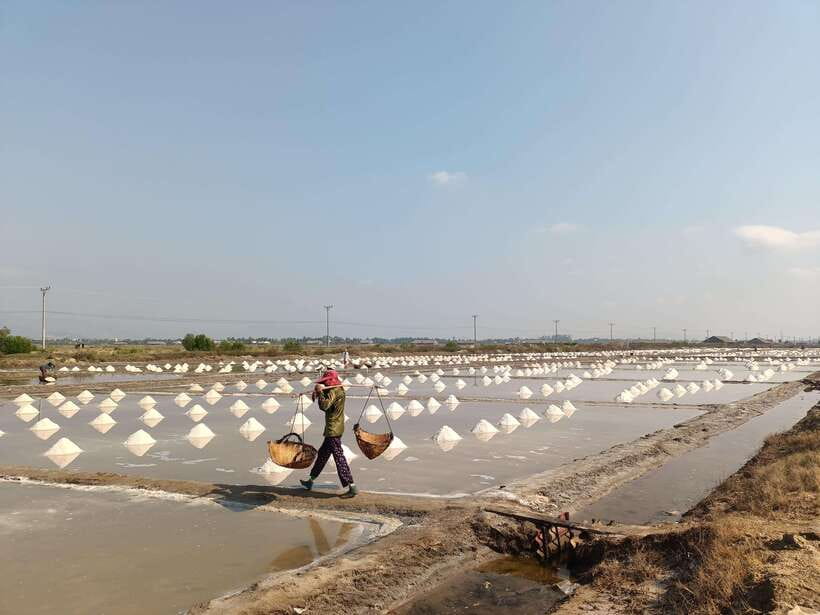
The day kicks off with a short tuk-tuk ride to the salt area. There’s a quick photo stop around the salt fields glamping area—think camera-friendly moments—then a guided visit to a salt-production facility on the outskirts of town.
You learn why salt production matters economically here, and you’ll get the step-by-step idea of how the process works. Even if you’re not into industrial history, the salt story is one of the easiest ways to understand how Kampot’s countryside supports daily life.
The timing caveat is real. One reason this tour can feel a little different day to day is that the salt look depends on whether it’s the harvesting season. If salt is not being harvested when you go, you may see less action than you expected—so keep your expectations flexible.
Phnom Chhngok cave temple: 203 steps, Shiva brickwork, and a viewpoint reward
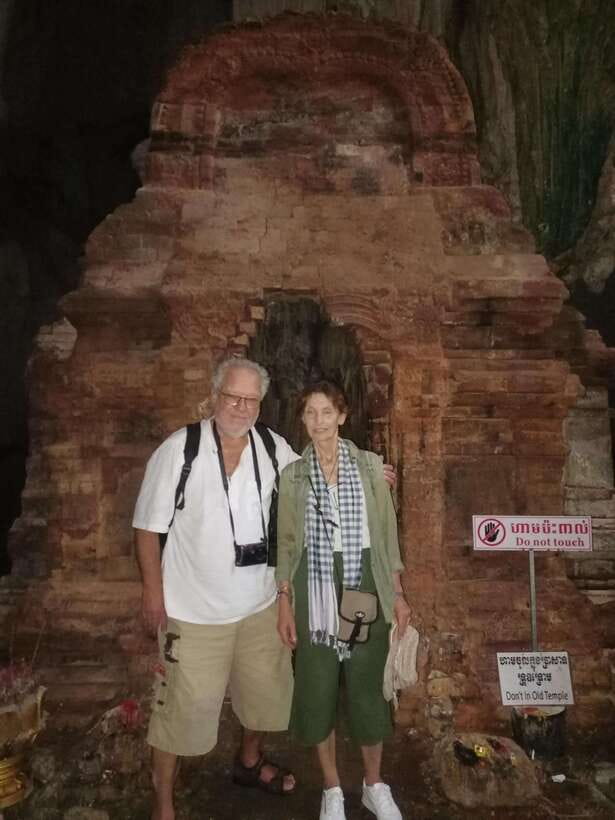
Next up is Phnom Chhngok cave temple, one of the stops that makes the whole day feel worthwhile. The entrance climb is 203 steps, so it’s best if you’re comfortable walking uphill and taking it steady on the way up.
This is also where the tour gives you a clear spiritual and historical anchor. Inside the main chamber, there’s a remarkable 7th-century (Funan-era) brick temple dedicated to Shiva. The experience is part guided visit, part time to look and take photos.
The best part is the payoff: you get wonderful views from the cave entrance. Even on less-than-perfect weather, the viewpoint and the cave setting are the kind of contrast that makes you remember the day later.
Brateak Krola Lake: a quiet platform with a heavy Khmer Rouge past
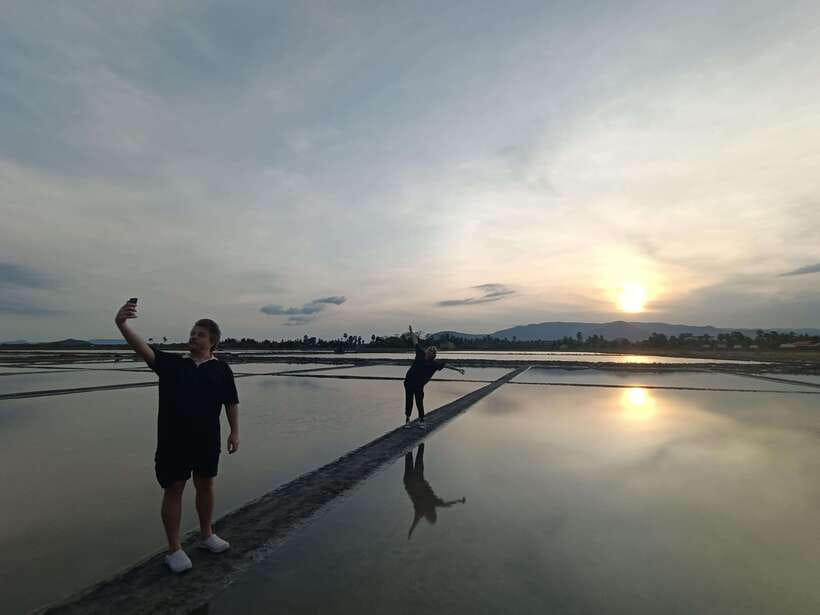
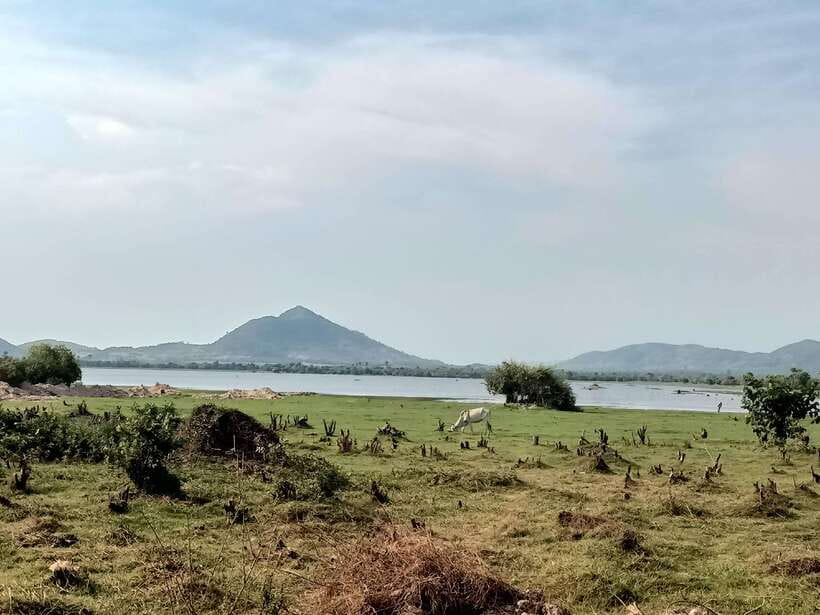
Then you’ll head to Brateak Krola Lake. This one isn’t about pretty scenery—it’s about history you can see, even if it feels uncomfortable.
The lake is described as an artificial lake constructed during the Khmer Rouge era using forced labor. You’ll visit from a raised platform, which helps you take in the scene without needing to wade into rough ground or rush through.
What’s valuable here is that it slows the day down. After salt production and temple climbs, this stop gives you a moment to reflect on what people were made to endure, and it adds real weight to your Kampot countryside understanding.
La Plantation pepper farm: how pepper grows and the tasting part
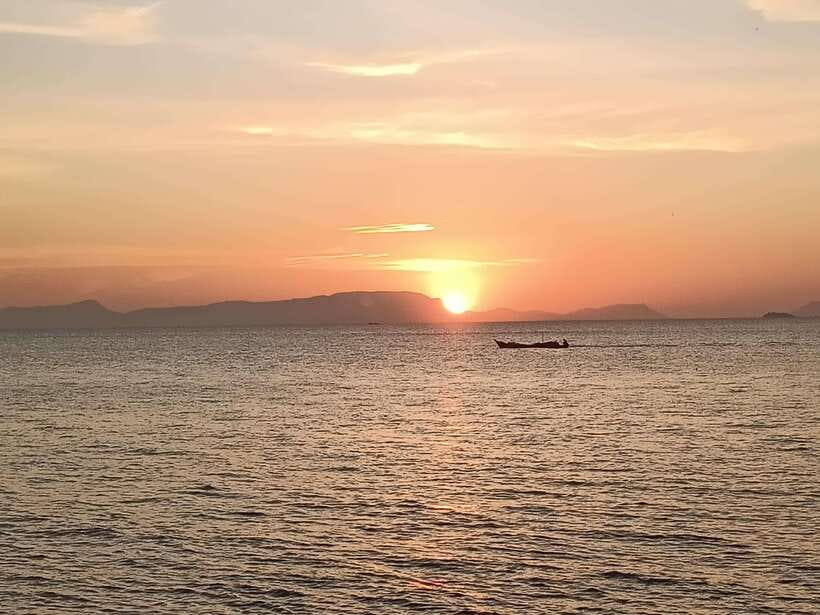
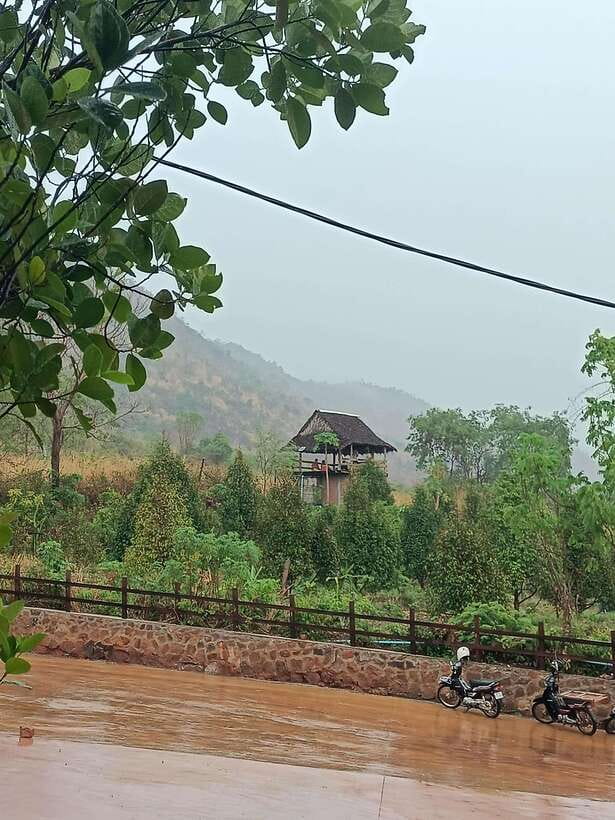
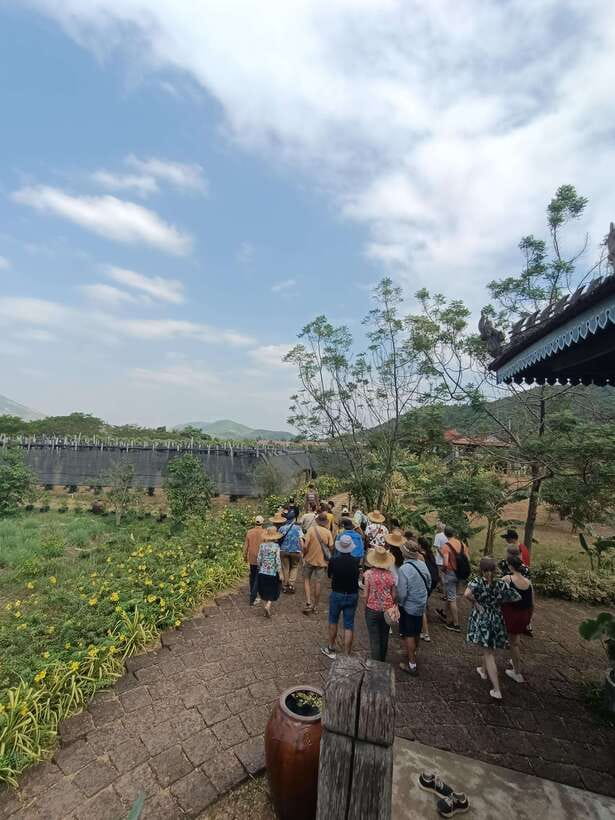
The long countryside stretch goes to La Plantation, a large pepper plantation with plenty of time on site. You’ll get guided time to understand pepper growth and production, and you also get free time afterward for shopping, sightseeing, and walking around.
This is the stop where I’d expect you to pay attention even if you’ve tried pepper before. The guided process makes the plant feel specific to the region, not like generic kitchen seasoning.
Then comes the fun part: pepper testing. You can taste the pepper produced onsite and compare varieties. In nearby conversations about the experience, you might also find small pepper-based treats or drinks for sale (like pepper ice cream or pepper coffee), depending on what’s available that day—so it’s worth having a little extra cash for snacks.
If you like spice shopping, this is also where you can find products connected directly to the plantation. It’s one of the few times you’re buying with a clear story attached.
Kep crab market and seafood: where the day turns into lunch time
After pepper, you’ll transfer to Kep Province and spend time around the crab market area. The tour includes a guided stop plus free time, with opportunities for shopping and walking.
The main idea in Kep is straightforward: eat seafood, especially Kep crab. The tour sets you up to do either a meal at a recommended restaurant or to test seafood options from the market area. A place like The Magic Crab comes up as a recommended choice in past experiences, which gives you a clue that the food isn’t left to chance.
What I like about building Kep into this kind of day is the rhythm. You go from agricultural production and cave steps to a seaside town where you can slow down, sit, and enjoy the payoff meal.
Don’t forget the final part of Kep: you’ll also get beach relaxing time. Even if you don’t plan to swim, the sea air is a nice reset before you head back to Kampot.
Guide quality: why the English explanations matter more than you think
A lot of tours list “English-speaking guide.” This one feels different because the stops are story-driven, and the guide is the thread connecting them.
In the experiences shared with this tour, guides like Phalla, Phealy, Voleak, Pili, Vandy, and Ta are mentioned for being friendly and for giving lots of context. What you’re really buying isn’t just translation—it’s the ability to make sense of salt work, temple symbolism, and the Khmer Rouge-era lake without feeling lost.
Another strong point is pacing. Several guides are described as patient and willing to let you spend a bit longer where you’re interested. That’s helpful at the cave temple, at the pepper farm, and in Kep, where you might want extra time wandering and photos.
Timing, comfort, and what to watch for on the day
This day is built around outdoor walking and a real stair climb. 203 steps is the headline effort, so comfortable shoes matter more than you’d think—even if you’re otherwise fine with normal sightseeing walking.
Bring cash as requested, because you’ll likely want snacks, small purchases, and pepper-related shopping. The tour includes water and coconut, but food in Kep is not included, so plan your lunch budget.
Also remember the rule: no making fire. It’s mostly a safety note for the sites you visit, but it’s good to know before you’re in areas where visitors might be tempted to do something.
Who this tour suits best (and who might want something else)
This works well for:
- You if you want a one-day, big-picture Kampot + Kep overview
- You if you like food experiences (pepper tasting is a highlight)
- You if you want both light sightseeing and heavier context stops (like Brateak Krola Lake)
It may be less ideal if:
- You’re looking for a fully indoor, low-step experience
- You’re expecting the salt fields to look fully “active” at any time of year, since harvesting season can affect what you see
- You’re in the oldest age group noted by the operator (it’s listed as not suitable for people over 95 years)
Should you book this Kampot–Kep pepper, salt, and crab tour?
If you want a day that mixes countryside work, a temple you can climb into, a historically weighty lake stop, and then a proper seafood payoff in Kep, this is a strong option. The $26 price feels fair because entrance fees, guide time, water/coconut, and pepper testing are included, and the tuk-tuk format keeps it from feeling like a rushed bus tour.
Book it especially if pepper and Kep seafood are on your must-do list. If salt fields are your main reason for going, plan with flexibility—timing can change what you visually get at the salt stop, even though the guided production explanation is still the point.
If you’re ready for an active-but-relaxed full day, I’d say this one fits Kampot travel really well.
FAQ
How long is the tour?
The tour duration is listed as 8 hours.
What is included in the price?
Entrance fees, fresh coconut, bottle of water, a guide tour, and the pepper tour with pepper testing are included.
Is food included?
No. Food is not included, though you’ll have time at Kep’s crab market area to eat.
Do I need cash?
Yes. You’re advised to bring cash.
Where does pickup usually start?
The tour normally starts from the meeting point opposite Epic Art Cafe in Kampot Province.
Can the tour pick me up from my hotel?
Yes, pickup and drop-off can be arranged directly from your hotel or restaurant location in Kampot town. Extra charge may apply if pickup is farther than 3 kilometers from the meeting point.
What language is the guide?
The live tour guide is listed as English.
What are the main stops during the day?
You’ll visit salt fields and a salt-production facility, Phnom Chhngok cave temple, Brateak Krola Lake, a pepper plantation (La Plantation), and then Kep including the crab market area and beach time.
Is there free cancellation?
Yes. Free cancellation is available up to 24 hours in advance for a full refund.
Is the tour suitable for elderly travelers?
It’s listed as not suitable for people over 95 years.
FAQ
Can I make a fire during the tour stops?
No. Making fire is listed as not allowed.