REVIEW · KAMPOT
Kampot Pepper Farm, Salt Fields, Crab Market from Phnom Penh
Book on GetYourGuide →Operated by Simon Cambodia Trip · Bookable on GetYourGuide
Salt, pepper, and crabs in one long day.
This trip is interesting because it stitches together three different sides of the coast: Kampot’s colonial town feel, the salt fields that shaped the region, and the food stops in Kep. If you like seeing how people actually make things, not just posing for photos, this day has that practical, hands-on rhythm, with strong guiding feedback like Mr. Vann and Simon (noted for making time fly and explaining local life clearly).
What I especially like is the mix: you get nature (caves and salt flats), plus a very specific taste lesson at La Plantation. I also like that transport is air-conditioned with an English-speaking driver, so you’re not stuck decoding logistics while you’re in a warm, long day.
The one drawback to plan for is the pace and walking: there’s a moderate amount of walking, and it’s not suitable for people with back problems or wheelchair users. Bring the right shoes and assume you’ll spend real time on your feet in the sun.
In This Review
- Key highlights worth planning for
- Phnom Penh to Kampot: the 150 km ride and how to use it
- Kampot’s colonial streets and riverside promenade
- Salt fields in Kep Province: how traditional harvesting works
- Phnom Chhngok Cave: limestone formations and the history pause
- La Plantation organic pepper farm: learning Kampot pepper the practical way
- Kep Beach Crab Market lunch: fresh seafood, real choices
- Timing and what to bring for an 11-hour day
- Price and value: why $87 can feel fair here
- Who should book this Kampot pepper, salt, and crab day trip?
- Should you book this tour?
- FAQ
- How long is the trip from Phnom Penh to Kampot?
- What is the price per person?
- Where does pickup happen?
- What sites are included in the day?
- Is there an English-speaking guide?
- Are entrance fees included?
- Is lunch included?
- What should I bring?
- Is smoking allowed?
- Is cancellation flexible?
Key highlights worth planning for
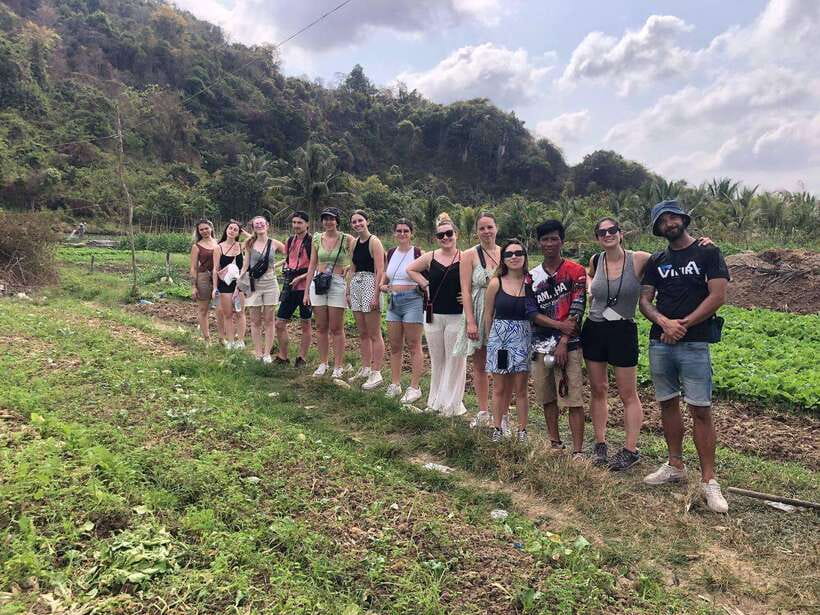
- Salt harvesting in shallow ponds: see the traditional process tied to Kampot’s coastline
- Phnom Chhngok Cave: limestone formations plus historical significance nearby
- La Plantation organic pepper farm: learn about Kampot pepper where it’s grown
- Kep Beach Crab Market lunch stop: fresh seafood at a known crab-focused spot
- English-speaking driver and a guide at the farm: clearer explanations where they matter most
Phnom Penh to Kampot: the 150 km ride and how to use it
The day starts with pickup from your hotel in Phnom Penh and a return drop-off back to Phnom Penh. The distance is about 150 kilometers and the drive usually takes around 2.5 to 4 hours depending on traffic and your exact route.
In practice, you’ll want to treat the ride like part of the tour, not dead time. Set yourself up for the day by using the air-conditioned comfort early, and then prepare for warmer outdoor stretches after you arrive in Kampot and Kep Province.
You can also read our reviews of more tours and experiences in Kampot.
Kampot’s colonial streets and riverside promenade
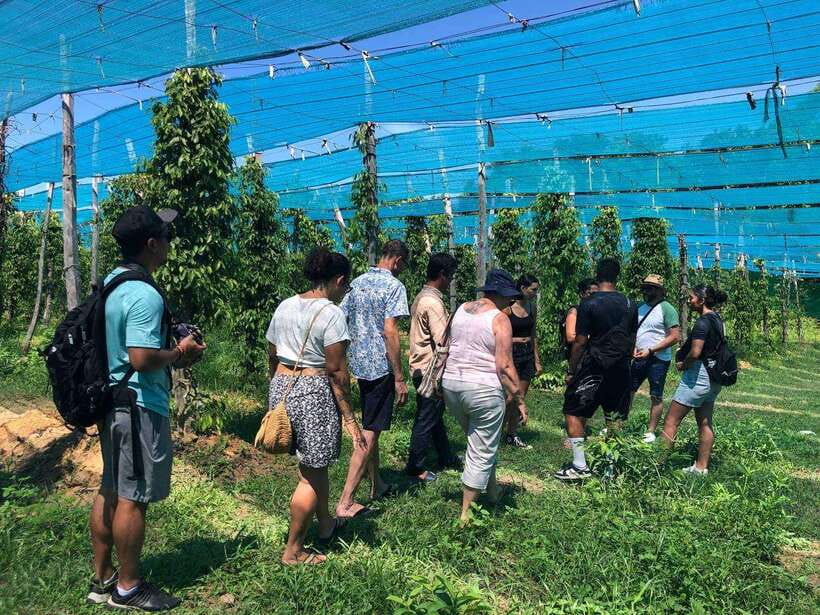
Kampot town is known for well-preserved colonial architecture, which makes for a pleasant change from the usual Cambodia highway stops. You’ll get that classic mix of French-era buildings, wooden houses, and lively market activity, all with the Kampot River nearby.
This is also a good moment to slow down. A riverside promenade is recommended for views of the water and the mountains, and even a short stroll helps you reset your brain before you head into more sun-heavy, hands-on areas like the salt fields.
Salt fields in Kep Province: how traditional harvesting works
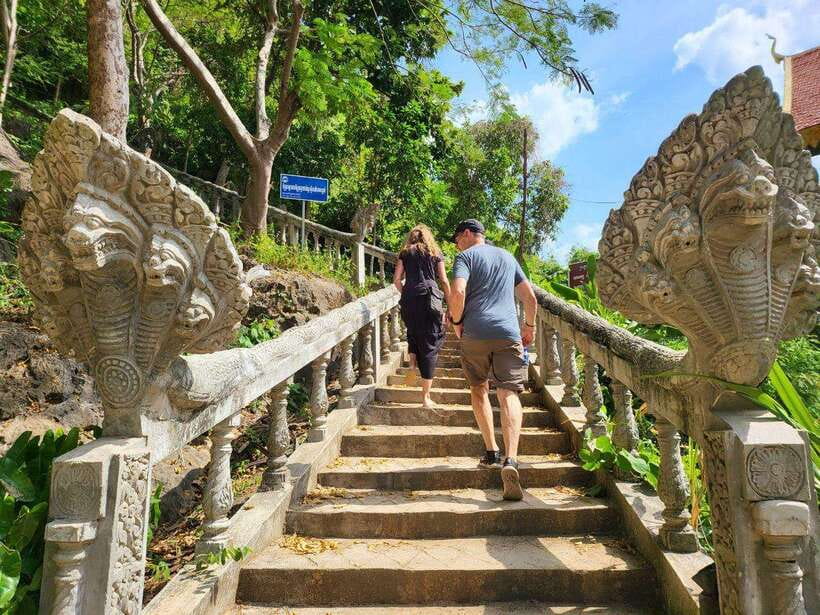
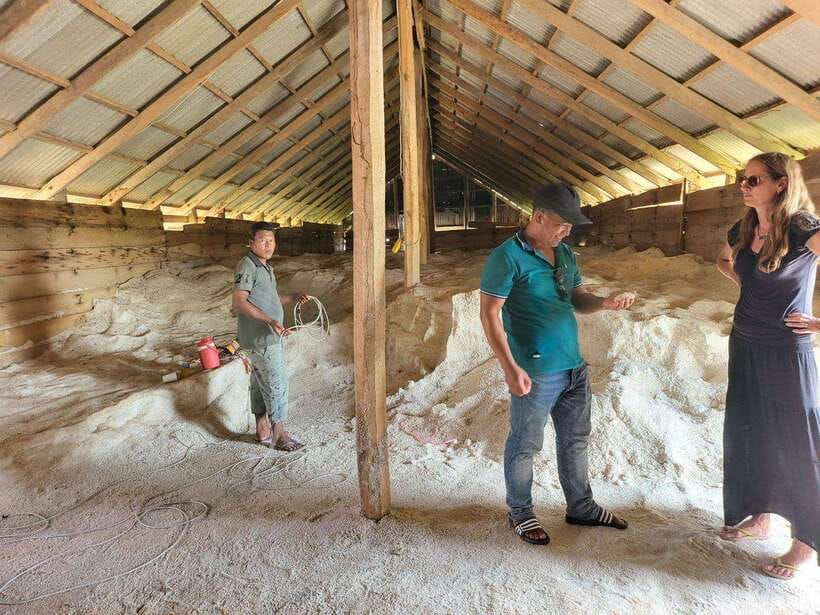
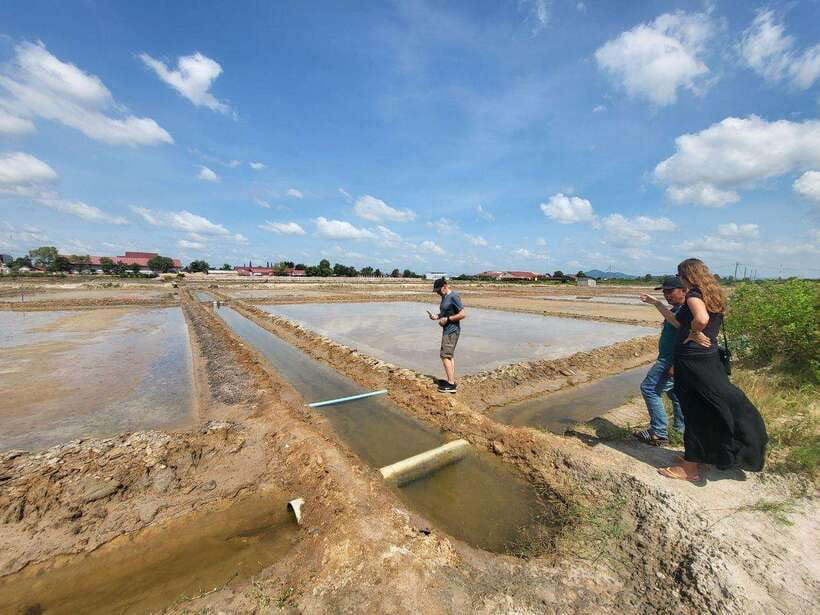
This is the heart of the day for anyone who likes real processes over staged sights. The Kampot salt fields are famous for traditional salt harvesting methods practiced for generations, and you’ll learn how salt farmers work the land.
Here’s the key idea: they carefully manipulate seawater in shallow ponds. That means the “work” isn’t one dramatic step—it’s a careful routine that depends on conditions and timing. Watching ponds spread out like small working systems gives you a better appreciation for why the salt matters to local livelihoods, not just to your souvenir bag.
Also, salt flats tend to be bright. Bring sunscreen and a hat, and plan to take a few photos early before the glare gets intense. This part of the day rewards people who like quiet observation.
Phnom Chhngok Cave: limestone formations and the history pause
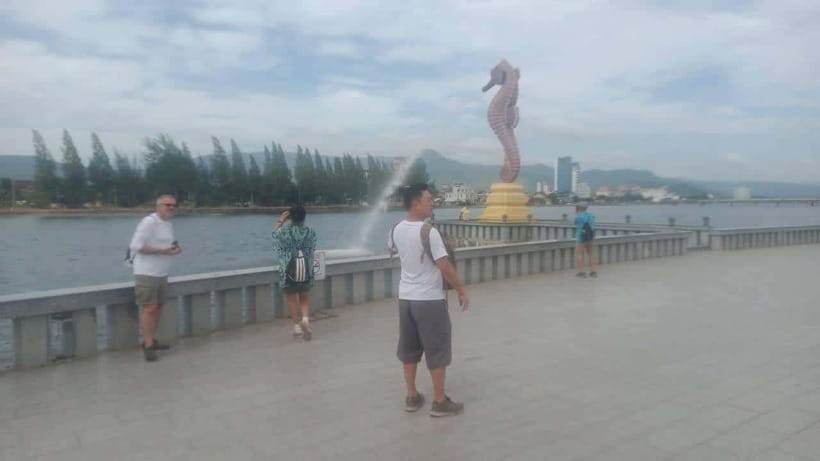
Not far from the salt fields, you’ll visit Phnom Chhngok Cave. It’s known for striking limestone formations, so even if you’re not a hardcore spelunker, you should enjoy the scenery.
The cave also has significant historical importance, which gives you a reason to pay attention beyond the visuals. If you like when natural sites come with a story you can connect to the region, this stop is worth giving your full attention to.
Plan for moderate walking and uneven ground. Comfortable shoes matter here more than you’d think—your comfort is what makes it easy to enjoy the cave instead of rushing through it.
La Plantation organic pepper farm: learning Kampot pepper the practical way
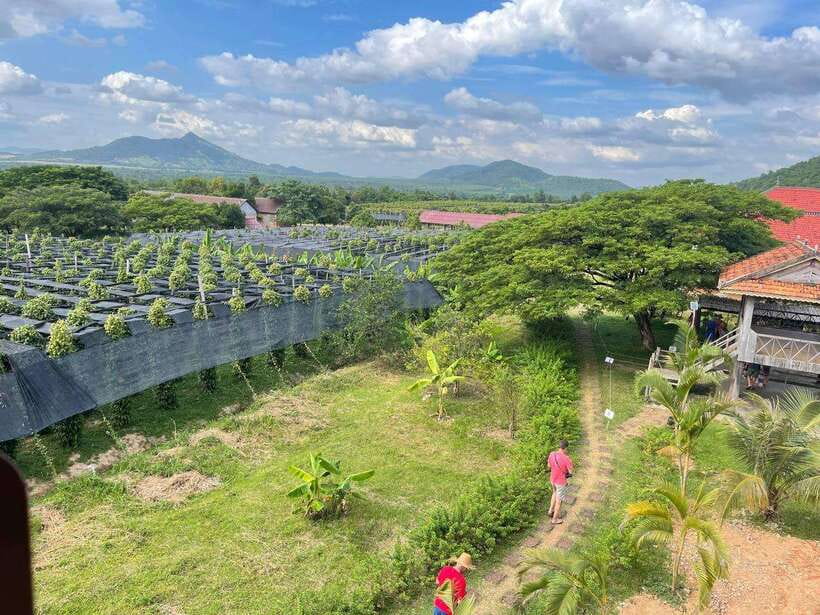
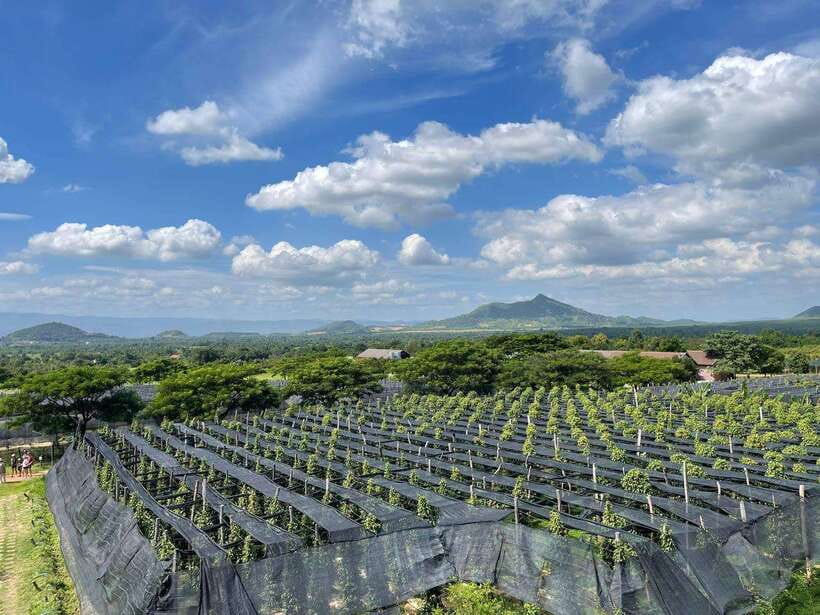
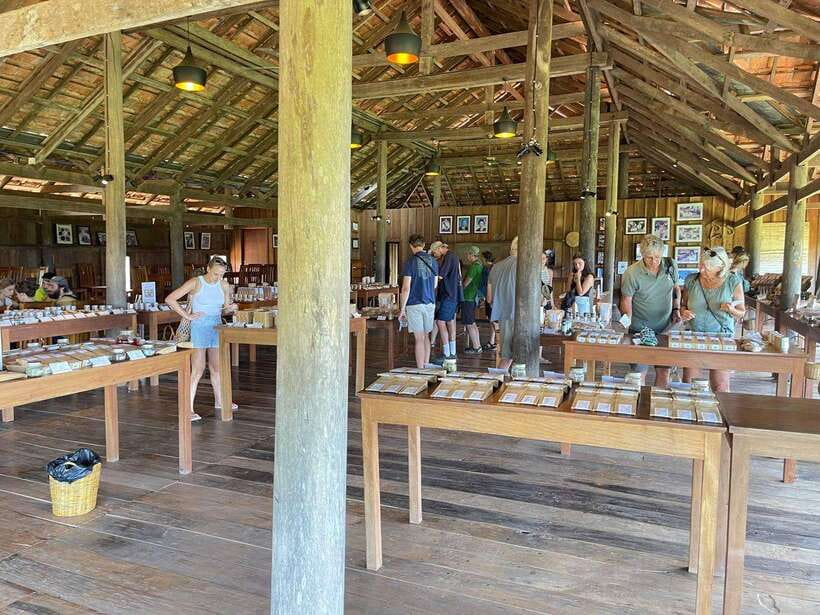
After salt and stone, you switch to something that’s easier to taste: pepper. At La Plantation, you visit an organic pepper farm and learn about Kampot pepper.
What makes this stop click is the logic of it. Pepper isn’t just a label. You’re shown where it grows and how the farm functions, so when you later smell and taste, you understand you’re experiencing a plant with a place behind it.
Guiding here is specific: there’s an English or French speaking guide at La Plantation only. That’s a smart setup because the explanations match the most focused part of the day. In the feedback you’ll see names like Simon and Mr. Vann singled out for friendly, efficient guidance and for explaining more than just the basics—people like this stop because it turns pepper from trivia into something you can actually understand.
Kep Beach Crab Market lunch: fresh seafood, real choices
Lunch happens at the Kep Beach Crab Market. It’s centered on seafood and is a great place to eat while you’re already in Kep Province.
Here’s the honest part: your included items list says meals (including lunch) aren’t included, even though the day’s plan clearly includes a lunch stop here. So you should budget for your own meal at the market rather than assuming lunch is covered in the price.
Still, this works well for most people because the market format gives you options. If you want fresh seafood without guessing which restaurant is best, this is a very straightforward solution: you eat in a place built for seafood, during a lunch break that fits the day’s route.
Timing and what to bring for an 11-hour day
This tour runs about 11 hours, with air-conditioned transportation and an English-speaking driver. The day includes multiple outdoor components, plus cave time and farm time, so you’ll want to pack like it’s a warm-weather walking day.
Bring:
- Comfortable shoes (you’ll do a moderate amount of walking)
- Hat and sunscreen (the sun matters)
- Water (you’ll have water included, but still plan for extra sipping)
- Camera (there are photo-worthy moments at salt fields and in the cave area)
Also note the rule of thumb for comfort: avoid smoking during transport, and don’t count on eating or drinking on the bus.
Price and value: why $87 can feel fair here
At $87 per person, you’re paying for a full-day route, hotel pickup/drop-off in Phnom Penh, air-conditioned transport, a guide at the pepper farm site, entrance fees, and water. The value is strongest if you’re not just trying to reach Kampot—you want a structured day with the right stops lined up.
The trick with value on Cambodia day trips is understanding what’s included. Meals aren’t listed as included, so your actual total can rise based on what you order at lunch. If you’re fine with that and you want pepper + salt fields + cave in one shot, the pricing is easier to justify.
Another small value point: you skip the ticket line. That doesn’t sound exciting, but it saves time when you’re already dealing with a long day.
Who should book this Kampot pepper, salt, and crab day trip?
This is a strong fit if:
- You want a one-day route that covers Kampot town, salt fields, a cave stop, a pepper farm, and a seafood lunch
- You like guided context—especially for places that are easy to misunderstand on your own
- You care about Kampot pepper beyond buying it in a shop
It’s less ideal if:
- You have back problems or mobility limitations, because the plan involves moderate walking
- You hate long days with multiple stops (this is 11 hours, not a short loop)
Should you book this tour?
Yes, I’d book it if your goal is a well-paced day that explains how Kampot’s products and places connect—salt harvesting, cave geology, and pepper at La Plantation, ending with a Kep seafood lunch. The standout feedback points to strong guidance and good time management, with names like Mr. Vann and Simon showing up for friendly, capable explanations.
I’d skip or rethink booking if walking is an issue for you, or if you’re looking for a more relaxed day with fewer outdoor segments. For the right traveler, this is one of those rare routes where the food and the fieldwork feel like they belong together.
FAQ
How long is the trip from Phnom Penh to Kampot?
It lasts about 11 hours.
What is the price per person?
The price listed is $87 per person.
Where does pickup happen?
Pickup is from your hotel in Phnom Penh.
What sites are included in the day?
You’ll visit Kampot town, the salt fields, Phnom Chhngok Cave, La Plantation pepper farm, and the Kep Beach Crab Market for lunch.
Is there an English-speaking guide?
You’ll have an English-speaking driver, and the guide at La Plantation (Pepper Farm) speaks English or French.
Are entrance fees included?
Yes, entrance fees are included.
Is lunch included?
Meals aren’t listed as included, even though lunch at the Kep Beach Crab Market is part of the plan. Plan to pay for your meal.
What should I bring?
Bring comfortable shoes, a hat, camera, sunscreen, and water.
Is smoking allowed?
No, smoking is not allowed during the bus ride.
Is cancellation flexible?
Cancellation is free up to 24 hours in advance for a full refund, and you can reserve now and pay later.