REVIEW · KAMPOT PROVINCE
Trip with Local tuk tuk to Country side & Pepper farm…
Book on GetYourGuide →Operated by Kampot tours--pepper farm. Cave. Secret lake and Salt field · Bookable on GetYourGuide
Five hours, three countryside stops, zero stress. This Kampot day tour feels like a smooth local ride: English-speaking driver-guide service and a real pepper-farm visit with tasting make it easy to understand what you’re seeing. The one thing to consider is that the pace includes walking on uneven spots, and boots aren’t allowed.
I like that it stays practical. You get cool water and free entry, so you’re not doing math every time you stop. Plus, the route includes countryside viewpoints and the option to catch a Kep-style coastal break, including the beach area and crab market.
The other standout is how the stops connect. You’ll learn about salt making, then shift to cave history (including Angkor-era roots and Khmer Rouge abandonment), and finish with pepper tasting across red, white, black, and green varieties. If you want a day that’s part outdoor and part food education, this works.
In This Review
- Key Points You’ll Actually Care About
- A Five-Hour Tuk Tuk Loop Through Kampot’s Salt, Caves, and Pepper
- How The Tuk Tuk Pickups Work (7-Eleven or Spean Chas)
- Salt Fields: Photos, Shopping Time, and Why It’s More Than a Stop
- Phnom Chhngok Cave: Cave Walk, Secret Lake Views, and Angkor-to-Khmer Rouge Context
- Brateak Krola: Short Walks, Quick Views, and Photo-Stop Energy
- La Plantation Pepper Farm: Guided Tour Plus Tasting the Four Colors
- Kep Beach and Crab Market: The Coastal Break That Changes the Mood
- Price and Value: What $19 Gets You, and What Might Cost Extra
- Who This Tour Suits Best (and Who Might Prefer a Slower Day)
- Should You Book This Kampot Pepper Farm, Salt Field, and Caves Tour?
- FAQ
- What’s included in the tour price?
- How long is the tour?
- Where do I get picked up and dropped off?
- Is there an extra charge for accommodations outside Kampot town?
- What language is the driver/guide?
- Are boots allowed?
Key Points You’ll Actually Care About
- English-speaking driver-guide: you’ll get clear explanations, not just a car ride.
- Pepper tasting at the plantation: compare red, white, black, and green pepper in one session.
- Salt fields photo stop plus shopping time: quick walk, enough time to look around and buy.
- Phnom Chhngok Cave + Secret Lake: a guided cave visit with a scenic payoff.
- Cave and viewpoint walking is short but real: wear comfy, non-boot footwear.
- Kampot-to-Kep flavor: the plan includes Kep beach and the crab market.
A Five-Hour Tuk Tuk Loop Through Kampot’s Salt, Caves, and Pepper
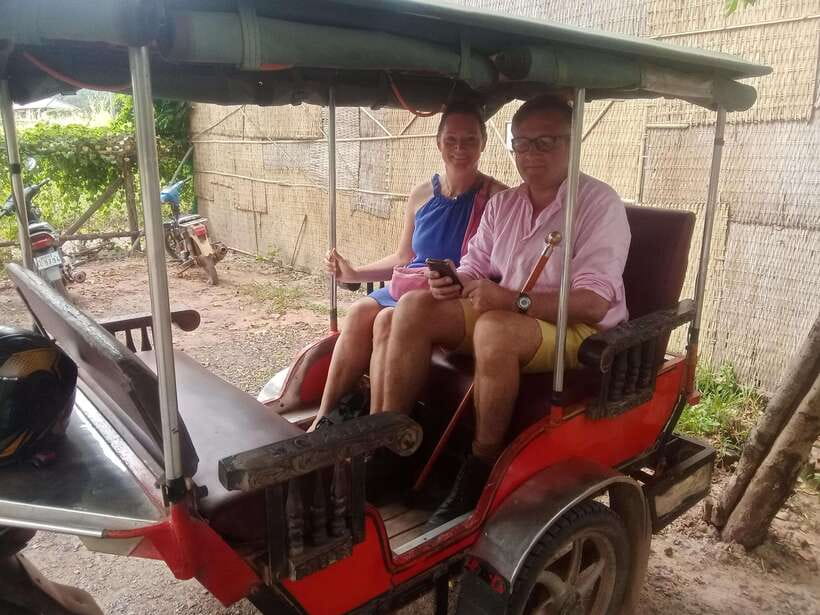
This is the kind of tour that makes KampotProvince click fast. In about five hours, you go from salty fields to the cool shadow of a cave, then into a pepper plantation where the guide helps you understand what you’re tasting. It’s not a “sit and watch” day. You move, you look, you ask questions, and you leave with pepper products you can actually use at home.
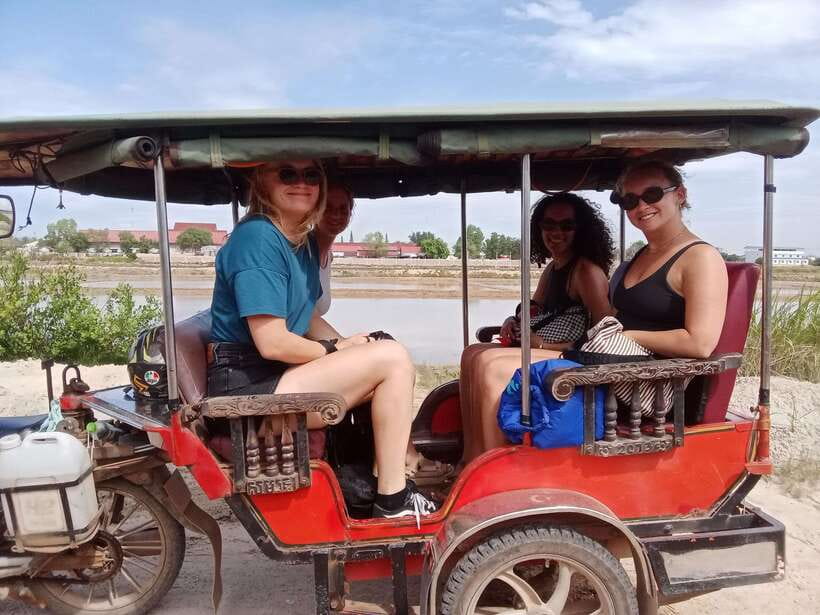
The tuk tuk part matters. It keeps things flexible and gives you a local rhythm: short rides between stops, quick photo moments, and time on the ground that doesn’t feel rushed into a checklist. Even if you’re not chasing hardcore adventure, you’ll still feel like you got out of town and saw how people make their living.
You’re also not fighting the logistics. The tour includes pickup and transport, and it provides cool water so you’re not scrambling mid-ride. That simple comfort is worth something when you’re traveling in Cambodia’s heat.
One practical note: because you’ll be walking at multiple stops, plan for light movement. The tour also says boots are not allowed, which usually means the tour guides want you in lighter footwear that’s safer for cave paths and uneven ground.
You can also read our reviews of more tours and experiences in Kampot Province.


How The Tuk Tuk Pickups Work (7-Eleven or Spean Chas)
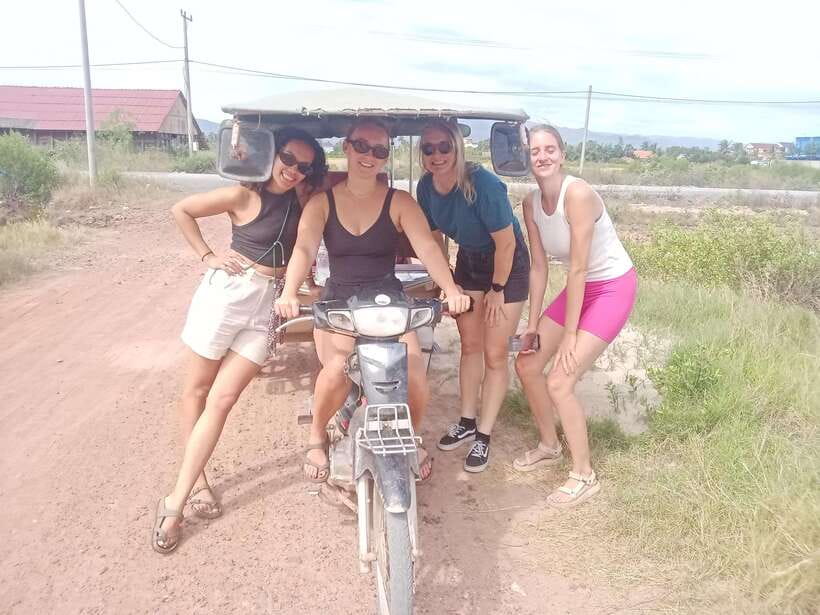
You start the day based on one of two pickup options: Kampot’s 7-Eleven or Kampot Spean Chas. If you’re staying at a hotel or guest house, pickup is included before the tour starts as well, so you shouldn’t need to stress about getting to the meeting point on your own.
This matters because timing in Kampot can be chaotic if you’re depending on solo tuk tuk bargaining. When a driver is lined up and the pickup is built in, you can focus on the day instead of managing transport.
The tour is designed as a loop. You’re picked up, taken to the countryside stops, and then dropped off at one of the same two drop-off locations: 7-Eleven or Spean Chas. That keeps things simple if you still want to eat well or find something relaxing afterward.
If you’re staying outside Kampot town, watch one detail: there’s an extra charge of $5 if you’re more than 5 km from the Durian roundabout. That’s not a huge fee, but it can change the value calculation if you’re far out. If you’re on the edge of town, ask the operator to clarify how they measure pickup distance.
Salt Fields: Photos, Shopping Time, and Why It’s More Than a Stop
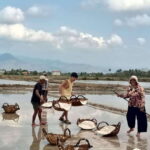
The salt stop comes early. After pickup, you ride about 15 minutes, then you’re at the salt fields for a mix of photo time, a visit, and a short walk (about 15 minutes). You’ll also have time to shop.
Why this stop works: salt fields aren’t just a pretty foreground. They show how Cambodia’s coastal and riverside economy translates into daily production. Even without technical lessons, you can usually tell how the whole system depends on sun, wind, and water levels. The guided side helps you connect the visual with the process.
The practical piece is the shopping time. If you like souvenirs that aren’t mass-produced plastic, salt from the region can be a good buy. You’ll also see how local vendors package products around the harvest cycle, so you’ll feel less like you’re buying a random trinket and more like you’re picking up something tied to place.
The one drawback: salt fields can be dusty and bright. Bring something for sun protection. And since the tour rules say no boots, plan for footwear that can handle rough ground without you feeling stuck in heavy footwear.
Tip for your photos: aim for different angles. From one direction, the fields look flat and textured; from another, you’ll get stronger lines and reflections. Take a few minutes early while you’re fresh and before the rest of the day gets packed.
Phnom Chhngok Cave: Cave Walk, Secret Lake Views, and Angkor-to-Khmer Rouge Context
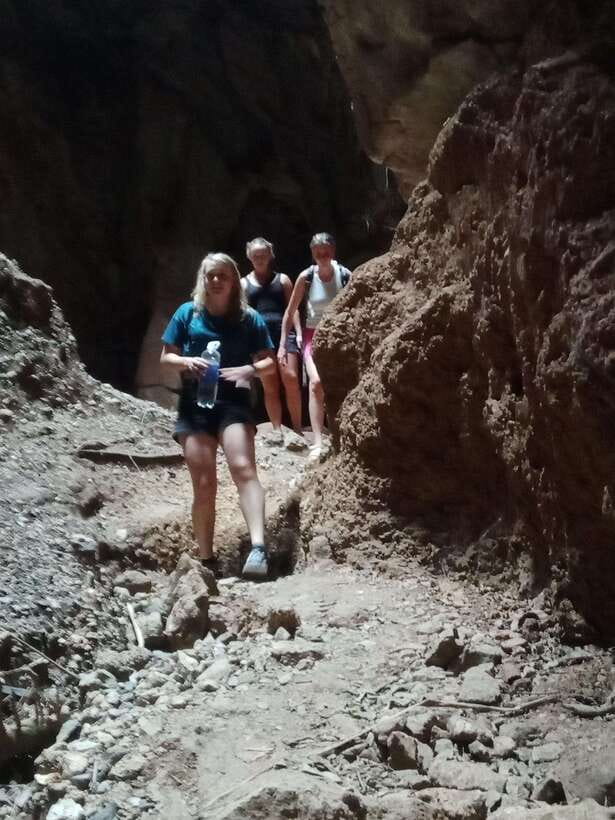
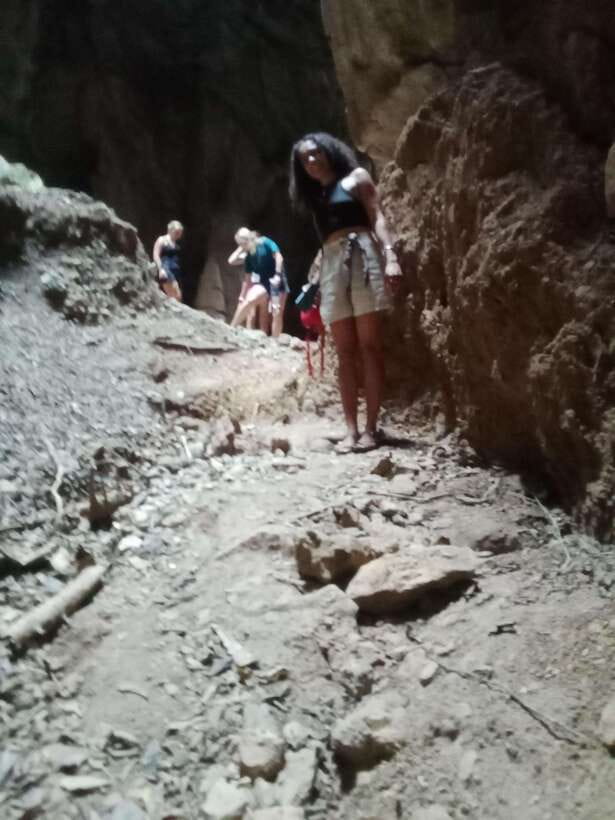
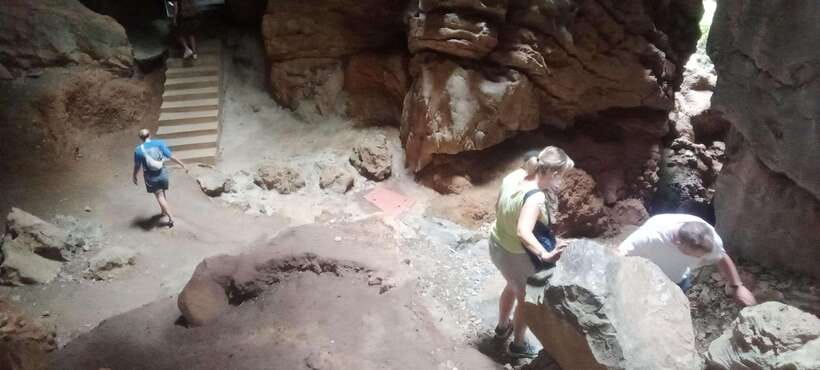
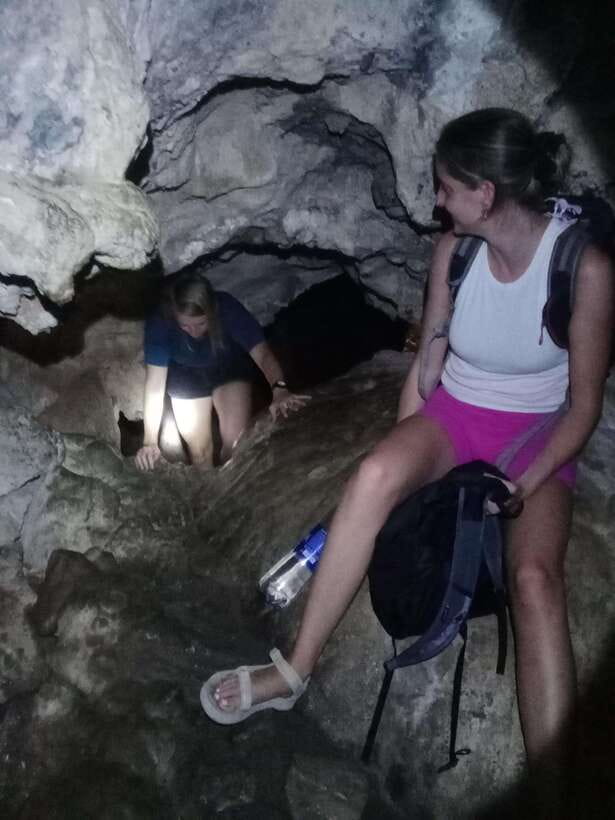
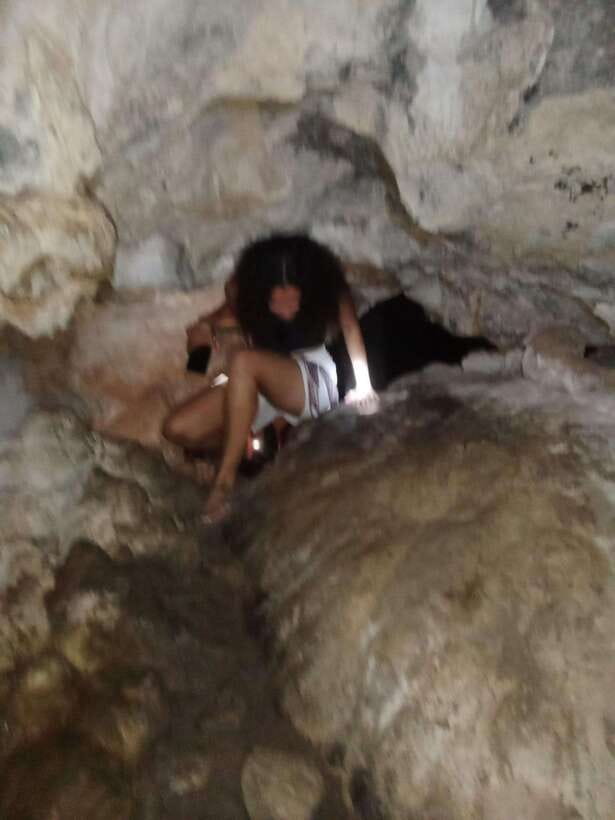
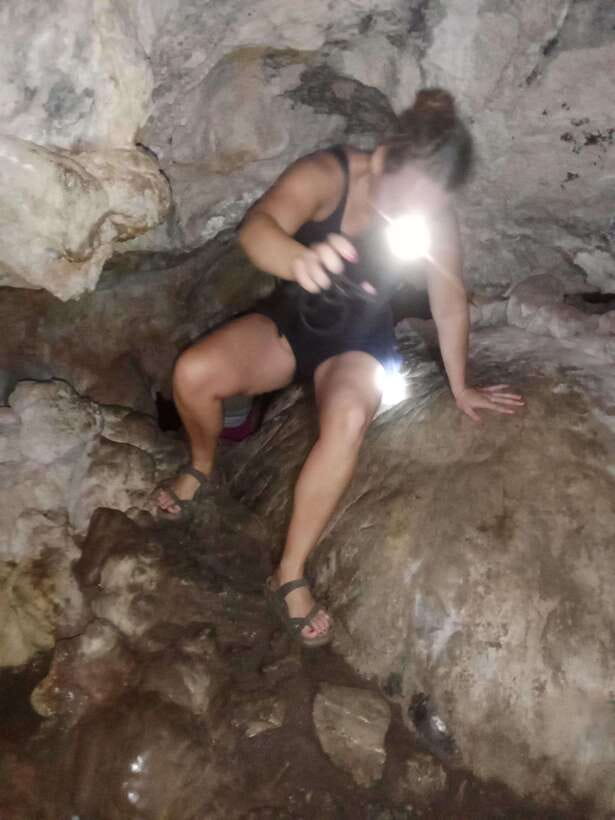
Next comes the cave portion at Phnom Chhngok Cave. You ride about 30 minutes, then you get a break before the guided tour and walk (around 45 minutes total for the cave walking segment).
This is the emotional center of the day because the cave isn’t treated like just a sightseeing hole in the rock. The tour includes context: it was built during the Angkorian period and was later abandoned during the Khmer Rouge era. That historical framing changes how you view the stone, carvings, and the general feeling of the place.
Then there’s the Secret Lake element. The tour describes it as a hidden standout within this area, and that fits the way caves often play tricks on your sense of direction. You may find that the surprise isn’t the cave entrance itself but the moment you realize there’s a calmer pocket of water and light inside the route. Even if you’re not a history buff, that scenic contrast tends to land.
What to watch for:
- The cave walk is long enough to matter. Bring water habits from the start of the day, not just later.
- Cave paths can be uneven, so your footing choice matters.
- Because boots aren’t allowed, you’ll want footwear that grips well and doesn’t trap too much dirt.
Also, the tour’s break time helps. Caves can slow you down mentally because you’re walking and listening. A pause in the flow makes the guided part more digestible, and it keeps the day from feeling like non-stop effort.
If you want one stop that justifies the whole tour, this is usually the one. It mixes atmosphere with explanation.
Brateak Krola: Short Walks, Quick Views, and Photo-Stop Energy
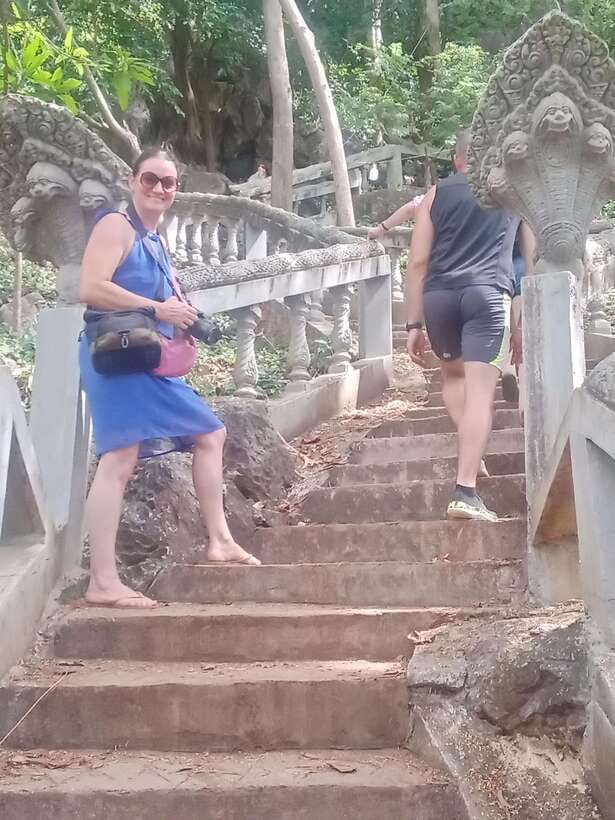
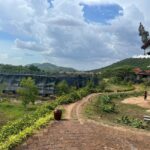
After the cave, you head to Brateak Krola. The tuk tuk ride is about 30 minutes. At Brateak Krola, the structure is lighter: a photo stop, a visit, a guided tour, sightseeing, and a short walk of around 15 minutes.
This part is best seen as the day’s “reset.” You’ve just done a deeper, slower experience in the cave. Brateak Krola gives you a change of pace, plus the reward of seeing another viewpoint-style area around Kampot.
The short walking time makes it more beginner-friendly than some bigger hikes, and the guided tour component means you’re not just standing around looking for your own reason to care. The guide should give you the meaning behind what you’re seeing, even if the stop itself doesn’t take over the entire schedule.
If you’re sensitive to heat, this is also a nice moment. It’s shorter than the cave walk, and it’s broken up by photo and sightseeing.
Practical advice: bring a hat or cap. Even with shade, the sun can pop hard in Cambodia, and short walks can still get sweaty fast.
La Plantation Pepper Farm: Guided Tour Plus Tasting the Four Colors
Now for the reason many people pick this tour: the pepper plantation visit at La Plantation. You ride about 15 minutes to the farm, and then you spend around 105 minutes total on the pepper experience, including guided tour, free time, shopping, sightseeing, and walking plus some self-guided time.
This is where the day turns from “where are we” to “what are we eating.” The tour includes tasting and it covers red, white, black, and green pepper. That tasting isn’t just a gimmick. It helps you understand that pepper isn’t one thing. Different processing and ripeness stages create different flavors and uses.
Here’s how to get the most from the farm visit:
- Ask the guide to explain the differences you notice. If you can connect aroma and flavor to the pepper color, the tasting sticks with you for cooking later.
- Use the free time to look at packaging and products. If you plan to bring pepper back home, you’ll want to compare what’s sold and how it’s presented.
- Take a moment during the self-guided portion to slow down. A plantation is one of those places where you can feel the scale if you walk a bit without rushing.
There’s also a “benefits” element mentioned for the pepper portion. Even if you keep expectations realistic, it’s useful to hear how farmers explain their product’s value and why certain peppers are preferred for certain tastes.
And yes, there’s shopping. But this doesn’t have to feel like a hard sell if you treat it as research. Pepper products vary by cut, grind, and packaging. Use the time on-site to decide what you actually want to buy rather than grabbing the first bag you see.
One more helpful note: skip heavy footwear. Since boots aren’t allowed on the tour, you’ll do best with light shoes or sandals that you’re comfortable walking in for over an hour at a farm.
Kep Beach and Crab Market: The Coastal Break That Changes the Mood
Your highlights include a stop at Kep beach and the crab market. Even though the day is built around countryside production stops, this is the contrast that keeps it fun.
Kampot and Kep are closely linked, and a brief coastal break helps you reset. You’re not walking through heat straight from a cave. Instead, you get a different vibe: beach air, snack potential, and that lively market scene centered on crabs.
Because the detailed time breakdown for Kep isn’t spelled out step-by-step, treat it as a flexible break rather than a timed event. Use it to:
- Take a few quick photos at the waterline.
- Look around the crab market area and get your bearings.
- Decide if you want a snack or drink before you continue.
Even a short coastal stop can make the day feel complete. Production and history are great, but food and atmosphere are what make it memorable.
Price and Value: What $19 Gets You, and What Might Cost Extra
At $19 per person for a 5-hour tour, the value is solid if you compare it to paying separately for a tuk tuk, guided interpretation, and entry-like costs. This isn’t just transport. You also get free entry, cool water, and a driver with English support.
Where value gets even better: the tour compresses multiple learning experiences into one day. Salt fields are quick, cave history provides context, and the pepper farm includes a tasting across four pepper varieties. That “mix” is what makes the price feel fair rather than like you’re simply paying for rides.
The main extra cost to understand is the $5 surcharge if you’re staying outside Kampot town (more than 5 km from the Durian roundabout). If your hotel is close to town, you likely won’t deal with this. If you’re farther out, it’s worth factoring that extra charge into the true cost per person.
Also remember: the tour says boots aren’t allowed. That means you may not want to travel in hiking boots if you’re trying to avoid extra purchase or getting stuck with uncomfortable footwear. Plan your clothing accordingly.
Who This Tour Suits Best (and Who Might Prefer a Slower Day)
This experience is a strong fit if you want:
- An English-friendly day with guided explanations.
- A mix of agriculture (salt, pepper) and history (caves with Angkor-era and Khmer Rouge context).
- Short walks that add up to a full morning/afternoon without turning into a trek.
You’ll enjoy it even more if you like flavors and want something more than generic souvenirs. The pepper tasting is the most practical payoff. It’s information you can bring home to your kitchen.
On the other hand, consider skipping or adjusting expectations if:
- You want a mostly relaxing, minimal-walking tour. Between salt fields and cave walking, you’ll be on your feet.
- You rely on boots for support. The tour specifically says boots aren’t allowed, so you’ll need lighter footwear that still protects your feet.
- You’re hoping for long beach time in Kep. The beach and market are included as a highlight, but the day is primarily built around production and cave stops.
Should You Book This Kampot Pepper Farm, Salt Field, and Caves Tour?
I’d book it if you want a fast, meaningful day that teaches you what you’re seeing and lets you taste the result. The combination of salt fields, Phnom Chhngok Cave with Secret Lake, and the La Plantation pepper tasting is a smart use of a single day in Kampot.
It’s also a good choice if you appreciate clear English guidance and a relaxed pace. Guides with names like Nak (and in some cases Tango) come up in the provided info as friendly and communicative, and that matters because it turns stops into stories instead of stops into pictures.
Skip it or choose carefully if you’re strictly avoiding walking areas or you depend on boots for mobility. Otherwise, this is one of those tours that feels like value from the first tuk tuk ride to the last pepper bag you bring home.
FAQ
What’s included in the tour price?
The tour includes free entry, cool water, and pickup. Transport is also part of the experience.
How long is the tour?
The duration is 5 hours.
Where do I get picked up and dropped off?
Pickup and drop-off options include Kampot 7-Eleven and Kampot Spean Chas.
Is there an extra charge for accommodations outside Kampot town?
Yes. There’s an extra charge of $5 if you’re staying outside Kampot town, more than 5 km from the Durian roundabout.
What language is the driver/guide?
The driver/guide communication is in English.
Are boots allowed?
No, boots are not allowed.
If you tell me where you’re staying in Kampot (near the Durian roundabout or farther out), I can help you think through whether the $5 surcharge is likely and what footwear will work best for the cave and farm parts.