REVIEW · KAMPOT PROVINCE
Kampot Countryside include Pepper farm,Kep crab market beach
Book on GetYourGuide →Operated by Rina Kampot · Bookable on GetYourGuide
You’ll see Kampot beyond the riverside. This private route strings together salt production, pepper farms, and the cave views people remember. I especially like the hands-on moments—peppercorn testing and a guided look at how salt gets made—plus the dramatic Phnom Chhngok climb with its Shiva temple. The one thing to watch is food: the tour doesn’t include meals, so you’ll plan your own seafood/lunch money in Kep.
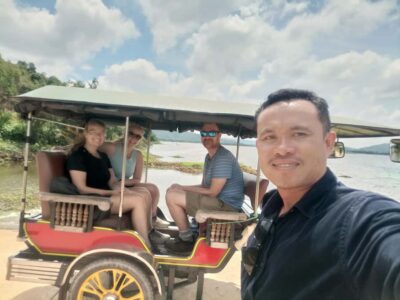
Logistics are straightforward: you get pickup near Krong Kampot (opposite Epic Art Cafe is the usual meeting point) and then spend the day bouncing by tuk tuk between rural sights. The guides are English-speaking, and in the best cases they’re very patient with language help—there’s even an example of Phalla taking his time and using a translator to make sure you actually understand what you’re seeing. The main drawback for some people is physical pace: expect sun, walking, and 203 steps at Phnom Chhngok.
In This Review
- Key things to know before you go
- A private tuk tuk circuit from Krong Kampot (and how the day actually moves)
- Salt factory and salt fields: the economic story behind the views
- Phnom Chhngok cave temple: 203 steps to a Funan-era brick Shiva shrine
- Brateak Krola Lake: pretty scenery with Khmer Rouge-era weight
- Pepper plantation tour: how you go from spice myths to real tastings
- Kep crab market plus beach time: seafood, lunch, and a real cooldown
- Timing, comfort, and what to pack for an 8-hour day
- Price and value: what $50 for up to two people really buys
- Who should book this Kampot + Kep countryside day?
- Should you book this tour or not?
- FAQ
- What is the price for this Kampot countryside tour?
- How long is the tour?
- Does the price include food?
- Where is the usual meeting point in Krong Kampot?
- Is hotel pickup available?
- Is this tour suitable for young children or people with health limits?
Key things to know before you go
- Peppercorn testing on-site: you’re not just watching; you get to taste what you’re learning about.
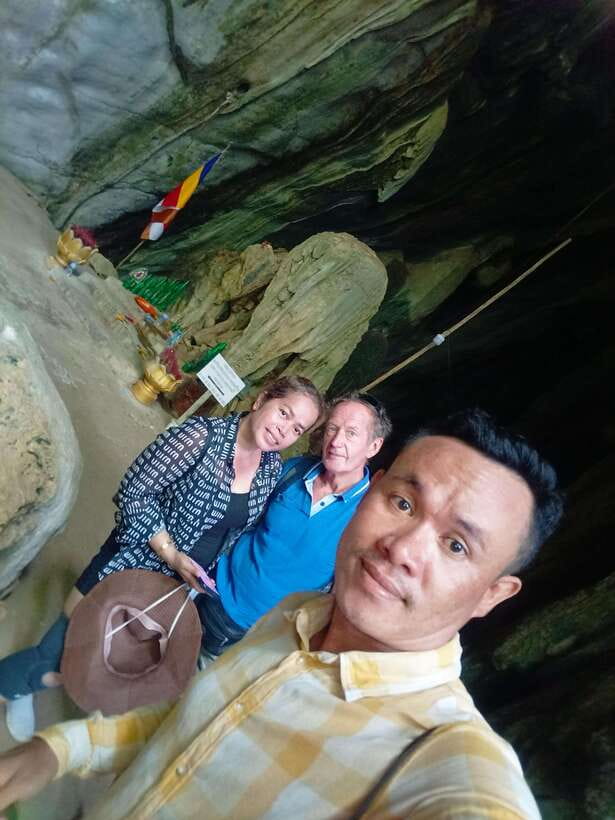
- Phnom Chhngok’s 203 steps and cave temple: Funan-era brick temple dedicated to Shiva, plus big views from the entrance.
- A salt-production factory visit: guided explanation of why it matters locally and how the process works.
- Brateak Krola Lake’s Khmer Rouge-era history: it’s not just pretty scenery—there’s a heavy backstory.
- Kep crab market time plus swimming: plan for your own seafood/lunch, then cool off near the beach.
- Private group means fewer compromises: it’s built around your pace, not a mass schedule.
A private tuk tuk circuit from Krong Kampot (and how the day actually moves)
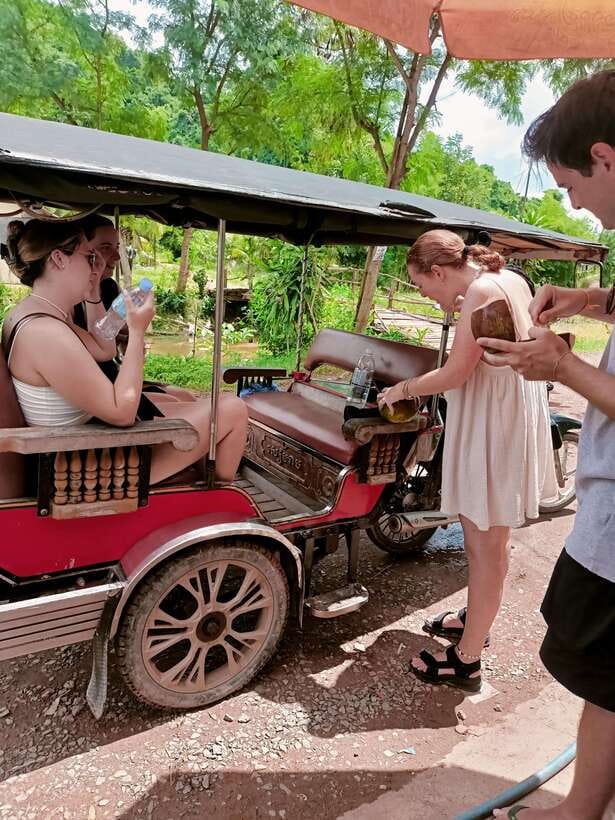
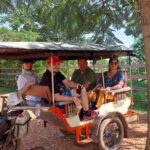
This is a classic “countryside sampler” day. You start in Krong Kampot, then you’re shuffled by tuk tuk between multiple rural stops—enough driving that the day feels full, but not so much that you’re sitting forever in one place.
Your usual meeting point is opposite Epic Art Cafe in Krong Kampot. If you’d rather start from your hotel or restaurant, pickup can be arranged, but there’s a limit: they won’t go farther than 3 km from the meeting points. For planning, that matters because Kampot’s hotels can sprawl a bit—so confirm your pickup spot early, especially if you’re staying on the outskirts.
The tour runs about 8 hours total. There are multiple tuk tuk legs (short and medium hops, then longer stretches later), which is why the day can feel like a moving highlights reel. It’s a good fit if you want variety without having to organize transport between farms, temples, lakes, and the Kep coastline yourself.
You can also read our reviews of more tours and experiences in Kampot Province.
Salt factory and salt fields: the economic story behind the views
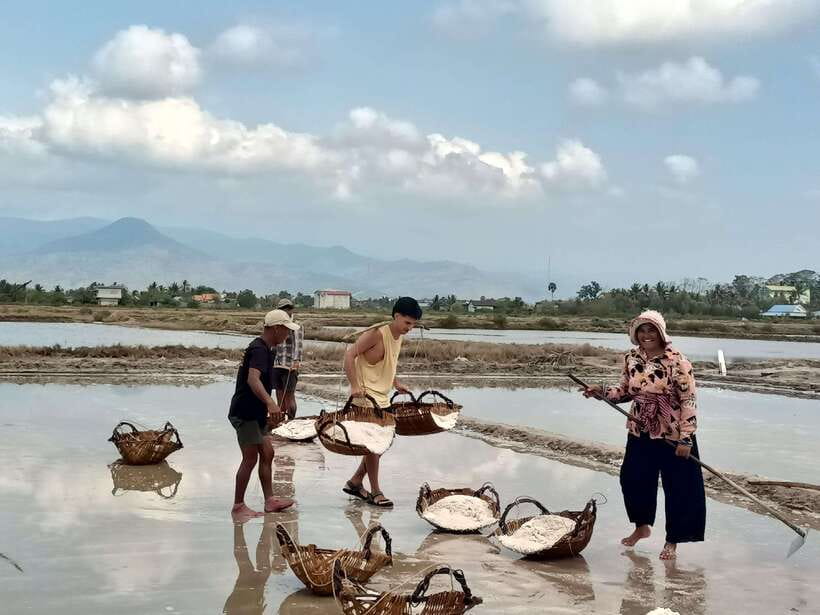
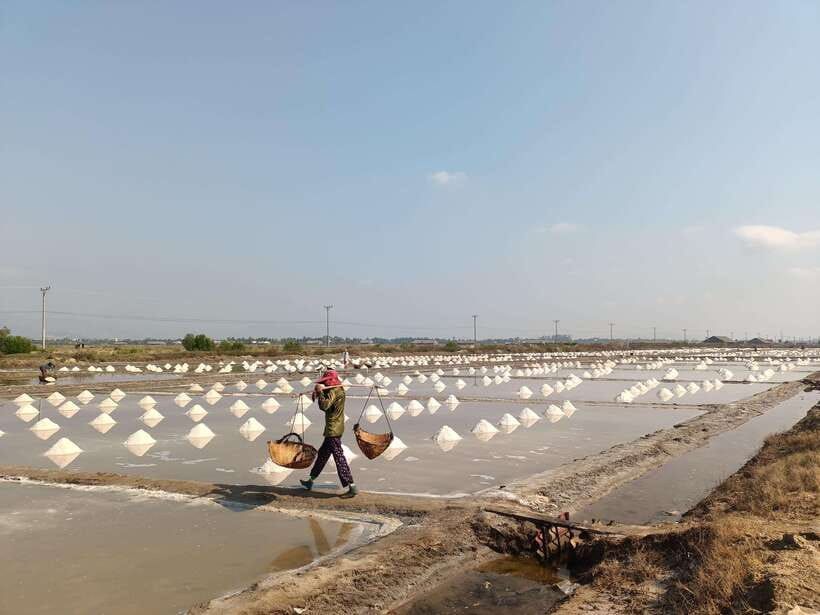
One of the most useful parts of the day is the guided stop at a large salt-producing facility on the outskirts of Kampot. Salt production can sound like one of those “yes, it’s salt” facts until someone walks you through the process and why the local economy depends on it.
You’ll get a guided visit that explains the steps involved in salt production. Even without doing anything hands-on, you’ll come away seeing the salt fields as an actual system—not just white piles in the distance. A big plus here is that the guide’s job is to connect the dots: where the salt comes from, what changes along the way, and why it matters in the area.
Practical note: salt and sun days are usually hot and bright. Bring something to protect your eyes (sunglasses aren’t included) and keep water handy. The tour includes a bottle of water, plus a fresh coconut, which is a nice touch when the heat is doing its thing.
Phnom Chhngok cave temple: 203 steps to a Funan-era brick Shiva shrine
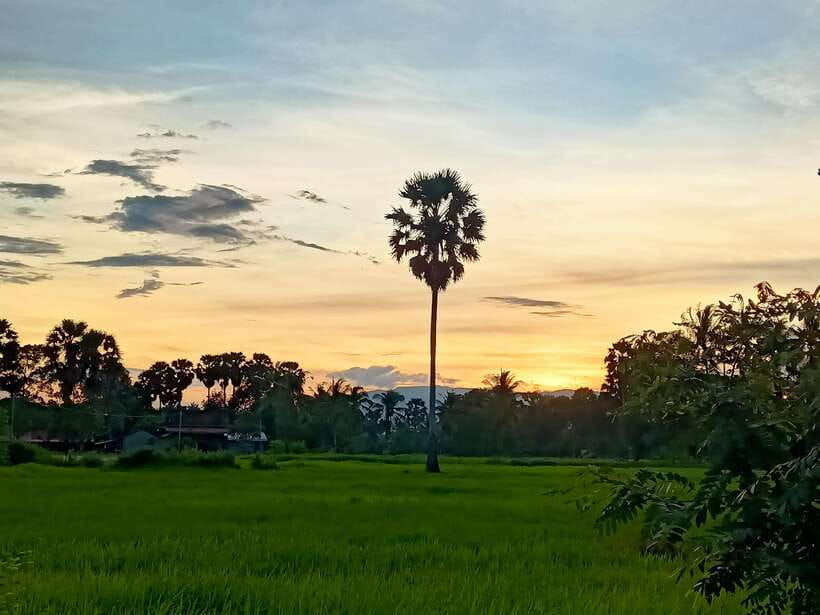
If you like temples that feel real, not staged, this stop hits hard. Phnom Chhngok has a climb of 203 steps to the cave temple entrance. The steps are straightforward in concept, but the sun and humidity can make them feel longer than they look on paper.
At the entrance, you get views that make the effort worth it. Then you go inside the cave’s main chamber, where there’s a remarkable 7th-century (Funan-era) brick temple dedicated to Shiva. It’s not just an architectural fact—it’s the kind of site that changes your perspective. You’re standing in a cave space built around religious devotion, and the scale feels very different from an open-air pagoda.
One consideration: this is a cave environment and a stair climb. If you have high blood pressure or mobility limits, this kind of stop can be stressful. The tour isn’t suitable for people with high blood pressure, and it also isn’t a fit for some older travelers (they list an upper age limit of over 80) or people over 200 lbs (91 kg). If you’re unsure, ask directly if there’s any flexibility on pacing and rest breaks—because the temple itself demands a commitment.
Also, no strollers are allowed. So if you’re traveling with a young child, you’ll need to plan around the age limit too (it’s not suitable for children under 2).
Brateak Krola Lake: pretty scenery with Khmer Rouge-era weight
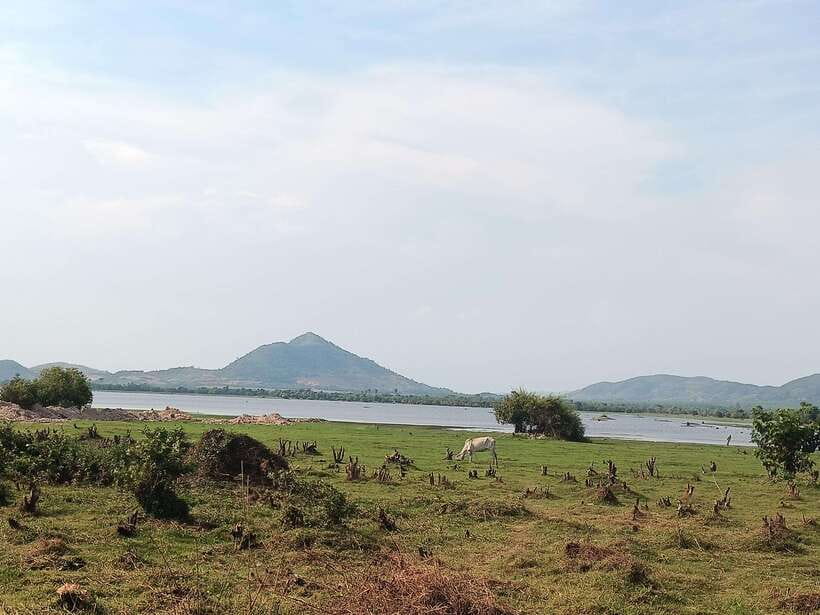
Brateak Krola Lake is an artificial lake built during the Khmer Rouge time, and it’s specifically described as being constructed with slave labor. That means this stop has a very different tone than the pepper farm or the seaside.
The lake itself is scenic, and you’ll have a chance to see it as part of the countryside circuit. What makes it valuable is the guided context—understanding what “man-made lake” actually means here, and what it cost people during that era. It’s a reminder that Cambodia’s landscapes aren’t only about nature; they often reflect human decisions, forced labor, and survival.
This is the kind of stop where I recommend you keep your expectations balanced. You’ll get a view, but you’re also getting history. If you prefer light-and-laugh sightseeing all day, this might feel heavy. If you want your trip to make sense beyond postcards, it belongs.
Pepper plantation tour: how you go from spice myths to real tastings
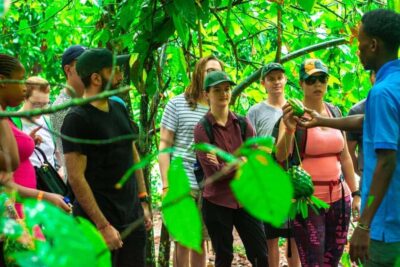
This is the highlight for a lot of people, and I get why. A guided tour of a large pepper plantation doesn’t stay abstract. You learn about the production process, and then you get to taste what’s produced onsite.
Peppercorn tasting is included, and that changes the whole experience. Instead of just hearing words like aroma and strength, you can connect the idea to the real product in your hand. It also helps you understand why Kampot pepper has a reputation at all: growing conditions, processing choices, and freshness matter.
Another small thing I like: the tour is guided, meaning questions are expected. Even if your own Khmer/French/whatever isn’t great, you can usually get explanations in English. The best guides are patient and will slow down so you actually absorb the story. One example from the guide side is Phalla, who spent extra time explaining during the pepper portion, including showing everything until the end.
Wear shoes that can handle uneven ground. Pepper farms aren’t usually smooth walking paths. Bring a hat if you’re sensitive to sun, and keep your water intake steady.
Kep crab market plus beach time: seafood, lunch, and a real cooldown
At the end of the day you reach Kep, where the crab market is part of the experience. This is your moment to switch gears from countryside to coastal life.
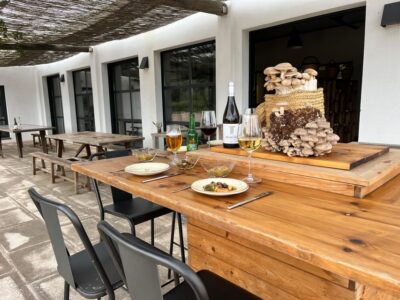
You’ll have time to test seafood or get lunch at the crab market. Important: food isn’t included. So budget for what you want to eat and drink in Kep. The tour is basically giving you the chance, the guided timing, and enough time to choose—and then you pay for your own meal.
There’s also a chance to swim or relax on the beach before heading back to Kampot. That matters because the earlier stops can be sun-heavy: salt areas, stairs, and plantation walking. Ending with a water break makes the whole day feel more balanced.
One practical note: if you’re planning to swim, pack your own small essentials even though the tour provides water and coconut. Sunglasses and sunscreen aren’t included, and you’ll want them near the beach.
Timing, comfort, and what to pack for an 8-hour day
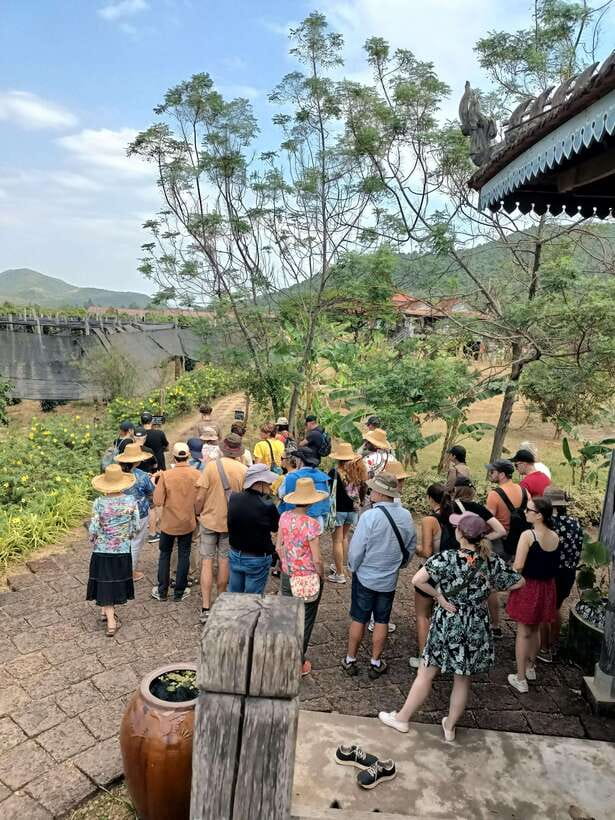
This tour is a full day. Even though each stop is interesting, you still need to treat it like a serious outing: sun, walking, and moving around.
Here’s what I’d bring, based on what’s included and what’s not:
- Cash (they specify cash for what to bring)
- Sunscreen and sunglasses (not included)
- Comfortable walking shoes (you’ll do steps at Phnom Chhngok and walk on farm ground)
- A light hat or cap
- A small towel or quick-dry item if you plan to swim
You also want to dress for warmth. Cambodia heat can be sneaky. The tour includes a bottle of water and a fresh coconut, which helps, but it’s still smart to plan as if you’ll need extra water once you’re in the Kep sun.
From a comfort standpoint, it’s a private group, which usually means you don’t have to rush with strangers. But it’s still private—not necessarily effortless. If you’re over 80, have high blood pressure, are pregnant, or exceed 200 lbs (91 kg), this tour lists it as not suitable, so look for a less physical alternative.
Price and value: what $50 for up to two people really buys
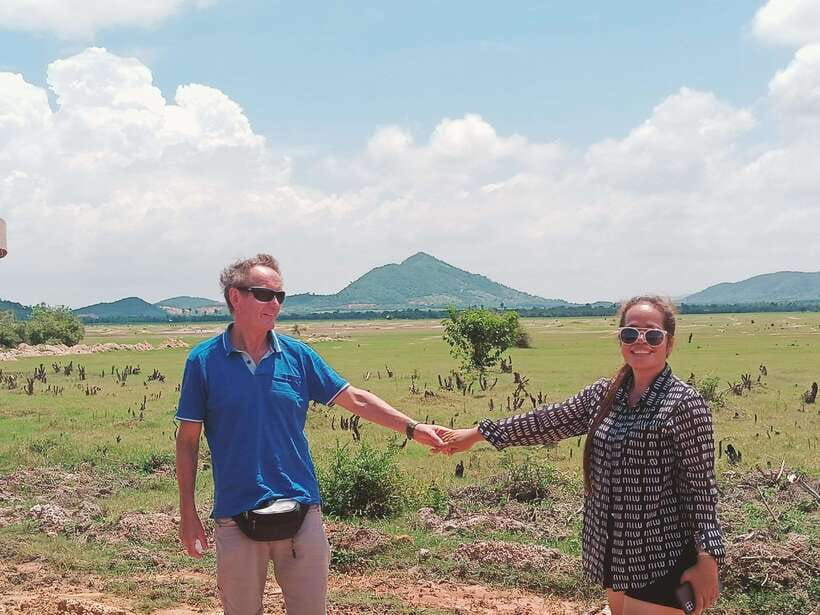
The price is $50 per group up to 2, for an 8-hour private tour. That pricing structure is a big deal because a private guide + multiple countryside stops normally costs more in many parts of Cambodia.
What you get for that money is not just driving. The tour includes:
- Entrance fees
- A bottle of water and a fresh coconut
- Pepper tour and pepper tasting
- Guide tour (English)
You do not get food, so you’re still paying for seafood or lunch in Kep if you choose to eat. That said, the tour is giving you an experience framework with tastings and guided access at the key sites. In practical value terms, you’re paying for guided context at salt production, history at Phnom Chhngok and Brateak Krola Lake, plus the pepper tasting—then you get free time to decide what kind of coastal meal you want.
Also, cancellation flexibility is offered with free cancellation up to 24 hours in advance for a full refund, and you can reserve now and pay later. I like this setup because weather and energy levels can swing in Cambodia, and you don’t want your whole day locked in too early.
Who should book this Kampot + Kep countryside day?
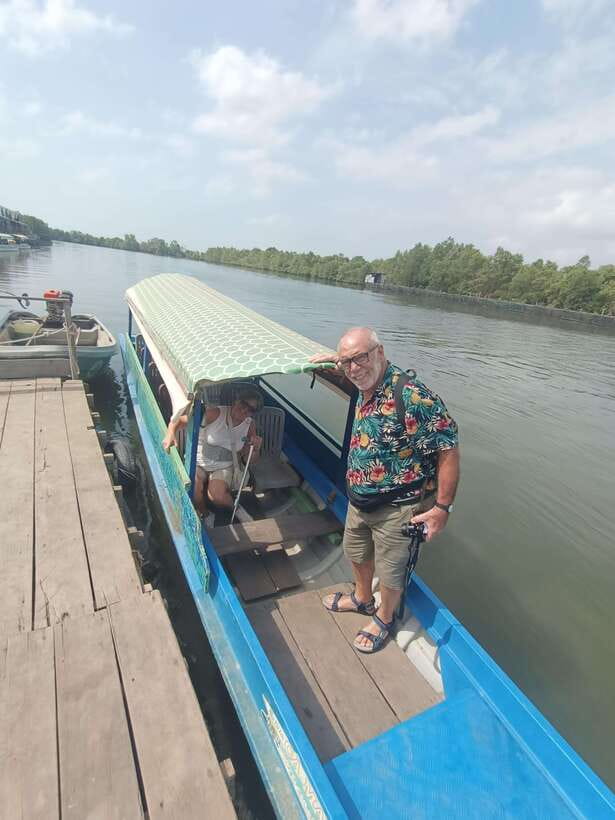
I’d book this tour if you want variety in one day: salt production, a cave temple with real steps, pepper farm tastings, and Kep coastal time. It’s also ideal if you like having a guide who explains instead of just chauffeuring.
It’s a great match for:
- Couples who want a private day (price works well up to two people)
- People who care about understanding how places work, not only taking photos
- Anyone interested in Kampot pepper and wanting to taste it on-site
I’d avoid it if:
- You need a low-walking itinerary. Phnom Chhngok’s 203 steps are a clear physical requirement.
- You’re dealing with health constraints listed by the tour (high blood pressure, pregnancy, older age limit, or weight limit).
- You dislike planning your own meals. Food isn’t included, so you’ll want to budget for crab market seafood/lunch.
Should you book this tour or not?
Book it if you want a guided countryside day that actually changes what you know about Kampot—especially through pepper testing and the salt production explanation. The private format also makes it feel less like a checklist and more like a shared day with an English guide.
Skip it if your priority is food convenience or a very gentle pace. Food in Kep is on your own, and the cave temple climb is not “casual.”
If your energy is solid and you’re open to both scenic stops and heavier history at Brateak Krola Lake, this is a strong way to use one day in the Kampot-Kep region without getting stuck figuring out transport between far-flung sights.
FAQ
What is the price for this Kampot countryside tour?
It costs $50 per group for up to 2 people.
How long is the tour?
The duration is 8 hours.
Does the price include food?
No. Food isn’t included, so seafood testing or lunch at the Kep crab market is on you.
Where is the usual meeting point in Krong Kampot?
The tour normally starts at the meeting point opposite Epic Art Cafe in Krong Kampot.
Is hotel pickup available?
Yes, pickup can be arranged from your hotel or restaurant locations, but they note there’s a limit: no pickup farther than 3 km from the meeting points.
Is this tour suitable for young children or people with health limits?
It isn’t suitable for children under 2, pregnant women, people over 80, people with high blood pressure, or people over 200 lbs (91 kg).