REVIEW · KAMPOT PROVINCE
Countryside include Pepper farm, Cave, Salt field & lake…
Book on GetYourGuide →Operated by Peppercorn Tuktuk Kampot · Bookable on GetYourGuide
Salt fields and pepper, all in five hours. On this Kampot-area countryside tour, you get salt-production up close and then climb up to the Phnom Chhngok cave temple for big viewpoints and a real feel for rural Cambodia. I especially like how the stops connect working life with place-based history, not just scenic photo breaks. One thing to plan for: depending on the time of year and day, the salt fields can look more like mud flats than shiny salt pans.
The ride is guided in English, and the human factor matters here. When guides like Phalla, Andy, or Chav share stories while driving the bumpy roads, the whole day feels smoother and more personal. Still, if you are sensitive to dust and rough surfaces, expect a bit of grit in the air, even though some guides provide practical protection like a protective mask.
In This Review
- Key things to know before you go
- A practical Kampot countryside loop (with real working farms)
- How the salt tour shows rural life in motion
- Timing matters for the salt fields
- Phnom Chhngok cave temple: stairs, brick history, and viewpoints
- Brateak Krola lake: a man-made landmark with Khmer Rouge history
- Pepper plantation tour and free tastings at the end
- Plan for timed tasting concepts
- Getting there by tuk tuk: ride comfort and dust reality
- Price and value: what $22 gets you in Kampot Province
- Who should book this tour, and who should think twice
- A note on guides and what makes this day feel good
- Should you book this Kampot countryside salt, cave, lake, and pepper tour?
- FAQ
- How long is the tour?
- What does the tour cost?
- Where do you get picked up in Kampot?
- What is included in the price?
- Is food included?
- What can I expect at Phnom Chhngok cave temple?
- Is the tour suitable for young children?
- Is this tour wheelchair accessible?
- Is it okay if I recently scuba dived?
Key things to know before you go
- Salt production with context: You visit a working salt facility and learn the steps, not just the scenery.
- Phnom Chhngok’s 203 steps: The cave temple entrance is reached by stairs, with views from the top.
- Brateak Krola lake has a heavy past: It is a man-made lake built during the Khmer Rouge era.
- Free pepper tastings: You get a guided pepper plantation tour plus tasting.
- Tuk tuk roads can be dusty: Some guides help with dust protection, but you should still dress smart.
A practical Kampot countryside loop (with real working farms)
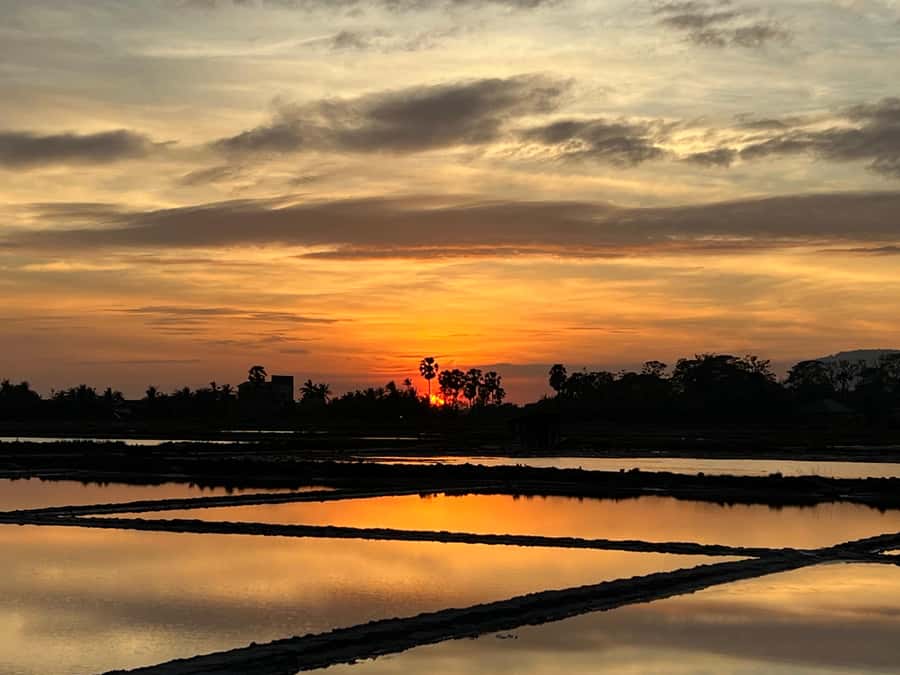
This tour is built for people who want countryside Cambodia without losing an entire day. At $22 per person for about five hours, the value comes from the mix: production (salt), heritage (a cave temple), and landscape shaped by history (Brateak Krola), then pepper at the end.
You also get a guide doing the talking. That means you are not just moving between places; you understand why each one matters to people living in Kampot Province.
You can also read our reviews of more tours and experiences in Kampot Province.
How the salt tour shows rural life in motion
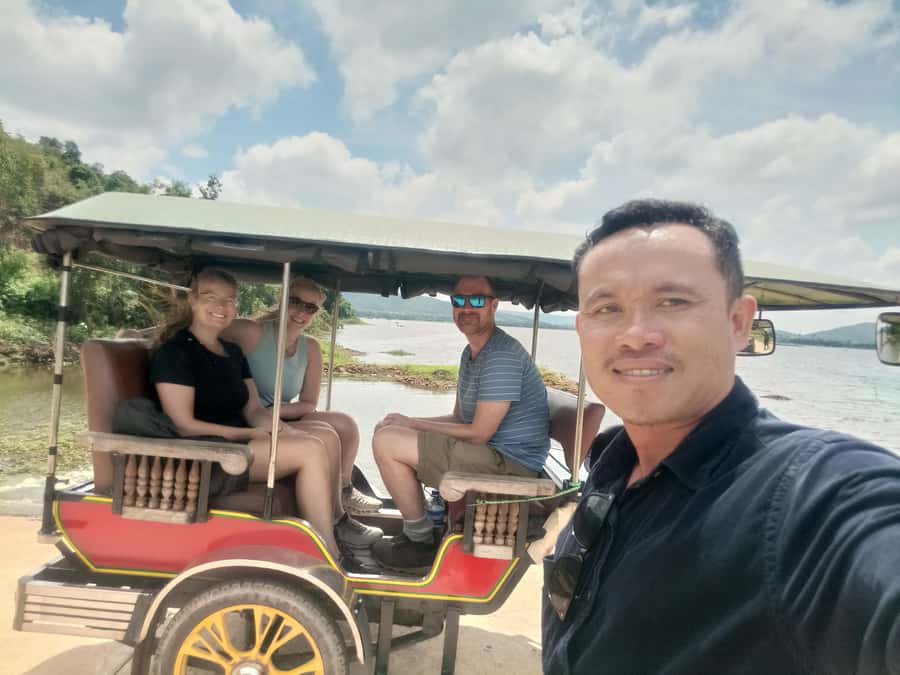
The day typically starts with pickup in Kampot town. The usual meeting point is opposite Epic Art Cafe, and you can also arrange pickup and drop-off from your hotel or restaurant in town.
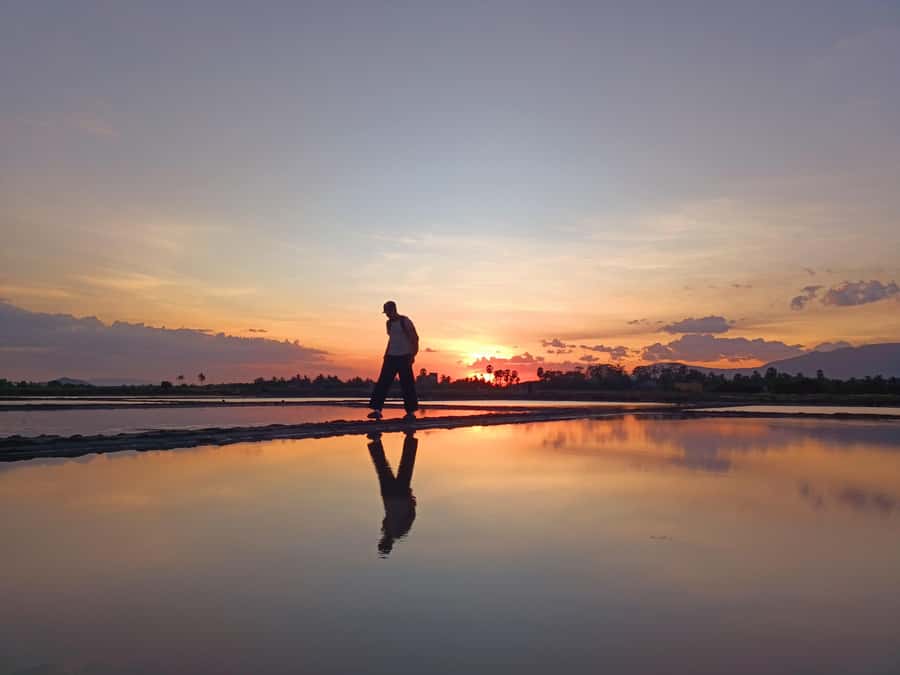
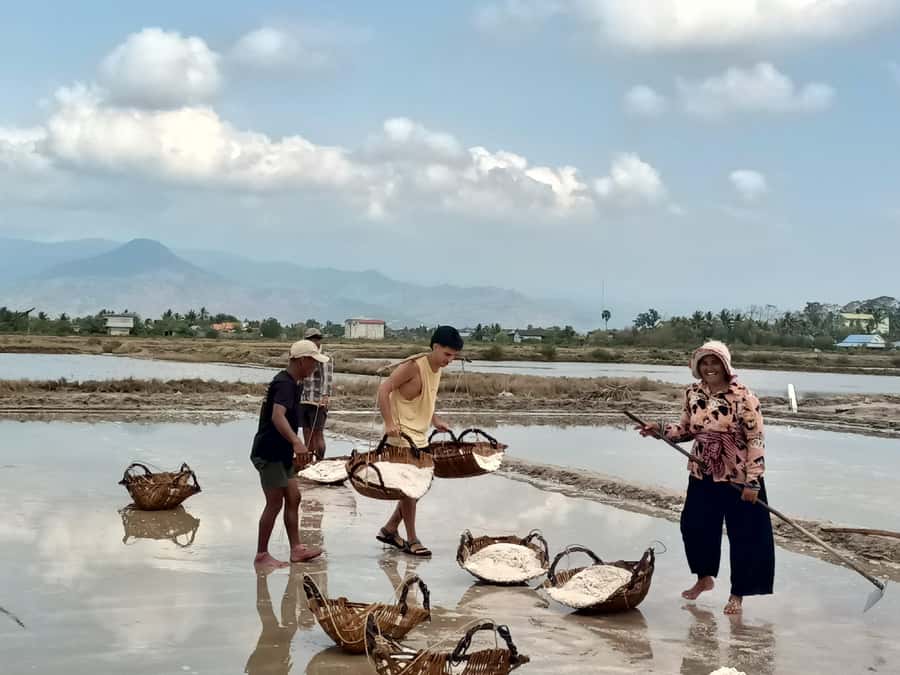
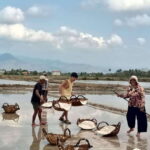
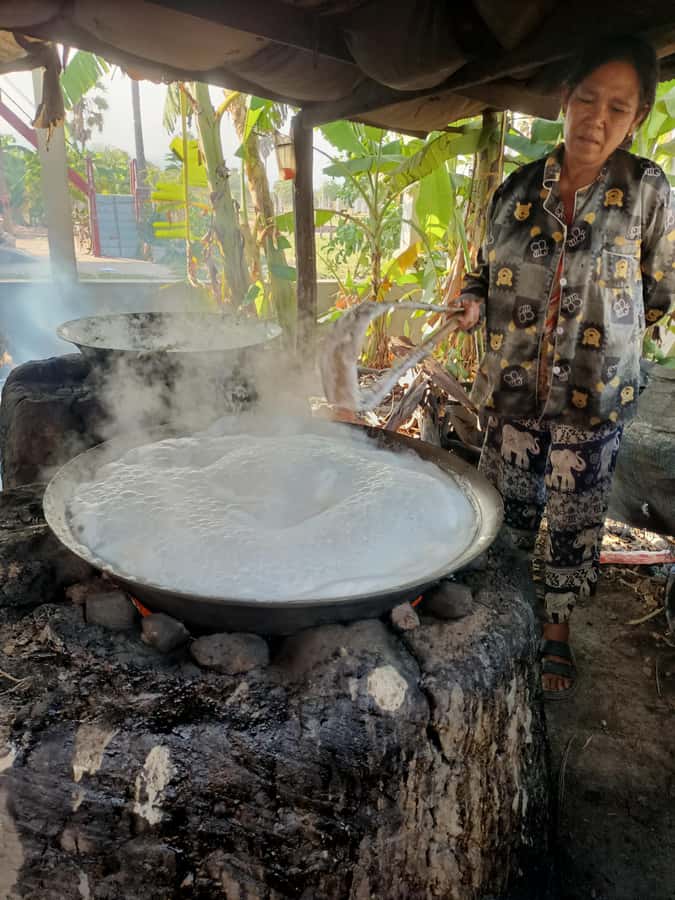
From there, you head toward a large salt-producing area on the outskirts. You’ll tour a salt factory and learn why salt production matters locally and how the process works step by step. This is the kind of stop that changes how you see the countryside: it is not just pretty fields, it is work with a schedule.
Timing matters for the salt fields
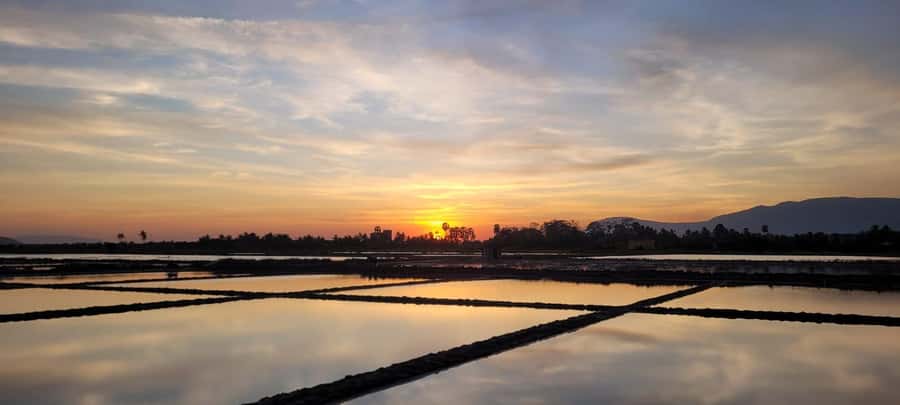
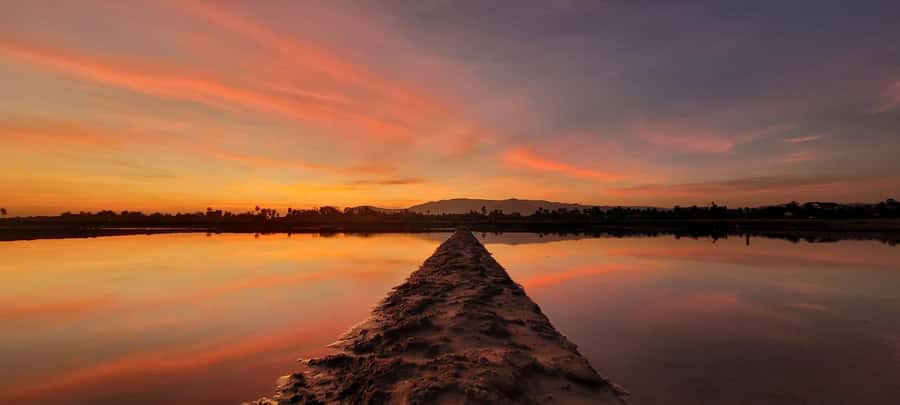
One caution I think is worth taking seriously: salt fields can look very different depending on the season and the timing of your visit. In some periods, you may see more mud flats than salt crystals. If your tour time aligns with a sunset option for the salt fields, it can add atmosphere and make the place feel more alive.
Even if the visual payoff is softer at certain times, you still get the behind-the-scenes factory part, which is usually the most informative element.
Phnom Chhngok cave temple: stairs, brick history, and viewpoints
Next comes Phnom Chhngok, the cave temple area reached by climbing 203 steps to the entrance. The effort is part of the experience, and it is also a simple way to judge whether the tour fits your body. If stairs are tough for you, this is the one stop where you will feel it.
Inside the main chamber, you’ll find a remarkable brick temple from the 7th century, often linked to the Funan era, dedicated to Shiva. Even if you do not come for religious architecture, it is a striking change of pace from farms and fields.
The viewpoints are a big part of why people like this stop. From the cave entrance area, the scenery opens up, and you get that classic Kampot countryside perspective—distant pockets of greenery, fields, and the sense that the landscape is bigger than the town.
Brateak Krola lake: a man-made landmark with Khmer Rouge history
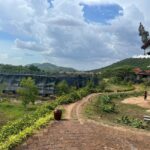
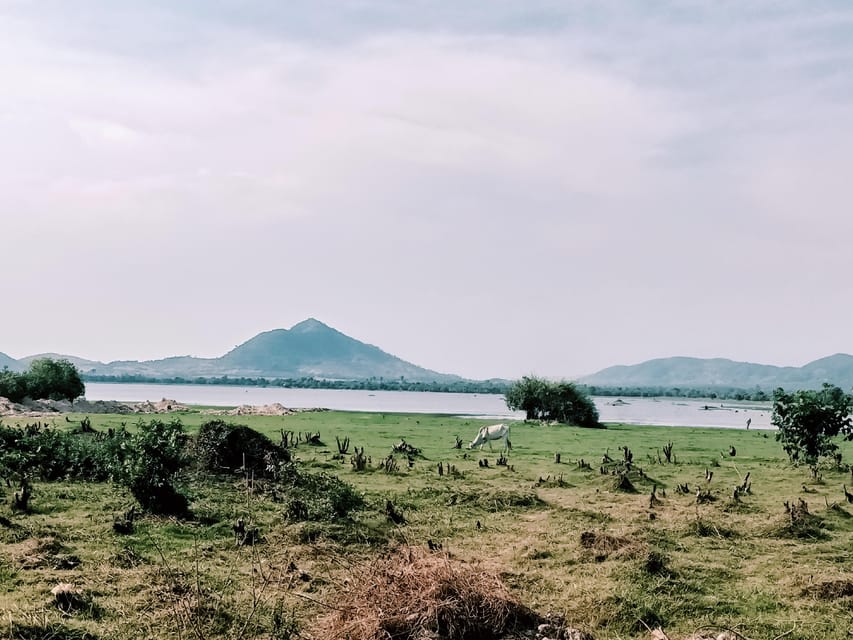
After the cave, the tour shifts to Brateak Krola Lake, described as a man-made lake constructed during the Khmer Rouge period. This is one of the most emotionally heavy stops on the route, and it gives the countryside a deeper layer than agriculture alone.
I like that the tour does not just treat this like a sightseeing waypoint. Even when you keep walking and taking photos, you are still reminded that places can be shaped by forced labor and political violence—not just geography.
You do not need to be a history expert to appreciate it. The value is in seeing how people live with the legacy of the past and how the landscape itself becomes a record of that time.
Pepper plantation tour and free tastings at the end
The final highlight is the pepper plantation. This is where the tour becomes fun in a different way. You get a guided walk through the plantation and a chance to test pepper produced onsite for free.
In practice, pepper tasting is one of those small touches that makes the whole experience feel real. It turns a plant you might have only seen as a spice into something you can smell, notice, and compare. If your nose is your personality (mine), this stop is going to land well.
Plan for timed tasting concepts
At the pepper stop, tasting can work like a slot-based setup depending on how the plantation runs that day. If you care about the tasting part specifically, it is smart to show up ready to go and pay attention to your guide’s timing so you do not miss it.
Getting there by tuk tuk: ride comfort and dust reality
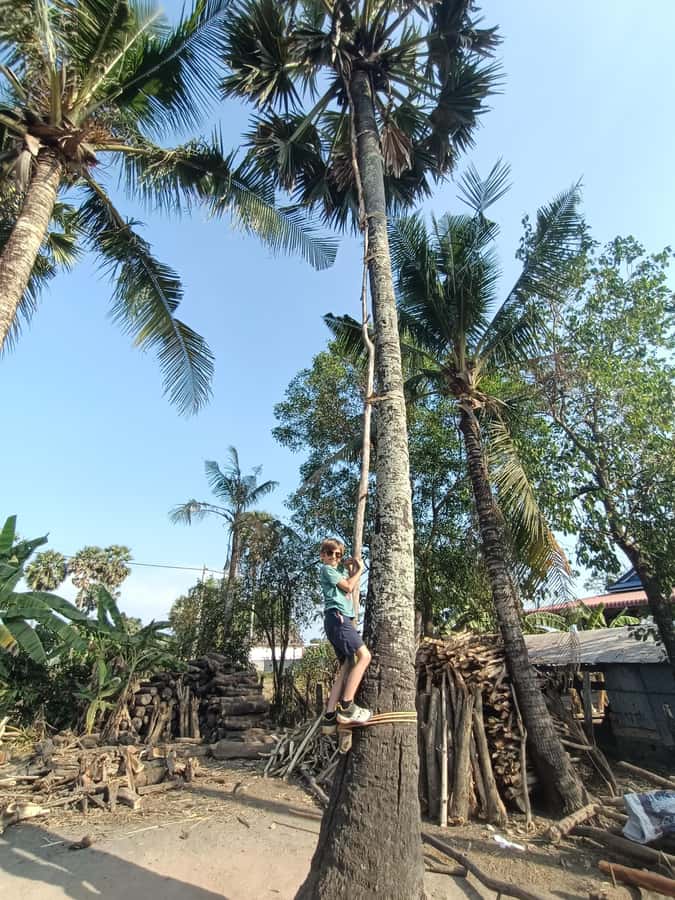
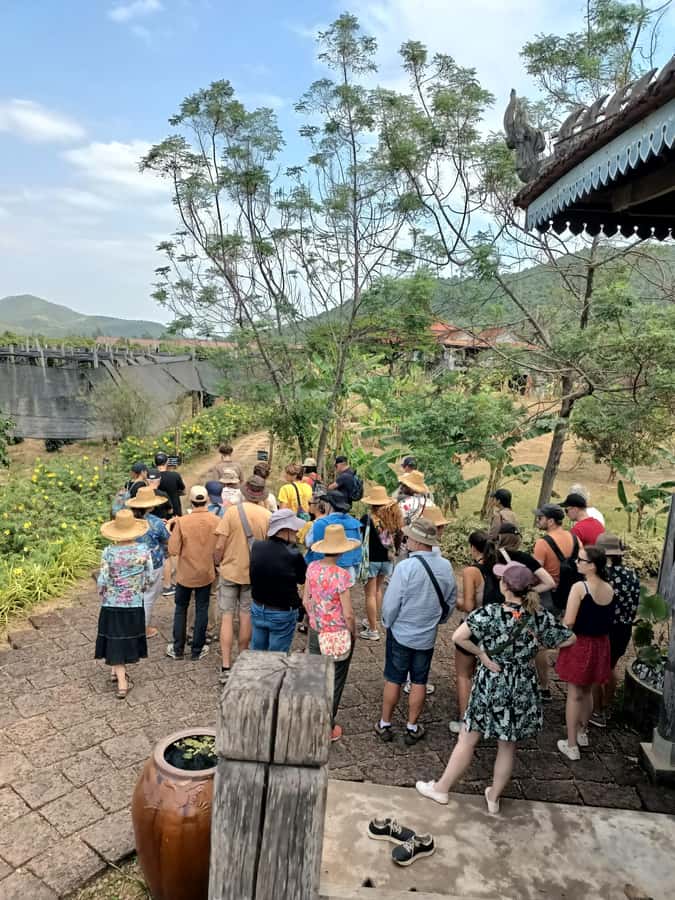
Most of the tour is done by tuk tuk, with multiple short transfers between sites. That setup is part of the charm. You feel the countryside changes as you ride—beyond the main roads—and the guide can point things out in real time.
The downside is straightforward: some roads are rough and dust can fly. I’d treat the day like a light adventure, not a museum run. If you have ever been annoyed by gravel roads, you’ll be happier with a hat, sunglasses, and something to cover your mouth if dust bothers you.
Also, since you are doing stairs at Phnom Chhngok and walking around outdoor sites, comfortable shoes are non-negotiable.
Price and value: what $22 gets you in Kampot Province
At $22 per person for roughly five hours, you are paying for four things that often cost extra when done separately:
- a live English-speaking guide
- entrance fees
- a factory and countryside visit structure
- pepper tour + tasting included
- fresh coconut included
Food is not included, so you should budget for a snack or meal before or after. But the core experiences are covered in the price, and that’s where the value sits.
If you already planned to do one or two countryside stops by yourself, the guide is the multiplier. Someone can explain what you are seeing—salt steps, temple details, and the lake’s historical context. That turns the day from transportation into learning.
Who should book this tour, and who should think twice
This tour is a good fit for you if you want a compact countryside day with a strong local guide and a mix of agriculture, heritage, and history. It also suits you if you like hands-on moments, like learning the salt process and tasting pepper.
It may be a bad fit if any of these apply:
- You have mobility limits for stairs (203 steps at Phnom Chhngok)
- You need wheelchair access (it is not suitable for wheelchair users)
- You are traveling with children under 5
- You are pregnant
- You are over 220 lbs (100 kg) or over 80 years
- You have scuba-dived within 24 hours prior
Also, if dust and rough roads make you miserable, this tour might still work, but only if you prepare for the conditions.
A note on guides and what makes this day feel good
The most praised part of the experience is the guide quality. Names that come up often include Phalla, Andy, and Chav, and the common thread is communication. You get clear explanations at each stop and stories that connect the sites to daily life.
You also benefit from safe, careful driving. More than once, the tone is: this is a countryside day, so the vehicle needs to be handled well on rough roads.
There’s also a small kindness factor that shows up in the details—like protection against dust and even a mid-tour cool coconut in at least one experience. Those little touches help the day feel cared for.
Should you book this Kampot countryside salt, cave, lake, and pepper tour?
Yes, if you want one guided way to cover a lot of Kampot Province in five hours—salt production, Phnom Chhngok cave temple with its 203 steps and views, Brateak Krola lake history, and free pepper tastings. The price is strong because key costs and the guide-driven learning are built in.
Skip it or choose your timing carefully if you are very sensitive to dust or you know stairs will be a problem. And if you are visiting when salt fields visually look like mud flats, don’t let that disappoint you—plan to enjoy the salt process explanation and the overall countryside circuit, which is where the tour earns its rating.
FAQ
How long is the tour?
It runs for 5 hours. Starting times vary, so you’ll want to check availability for the slot you prefer.
What does the tour cost?
The price is listed as $22 per person.
Where do you get picked up in Kampot?
The tour normally starts at the meeting point opposite Epic Art Cafe. Pickup and drop-off from your hotel or restaurant in Kampot town can also be arranged.
What is included in the price?
Included are the guide tour, entrance fees, fresh coconut, and the pepper tour plus pepper testing.
Is food included?
No. Food is not included in the tour price.
What can I expect at Phnom Chhngok cave temple?
You’ll climb to the cave entrance using 203 steps. Inside, there is a main chamber with a brick temple from the 7th century (Funan-era) dedicated to Shiva, and there are views from the cave entrance.
Is the tour suitable for young children?
No. It is not suitable for children under 5.
Is this tour wheelchair accessible?
No. It is not suitable for wheelchair users.
Is it okay if I recently scuba dived?
No. The tour is not suitable for people who have been diving up to 24 hours prior.