A morning on a real farm beats Mykonos hustle. I love the hands-on bread technique on a wood oven and the fact you get to meet farm animals up close while dough rests. The possible drawback: the day is paced around rising dough, so a few portions can feel less active than you expect, and the farm tour quality can vary.
This is a small-group-style experience (maximum 50) with hotel pickup that keeps logistics simple. You’ll start right after 9:00am, learn the dough routine from start to shaping, then eat what you made as part of your brunch.
In This Review
- Key things to know before you go
- A working Mykonos farm, not another cooking show
- Getting there: pickup included, plus a 9:00am reality check
- Wood oven breadmaking: kneading to shaping in a clear rhythm
- What you do while the dough rests: organic farm tour and animals
- Brunch at the Mykonian Farm: what you eat and why it feels different
- Price and value: what $107.84 buys you on Mykonos
- Logistics that make or break the morning
- Who this suits best (and who might want to skip it)
- Should you book this Mykonian Farm and Bakery Class with Brunch?
- FAQ
- What time does the activity start, and how long does it last?
- Where does this take place?
- Is hotel pickup included?
- Will there be extra charges for pickup?
- What language is the tour offered in?
- What does the bread class include?
- Is brunch included?
- How big is the group?
- Is this a mobile ticket activity?
- Can I cancel for a full refund?
Key things to know before you go
- Wood-oven baking lessons you can actually follow: knead, rest, shape, then taste your results.
- Farm animal time during the downtime: goats, sheep, donkeys, and more come into play.
- Organic farm atmosphere, not a stage set: you’ll see how a working Melkonian farm does things.
- A brunch built around Mykonian products: you’ll eat freshly baked items plus local dishes.
- Chef Mike is the heart of the lesson: hands-on teaching with lots of warmth and humor, even if English is limited.
- Timing matters: about 3.5 hours means you should plan your morning around the 9:00am start.
A working Mykonos farm, not another cooking show
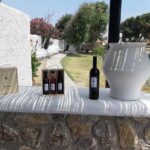
Mykonos is famous for beaches and nightlife, but this is the calmer side of the island—the agricultural rhythm. The Mykonian Farm and Bakery Class is built around traditional breadmaking at a farm, then it turns into brunch using local Mykonian ingredients.
What makes this outing feel different is the sequence. You don’t just watch bread go into an oven. You knead and shape it, then you enjoy it after the baking finishes—right where the work happens.
The best part is how “practical” it feels. Even if you’re not a food person, you’ll still understand the dough process because it’s taught as a physical skill: mixing, kneading, resting, and forming.
You can also read our reviews of more tours and experiences in Mykonos.
Getting there: pickup included, plus a 9:00am reality check
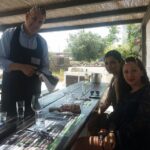
The class runs about 3 hours 30 minutes, and it starts at 9:00am. The schedule is strict in a good way: you should arrive just after 9:00am at the farm. This matters because the first stage of the lesson begins with kneading.
Pickup is offered from/to many hotels and most areas of Mykonos. If you’re coming from farther spots like Elia, Kalafatis, Agrari, Panormos, Super Paradise, Paradise & Kanalia—or from remote villas/apartments—you may pay an extra 10 euro per person round trip, in cash on the spot to the driver.
Two small tips that help a lot:
- Share your exact pickup point by the prior day so you don’t get lost in the logistics.
- Build a buffer. The operator waits up to 15 minutes for you, and delays can disrupt the transfer flow.
You’ll also use a mobile ticket, so keep your phone charged.
Wood oven breadmaking: kneading to shaping in a clear rhythm
The bread lesson is the core of the experience, and it’s structured around real dough timing.
Here’s the flow:
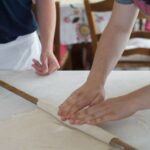
- Kneading (about 1 hour): you start at a specially arranged spot. This is where the class turns into hands-on work—learning the basics and traditional technique while you work the dough.
- Resting time (about 45 minutes): once the dough is formed to that stage, it rests. That downtime isn’t wasted—this is when the farm tour typically happens.
- Shaping and finishing: when the bread stage is ready again, you return for the final shaping steps.
- Taste test: when baking is done, you first taste your freshly baked bread, then brunch follows.
In many sessions, the “bread lesson” can expand beyond just loaves. Several people describe making more than one item—things like pizza or calzones—alongside bread. You’ll want to keep an open mind: you’re not at a one-recipe workshop, and the day can feel busier than it first sounds once the extra baking comes in.
Chef Mike is also a big reason this works. Even when language is a challenge, the teaching style is very action-based: pantomime, demonstrations, and lots of encouragement. The vibe is warm and funny, not stiff or formal.
What you do while the dough rests: organic farm tour and animals
The farm portion is timed for a reason: dough needs its rest. That means this visit has two gears—work, then roam.
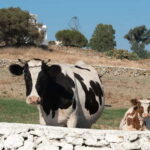
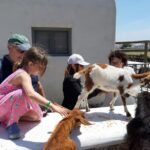
During the tour, you’ll get a look at the farm’s organic approach and the day-to-day feel of a traditional Mykonian setup. You’ll also meet the animals the farm is built around, and this is one of the most consistently loved parts.
From what you can expect on-site, animal encounters are a real highlight:
- donkeys and goats
- sheep and chickens
- and farm dogs and cats that people often remember as much as the bread
Some folks also specifically mention a farm dog named Myko and a kitten named Ginger. Whether those exact animals are the ones you meet, the point is the same: you’ll spend time around the farm crew and animals, not just walk past them.
One consideration: the farm tour experience can vary in how much it feels like a guided story. A few people felt it was more lecture-style than hands-on, and one described the guide spending a lot of time complaining. If you’re the type who wants lots of explanation mixed with active doing, plan to use the animal time as your main “engagement.”
Weather can also change how the farm area feels. Rainy days have happened, and the team adjusts—so don’t assume you’ll always be outside in full sun.
Brunch at the Mykonian Farm: what you eat and why it feels different
Once the baking finishes, you eat. And not in a rushed, cafeteria way.
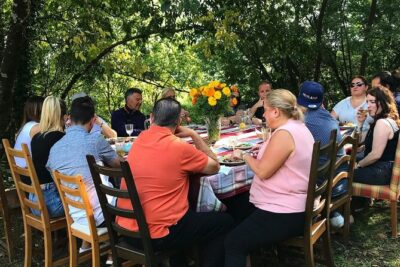
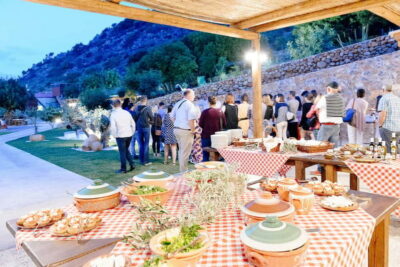
Your brunch is served at the farm with dishes made from genuine pure Mykonian products. The sample menu calls out:
- freshly baked bread
- Mykonian brunch
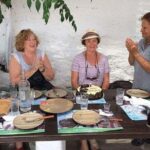
In practice, the table can include more than bread alone. Multiple accounts describe Greek classics alongside what they helped bake—things like Greek salad, spanakopita, tzatziki, and dishes such as mousaka showing up on the spread. Some people also mention wine being served during the meal, along with coffee, but the only guaranteed items listed are the brunch and bread.
What I like about the meal structure is that it directly matches the lesson. You don’t eat someone else’s food in a separate room; you taste your results, then you move into brunch that complements the whole Mykonian theme.
If you’re a “big lunch” eater, you’ll likely leave satisfied. Several descriptions mention arriving hungry and leaving fully fed—plus people often note they needed to pack food to go.


Price and value: what $107.84 buys you on Mykonos
At $107.84 per person, this is not a cheap add-on. The value is mostly in three places:
- You’re paying for instruction plus labor
You knead and shape dough yourself. Even if you’re not “good at cooking,” you still participate. That changes the feel compared to a tasting-only tour.
- You get a real farm setting
You’re not just in a kitchen with a view. You’re at a working farm with animals and organic farming context. That’s why you’re out of town for the morning and not just eating at a restaurant.
- Brunch is included
The included brunch matters in a place where meals can stack up fast. You’re getting your morning food from the same experience, not adding another pricey stop right after.
The one place where value can feel uneven is if you’re expecting a nonstop hands-on workshop. A few people described long stretches that felt like waiting or sitting around while dough rose. If you’re the type who gets impatient, go in knowing that breadmaking has downtime built in—and you’ll fill it with the farm tour and animal time.
Logistics that make or break the morning
This is a pickup-based morning experience, and it runs with a tight schedule. A few practical points help you avoid friction:
- Start early, plan a light day after. You’ll be done in about 3.5 hours, but your hands-and-stomach full. Keep later plans simple.
- Expect a small-group feel, not a mega-bus crowd. The maximum is 50, but many descriptions sound smaller in practice. That usually means better interaction time.
- Bring an open mind about language. Chef Mike’s English may be limited at times, but the class still works through demonstrations and humor.
- If you’re sensitive to insects, be prepared. One person specifically mentioned flies around donkeys. The farm is outdoors; it’s normal to see some bugs.
- Wear clothes you don’t mind getting flour on. Flour happens. It’s breadmaking. You’ll see it in the air.
Who this suits best (and who might want to skip it)
This class is a great match if you want an authentic Mykonian morning that doesn’t revolve around beach chairs or club lines.
It tends to work well for:
- couples and friends who want a shared activity
- families with kids who enjoy animals and hands-on tasks
- food lovers who like traditional techniques and wood-oven cooking
- travelers who want a quieter side of Mykonos
It may feel less ideal if:
- you hate waiting around for food to rise or bake
- you expect a long, story-heavy cultural tour rather than a food-first workshop
- you want a perfectly detailed lecture on Greek farming history during the farm walk
Should you book this Mykonian Farm and Bakery Class with Brunch?
If you like real participation—kneading dough, shaping bread, meeting animals, and eating what you made—then yes, this is an easy morning pick. The wood-oven bread lesson is the anchor, and the brunch afterward keeps it from feeling like a “half experience.”
I’d book it especially if you want to trade some Mykonos crowds for a calmer farm setting, and if you’re okay with the natural rhythm of breadmaking (work, rest, then bake). If you’re the impatient type or you mainly want a long guided narrative, consider that the farm tour can be brief or vary in style.
One last practical check: make sure you can be at the pickup and ready for the 9:00am start. When that timing clicks, this kind of experience usually feels like one of the most memorable mornings on the island.
FAQ
What time does the activity start, and how long does it last?
It starts at 9:00am and runs for about 3 hours 30 minutes (approx.).
Where does this take place?
The experience is on Mykonos, Greece, at the Mykonian Farm.
Is hotel pickup included?
Yes. Transfers are included from/to many hotels and most areas of Mykonos.
Will there be extra charges for pickup?
Possibly. For remote places such as Elia, Kalafatis, Agrari, Panormos, Super Paradise, Paradise & Kanalia, or remote villas/apartments, there is an extra 10 euro per person round trip, paid in cash to the driver.
What language is the tour offered in?
The experience is offered in English.
What does the bread class include?
You’ll take part in the baking lesson at the farm, including kneading dough (about 1 hour), resting (about 45 minutes), and then shaping the bread into its final form on the wood oven.
Is brunch included?
Yes. Brunch at the Mykonian Farm is included, and it includes freshly baked bread and Mykonian dishes.
How big is the group?
The experience has a maximum of 50 travelers.
Is this a mobile ticket activity?
Yes. It includes a mobile ticket.
Can I cancel for a full refund?
Yes. You can cancel for a full refund if you cancel up to 24 hours in advance of the experience’s start time.