REVIEW · MYKONOS
Olive Oil Tasting at the Mykonian Farm
Book on Viator →Operated by Mykonian Farm · Bookable on Viator
Smell and taste olive oil like a pro in Mykonos. I like that this Mykonian Farm session teaches you the meaning of extra virgin with real sensory practice, not just facts. You also taste both award-winning oils and oils with negative attributes, so you learn the difference between good character and off flavors.
The payoff I like most is the vocabulary you’re given for tasting: how to recognize notes people describe as fruity, bitter, and spicy. One consideration: the price is on the high side for what’s mainly a guided tasting and short farm-time experience, so go in knowing the focus is the olive oil education.
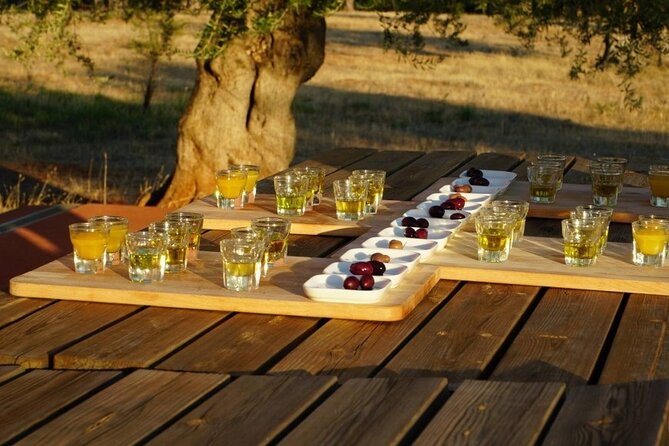
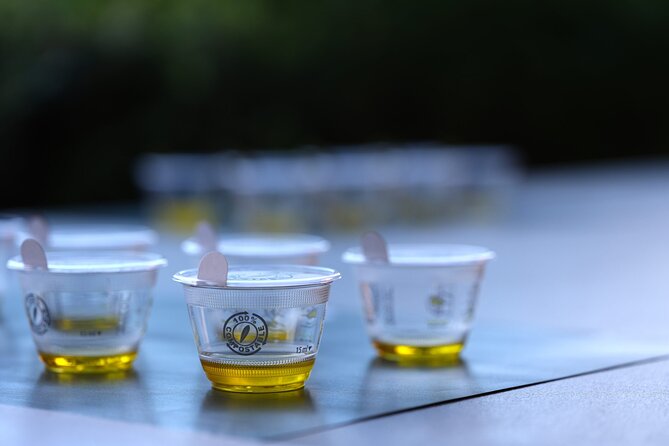
Expect about 2 hours starting at 5:00 pm in a specially designed tasting area. The group is small (up to 15), pickup may be available, and you’ll get a mobile ticket, which keeps things simple when you’re pairing this with other Mykonos plans. You’ll also get biodegradable tasting glasses, which is a small touch but a nice one for a food-focused experience.
In This Review
- Quick Hits: What Makes This Mykonian Farm Olive Oil Tasting Click
- Getting Oriented at Mykonian Farm (5:00 pm Plans Done Right)
- The Real Skill: How You Learn to Smell Olive Oil
- Tasting Four Oils: Award-Winning vs Negative Attributes
- Speaking the Language of Olive Oil: Fruity, Bitter, Spicy
- The EVOO Story You Actually Need: From Olive Tree to Your Table
- Mediterranean Diet and Health/Beauty Benefits (Without Hype)
- Group Size, Timing, and Pickup: Small Details That Change the Experience
- Price and Logistics: Is $104.28 Worth It?
- Who This Mykonian Farm Olive Oil Tasting Best Suits
- Should You Book This Olive Oil Tasting?
Quick Hits: What Makes This Mykonian Farm Olive Oil Tasting Click
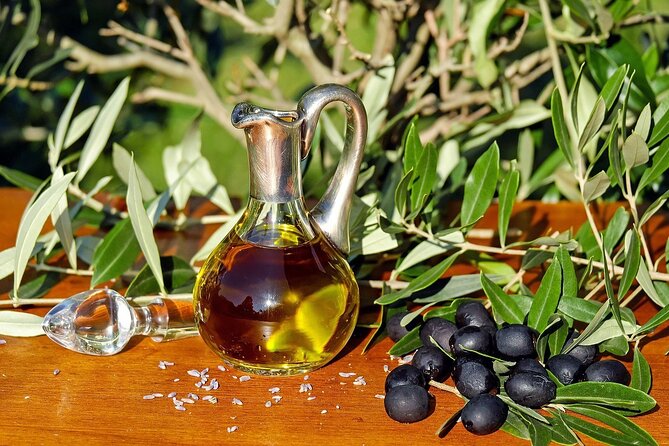
- 4 sample pours, including “negative attributes” so you can recognize defects, not just enjoy the best bottles
- Guided sensory training to learn how to smell and taste like an olive oil taster
- Tasting language you can actually use (fruity, bitter, spicy) when you shop later
- Specially designed farm tasting area for a focused, low-chaos experience
- Small group format (max 15) that helps you ask questions during the tasting
Getting Oriented at Mykonian Farm (5:00 pm Plans Done Right)
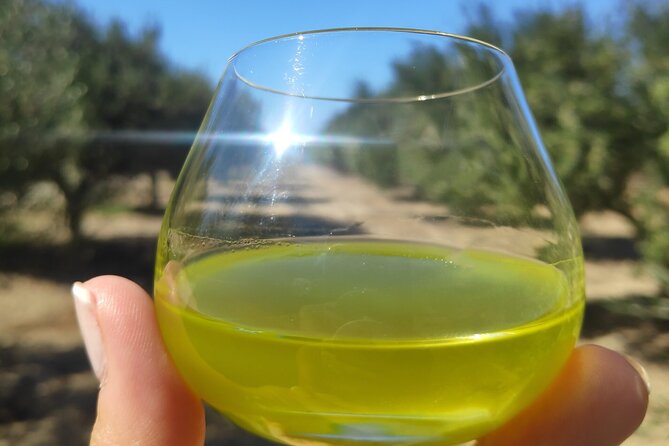
This is a late-afternoon session, starting at 5:00 pm. That timing matters in Mykonos, because it helps you avoid the hottest part of the day and still leaves room for dinner after you finish.
I like that pickup is offered. It usually means less stressing about where to be and when, especially if you’re hopping between beaches, Old Town, and dinner spots. If you do take pickup, plan on being ready a bit ahead of time so you’re not rushing.
Your ticket is mobile, and confirmation comes when you book. That’s handy when you’re moving around with your phone rather than juggling paper. Also, with a maximum of 15 people, you should expect a more orderly pace than the big workshop vibe.
You can also read our reviews of more tours and experiences in Mykonos.
The Real Skill: How You Learn to Smell Olive Oil
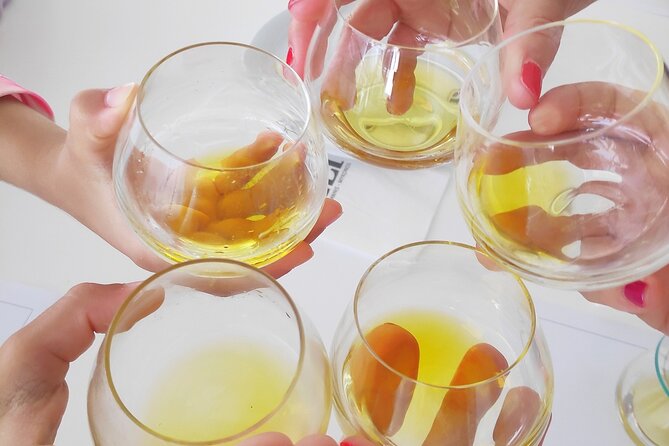
The whole point here is training your senses, not just tasting. You’ll learn the basic principles of olive oil tasting and sensory analysis, led by an expert olive oil taster. In practice, that means the lesson is built around how aroma shows up before flavor, and how you use smelling to predict what you’ll taste.
This matters because most people taste olive oil the way they taste olive juice—quickly, casually, and mostly for whether it feels pleasant. Here, you’re trained to slow down and pay attention. You learn how to smell for the aromas that signal good quality and personality.
You’ll also hear the fundamentals of what makes olive oil truly extra virgin, not just “olive oil that tastes good.” The tasting is where those ideas become real, because the guide keeps you focused on what you’re noticing with your nose and tongue.
Tasting Four Oils: Award-Winning vs Negative Attributes
You taste 2 award-winning Greek extra virgin olive oils and 2 olive oils with negative attributes. This is the part I think is genuinely valuable, because it’s easier to remember contrasts than it is to memorize descriptions.
With only “great oils,” you end up thinking olive oil tasting is all preference: you like what you like. Adding the lesser-quality samples forces a different kind of learning. You start to recognize defective qualities—signals that something is off in storage, handling, or production.
This approach is a big reason the experience can feel more useful than a standard food-and-sips stop. When you know what defects taste like, you can shop more confidently later. You’re not just hunting for a label; you’re learning the sensory checks.
And it’s not just about catching mistakes. The guide helps you understand how to compare oils properly so you can describe what makes a good one stand out—without relying on marketing words.
Speaking the Language of Olive Oil: Fruity, Bitter, Spicy
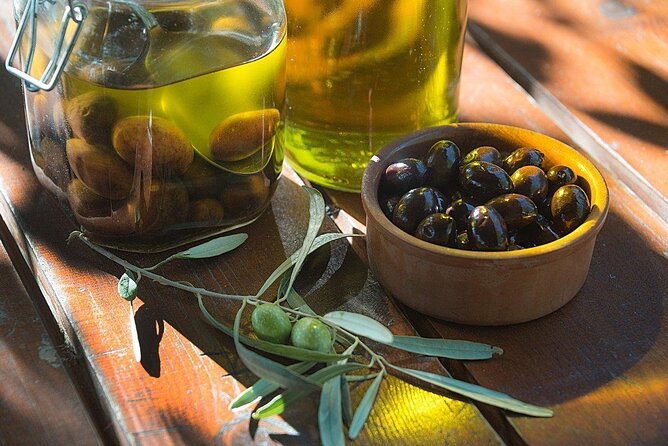
One of the most practical parts of this experience is learning how to describe olive oil correctly. You’ll practice using tasting terms like fruity, bitter, and spicy.
Here’s the useful thing: these words aren’t just cute descriptors. In olive oil tasting, they’re shorthand for specific sensations.
- Fruity tends to relate to fruit-like aroma and impressions you pick up first.
- Bitter is often a sign of real olive character and sometimes good freshness, not a defect by default.
- Spicy points to a peppery or throat-tingling sensation that can show up in higher-quality oils.
I like that the session gives you this kind of framework, because it makes tasting less vague. Instead of thinking, “This is good,” you can start saying, “This one has fruit aroma, a bitter edge, and a spicy finish,” which is exactly how tastings are meant to work.
It also helps you connect olive oil to food. If you know your oil’s personality, you can match it to salads, grilled vegetables, bread, or even dishes where you want a more peppery kick.
The EVOO Story You Actually Need: From Olive Tree to Your Table
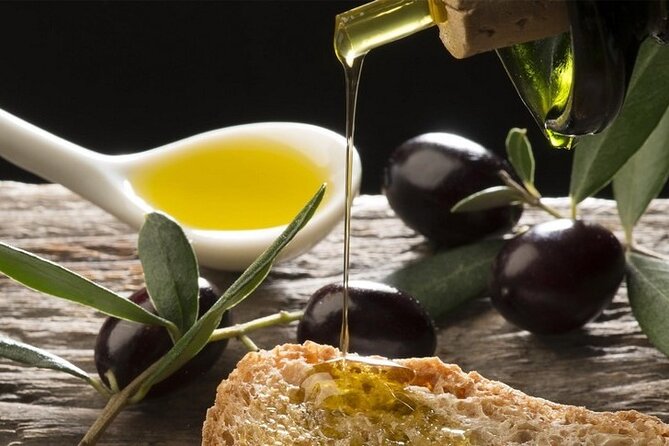
You’re also given a short history of the Greek olive tree and olive oil. Even without a long lecture, that background matters, because olive oil in Greece isn’t a trendy ingredient—it’s an ancient one.
This experience ties the story to what you’re tasting. You’re learning how Greeks have treated olive oil as central to cooking and daily life for a long time. That context helps you understand why the locals care so much about quality terms like extra virgin.
The session also covers the important elements that characterize an extra virgin olive oil. The goal isn’t for you to become a chemist. It’s for you to understand what extra virgin means in sensory and quality terms, so you can make better choices when you’re buying bottles.
You’ll also learn how to recognize an olive oil with negative attributes from one with good character. That’s the core value: tasting becomes decision-making.





Mediterranean Diet and Health/Beauty Benefits (Without Hype)
This tour doesn’t just treat olive oil as a flavor. It connects EVOO to the Mediterranean Diet and to health and beauty benefits.
You’ll hear that extra virgin olive oil contains antioxidants, fatty acids, and vitamins—then you’ll connect that to why it’s considered one of the key foods in the Mediterranean way of eating. The session positions EVOO as the core element of the diet, and that framing can make the lesson feel more relevant if you’re trying to eat with intention, not just snack.
One thing I appreciate: the experience is set up like a guided tasting, not a wellness pitch. Health claims are explained through the lens of the Mediterranean Diet, and the tasting gives you a concrete reason to care. When you can taste what quality feels like, you’re more likely to use olive oil consistently.
Group Size, Timing, and Pickup: Small Details That Change the Experience
The maximum group size is 15. For a sensory class, that’s a sweet spot. Too many people and you get shuffled through tasting with little interaction. Here, a smaller crowd helps the guide keep the learning moving at a human pace.
You’re there for about 2 hours. That duration works for most Mykonos schedules, especially if you’re trying to fit in a food experience without losing the whole evening. The 5:00 pm start also means you can plan something easy afterward.
Pickup offered can make a big difference if you’re not in the mood for taxis or you’re unsure about getting out to a farm setting. Since the tour uses mobile tickets and includes a set start time, it’s one of those activities that tends to run cleaner than open-ended tastings.
If you hate waiting around, this format should suit you. The experience is structured around the tasting process and the learning points included.
Price and Logistics: Is $104.28 Worth It?
At $104.28 per person for an approximately 2-hour experience, it’s not cheap. The key question isn’t the number—it’s what you actually get for that money.
Here’s what’s built into the session:
- Guided sensory training with an expert olive oil taster
- Tasting of 4 oils: 2 award-winning and 2 with negative attributes
- A short history of Greek olive oil and olive trees
- Principles of tasting and sensory analysis
- Health and Mediterranean Diet education
- Biodegradable tasting glasses
- Pickup offered and a mobile ticket (when applicable)
For me, the value comes from the “4 oils including flawed samples” part. That’s what turns it from a pleasant tasting into a learning experience you can use. If you already know what you like and you only want a quick taste, it may feel pricey. If you want to improve your ability to judge quality, it’s more defensible.
One practical caution: the price can feel steep if you were hoping for a bigger farm-meal evening. The olive tasting is clearly the center of the event, and you should plan your expectations around that core focus.
Also, this experience is non-refundable and cannot be changed for any reason. That makes it a book-with-confidence option only if your schedule is solid.
Who This Mykonian Farm Olive Oil Tasting Best Suits
This is a great fit if you:
- Want a structured food tasting with real technique, not just sipping
- Enjoy learning how to spot quality in products, like you might in wine tastings
- Like the idea of understanding olive oil beyond taste—health and Mediterranean context too
- Plan to buy olive oil in Greece and want better instincts
It’s less ideal if you:
- Want a long, wandering farm visit rather than a sensory workshop
- Are looking for a big meal experience as the main event
- Prefer tasting experiences that are mostly casual and unstructured
Should You Book This Olive Oil Tasting?
If you want to come away with a usable skill—how to smell, taste, and describe extra virgin olive oil—this is a strong choice. The combination of award-winning oils plus oils with negative attributes gives you contrast, and contrast is what makes tasting education stick.
If the price feels like it’s more than you want to spend, read that as a hint: only book if olive oil is something you’ll actually use at home. If you’re the kind of person who cooks, dips bread, makes salads, or buys olive oil often, this session can pay off in better choices long after Mykonos.
For most people, I’d book it when your schedule is firm, you’re ready to learn through tasting, and you want a small-group, 2-hour food experience with real structure.