REVIEW · ACCRA
Experience Boti Waterfalls, Aburi Botanical Gardens & Tetteh Quarshie Cocoa Farm
Book on Viator →Operated by NYONKOPA ECO TOURS · Bookable on Viator
Three waterfalls and cocoa, all in one day. I like how this route mixes lush Aburi nature with hands-on learning, and I especially like the cocoa stop where you get to understand cultivation and even taste ripe cocoa before it becomes chocolate. The main drawback is the Boti Waterfalls hike: it’s a real climb and it can be too much for some people, especially if you’re not used to rocky paths or longer walking.
I also appreciate the human side of the tour. A trained guide, paired with a helpful driver, keeps things moving without being pushy. In guides like Michael and Isaac, you’ll see a pattern of calm, practical help, which matters when the day gets active and you’re bouncing between countryside stops in and around Accra.
In This Review
- Key highlights you’ll feel on this outing
- The best way to read this tour: a nature-and-cocoa day with an actual hike
- Aburi Botanical Gardens: medicinal plants and a carved dead tree
- Tetteh Quarshie Memorial Hospital: where cocoa history becomes real food
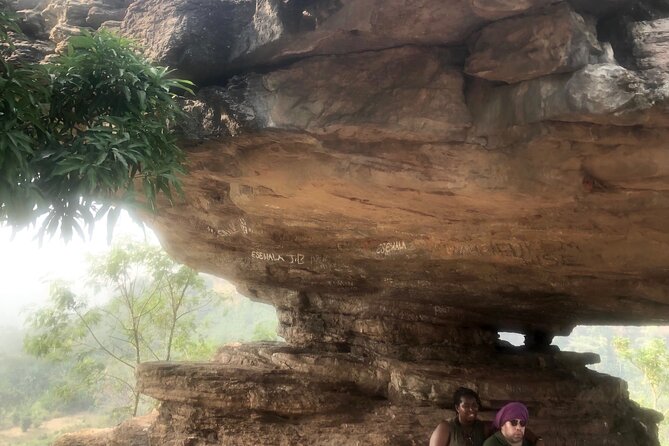
- Boti Waterfalls on Rock Boti Hills: Umbrella Rock, a three-headed palm, and a serious climb
- The water levels are seasonal (plan smart)
- The hike is the main event
- Why the viewpoint is worth it
- Asenema Waterfalls from the Akuapem ridge: a second waterfall to balance the effort
- Price and time: does $175 buy you a better day, or just a busy one?
- What to pack so Boti doesn’t ruin your day
- Who should book this and who should reconsider
- Should you book this Boti, cocoa, and Aburi route?
- FAQ
- Is pickup included?
- How long does the tour last?
- What stops are included?
- Are entrance fees included?
- Is there hiking at Boti Waterfalls?
- Will I see water at Boti Waterfalls year-round?
- Is this a private tour?
- Is it suitable for most people?
- What is the price per person?
Key highlights you’ll feel on this outing
- Aburi Botanical Gardens with medicinal plant talk and a carved dead pine tree that turns the garden into a story
- Tetteh Quarshie memorial site focused on how cocoa farming got started in Ghana
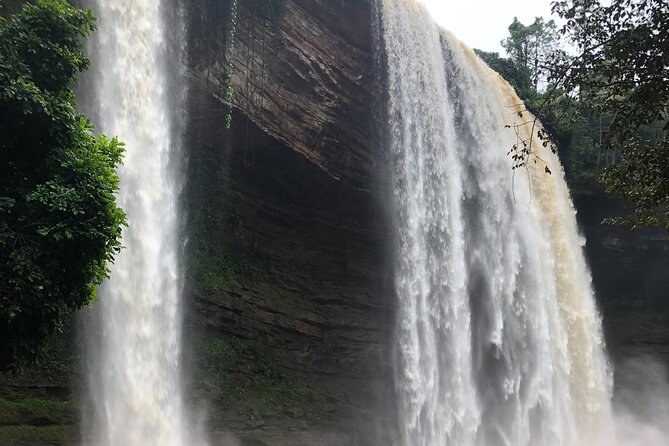
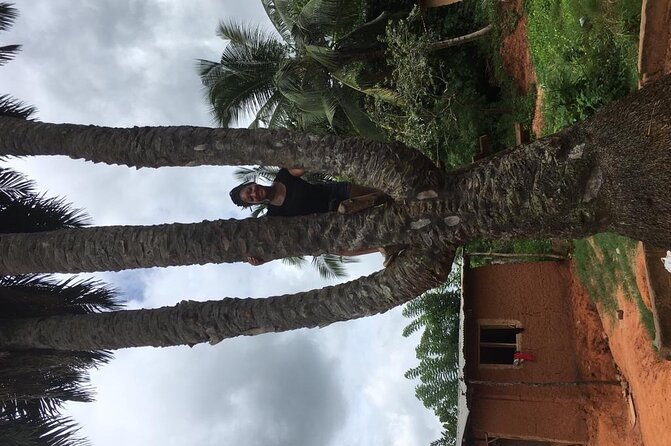
- Boti Waterfalls views of Umbrella Rock and the three-headed palm tree, reached by foot
- Seasonal water at Boti: big in rainy months, limited or near-dry in Harmattan (dry) season
- A full day that still stays guided, including admission tickets at each stop
- A private feel since it’s only your group, not a mixed crowd tour
The best way to read this tour: a nature-and-cocoa day with an actual hike
This is a smart choice if you want more than one “photo stop.” You’re going from gardens to cocoa to waterfalls, all guided, so you’re not just looking at things—you’re learning what you’re seeing. The Aburi and cocoa stops are calmer, then Boti brings the effort.
It’s also good value for a Ghana day trip because the price covers admission tickets at each of the listed stops. Add in pickup and a private format, and you’re paying for a structured day rather than piecing together buses and taxis on your own.
Still, here’s the part you should take seriously: Boti. The tour includes a climb up to the rock area and back, and the footwear warning isn’t marketing fluff. One person’s great day is another person’s sore legs.
You can also read our reviews of more tours and experiences in Accra.
Aburi Botanical Gardens: medicinal plants and a carved dead tree
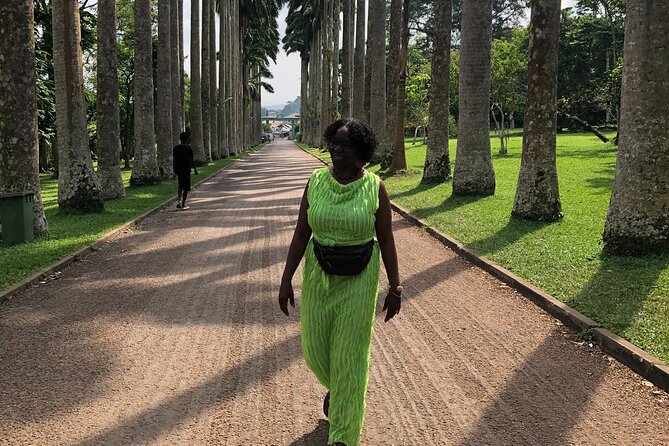
Aburi Botanical Gardens is the first reset button. The drive out of Accra helps you switch gears—from city traffic mode to “listen to the trees” mode. Once you’re inside, the garden feels like a living classroom.
What I’d plan to enjoy most here:
- Plant explanations you can actually use: you’ll hear about different plants and their medicinal uses, which adds meaning beyond pretty greenery.
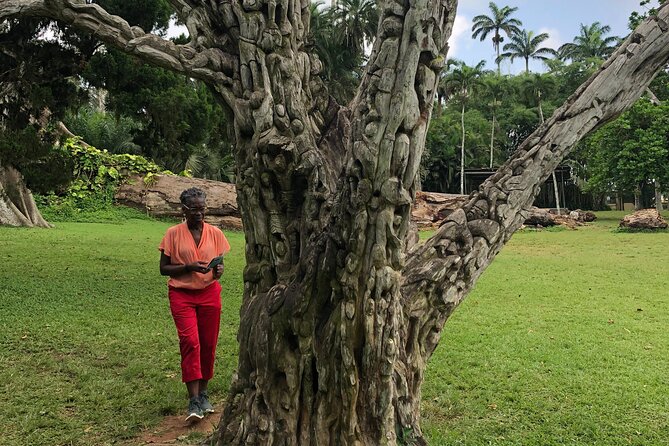
- A striking artist carving: there’s a dead pine tree that’s been carved to tell a story about human life. It turns something that could feel gloomy into something thoughtful and memorable.
If you want a first stop that’s easy to enjoy even if you’re tired, Aburi works. It’s also a nice break from the later climbing—about an hour here gives you time to slow down and take in the details.
Potential catch: gardens are still gardens, so wear something comfortable. If you’re sensitive to heat, plan to keep hydrated early in the day, before Boti turns up the effort.
Tetteh Quarshie Memorial Hospital: where cocoa history becomes real food
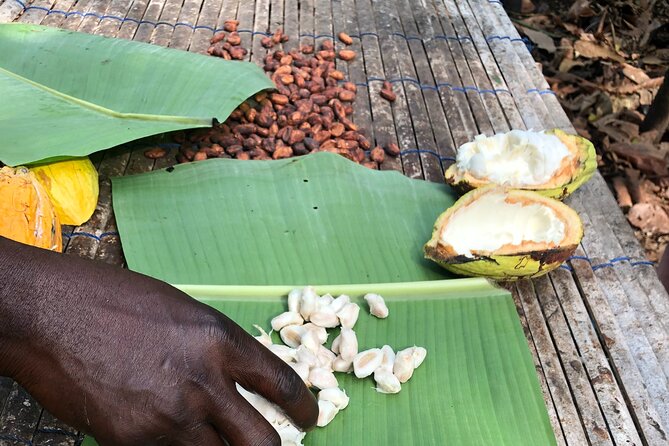
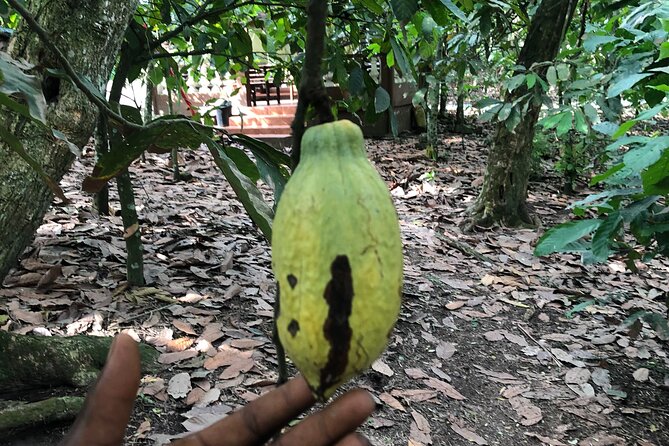
The cocoa stop is not just a quick look around. This visit centers on the site tied to the first cocoa farm in Ghana, and you’ll learn how cocoa cultivation works in Ghana.
Here’s what makes it feel worthwhile rather than rushed:
- You get the story of cocoa’s beginnings, tied to an actual memorial site.
- You’ll walk through the process of cocoa cultivation, which helps you understand what you’re tasting later.
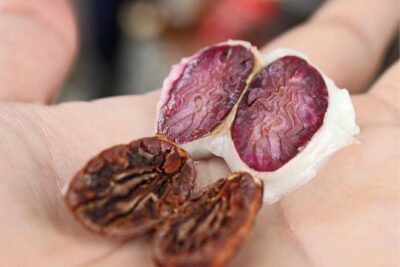
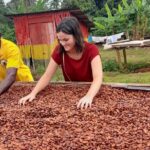
- There’s a hands-on moment where you can taste ripe cocoa before it’s used for chocolate production.
Even if you already know cocoa comes from pods, the tour helps you connect the dots from farming steps to flavor. And that tasting moment tends to make the stop feel personal.
One practical note: cocoa learning is best when you ask questions. If you’re the curious type, this is a great time to ask your guide about fermentation, drying, and how local methods influence taste—those themes are exactly the kind of things that make a demo stick in your memory.
Boti Waterfalls on Rock Boti Hills: Umbrella Rock, a three-headed palm, and a serious climb
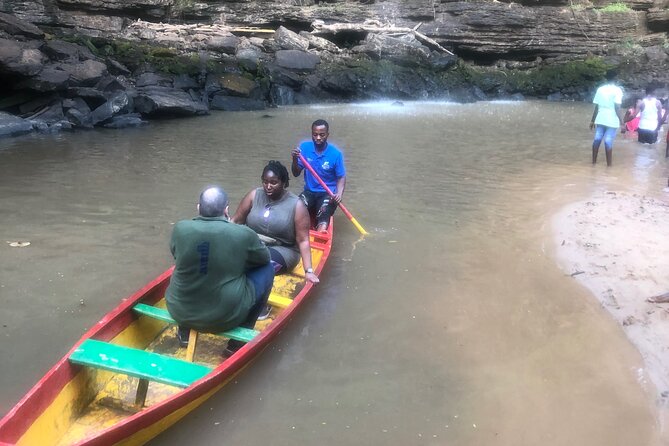
Boti Waterfalls is the reason many people sign up. You’re aiming for two of the site’s signature features: Umbrella Rock and a three-headed palm tree. And the waterfall view can be stunning, but the water level is seasonal, so your expectations should match reality.
The water levels are seasonal (plan smart)
Boti’s flow is described as seasonal:
- Highest flow in the rainy season
- Limited or no flow in Harmattan (dry season)
So if you’re visiting during the dry months, you’re still going to a beautiful place, but it may look more like trickles than a roaring falls moment. This is also why the hike matters: the walk to the viewpoints is part of the experience, not just a gamble on water volume.
The hike is the main event
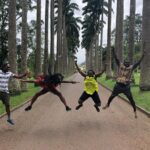
Expect a hike that includes ascending and descending from the visitors center up to the rock area—about 250m up—and back. Your shoes should handle rocks and uneven ground.
Real-world timing varies, but you can think of it as a workout day:
- Some accounts describe a climb on the order of an hour up and an hour down, plus extra walking steps to reach the waterfall approach once you’re back at the original starting point.
If you’re fit and steady on your feet, you’ll probably find it satisfying. If you’re not, don’t treat this as optional. Bring supportive footwear and take breaks when your body asks for them.
Why the viewpoint is worth it
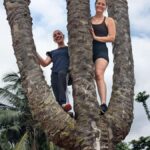
At the top areas, you get that mix of nature and geology that makes Boti feel different from a simple roadside falls. Umbrella Rock and the three-headed palm aren’t just landmarks—they’re the reason people make the climb, especially for photos and the “how did nature do that” moments.
And the good news: the guides and drivers on this outing are consistently praised for staying attentive and helpful during the challenging parts. One account highlights hands-on support when someone needed extra help on the rocks. So if you do choose this tour, you’re not going out there with zero support.
Asenema Waterfalls from the Akuapem ridge: a second waterfall to balance the effort
Asenema Waterfalls is the fourth stop, about an hour. It’s a nature finish that keeps the day moving without adding another major climb on paper.
Because it’s described as being from the Akuapem ridge, you can expect viewpoints and fresh air that feel like a continuation of the Boti nature theme. It’s a good way to wrap up after the heavier hiking at Boti: you get another waterfall moment, and the day ends with a sense of completion rather than a single “main event” followed by travel fatigue.
If Boti water is light during your season, Asenema may help you still leave with the satisfaction of seeing multiple waterfall settings.
Price and time: does $175 buy you a better day, or just a busy one?
At $175 per person, you’re paying for:
- Pickup offered
- Group discounts (when applicable)
- Private format (only your group)
- Admission tickets included for each listed stop
- A guided day covering Aburi, cocoa history, Boti, and Asenema
Is it expensive compared with doing it on your own? Yes, likely—transport and entry fees add up. Is it expensive compared with other structured day trips that only include one attraction? It can look much better here, because you’re stacking multiple major stops and keeping them connected with one guide.
Time-wise, you’re looking at 6 to 9 hours. That’s a lot, and it’s not a “sit and coast” day. But it’s also a good length for first-time Ghana visitors who don’t want to hunt down directions between far-flung places.
One planning tip: treat this like an all-day outing, not an easy side quest. If you try to schedule heavy plans the same evening, your legs may veto that idea.
What to pack so Boti doesn’t ruin your day
If you take one thing seriously, make it footwear. Boti involves rocky terrain and climbing. Good shoes matter more than fancy clothes.
My packing checklist for this kind of day:
- Comfortable, grippy shoes (not slippery sandals)
- Lightweight long sleeves or breathable layers for sun and insects
- Water and a small snack for the mid-day energy dip
- A small day bag you can manage while walking
Also, since Boti water flow depends on the season, dress for the day’s conditions, not your hopes. In dry months, you may still want a light layer in the shade. In rainy months, the ground can be slick.
Who should book this and who should reconsider
This tour makes the most sense for you if:
- You want a structured day that combines nature + cocoa education + waterfalls
- You like guided storytelling that turns sights into context
- You’re comfortable doing a hike and handling rocky steps
You might reconsider if:
- Long walking and rocky climbing will be difficult for you
- You’re visiting with limited mobility and aren’t confident about the Boti climb
- You’re hoping for guaranteed heavy waterfall flow in the dry season (Boti may have limited or no flow in Harmattan)
The route still has value for nature lovers even in lower water conditions, but the hike doesn’t change just because the falls are smaller.
Should you book this Boti, cocoa, and Aburi route?
If you want one day that feels like you left Accra without losing the convenience of a guide, this is a strong pick. The biggest selling point is how the day is built: Aburi sets a calm, educational tone; Tetteh Quarshie adds real cocoa context (including a tasting moment); then Boti delivers the signature rocks and palm feature, plus the hike that makes the whole thing feel like an outing instead of a drive-by.
Book it if you’re ready for an active day and you’re choosing shoes over excuses. Skip or ask tougher questions before booking if you’re unsure about the hike demands at Boti, since that’s the part most likely to change how satisfied you feel.
FAQ
Is pickup included?
Pickup is offered as part of the experience.
How long does the tour last?
The duration is about 6 to 9 hours.
What stops are included?
You’ll visit Aburi Botanical Gardens, the Tetteh Quarshie Memorial Hospital cocoa farm site, Boti Waterfalls (including the Rock Boti Hills hike area), and Asenema Waterfalls.
Are entrance fees included?
Yes. Admission tickets are included for Aburi Botanical Gardens, the cocoa farm stop, Boti Waterfalls, and Asenema Waterfalls.
Is there hiking at Boti Waterfalls?
Yes. There is an ascending and descending hike up the Rock Boti Hills to reach Umbrella Rock and the three-headed palm tree area, and good footwear is recommended.
Will I see water at Boti Waterfalls year-round?
Boti Waterfalls flow depends on the season. It’s described as highest in the rainy season and limited or no flow in Harmattan (dry season).
Is this a private tour?
Yes. Only your group will participate.
Is it suitable for most people?
Most travelers can participate, and service animals are allowed.
What is the price per person?
The price is $175.00 per person.