REVIEW · GUAYAQUIL
Cocoa farm and Chocolate making!
Book on Viator →Operated by My Trip to Ecuador · Bookable on Viator
Chocolate starts with a cocoa pod. This Guayaquil day trip turns cacao into a real, do-it-yourself lesson—down to cracking open a pod and making chocolate from scratch. I love how the pacing leaves room to ask questions and actually see the trees up close, and I love the private, round-trip feel that keeps the day calm instead of rushed. The only real catch: you’ll be outdoors for a few hours, so plan for warm weather, bugs, and farm-path walking.
What makes this tour extra good is that it’s not just a walk with photos. You’re guided through the whole process—from cacao trees to the finished bar—while a family on a working farm shares how they grow and handle beans. The main drawback to consider is that this is an agricultural experience, so it can be slippery or humid depending on conditions that day.
In This Review
- Key highlights to look for
- Getting from Guayaquil to a working cocoa farm
- The 3-hour farm walk: cacao trees, pods, and hands-on learning
- From cacao to chocolate bar: what you’re actually making
- The lunch break by trees and jungle water
- Why the guide matters: from Mario to Tony to Allyson
- Price and value: what $155 buys you (and why it feels fair)
- Who should book this cocoa and chocolate tour?
- Quick tips to get the most out of the day
- Should you book this cocoa farm and chocolate-making tour?
- FAQ
- How long is the cocoa farm and chocolate-making experience?
- Where does the tour take place?
- What time does the tour start?
- Is admission included?
- Is this a private tour?
- What is the maximum group size?
- Can children participate, and is there a child rate?
- What is the cancellation policy?
- Are service animals allowed?
Key highlights to look for
- Harvest a cacao pod and take part in the chocolate-making steps, not just watch.
- Private tour feel with round-trip transportation and a small maximum group size of 15.
- Real farm education: you’ll learn about cacao plants, pods, and why flavor changes.
- Lunch on the premises, often served outdoors with family-style hospitality.
- Guides with strong local ties, including Mario, Tony/Antonio, Alison/Allyson, and farm family members like Rody and Jamil.
Getting from Guayaquil to a working cocoa farm
This is the kind of trip that starts by removing stress. You meet at the start time of 10:00 am, and you get round-trip private transportation, so you’re not spending your energy wrangling taxis or guessing routes. That matters in Guayaquil, where traffic and heat can chew up your day before you ever reach the countryside.
Once you’re on the way, expect your guide to set the tone with stories and practical context. Several guides mentioned in the experience are the talkative, friendly type—people like Mario and Tony/Antonio have a knack for connecting the farm to everyday life in Ecuador. You’ll also get a clearer idea of what cacao production looks like beyond the candy-bar version.
One more thing: the tour time is about 4 to 5 hours total. That’s long enough to do the farm walk, do the chocolate work, and eat a real meal—but short enough that you still keep a good chunk of the day for other plans.
You can also read our reviews of more tours and experiences in Guayaquil.
The 3-hour farm walk: cacao trees, pods, and hands-on learning
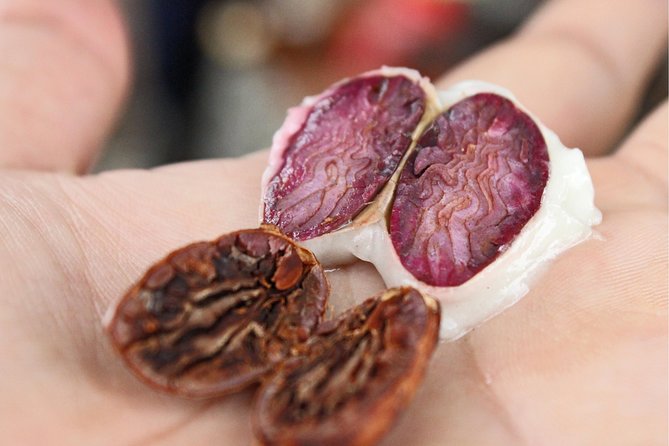
Your main stop is the cocoa farm itself, with around 3 hours on-site. You walk through the cacao area to learn how the plants are structured and how harvest fits into the bigger rhythm of farming. Then comes the part that makes this feel different from a typical attraction: you’re not just looking—you’re participating, including harvesting a cacao pod.
You’ll also pick up on the detail that most chocolate marketing skips: cacao trees interact with their surroundings. In the best explanations, you’ll hear how species and even neighboring plants can affect what you ultimately get from the beans. That’s why guides like Alison/Allyson and others keep encouraging hands-on steps and close attention while you’re in the grove.
Expect variety, too. More than one guide/family setup goes beyond cacao-only facts, and you may have the chance to see and pick other fruits and plants around the farm. Reviews mention guava and citrus being part of the experience, which helps you understand that farms are living ecosystems, not neat rows in a brochure.
Practical note: wear shoes you don’t mind getting scuffed. Farm paths can be uneven, and even when it isn’t muddy, it’s still a working property, not a boardwalk.
From cacao to chocolate bar: what you’re actually making
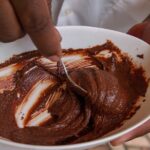
The heart of the tour is the chocolate-making workshop. The idea is simple: you learn what’s involved in turning cacao into chocolate, and you actually do the steps with guidance. If you’ve ever wondered why chocolate tastes different from one origin to another, this is where the answers start to make sense.
You begin with the beans you’ve helped harvest. Then you go through the process that turns them into something you can shape into chocolate. Different farms and families may emphasize slightly different stages, but the theme stays consistent: you go from the raw cacao pod to a finished bar you can be proud of.
I like this format because it teaches patience. Chocolate doesn’t happen in five minutes, and the steps you do make that real. You’ll see that the quality depends on careful handling and timing—things that are easy to overlook when you only ever buy chocolate packaged in foil.
Also, you’ll probably notice how the farm treats cacao as one product among several. In a few experiences, you even get to make hot chocolate from the beans you picked, with help from a family member like Jamil. That kind of small add-on makes the whole day feel more complete.
The lunch break by trees and jungle water
After the work, you eat—like you mean it. Lunch is usually served on the premises, often outdoors, sometimes near a small river or in a shelter area by the cacao trees. More than one review points out that the meal can be more than a quick snack, with mentions of a 3-course home-cooked lunch.
The best part is that you’re eating with a family-style welcome, not in a separate restaurant where the farm experience ends at the gate. People like Rody (the farm owner or entrepreneur) and family members have been involved in guiding and cooking. If you get a guide such as Alison/Allyson, Tony/Antonio, or Mario, you’ll likely also hear personal stories about family life and farming, which makes lunch feel like part of the same lesson, not downtime.
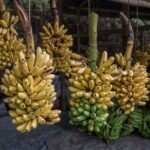
What should you expect on the plate? The details vary by day, but you can count on fresh flavors and a meal that reflects local ingredients. And yes, cacao shows up again—one mention includes enjoying your chocolate with sweet bananas, which is a smart pairing because it balances the deep cacao taste.
Why the guide matters: from Mario to Tony to Allyson
A big reason this tour scores so highly is the human factor. The guides connected to this experience include Mario, Tony/Antonio, Alison/Allyson, and at times people like Darwin, plus farm family members such as Rody, Niffa, and Jamil. That mix often leads to two things you’ll feel during your day: warmth and good explanations.
For example, Mario is repeatedly described as friendly and very invested in making the day personal. If you ask questions—about Ecuador, about farming, about why cacao matters—he tends to answer thoughtfully rather than rushing through a script. Other guides, like Tony/Antonio, lean into farm storytelling and practical context, including explanations during the drive to and from the plantation.
And when the farm family steps in, the experience shifts from educational to genuinely memorable. You get the sense that you’re meeting people who live this work daily, not performers running a show. That’s why the tour feels like a break from the city rather than another scheduled stop.
Price and value: what $155 buys you (and why it feels fair)
At $155 per person, you’re paying for more than a farm admission. You’re getting private round-trip transportation, a small-group setup (maximum 15 travelers), hands-on chocolate making, and a meal included with the experience. That combination is what makes the price feel reasonable.
Here’s how I think about value on day trips like this:
- If you pay for transport + a separate workshop + lunch on your own, the total usually climbs fast.
- This tour bundles it into one paced schedule with minimal logistics.
- You’re not just observing—you’re producing your own chocolate bar, which gives the day a clear payoff.
Also, the experience is often booked ahead (around 21 days on average), which suggests it’s popular during busy periods. If you’re traveling with limited flexibility, booking earlier tends to help secure your preferred time.
Who should book this cocoa and chocolate tour?
You’ll like this most if you want an active farm experience rather than a passive sightseeing stop. It’s also a strong fit for:
- Families who want hands-on learning. Reviews note it works for kids and adults together, with activities that keep everyone involved.
- Couples who want something different from beach or museum plans, especially if you enjoy food and process.
- Food-minded travelers who like to understand where ingredients come from and why flavor isn’t one-size-fits-all.
If you’re sensitive to being outdoors, or you hate walking on farm ground, you might find it less relaxing than a city tour. But if you can handle a bit of heat or humidity and you wear the right shoes, the experience is usually worth it.
Quick tips to get the most out of the day
These are small things that can improve your comfort and your photos without turning the day into a chore.
- Wear closed shoes with traction. Cocoa farms are working land, not smooth sidewalks.
- Bring sunscreen and water, even if you think you’ll only be outside briefly.
- If you want extra fruit or shopping stops, mention it to your guide. Some guides have been flexible with small requests on the way back.
- Have questions ready. The guides and farm family seem to genuinely enjoy explaining the how and why.
Should you book this cocoa farm and chocolate-making tour?
Yes—if you want a real food-process experience that feels personal and local. The biggest selling point is that you’re not just watching cacao; you’re helping with harvest and making chocolate from scratch, then eating a farm meal as part of the same day.
Skip it only if you strongly prefer indoor activities or you don’t want outdoor walking in warm, possibly humid conditions. Otherwise, this is one of those Guayaquil-area trips that turns chocolate into something you’ll remember, not just something you’ll taste.
If you’re comparing options, focus on the fit: you’re paying for hands-on work, private transport, and a meal that supports the farm’s hospitality. With a free cancellation option up to 24 hours before the experience start, it’s also easier to plan confidently.
FAQ
How long is the cocoa farm and chocolate-making experience?
The experience lasts about 4 to 5 hours total, with roughly 3 hours on the farm.
Where does the tour take place?
It’s based in Guayaquil, Ecuador, with the main activity at a cocoa farm outside the city.
What time does the tour start?
The start time is 10:00 am.
Is admission included?
Admission ticket is listed as free.
Is this a private tour?
It’s described as a personalized private tour experience, with round-trip private transportation.
What is the maximum group size?
The tour has a maximum of 15 travelers.
Can children participate, and is there a child rate?
Most travelers can participate. A child rate applies only when sharing with 2 paying adults, and children must be accompanied by an adult.
What is the cancellation policy?
You can cancel up to 24 hours in advance for a full refund.
Are service animals allowed?
Yes, service animals are allowed.