REVIEW · GUAYAQUIL
Guayaquil to Cuenca one-way tour with Cajas Park and a Cacao Farm visit
Book on Viator →Operated by Cuenca Bestours Tour Operator · Bookable on Viator
Chocolate and mountain air, in one day. This one-way drive turns the usual Guayaquil-to-Cuenca transit into a day of real food stops and a nature break, anchored by a hands-on cacao visit and a guided trek in Cajas National Park. I like that you get more than scenery: you’ll taste cacao and snack on local fruit, then refuel with a proper lunch before heading into the highlands.
One thing to plan for: the Cajas hike happens at high altitude, and conditions can get cold and windy near the higher viewpoints. The walking is described as fitness-based, so you may want a light layer system and a flexible mindset.
In This Review
- Key highlights to look forward to
- Turning a transfer into the best part of your trip
- Stop 1 at Cacao Loma: see how cacao becomes chocolate
- What to expect at the farm
- A small drawback to consider
- Puente de las frutas de Tamarindo: snack your way through Ecuador’s fruit culture
- Tip for getting the most from this short stop
- Mestizo Restaurant lunch: trout-forward, with vegan and vegetarian options
- Why this lunch stop is a value-add
- Watch-outs
- Cajas National Park and Laguna La Toreadora: the hike that makes Cuenca feel earned
- The kind of hike you’ll do
- Altitude and weather: plan for cold hands and wind
- Transport and pacing: what a one-way tour changes
- Price and value: what you’re really paying for
- What’s included
- What’s not included
- Who should book this one-way tour
- Practical FAQ for planning your day
- FAQ
- How long is the Guayaquil to Cuenca tour?
- Is lunch included?
- Do I need to pay extra at the cacao farm?
- Where does the tour start in Guayaquil?
- Where will I be dropped off in Cuenca?
- Is this tour private?
- What passport details are required?
- Can I cancel for a full refund?
- Should I book this tour?
Key highlights to look forward to
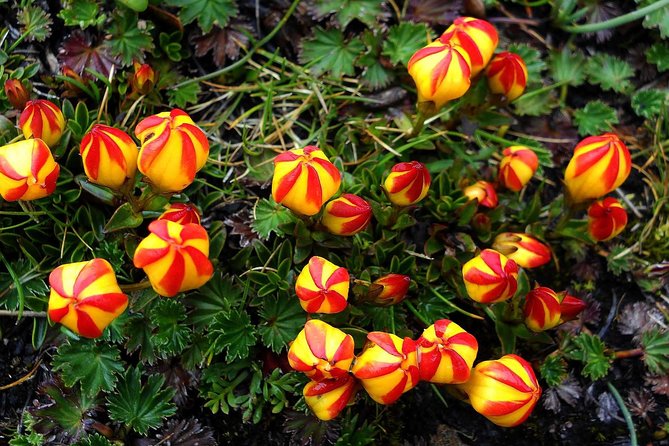
- Cacao tasting that goes beyond chocolate: you can sample cacao fruit pulp and the coating/processing from the pod-to-bean step
- A fruit-market stop with real Ecuadorian flavor: think tamarind-area market browsing and tasting (banana, passionfruit, dragon fruit, and more)
- Lunch focused on trout, with options for vegetarian and vegan diets
- Cajas National Park water source for Cuenca: a lake system tied to the city’s drinking water
- Hike through moorlands and Polylepis forest: you’ll be walking through a specific high-elevation ecosystem, not just a scenic stop
- Guides who make the drive feel like a lesson: names like Wilson, Javier, and Louis Gonzales show up because they keep the day moving and informative
Turning a transfer into the best part of your trip
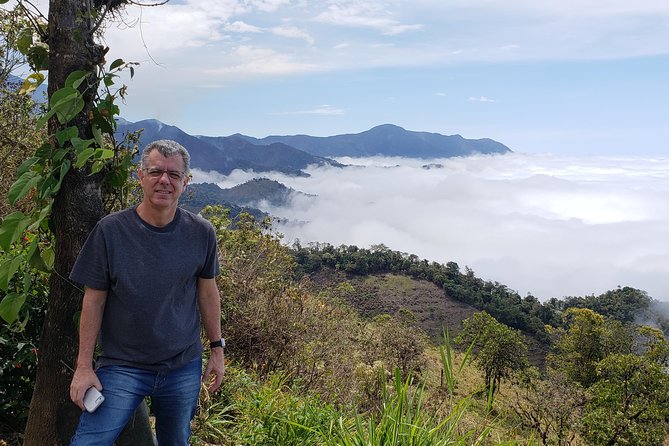
The Guayaquil to Cuenca route is long enough that doing it the fast way (like flying) can feel a bit… empty. This tour gives that travel time a purpose. You’re not just getting from A to B; you’re stepping into Ecuador’s food traditions and the Andean highlands along the way.
For me, the value sits in two places. First, the stops are edible and hands-on, especially the cacao farm, where you learn how the crop becomes something drinkable and edible. Second, the Cajas stop breaks up the day in a way that feels earned, not tacked on. You spend time walking, not just looking from a car window.
The itinerary is built for comfort and pace. It runs about 6 to 8 hours total, with hotel pickup and a drop-off in Cuenca at your chosen spot. If you’re trying to save days in your schedule, this is one of the smarter ways to keep momentum while still seeing something real.
You can also read our reviews of more tours and experiences in Guayaquil.
Stop 1 at Cacao Loma: see how cacao becomes chocolate
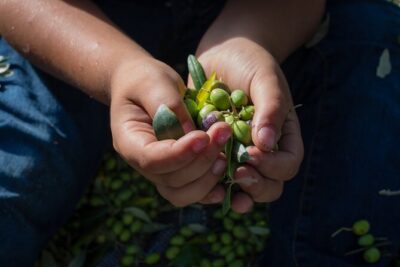
The day starts with a visit to a local cacao producer at Cacao Loma. The farm’s main product is cacao, but you’ll also see a mix of other crops like breadfruit, coffee, passionfruit, and pineapple. That matters because it gives you context for how families farm in this region: cacao is a central crop, but it rarely exists alone.
What I like here is the sensory part. This isn’t just a photo stop with a few words. You get to experience the pulp from fresh cacao beans before it becomes chocolate. If you opt into the tasting portion, you’ll also get a look at craft chocolate making and the kinds of flavors people find in the early processing stages.
There’s also a practical note: the cacao farm fee is listed separately at $3 per person. So even though the tour price includes the guide and transportation, budget a little extra for this one moment. It’s small, but it’s good to know you’ll pay on the ground.
What to expect at the farm
- You’ll be guided through the farm’s production and processing steps.
- Your guide explains the history of cacao and local customs tied to it.
- You’ll have the chance to taste cacao fruit/pulp and/or samples related to processing.
A small drawback to consider
Cacao farm visits can vary a bit depending on what’s happening that day. If your main goal is specifically the most dramatic hands-on demo possible, it’s worth being mentally ready for a more casual farm experience rather than a scripted show. The upside is you still leave with a real understanding of what grows behind your chocolate.
Puente de las frutas de Tamarindo: snack your way through Ecuador’s fruit culture
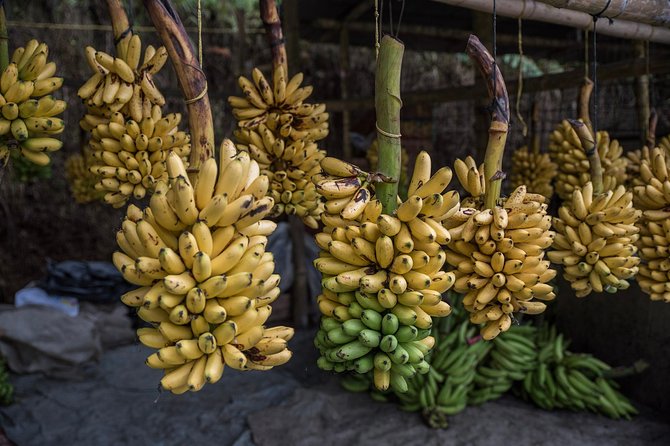
Right after cacao, you swing to the market atmosphere at Puente de las frutas de Tamarindo. This is where the day shifts from “crop to chocolate” into “what people eat and how they buy it.”
The tour describes this stop as a color-and-fruit market with Ecuadorian daily-life flavors. If you think you know what bananas, mandarines, coconut, dragon fruit, or passionfruit taste like, this is your reminder that the real thing can be a different category entirely. It’s not just about buying fruit; it’s about watching how people snack, bargain, and build meals around what’s available.
This market stop is short (about 15 minutes), so treat it like a tasting window. Pick one or two things you’re curious about and eat slowly. If you try too much too fast, you’ll miss the point.
Tip for getting the most from this short stop
- Go with curiosity, not a checklist.
- If the fruit is unfamiliar, start with a bite-sized portion.
- Ask what’s in season or what vendors recommend, then follow their lead.
Mestizo Restaurant lunch: trout-forward, with vegan and vegetarian options
After the market, the tour pauses for lunch at Mestizo Restaurant. The stated specialty is trout, but the menu is flexible enough that vegetarian and vegan options are available. Your guide will advise you, which is useful when you want to eat something that fits your dietary needs without turning lunch into a negotiation.
Lunch is also where you get a breather from the motion. The tour includes about an hour here, and it’s positioned with a scenic factor too: you get Andes mountain views from this point. Even if you keep your time mostly on food, it helps to look out for a minute so you feel the highland shift before the Cajas hike.
Why this lunch stop is a value-add
Many transit tours rush lunch into a “grab and go” scenario. This one gives you enough time to eat properly, reset your stomach before altitude walking, and get a view of what’s ahead.
Watch-outs
If you have a sensitive stomach, don’t go wild at the market and then immediately load up at lunch. Try to keep your fruit choices light, then settle into something you know you’ll tolerate well.
Cajas National Park and Laguna La Toreadora: the hike that makes Cuenca feel earned
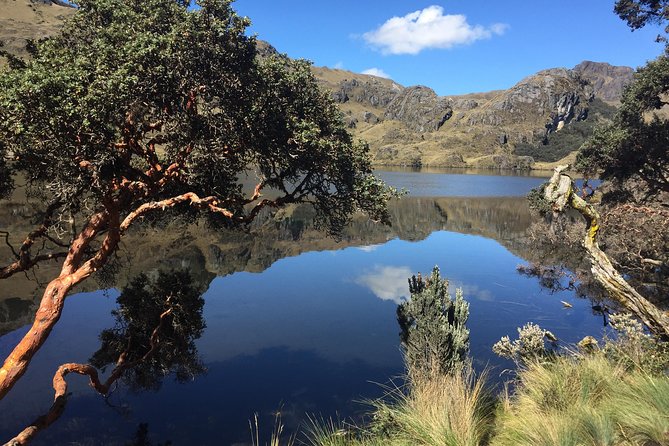
The main nature moment happens near Laguna La Toreadora in Cajas National Park. This park is described as one of Ecuador’s most scenic and important protected areas, and the tour adds an extra layer of meaning: the lake system is a major source of water for Cuenca.
So you’re not just walking for views. You’re walking in an ecosystem tied directly to the city’s survival.
The kind of hike you’ll do
The itinerary says you’ll take a hike that fits your fitness level. In practice, the goal is to explore the highlands’ moorlands ecosystem, including native Polylepis forest and unique vegetation. These are not casual “pretty leaves” stops; Polylepis forests are a distinctive Andean feature, and they give you a sense of what makes this region ecologically special.
Time-wise, you’ll spend about 1 hour 30 minutes here, including the drive up into the highlands and the hike portion. Some versions also mention viewpoint time (like Tres Cruces) before the La Toreadora side, depending on the route plan that day.
Altitude and weather: plan for cold hands and wind
One real consideration is elevation. At the higher pass area, it can reach around 11,000 feet, and that brings cold weather and wind. Even if you’re from a mountain area, Ecuador’s equatorial conditions don’t always match your expectations about how quickly you’ll cool down once clouds roll in.
If you tend to get chilly fast:
- Bring a warm layer you can keep on during stops.
- Wear closed-toe shoes with decent grip.
- Pack something to block wind at the higher points.
If the guide adjusts the pace or shortens the hike based on conditions and fitness, treat that as good guiding, not a compromise.
Transport and pacing: what a one-way tour changes
Doing Guayaquil to Cuenca in one long day can be mentally heavy. The upside of a guided transfer with planned stops is that you don’t have to make micro-decisions all day long. You get pickup, routing, breaks, lunch, and drop-off done.
A few practical points that matter:
- Hotel pickup and drop-off in Cuenca are included. You can be dropped at your hotel or another location you choose in Cuenca.
- The tour uses a licensed guide/driver. For 1 to 5 passengers, the bilingual guide can also act as the driver. For larger groups (over 5), you’ll have a separate driver plus a bilingual guide.
- The tour is listed as a private activity, meaning it’s set up for your group rather than a public bus tour where you’re stuck waiting on strangers.
In real terms, the pacing is designed so you’re not rushing through every stop. You get enough time at each place to actually notice things, especially at the farm and in Cajas.
Price and value: what you’re really paying for
At $73.99 per person, this tour costs less than many multi-stop day trips, mainly because it’s built around one major route (Guayaquil to Cuenca) instead of adding a bunch of separate tickets.
Here’s where the value shows up:
What’s included
- Licensed tour guide/driver
- Transportation
- Lunch if you select the lunch option
- Hotel pickup and drop-off
What’s not included
- The cacao farm fee ($3 per person)
So the pricing logic is simple: you’re paying for guided driving plus curated stops that would otherwise take effort to arrange on your own. If you were to DIY this route, you’d spend time coordinating transportation and timing the market and park stops, plus you’d still need someone to explain what you’re seeing.
If you care about the meaning behind stops—why Cajas matters, what cacao processing steps do, and what locals actually snack on—then the guide component justifies the cost.
Who should book this one-way tour
This works best if you:
- want a meaningful day between Guayaquil and Cuenca (not just transportation)
- care about food culture, especially cacao and fresh fruit
- enjoy a moderate hike and don’t mind high-altitude conditions
- prefer guided context over guessing your way through markets and viewpoints
It’s also a good fit if you’re trying to pack in value while keeping logistics easy. The stops are spaced out enough that the day doesn’t feel like a sprint.
If you dislike hiking or get cold easily at altitude, you can still consider it, but you should be ready for a hike that may be adjusted to your fitness level and for weather that can change quickly.
Practical FAQ for planning your day
FAQ
How long is the Guayaquil to Cuenca tour?
The tour runs about 6 to 8 hours (approx.).
Is lunch included?
Lunch is included only if you select the lunch option. The restaurant offers trout and also vegetarian and vegan options.
Do I need to pay extra at the cacao farm?
Yes. The cacao farm fee is listed as $3 per person and is not included in the tour price.
Where does the tour start in Guayaquil?
The start point is Avenida 12 SE 1206, Guayaquil 090313, Ecuador.
Where will I be dropped off in Cuenca?
You can be dropped at your hotel or another location of your choice within Cuenca.
Is this tour private?
It’s listed as a private tour/activity, and only your group participates.
What passport details are required?
At booking, you must provide the passport name, number, and nationality for all participants.
Can I cancel for a full refund?
Yes, free cancellation is offered. You can cancel up to 24 hours in advance for a full refund.
Should I book this tour?
If you want a one-day bridge from Guayaquil to Cuenca that includes cacao tasting and a real hike in Cajas National Park, yes, this is a strong choice. The big win is that the day feels purposeful: you learn something, taste something, and then earn the mountain air with a hike instead of just watching the scenery from a seat.
Book it if you like food-forward stops and you’re comfortable with altitude and changing weather. If you’d rather keep things fully low-effort, then a simpler transfer might suit you better.
The bottom line: for people who want the route to matter, this one-way tour is a good value and a practical way to arrive in Cuenca already feeling like you’ve seen something of Ecuador.