REVIEW · GUAYAQUIL
Cacao Farm Excursion Day Trip from Guayaquil
Book on Viator →Operated by BM TOURS SA · Bookable on Viator
Cacao tastes better when you watch it happen. This 4-hour cacao farm excursion from Guayaquil puts you from cacao pods to a thick seed paste and finished chocolate making, then tops it off with an on-farm organic lunch. I also love that it feels family-owned and real, with a guide who explains how the whole process works on a working property. One possible snag: it is a full morning/early afternoon trip, so you’ll want to plan for sun and bugs and not assume the day is totally sedentary.
I’m also glad it runs as a private activity, so you’re not fighting a crowd to ask questions. The big downside to know up front is that the day depends on real farm conditions—heat, uneven paths, and mosquito levels can vary—so pack like you’re going to be outdoors for most of the tour.
In This Review
- Key Things to Know Before You Go
- Your 10:00am Hotel Pickup Sets the Tone
- The Drive From Guayaquil to Naranjal (and What It Means for Your Day)
- Entering a Family Farm Where Cacao Is Just One Crop
- Following the Cacao-Growing Process From Pod to Beans
- The Hands-On Chocolate-Making Part Is the Best Payoff
- Stop for Lunch: Organic Ingredients From the Farm
- How Long Is Enough? The Tour’s Tight 4-Hour Rhythm
- What Might Feel Different on Your Day (Ask Before You Go)
- What to Pack for Mosquitos, Sun, and Hands-On Work
- Who This Tour Fits Best
- Price and Value: What $205.72 Buys You
- Should You Book This Cacao Farm Excursion From Guayaquil?
- FAQ
- FAQ
- What time does the cacao farm day trip start?
- How long is the tour?
- What’s included in the price?
- Are drinks included?
- Is this tour family-friendly?
- Can I cancel and get a refund?
Key Things to Know Before You Go
- Hands-on cacao processing, from seed to thick paste to making your own chocolate
- Farm-to-table organic lunch, built from ingredients grown onsite
- Family-owned, working 30-acre property near the Naranjal area and the Churute region
- Hotel pickup and drop-off in Guayaquil, with a 10:00am start that keeps it simple
- Bring bug repellent and long sleeves, because mosquito activity can be heavy
Your 10:00am Hotel Pickup Sets the Tone
This is built for an easy start. You meet your guide at your centrally-located Guayaquil hotel, with a 10:00am departure and hotel pickup and drop-off included. The whole tour runs about 4 hours, which is perfect if you want something meaningful without losing your entire day.
The vibe is practical. You’re not hopping between endless stops just for photo ops. Instead, you’re getting driven out, learning what farmers do, then returning to your hotel while you still have energy to explore Guayaquil later.
You can also read our reviews of more tours and experiences in Guayaquil.
The Drive From Guayaquil to Naranjal (and What It Means for Your Day)
Once you’re picked up, you head toward Naranjal, about 32 miles from Guayaquil. The route is part of the experience because the farm sits in a rural setting near the Churute ecological reserve hills and the Churute River.
What this means for you: you’ll spend a chunk of the tour just getting there and back. That’s normal for day trips out of the city, but it also explains why the experience is tightly scheduled. If you prefer super-slow travel with lots of stops along the way, this may feel like a fast day. If you want one focused, educational farm visit, it’s ideal.
Entering a Family Farm Where Cacao Is Just One Crop
The main property is a family-owned 30-acre (12-ha) farm with cacao trees plus tropical fruits and rice. When you arrive, you’re not just looking at a cacao plantation; you’re seeing how a working farm functions as a system.
On-site, you might see crops like mango, papaya, dragon fruit, avocado, bread fruit, tomatoes, green pepper, lemon grass, and other plants used in the daily life of the farm. That matters because cacao doesn’t exist alone out there. It grows in a landscape of other crops, shade, soil management, and everyday harvest routines.
A useful detail: the farm experience is designed to be family friendly, and the process is explained in a way that can work for kids and teens too. If you’re traveling with children, this is the kind of activity that turns curiosity into something hands-on.
Following the Cacao-Growing Process From Pod to Beans
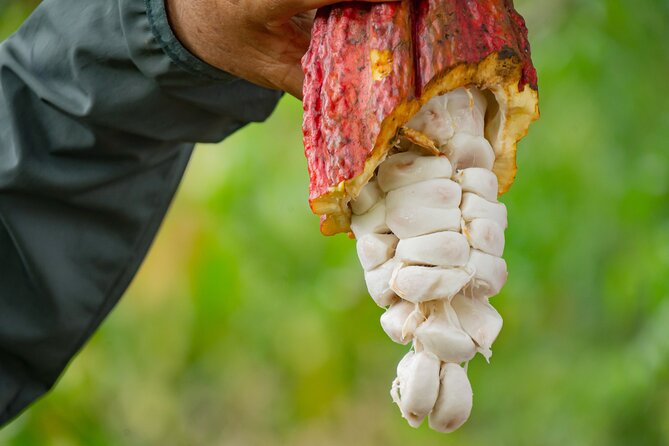
This is where the tour earns its keep. You learn the cacao cycle from planting and caring through to harvesting. Instead of only hearing about chocolate as a product in stores, you’re watching cacao as an ingredient that starts out as a fruit.
You’ll also see fresh fruits on the cacao tree. Then the tour guides you through turning that fruit into something usable for chocolate. In practical terms, that means you work with the cacao seeds and learn how farmers handle the beans after harvest.
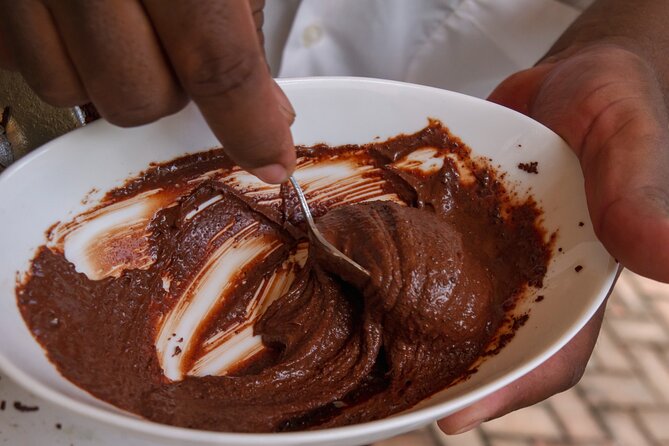
From there, the hands-on portion starts with steps like toasting the seeds and helping remove the husks. Then you grind the toasted cacao into a thick paste. That thick paste is a major checkpoint: it’s the base that chocolate makers build on later, before milk, sugar, and flavorings get added.
The Hands-On Chocolate-Making Part Is the Best Payoff
Seeing cacao is one thing. Getting your hands involved is another. On this trip, you typically do parts of the conversion process yourself—like removing husks, grinding, and participating in making chocolate. Multiple guides referenced in tour experiences (including people like Jaime and Jamil, as well as Simon and other farm hosts) are singled out for teaching in a friendly, patient way.
Here’s what you should expect during this stage:
- Toasting and preparing cacao seeds so they’re ready for grinding
- Grinding beans into a thick paste
- Tasting chocolate-related results, and in some cases making your own bar
One added perk from real departures: the hot chocolate or tasting can be simple and direct. Some groups have described tasting raw ground cacao, then hot chocolate made with water and sugar. That’s not a gimmick—it’s a way to understand the flavor before it gets sweetened or flavored.
If you care about food beyond eating it, this portion is the highlight. It turns chocolate from a vague concept into an actual series of steps.
Stop for Lunch: Organic Ingredients From the Farm
After the farm tour, you eat a typical farm lunch made with organic ingredients grown onsite. Lunch isn’t treated like an afterthought. It’s positioned as part of the same story: the farm grows food, and you eat what the farm produces.
The specific menu can vary. Some departures have included dishes like crab empanadas and fried fish with rice, plus desserts like a frozen chocolate cake. Other lunches are described as three-course, traditional Ecuadorian, and made with ingredients grown on the property. The key constant is that you’re eating in a farm setting, not at a generic restaurant designed to move groups through fast.
What I think you’ll like here: you get a tangible reason to pay attention to the farm plants beyond cacao—tomatoes, peppers, herbs, and other produce show up on the plate. It’s easier to remember what you saw when you taste it soon after.
One note: drinks aren’t included. If you know you’ll want bottled water or something else to sip during lunch, budget for that.
How Long Is Enough? The Tour’s Tight 4-Hour Rhythm
The tour runs about 4 hours total, starting at 10:00am. That short window is what makes the excursion feel efficient. You get enough time to see and learn the process, but you’re not stuck for a whole day in the countryside.
That rhythm also helps families. You’re not asking little kids (or even yourself) to stay patient for hours of walking. There is still time outdoors and some movement around the farm, but the pace is generally structured: drive out, tour and learn, hands-on chocolate stage, eat lunch, then back to Guayaquil.
What Might Feel Different on Your Day (Ask Before You Go)
Most of this experience is focused on cacao. Still, one thing to watch: at least one past departure included an added nature segment outside the cacao farm, which changed the day’s feel and travel time. I can’t promise that will happen on every trip, but it’s worth confirming with the operator what your exact day includes when you book.
Practical advice: ask whether the day is strictly the cacao farm plan or if there are any additional stops by boat or other activities. That way you can mentally budget your time and know what kind of surfaces and conditions to expect.
What to Pack for Mosquitos, Sun, and Hands-On Work
Even if you’re excited about cacao, your body has to get through the outdoors part comfortably. Bring:
- Bug repellent (seriously—mosquito levels can be high)
- Long sleeves and long pants if you’re mosquito-prone
- Sunscreen
- Closed-toe shoes you don’t mind getting a bit dusty
- A light layer for the ride if the car feels cold
One helpful tip from experience: people have recommended avoiding very dark clothing because it can attract more attention from insects.
Also bring a sense of humor. You’re learning about cacao with your hands. If something gets messy, that’s part of the experience.
Who This Tour Fits Best
This is a strong match if:
- You want a real process-focused food experience, not just a tasting
- You’re traveling with kids and want something educational that also feels fun
- You want a short day trip from Guayaquil with hotel pickup and drop-off
It’s also great for couples who like food and want a morning activity that feels local and not staged. If you’re a solo traveler, it can still feel easy because the guide leads the steps and keeps you moving at a comfortable pace.
If you hate bugs, need wheelchair-level smooth surfaces, or want purely indoor comfort, you might find the outdoor farm conditions limiting. Nothing about the farm is described as indoor-only.
Price and Value: What $205.72 Buys You
At $205.72 per person for an about 4-hour tour, you’re paying for four things: transportation with hotel pickup/drop-off, a guided farm education, hands-on cacao processing, and lunch plus tastings. Drinks are extra.
Is it worth it? For me, the value hinges on what you want most from your time in Ecuador:
- If you want the story of chocolate from pod to paste and then to a bar, this is the right format. You’re not only tasting—you’re participating.
- If you only care about eating chocolate and you’re happy with tastings, this could feel pricier than you expected.
But because the day includes lunch made from farm-grown organic ingredients and includes the core processing steps (toasting, husking, grinding, paste, and making chocolate), it hits a lot of the right notes for food lovers.
Should You Book This Cacao Farm Excursion From Guayaquil?
If you’re deciding between staying in Guayaquil all day or getting out to a working farm, I’d lean toward booking. The biggest reason: you leave knowing how cacao becomes chocolate, with your hands involved and a satisfying meal waiting afterward.
Book it if you want:
- A hands-on, process-heavy farm experience
- Hotel convenience plus a tight time commitment
- Farm-to-table lunch that goes beyond snacks
Skip or ask more questions if you:
- Are very sensitive to mosquitos or prefer indoor activities
- Want a day with minimal travel time
- Want certainty about whether any added segments are included beyond cacao
FAQ
FAQ
What time does the cacao farm day trip start?
Pickup happens at your Guayaquil hotel for a 10:00am departure.
How long is the tour?
The experience runs about 4 hours total.
What’s included in the price?
The tour includes hotel pickup and drop-off, lunch, food tasting, and all taxes, fees, and handling charges.
Are drinks included?
No. Drinks aren’t included.
Is this tour family-friendly?
Yes, it’s described as family friendly. Child rates apply only when sharing with two paying adults, and children must be accompanied by an adult.
Can I cancel and get a refund?
Yes. You can cancel up to 24 hours in advance for a full refund.
If you’d like, tell me your travel dates and whether you’re going with kids, and I’ll help you plan what time to leave Guayaquil and what to expect from a morning-start schedule.