REVIEW · SIDEMEN VILLAGE
Bali: Traditional Villages, Salt Farm & Tirta Gangga Tour
Book on GetYourGuide →Operated by Trip Gotik - Bali Tours · Bookable on GetYourGuide
You come for temples and water, but you stay for daily life. This route strings together Sidemen Village, Tenganan Village, Tirta Gangga, Candidasa, and Kusamba salt farms, so you see how East Bali works beyond the usual highlights. I especially like the mix of culture (Sidemen and Tenganan) with hands-on work at the salt fields in Kusamba, plus the calm photo stops that make the day feel like you’re moving with the region, not just rushing through it. One drawback to plan for: it’s a lot of walking on uneven village paths and hot outdoor areas, and it’s not a great match for anyone with mobility limits.
The best part is that the day is organized in a way that keeps you from getting lost—an English-speaking guide and air-conditioned van handle the travel, while you focus on what’s in front of you. If you’re lucky with your guide, you’ll get clear explanations and practical context (guides on this route like John Karba, Putu Adi, and Andre are specifically praised for being friendly and answering questions). Still, expect weather swings; salt farming and outdoor stops don’t stop just because the sun is intense, and one guide (Dwipa) has been noted for bringing umbrellas when rain rolled in.
In This Review
- Quick takes before you go
- A full East Bali circuit: Sidemen, Tenganan, Tirta Gangga, Candidasa, and Kusamba
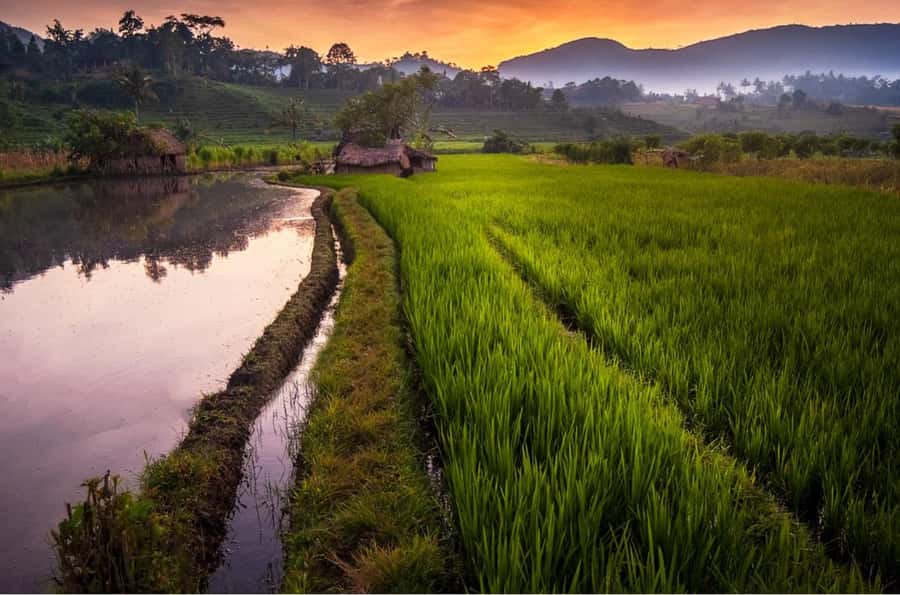
- Sidemen Village: where the morning starts with daily life
- Tenganan Village: the old customs you can actually see
- Tirta Gangga water palace: pools, fountains, and photo-friendly strolling
- Candidasa lunch views: the break that makes the rest work
- Kusamba salt farms: sand, sun, and traditional work
- Time, transport, and what a 7-hour day really means
- Price and value at around $34: what you get vs what costs extra
- Who this tour fits best (and who should skip it)
- Practical packing checklist for Bali’s sun and village etiquette
- The guides make the difference: what to look for on the day
- Should you book this tour?
- FAQ
- How long is the Bali Traditional Villages, Salt Farm & Tirta Gangga tour?
- Is lunch included in the price?
- What language is the tour guide?
- Are entrance fees included?
- What should I bring for Kusamba salt farming?
- Is this tour suitable for wheelchair users or mobility impairments?
Quick takes before you go
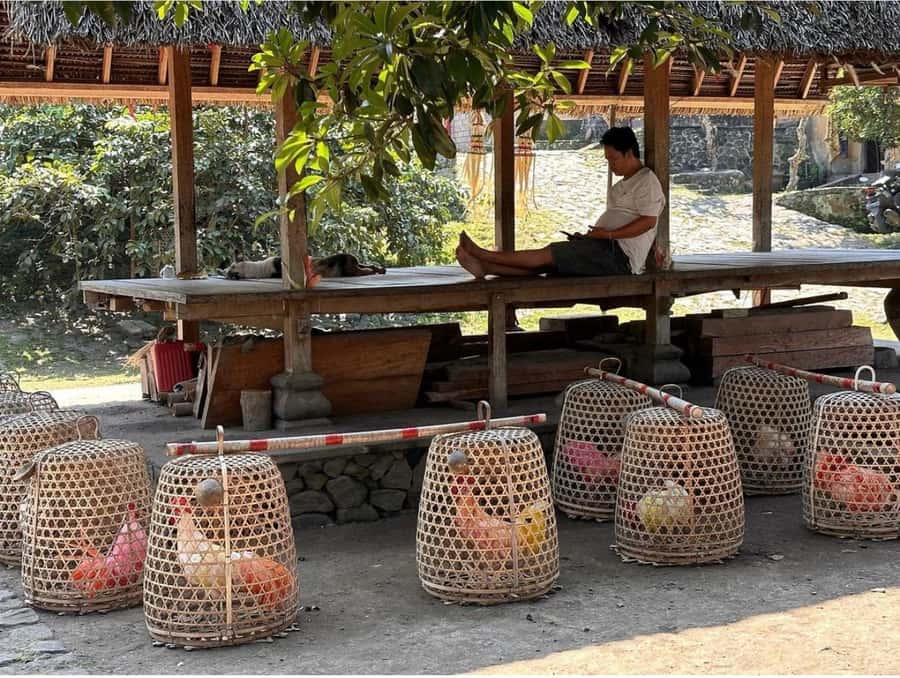
- Sidemen Village for real village rhythm: a guided walk that prioritizes how people live, not just where temples sit.
- Tenganan’s ancient customs: you’ll spend time inside a living tradition, with time to ask questions and notice details.
- Tirta Gangga water palace: garden-and-pool strolling with architecture made for photos.
- Candidasa break with sea views: lunch and a pause that helps you reset before the salt farm sun.
- Kusamba salt making: outdoor, sandy, sun-heavy, and more work-focused than postcard-perfect.
- Transport quality matters here: the van drive gets top marks for comfort and safety, which helps on a long day.
A full East Bali circuit: Sidemen, Tenganan, Tirta Gangga, Candidasa, and Kusamba
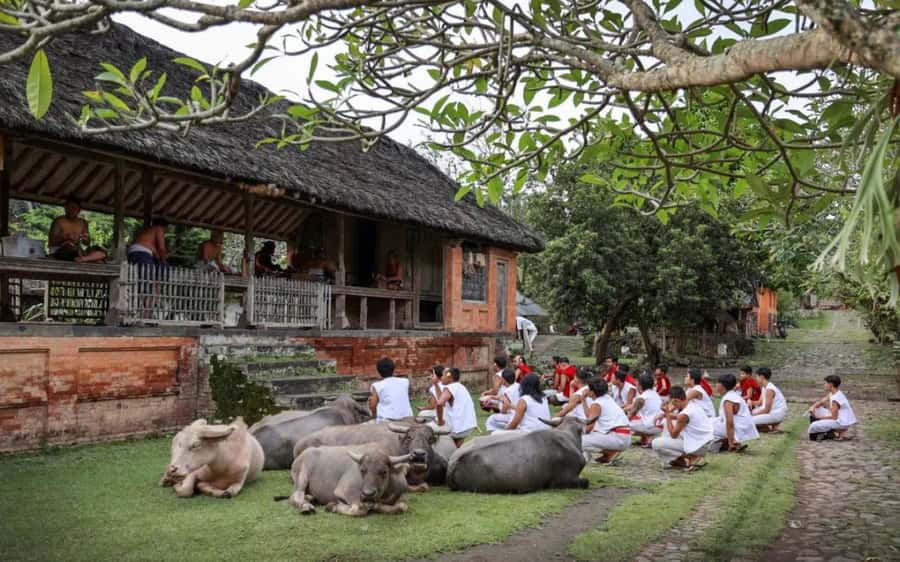
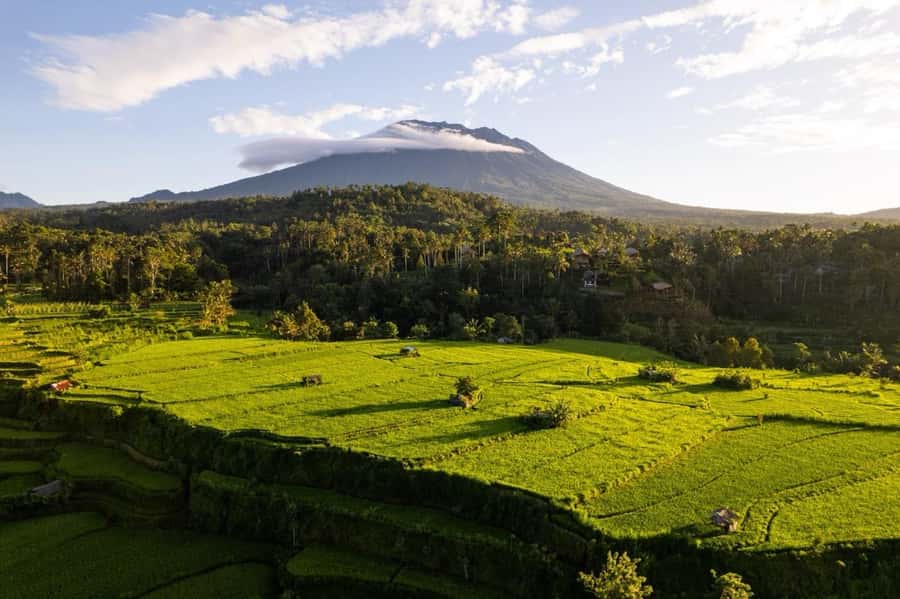
This is the kind of Bali day that’s built around a route, not a single big ticket stop. You start in the Sidemen area for village time, head toward Tenganan, then continue east to Tirta Gangga. After that, you swing by Candidasa for photos and lunch (if you choose the lunch add-on), and finish with Kusamba salt farming.
The operator lists the tour duration as 7 hours, but the overview describes it as a longer day (around 9 hours). Either way, you should treat it like a full stretch: you’ll be in transit between stops, with multiple short guided walks and photo breaks.
If you want Bali that feels more local than resort-to-temple sightseeing, this route makes a strong case. It’s also well structured for first-time Bali visitors because the stops connect logically: village culture, traditional village heritage, a water palace, a coastal lunch break, and then the labor behind salt.
Sidemen Village: where the morning starts with daily life
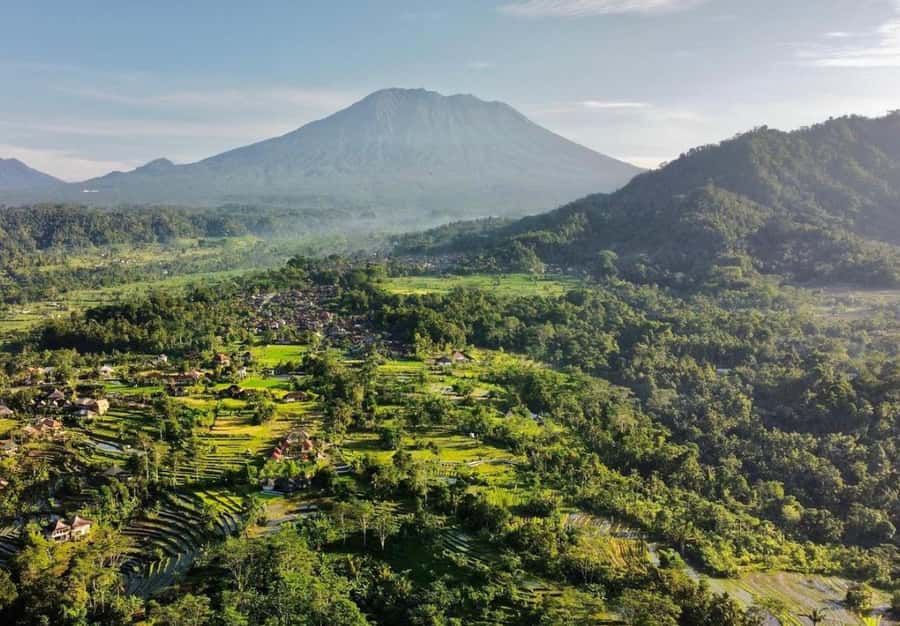
Sidemen Village is your first real taste of East Bali “how people live” energy. You’ll have around 45 minutes of guided time there, built for a slow walk and sightseeing rather than a quick glance. The practical value here is simple: the guide helps you read what you’re seeing—people’s routines, village space, and the way daily life and sacred traditions share the same world.
I like starting with Sidemen because it sets expectations. You get oriented to what “traditional village” means here: not a museum, but a living place. That also makes the next stop—Tenganan—feel more meaningful, since you’ll already know what normal village life looks like in the region.
Wear comfortable shoes. Even in a short village walk, you can find uneven ground and small detours, and that’s exactly the kind of thing that trips up guests who show up in flip-flops.
Tenganan Village: the old customs you can actually see
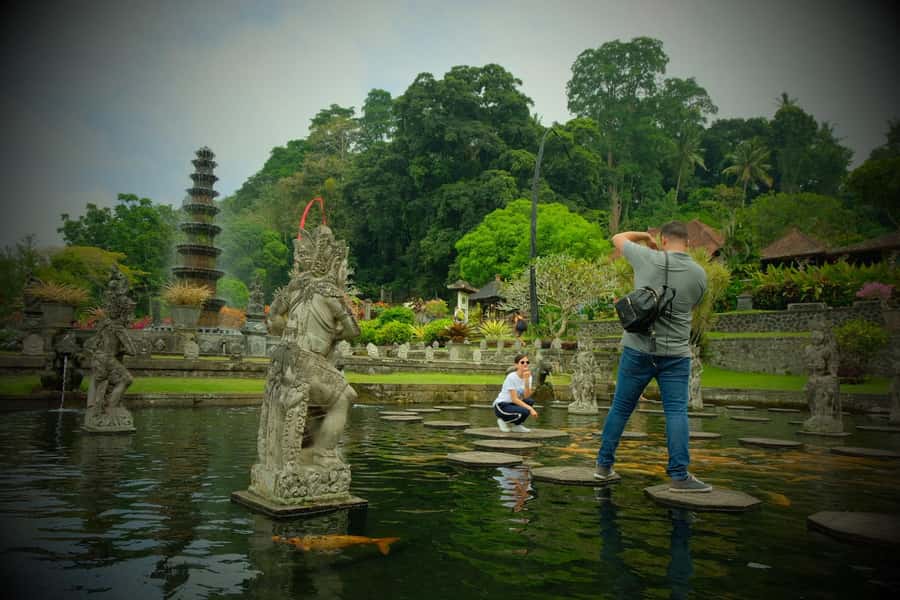
Tenganan Village is the tradition-focused chapter of the day. You get about 45 minutes for a guided visit and a walk. What makes Tenganan special in a practical travel sense is that it’s known for preserving ancient customs, and the time you spend there is long enough to notice patterns instead of just moving past them.
You’ll want to keep your behavior low-key and respectful. This is the kind of place where modest dress is a smart move, and where you’ll want to follow guidance for sacred or culturally sensitive areas. If you like asking questions, this stop is a good match; a strong English guide will help you understand what’s happening and why certain customs are still followed.
One consideration: you’ll be walking in village areas that can involve uneven paths. It doesn’t sound intense on paper, but it can feel like more once the sun kicks in.
Tirta Gangga water palace: pools, fountains, and photo-friendly strolling
Next up is Tirta Gangga, a water palace with serene pools, fountains, and garden areas. You’ll get roughly 45 minutes here, with guided sightseeing and time to walk around and take photos.
This is your visual reset stop. After village streets and heritage spaces, Tirta Gangga is calmer and more “designed”—you’ll see Balinese architecture integrated with water features and the layout of pools meant for ritual life and scenic contemplation.
Practical tip: treat Tirta Gangga like a respectful garden. Move at a walking pace, follow where you’re guided, and keep your attention on the details you can’t capture from a distance (like how water is guided and how the layout frames views). It’s not about speed; it’s about seeing enough that your photos actually match what you felt.
Candidasa lunch views: the break that makes the rest work
Candidasa is where you slow down. You’ll have about 30 minutes for a photo stop and guided time, and lunch is part of the plan only if you choose the lunch option.
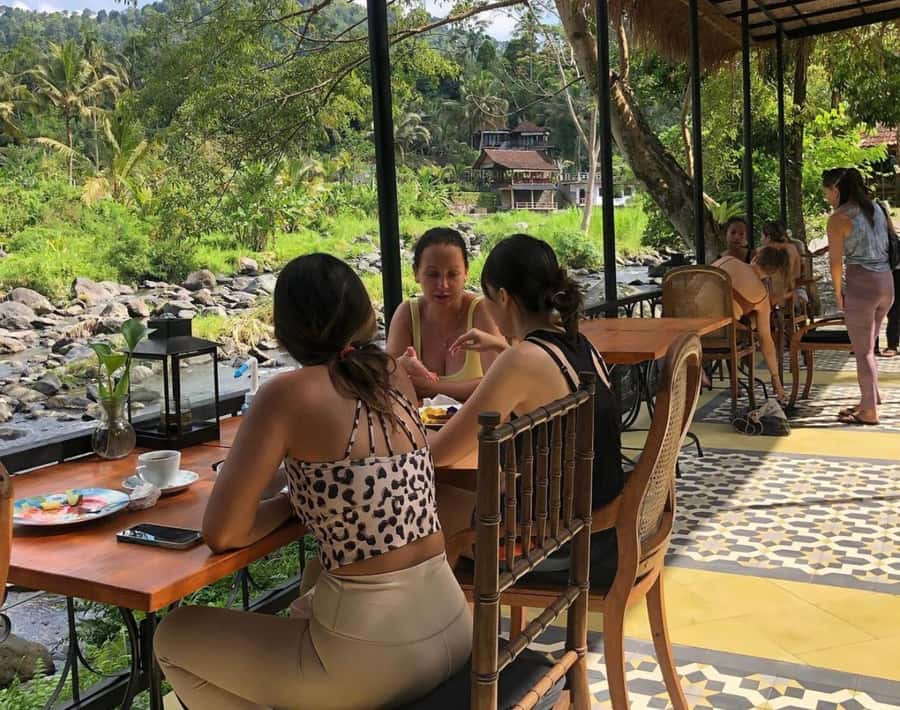
If you’re doing the lunch add-on, this is one of the better moments of the day because it’s not just food—it’s a coastal pause. The setup is designed for panoramic beach views while you eat, so you’re not stuck in “tour bus lunch” mode.
A balanced heads-up: some guests want more clearly local dishes. The tour includes a lunch buffet when the lunch add-on is selected, but if you’re food-obsessed and very specific about local cuisine, you might find the meal more international than you’d like. For most people, though, the value is in the break and the sea-air reset before the outdoor salt fields.
Kusamba salt farms: sand, sun, and traditional work
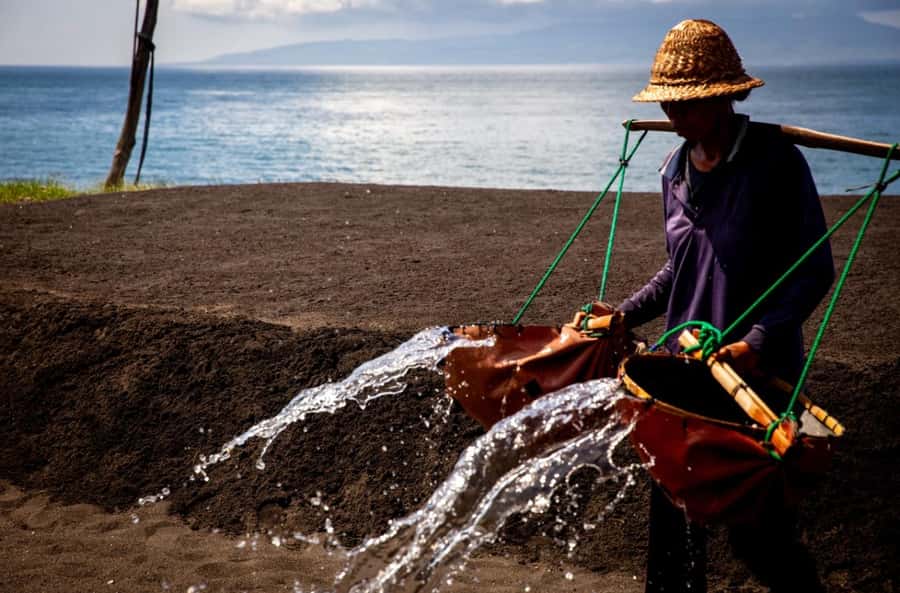
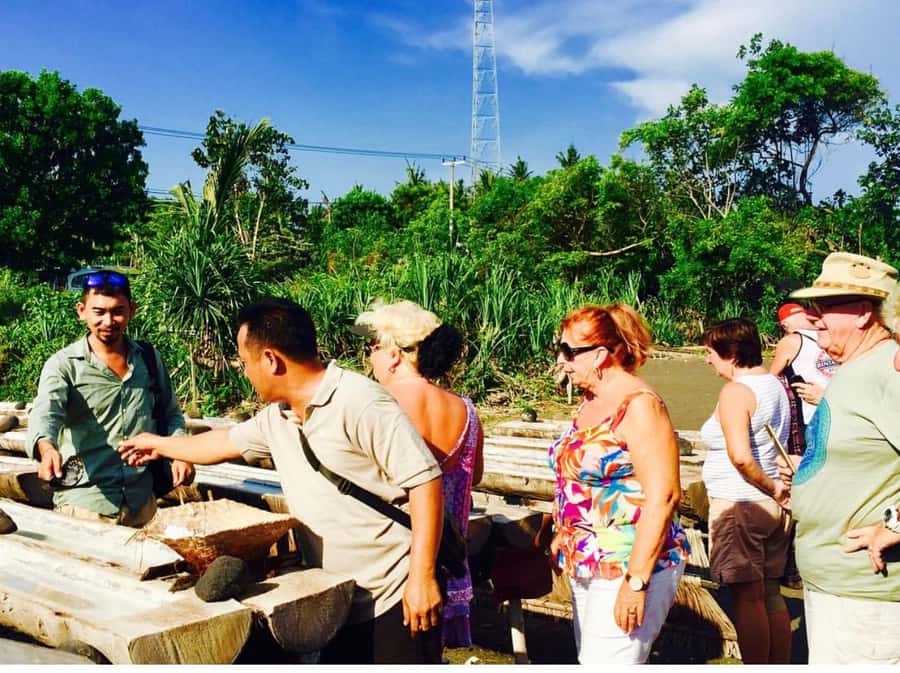
Then you get to Kusamba Village for the hands-on salt experience. You’ll spend about 30 minutes here with guided sightseeing and time to learn how salt farming is done.
This is the stop that turns the day from sightseeing into work-and-life. Salt farming is outdoors, and the notes are very clear: expect sun exposure and sandy terrain. That means you’ll want to bring the basics seriously—sunscreen, a hat, comfortable shoes, and water. If you’re prone to underestimating heat, this is where you pay for it.
Also, salt production isn’t guaranteed on a fixed schedule. The activity can vary depending on weather and daily production, so focus on the process and the people’s methods rather than expecting one specific moment.
The payoff is that you see how something small and common (salt) becomes a daily job that shapes local routines. It also adds contrast to the earlier stops: instead of architecture and ritual spaces, you get labor, tools, and the rhythm of making something useful.
Time, transport, and what a 7-hour day really means
Even without extra stops, this is a full routing day. You’re in an air-conditioned van, which matters in Bali’s heat and helps keep the day comfortable between locations.
Pickup and drop-off vary by your chosen area, with options connected to Sidemen and Bali. The important part for planning: you’re not only moving between sites—you’re also likely adapting to changing weather and sun intensity.
One thing I strongly appreciate on this kind of tour is that transport performance is a major strength. The van and driving experience are rated highly, with perfect scores reported for the transport portion. That gives you peace of mind when you’re covering multiple destinations in a single day.
Price and value at around $34: what you get vs what costs extra
At $34 per person, this tour is priced like a high-value circuit because you’re paying for more than just a ride. You get:
- Transportation in an air-conditioned van
- Parking fees
- A guide in English
- Bottled mineral water
- Access to the stops (in options where entrance tickets are included)
Lunch is the main “watch the fine print” item. The base inclusion mentions lunch only if you add it on, and there’s also an option for a lunch buffet. The same idea applies to add-ons like polaroid photos and a 1-hour massage.
My practical take: if you care about getting a full day rhythm without thinking about food plans, add lunch. If you just want the photos, skip the polaroids and use your own camera. Massage is optional, and it makes the day feel like it ends with recovery—useful if you’re staying in the same area and want to loosen up after sun and walking.
In short, the value is strongest if you take the tour as a route: you’ll use the guide time at each stop and benefit from having entrances and logistics managed when those options are selected.
Who this tour fits best (and who should skip it)
This tour fits best if you:
- Want East Bali with village culture plus water palace time
- Like guided explanations (the day is built around short guided segments at each stop)
- Don’t mind uneven paths and outdoor walking
- Are comfortable doing a full day with multiple stops
It’s not suitable for people with mobility impairments or for wheelchair users. Uneven village paths and sandy salt farming terrain make it a safety issue, not a comfort issue.
If you’re the type who needs lots of downtime, this route may feel busy. The stops are timed tightly (roughly 30–45 minutes each, plus transit), and you’ll be outside for multiple parts of the day.
Practical packing checklist for Bali’s sun and village etiquette
Bring what makes this day easy and respectful:
- Comfortable shoes (no slick soles; sand and uneven ground are real)
- Sun hat
- Sunscreen
- Camera (Tirta Gangga and the Candidasa views are built for photos)
- Cash for personal expenses
And don’t forget the behavior rules:
- Modest attire is recommended for cultural or sacred sites
- Alcohol and drugs aren’t allowed
- Pets aren’t allowed
Weather can change quickly. If you’re coming in a rainy season or during stormy weeks, I’d treat a light layer as smart too—even though the tour is largely outdoor.
The guides make the difference: what to look for on the day
A lot of the success of this route comes down to your guide’s pacing and how they explain what you’re seeing. The English-speaking guides connected to this itinerary are praised for being friendly, attentive, and comfortable answering questions, and at least one guide (Andre) has been highlighted for safe, skilled driving.
If you want to get the most out of Sidemen and Tenganan, ask questions early. In the village stops, your best learning happens when you’re curious and willing to listen to small details. By the time you reach Tirta Gangga and Kusamba, you’ll be able to read the “why” behind what’s happening instead of only photographing the “what.”
Should you book this tour?
I’d book it if you want a single day that covers culture (Sidemen and Tenganan), architecture (Tirta Gangga), coast views (Candidasa), and traditional labor (Kusamba salt farms) without needing to plan the logistics yourself. The $34 price is hard to beat for a route this packed, especially with air-conditioned transport, a live English guide, and guidance at each stop.
Skip it if you need step-free access, don’t handle heat well, or hate outdoor, sandy terrain. Also consider choosing the lunch add-on if you want the sea-view break built into the schedule.
If you’re flexible enough to plan around weather and walking, this is one of those Bali days that gives you real variety. And if you’re staying near Sidemen, it’s also efficient—one organized day, multiple meaningful stops.
FAQ
How long is the Bali Traditional Villages, Salt Farm & Tirta Gangga tour?
The tour is listed as 7 hours, and the route description suggests a longer day (around 9 hours). Plan for a full day with travel time between sites.
Is lunch included in the price?
Lunch is only included if you select the lunch add-on. Without that add-on, lunch buffet is not included.
What language is the tour guide?
The tour includes a live guide in English.
Are entrance fees included?
Entrance fees are included only if you choose an option with entry tickets selected.
What should I bring for Kusamba salt farming?
Bring comfortable shoes, a sun hat, sunscreen, and water. Kusamba salt farming is outdoors with sun exposure and sandy terrain.
Is this tour suitable for wheelchair users or mobility impairments?
No. It’s listed as not suitable for people with mobility impairments and not suitable for wheelchair users.