REVIEW · BIG ISLAND OF HAWAII
Edible Hibiscus Guided Farm Tour (Big Island)
Book on Viator →Operated by Hawaiian B Natural Farms · Bookable on Viator
A hibiscus tour that you can actually eat. This one takes place just outside Honokaa on the Hamakua Coast and mixes farm stories with a hands-on look at hibiscus cultivation and hydroponics. You’ll walk through a demonstration garden, visit the hydroponic greenhouse, then finish with a guided tasting of hibiscus products.
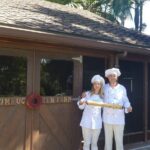
I especially like that the tour is run by the farm owners, with Susan and Lance doing the teaching and the welcoming. I also love the food angle: you get to taste hibiscus flowers and products like hibiscus tea and preserves, not just admire plants from a distance.
One consideration: this is aimed at people who enjoy gardening and plants. If you mainly want scenery, the hydroponic greenhouse and plant talk may feel more like a lesson than a walk, and you may notice some leaves or flowers have been nibbled by bugs.
In This Review
- Key Things to Know Before You Go
- Hamakua Coast Setting in Honokaa: Ocean Views and a Working Hibiscus Farm
- Susan and Lance Explain Culinary vs Ornamental Hibiscus (and Why It Matters)
- Stop 1 Near Honokaa: Demonstration Garden Varieties and the Bug Life
- Inside the Hydroponic Greenhouse: How the Farm Grows Hibiscus
- The Tasting Hour: Hibiscus Flowers, Tea, Preserves, and More
- What Makes This 1.5-Hour Tour Worth Your Time
- Quick Tips Before You Go
- Who Should Book (and Who Might Skip It)
- Should You Book Edible Hibiscus Guided Farm Tour?
- FAQ
- How long is the Edible Hibiscus Guided Farm Tour?
- Where does the tour start?
- What language is the tour offered in?
- What’s the group size limit?
- What will I taste during the tour?
- Does the tour include hydroponics?
- What happens if the weather is bad?
- Can I cancel for a refund?
Key Things to Know Before You Go
- Small group cap (12 people): easier questions, more time with the owners.
- Culinary vs ornamental hibiscus: you’ll learn what’s edible and how that changes farming and product ideas.
- Hydroponic greenhouse visit: you get a real look at modern growing methods.
- Guided tasting with multiple hibiscus products: tea, flowers in syrup, preserves, and more.
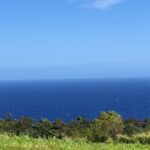
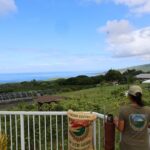
- Honokaa area setting with ocean views: nice bonus while you tour the farm.
Hamakua Coast Setting in Honokaa: Ocean Views and a Working Hibiscus Farm
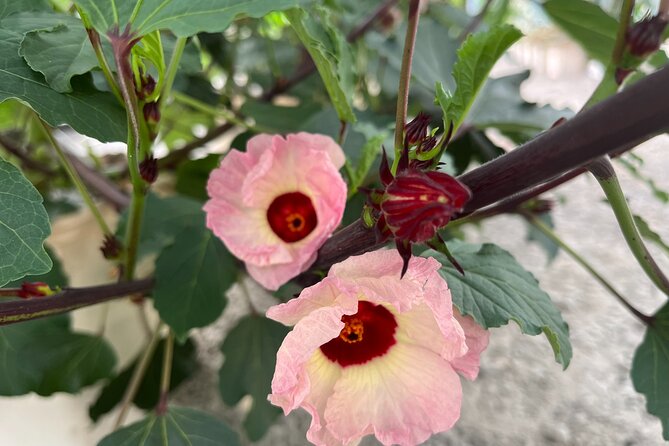
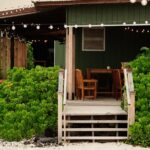
This isn’t a museum-style food tour. You’re visiting a working hibiscus farm just outside Honokaa, on the north side of the Big Island, in the Hamakua Coast countryside. Even before the tasting, the setting helps: you’re close to the greenery, and the tour includes open farm areas where ocean views show up as a pleasant pause.
The timing is also realistic. Plan on about 1.5 hours total, which is long enough to tour and taste, but not so long that you lose the rest of your day. It’s offered in English, and it runs with a mobile ticket, so you don’t have to worry about printing anything.
The group size stays small (maximum 12), which matters here. When someone is explaining the differences between edible and ornamental plants, you want to hear the details and ask questions without feeling rushed.
You can also read our reviews of more tours and experiences in Big Island of Hawaii.
Susan and Lance Explain Culinary vs Ornamental Hibiscus (and Why It Matters)
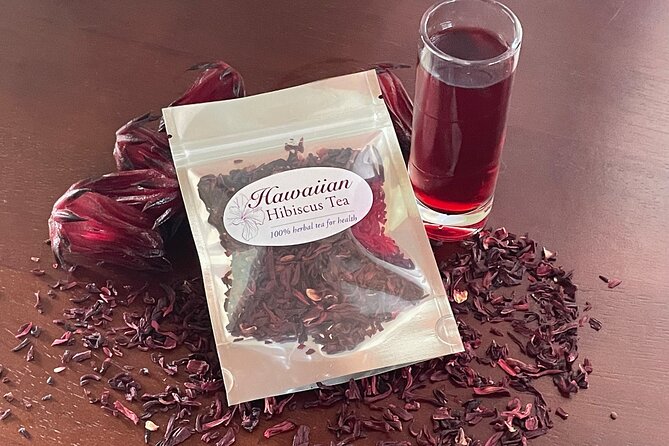
The heart of this tour is a simple question: can hibiscus be eaten? The owners help you sort that out by explaining the difference between ornamental hibiscus and culinary hibiscus—and what that means for growing it and turning it into products.
This is more than trivia. If you’ve only ever seen hibiscus as a pretty flower for leis or landscaping, it’s a whole new world to learn that not all hibiscus is meant for the plate. The tour frames it around farming decisions and product development, so you start to understand why some plants show up in tea and preserves, while others stay in the “look but don’t eat” category.
Susan (and Lance) also keep the tone friendly and funny. You’ll get serious info about cultivation, but it’s delivered in a way that doesn’t feel stiff. That balance is a big reason this tour earns top marks.
Stop 1 Near Honokaa: Demonstration Garden Varieties and the Bug Life
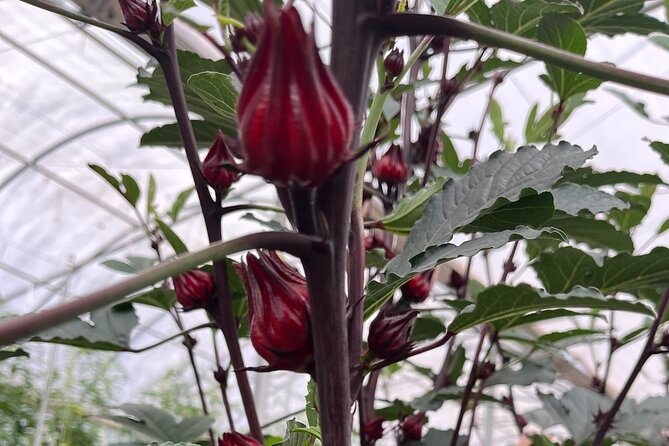
Your first stop is the outside demonstration garden area near Honokaa. This is where you get oriented fast: you see different hibiscus varieties and learn what makes them different. The goal is not just to name plants; it’s to connect plant traits to what eventually becomes edible products.
Here’s a real-world detail that makes the tour feel genuine: some flowers and plants may show signs of insect activity. If you’re a gardener, you’ll probably find that normal and even useful—it’s a reminder that hibiscus farming is still agriculture, not a controlled lab.
If you’re hoping for a big show of a hundred different edible blooms, keep your expectations grounded. The focus is on varieties and how they’re grown and used, not on having every single plant on display. That said, seeing the plants up close helps you connect the later tasting to something living, not just a menu item.
Inside the Hydroponic Greenhouse: How the Farm Grows Hibiscus
Next comes the hydroponic greenhouse production area. This is where the tour shifts from “what plants look like” to “how they’re produced.” You’ll hear about hydroponic farming and see how that system supports hibiscus cultivation.
For plant people, this is a standout portion. If you like gardening, growing methods, or you’ve ever wondered why some farmers choose hydroponics, you’ll get a clear explanation without needing a horticulture degree.
If you’re not that into plants, the greenhouse still has value—it explains the consistency behind the products. The tasting isn’t random. It’s connected to how the farm cultivates the hibiscus and then processes it into shelf-stable items like preserves.
A practical note: the tour has a good pace, but greenhouse areas can feel warmer and more enclosed depending on weather and airflow. If you run hot, plan to wear breathable clothes.
The Tasting Hour: Hibiscus Flowers, Tea, Preserves, and More
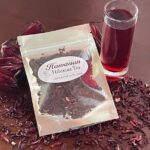
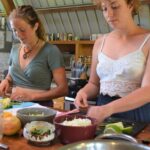
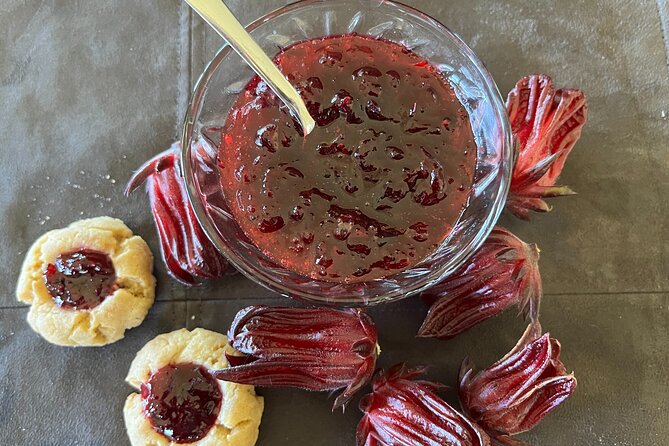
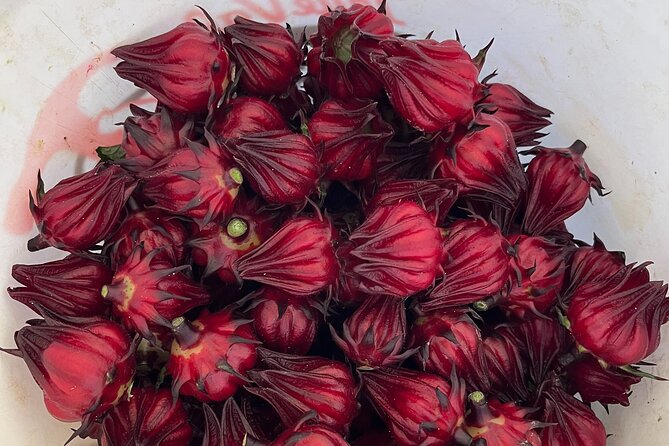
The tour ends with a guided tasting of the farm’s hibiscus flowers, preserves, and teas, and that’s where the “edible” part becomes real. This is not just one small sample cup. You’ll work your way through multiple hibiscus products so you can taste the differences.
What you can expect includes hibiscus tea and other hibiscus offerings like flowers in syrup and preserves. Some tours include additional treats made from hibiscus and paired ingredients—think options like panacotta and shortbread with jam, which have shown up in the tasting menu experience for this farm.
Even better: the tasting isn’t only about flavor. The owners explain how the flower becomes a product. Once you’ve heard the production story, the flavors make more sense. You start noticing things like how sweetness and floral notes change from tea to syrup to preserves.
And yes, you’ll probably want to buy something. The farm sells products directly, so bring a little spending money if you’re tempted. Many people come back for items like hibiscus tea and preserves, because they travel well and also make a solid souvenir that tastes like Hawaii instead of just looking like Hawaii.

What Makes This 1.5-Hour Tour Worth Your Time
Value in a short tour comes from focus. This one is tight: you learn the cultivation basics, you see the hydroponic system, and you finish with a tasting that actually shows you what the farm produces. With a small group cap of 12, you also get more human time with the owners than you would on a larger bus tour.
Also, this is one of those experiences that works even if you’re not a hardcore foodie. You get the fun part—tasting hibiscus products—but you also leave understanding the why behind them. That’s what turns a snack tour into a story you’ll remember.
There’s another “value” layer here: the tour encourages purchases without being pushy. You can simply taste, learn, and enjoy. But if you like what you try, you’ll have an easy option to take flavors home.
Quick Tips Before You Go
A few small prep tips can make the experience smoother.
- Come with an appetite for samples. This is food-forward, and the tasting is the payoff.
- Wear comfortable shoes. You’ll be moving through outdoor areas and then into production spaces.
- Plan for good weather. The experience requires decent conditions. If weather is poor, you’ll be offered a different date or a full refund.
- Budget a little for farm products. The tour includes tasting, and the farm sells additional hibiscus items.
- Expect plant talk in a plant place. If you love gardening or want to understand hydroponics, you’ll likely enjoy every segment more.
Who Should Book (and Who Might Skip It)
Book this if you want a hands-on hibiscus experience that mixes farming, edible flowers, and a guided tasting you can’t recreate at home without the right ingredients. You’ll enjoy it most if you like learning about how food is made, especially when it’s made from something you’ve only seen as a decorative flower.
Skip it if your main goal is a relaxed scenic walk with minimal “how plants grow” discussion. This is a working farm tour, and the hydroponic side is part of the point.
If you’re traveling with friends in mixed interests, it can still work. The non-gardeners get the delicious part, while plant lovers get the cultivation details. Susan and Lance also keep the tone light, which helps the tour feel fun, not like a classroom.
Should You Book Edible Hibiscus Guided Farm Tour?
If you want something different from the usual Big Island scenic stops, this is a strong choice. You get a small-group visit, a clear explanation of what makes hibiscus edible, and a tasting that goes beyond one drink. The farm setting around Honokaa, plus ocean views, makes it feel like more than a quick food stop.
If you’re on the fence, here’s a simple test: would you enjoy touring a greenhouse and learning how hibiscus becomes tea and preserves? If yes, book it. If no, consider another activity and let someone else take on the hydroponics talk.
FAQ
How long is the Edible Hibiscus Guided Farm Tour?
It’s about 1 hour 30 minutes total.
Where does the tour start?
The meeting point is 44-2790 Kalopa Mauka Rd, Honokaa, HI 96727, USA.
What language is the tour offered in?
The tour is offered in English.
What’s the group size limit?
The tour is capped at a maximum of 12 travelers.
What will I taste during the tour?
The guided tasting includes hibiscus flowers, preserves, and teas. You may also try additional hibiscus treats as part of the tasting experience.
Does the tour include hydroponics?
Yes. You’ll visit the farm’s hydroponic greenhouse production area and learn about hydroponic farming.
What happens if the weather is bad?
The experience requires good weather. If it’s canceled due to poor weather, you’ll be offered a different date or a full refund.
Can I cancel for a refund?
Yes. Free cancellation is available if you cancel at least 24 hours in advance of the experience start time for a full refund.