REVIEW · BIG ISLAND OF HAWAII
Farm to Table Cooking Class at Kulaniapia Falls
Book on Viator →Operated by Kulaniapia Falls · Bookable on Viator
A waterfall and lunch from your own harvest? That’s the vibe at Kulaniapia Falls on Hawaii’s Big Island—farm walk first, then a farm-fresh, plant-based lunch in a beautiful setting.
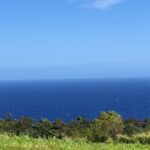
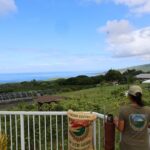
Two things I really like: the hands-on harvesting (a big share of what you eat comes straight from the garden), and the fact that you’re cooking with views toward Hilo Bay and Mauna Kea.
One heads-up: you may do more chopping and prepping than actual hands-on cooking, depending on who’s teaching and helping that day.
In This Review
- Key things I’d plan around
- Kulaniapia Falls makes the class feel like more than cooking
- Harvesting your ingredients: the farm walk is the heart of it
- The cooking session: what you do, what you may watch
- The lunch itself: plant-based, seasonal, and mostly from the garden
- Price and value: is $169 worth it?
- Practical details: when, where, and what to wear
- Who this class suits best (and who should reconsider)
- Should you book it at Kulaniapia Falls?
- FAQ
- How long is the Farm to Table Cooking Class at Kulaniapia Falls?
- What time does the class start?
- Where is the meeting point?
- Is lunch included?
- Is the class plant-based?
- What should I wear for the farm part?
- Is gratuity included in the price?
Key things I’d plan around
- Small group size (up to 8): more attention and less standing around.
- Farm-first menu: seasonal produce you help harvest makes up 90%+ of your meal.
- Plant-based focus: you’ll learn what “farm-to-table” means in practice, not just on a sign.
- Outdoor-to-barn flow: garden stroll, then lunch made in a kitchen with scenic views.
- Bring your walking shoes: you’ll move over uneven ground in the farm areas.
Kulaniapia Falls makes the class feel like more than cooking
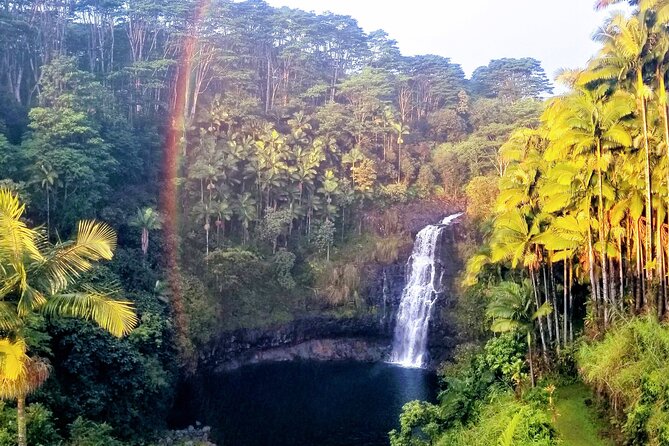
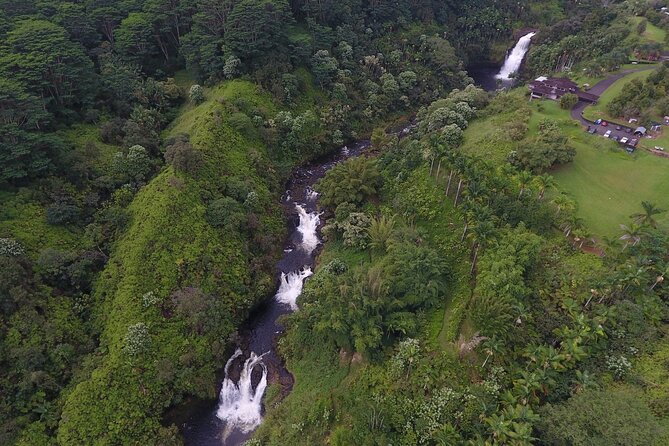
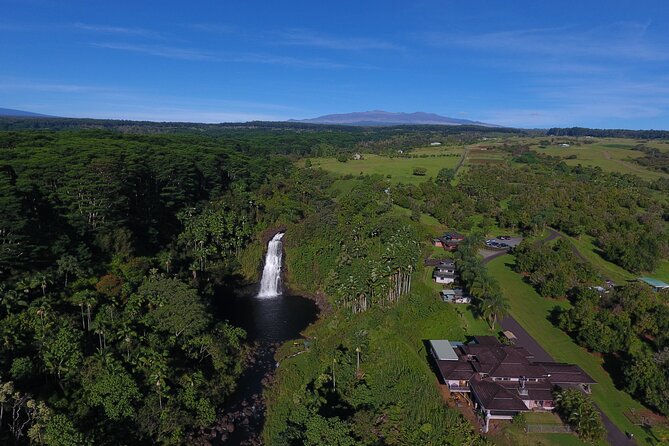
This isn’t a classroom-with-a-recipe-card kind of experience. You’re on the grounds of Kulaniapia Falls, with bamboo gardens and a waterfall you can see before and after lunch. The whole place sets a calm, slightly off-the-grid mood, which matters because a cooking class works best when you slow down a bit.
Then there’s the view factor. When you’re preparing your meal, you’re looking out toward Hilo Bay and Mauna Kea. That combination—ocean-side scenery plus big-island volcanic farming—makes the farm-to-table idea click. You’re not just learning ingredients. You’re learning place.
You’ll also get a sense that the farm is run by real people living the day-to-day rhythm of growing food. In the examples I’ve seen, guides can be community members who lead the walk and explain how the farm works, while kitchen leaders handle the cooking process. Names that come up include Natalie as a farm guide and Davey as a chef-type presence in the cooking portion. Other instructors like Adrian and Ayden show how the hosting style can vary by day.
My take: if you want a cooking class that feels connected to the land and the people, this setting does the heavy lifting.
You can also read our reviews of more tours and experiences in Big Island of Hawaii.

Harvesting your ingredients: the farm walk is the heart of it
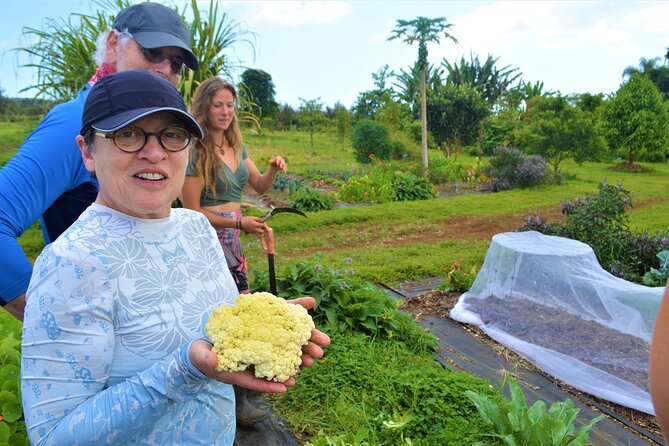
The class starts with you getting out into the gardens at Kulaniapia Farms. You’ll follow a guide who’s passionate about growing healthy food, and the main mission is simple: find ripe vegetables and harvest what will become your lunch.
This is where the term farm-to-table stops being marketing. The instruction is built around seasonal produce grown on-site, using rich volcanic soil. You’re not tasting “generic vegetables.” You’re learning how farm timing affects flavor and how selection matters.
A key promise here is the farm-to-table ratio: your lunch uses seasonal produce you harvest, with 90%+ of the meal coming from what’s grown on the farm. That’s big. It turns the experience into something you can repeat later: once you’ve seen what “ripe” looks like and how selection changes a dish, you cook with more confidence at home.
You should also expect real farm conditions. One clear note from past participants: wear closed-toe flat shoes or tennis shoes. The walking is over uneven ground and through some weedy areas. Also, plan for your hands to get dirty. That’s part of the point.
The cooking session: what you do, what you may watch
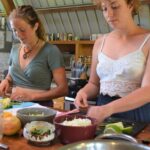
After the harvest, you move into the kitchen setup for lunch. The cook-along style sounds relaxed and practical, and the goal is for you to walk away with fresh plant-based recipes and more comfort in your own kitchen.
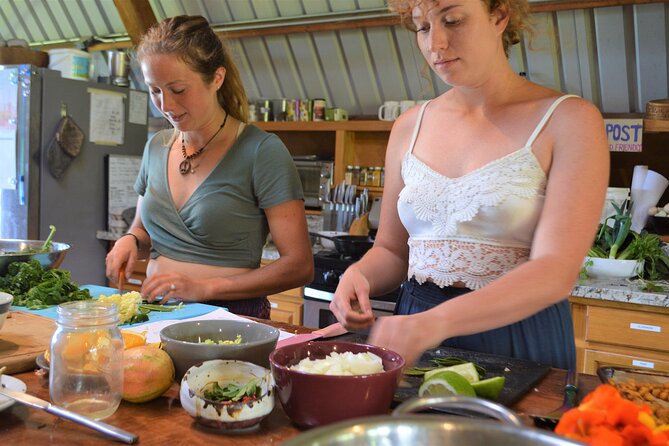
In many cases, you’ll handle a lot of the prep. That includes preparing the vegetables you harvested, and following step-by-step direction to turn them into a satisfying meal. But one of the most useful “consider before you go” notes from the experience is this: the actual cooking might be done more by a volunteer or worker than by every participant. In other words, if you’re hoping for full chef-style control over every step, you might find yourself more in a prep-and-participate role.
That doesn’t make the class less valuable. It just changes what kind of hands-on learning you’ll get. If your priority is learning flavor-building techniques—how produce is handled, how a fresh lunch comes together—this format can still land well. If your priority is cooking technique practice at the stove, keep that consideration in mind.
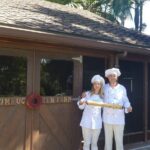
On the upside, the cooking happens in a lovely barn-like space. People describe a refurbished barn and a kitchen on an upper level with ocean views. So even the “sit, watch, and learn” moments come with a great backdrop.
The lunch itself: plant-based, seasonal, and mostly from the garden
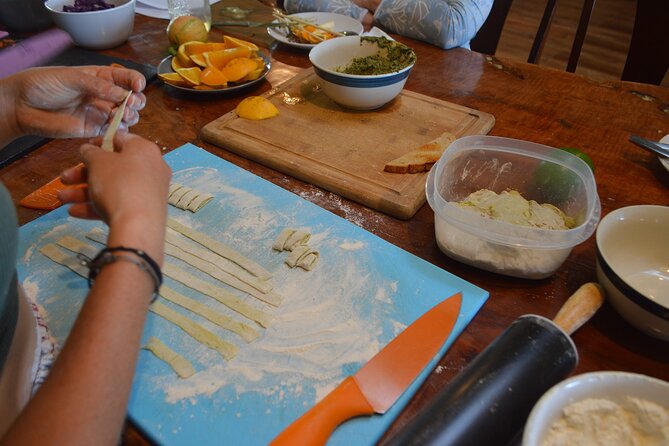
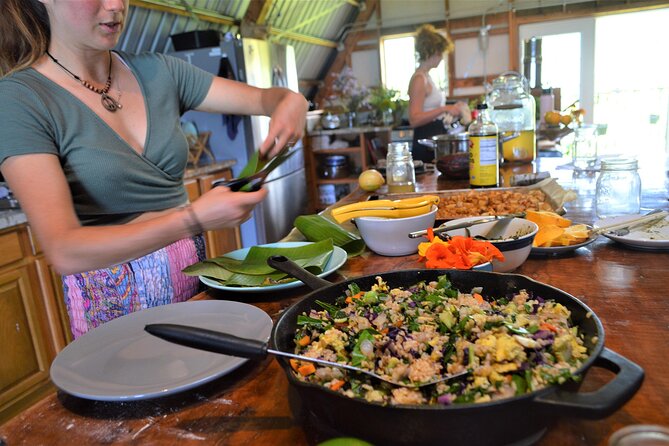
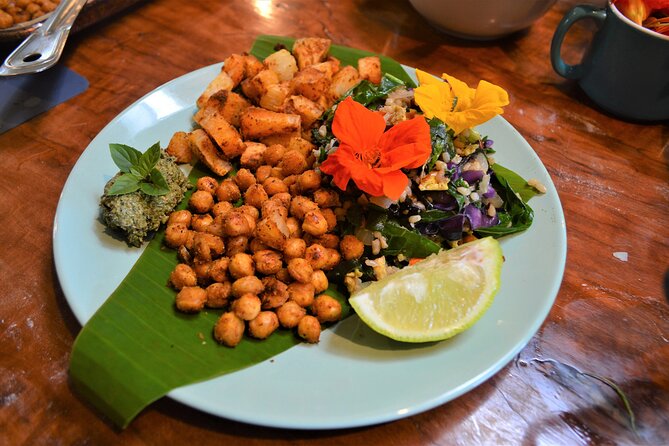
The sample menu is straightforward: Farm Fresh Produce. You’re creating a fresh lunch using seasonal ingredients from the farm, and you harvest enough to make it feel like your own meal.
Because the focus is plant-based, you can expect a meal built around vegetables and other farm produce rather than meat or seafood. The experience is designed to help you understand farm-to-table as a commitment: freshest food, environmental harmony, and sharing what the farm grows.
What makes this meal feel special is the proportion. When 90%+ of your lunch comes from what you harvested, you end up remembering the flavors tied to specific vegetables you picked. That makes the included lunch more than just lunch.
Some extra farm moments may also happen around the experience, depending on the day and what’s available. Past participants have mentioned feeding goats, sampling bananas right off the tree, and tasting coffee. There’s also a mention of a walk down toward a river after the farm portion. Treat these as bonuses rather than guaranteed parts of every run, but they fit the overall rhythm: walk the farm, meet the farm, then eat what the farm produced.
Price and value: is $169 worth it?
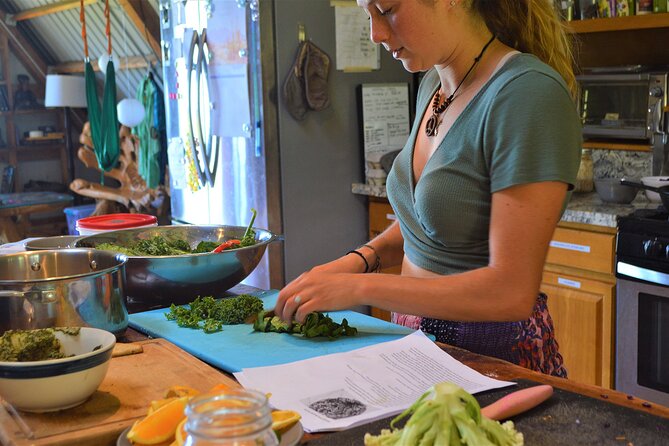
At $169 per person, this class sits in the “nice experience” category, not the “cheap activity” category. The reason I think it can still be good value is what’s included: you get the farm tour, the harvesting experience, and a lunch you create together using produce you help pick. You also receive take-home plant-based recipes, which extends the value beyond the 4-hour window.
The group size is capped at a maximum of 8 travelers. That’s another value point. Smaller groups tend to make hands-on activities feel more personal, and it’s easier to ask questions when you’re not part of a big crowd.
The one cost you should plan for: gratuity. The typical amount listed is $20 per guest. Since gratuity isn’t included, factor that into your total budget so there are no surprises.
Also worth noting: the class tends to book fairly far in advance, with an average booking window of about 46 days. If you’re traveling during a busy time, I’d treat this as a prebook-and-lock-in kind of activity.

Practical details: when, where, and what to wear
The class starts at 9:30 am and runs about 4 hours (approx.). The meeting point is 100 Kulaniapia Dr, Hilo, HI 96720, USA. It ends back at the same meeting point.
You’ll receive confirmation at booking, and you’ll have a mobile ticket. The class is offered in English.
What to wear is the clearest practical advice in the information you’re given. Use closed-toe shoes with flat support. The farm areas include uneven ground and some weedy sections, so your feet matter more than fancy outfit choices. Also, expect you’ll get your hands a bit messy during harvesting and prep.
If you’re pairing this with other Big Island stops, plan around the morning-to-midday timing. It’s a smart use of time in Hilo, especially if you want a break from driving and want something that feels grounded in the local environment.
Who this class suits best (and who should reconsider)
This works especially well if you:
- want a hands-on food experience rather than just watching someone cook
- like plant-based meals and want to learn how seasonal produce drives flavor
- enjoy small-group activities and conversations with people running a real farm
- want something more local than a generic “tour + lunch” setup
It can also be a fun fit for couples and families. The small group size helps it feel friendly and flexible.
Who might want to reconsider? If you specifically want a stove-focused cooking workshop where every participant does most of the actual cooking steps, you may find the format more prep-forward than stove-forward. One of the most helpful notes from the experience is that cooking may be handled by a volunteer or worker during your session.
Should you book it at Kulaniapia Falls?
I’d book this if your idea of a great Hawaii day is: walk around a working farm, harvest what you’ll eat, then enjoy a fresh lunch with meaningful views. The blend of garden time, plant-based cooking, and take-home recipes is a strong match for people who like food that has a story.
I’d skip—or at least go in with eyes open—if your top goal is learning every cooking technique hands-on at the stove. This class can still be excellent for learning and enjoyment, but the hands-on portion may lean more toward harvesting and prep than full cooking control.
If you’re on the fence, think about one question: do you want farm-to-table as an experience you can taste and repeat? If yes, this is a great use of your time in Hilo.
FAQ
How long is the Farm to Table Cooking Class at Kulaniapia Falls?
It’s about 4 hours (approx.).
What time does the class start?
The start time is 9:30 am.
Where is the meeting point?
It meets at 100 Kulaniapia Dr, Hilo, HI 96720, USA.
Is lunch included?
Yes. Lunch is included, and you’ll make it together using farm-fresh produce you help harvest.
Is the class plant-based?
Yes. The experience is described as a plant-based food class.
What should I wear for the farm part?
Wear tennis shoes or other closed-toe flat shoes because you’ll walk on uneven ground and through some weedy areas.
Is gratuity included in the price?
No. Gratuity is not included, and a typical amount listed is $20 per guest.