REVIEW · EVORA
Évora: Cork Factory and Cork Farm Lunch included
Book on GetYourGuide →Operated by Burriscas Adventure PT · Bookable on GetYourGuide
Cork trees have stories you can actually see. This Évora cork experience strings together the cork industry from factory to farm, then caps it with a real Alentejo meal at a family restaurant, the kind where you feel welcomed like part of the household. I also like the way the guides, from Telma to Pedro (with Zé pitching in), explain the whole system with energy and patience, so the day feels more like a local education than a quick stop-and-snap tour.
One thing to consider: the van ride can get noisy, and if you end up in the back rows you may miss some of the commentary during transit.
In This Review
- Key Highlights That Make This Day Worth It
- From Évora Pickup to a Cork Factory Morning
- Inside the Cork Factory: From Living Tree to Products
- Alentejo Lunch at a Family Restaurant: The Real Payoff
- The Montado Estate Walk: Cork and Holm Oaks in Real Life
- Prehistoric Cromlech and a Neolithic Village Reconstruction
- How the 8-Hour Schedule Really Feels
- What’s Included, What Isn’t, and What You’ll Want to Budget
- Guides Like Telma and Pedro: Why Their Style Matters
- What to Bring (So You Don’t Get Grumpy After Lunch)
- Who This Tour Fits Best (and Who Might Prefer Something Else)
- Should You Book Évora Cork Factory and Cork Farm?
- FAQ
- How long is the Évora cork factory and cork farm lunch tour?
- Is transportation from my accommodation included?
- What’s included in the lunch?
- What languages are the guides available in?
- Do I need to be able to walk comfortably?
- Is this tour wheelchair accessible?
- Is the tour safe if I have animal allergies?
- What are the cancellation and payment options?
Key Highlights That Make This Day Worth It
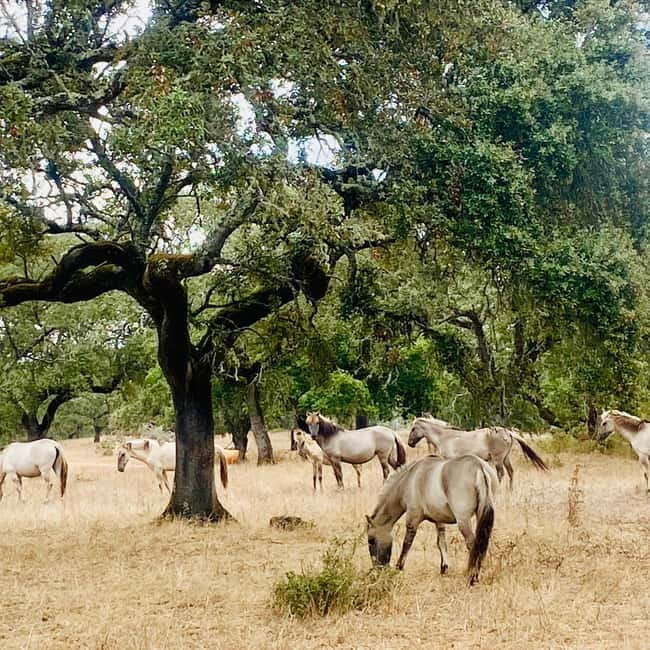
- Cork, explained start-to-finish: you see the transformation from tree bark to usable products
- A family-style Alentejo lunch: you eat in a typical restaurant setting with local hospitality
- Montado + cork harvesting context: you walk the estate and understand how cork and holm oaks live together
- Prehistoric cromlech on the property: you get a sense of deep time without leaving the grounds
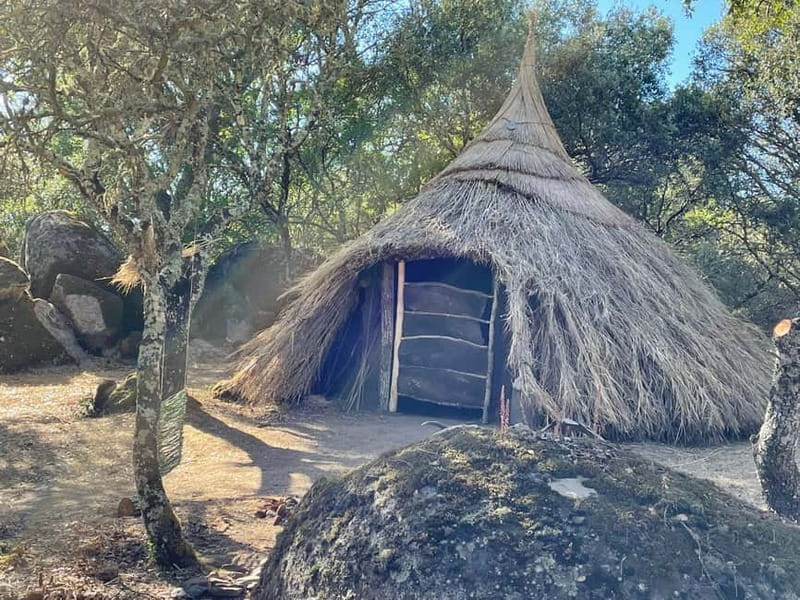
- A Neolithic village reconstruction: helpful for framing how communities may have lived in the region
From Évora Pickup to a Cork Factory Morning
This tour runs as a straightforward day trip: you get transportation from your accommodation and you’re back at the end, which makes a big difference in Évora. The morning is built around one theme: cork isn’t just a product. It’s a living ecosystem and a local economy.
Once you’re loaded into the van, you’re usually looking at country roads and sudden changes in terrain. You’re not rushing through urban sights. This is rural Portugal, the working kind, where the land does most of the talking. English and Portuguese are supported, and the guides tend to keep things moving without feeling frantic.
A practical note: wear comfortable shoes and plan for walking. Even if the tour feels like a day out, you will be on your feet often enough to make good footwear worth it.
Inside the Cork Factory: From Living Tree to Products
The cork factory visit is the moment when the whole day clicks into place. You’ll see the cork production process laid out in a way that’s easier than trying to picture it later. The key is that you don’t only get a quick look at finished goods. You learn how cork gets turned into multiple products, and why this material is so central to Portugal.
There’s also a strong “look around and ask questions” vibe. One of the best parts is that you can spot cork’s versatility in the product variety, not just in one type of item. The factory experience tends to feel unusual in the best way: you’re watching something industrial, but it’s still rooted in a natural process.
I like that the factory visit sets you up for the afternoon farm walk. After you understand what cork becomes, the montado section doesn’t feel like a separate outing. It feels like the same story, told in a different chapter.
Alentejo Lunch at a Family Restaurant: The Real Payoff
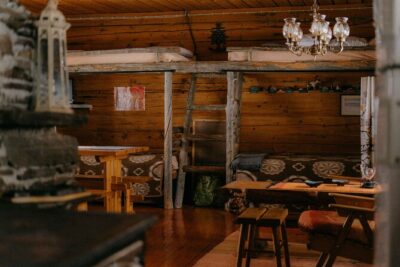
Lunch is not an afterthought here. It’s a highlight, and it’s also where you get a taste of how local life works, not just what local food looks like on a menu.
You’ll enjoy a traditional Alentejo lunch at a typical restaurant. The important detail: drinks at lunch are not included, so plan to add water, wine, or anything else you want to sip. Even if you’re on a tight schedule, this is one of those times to slow down.
What makes the lunch especially strong is the way the day’s host guides you into it. When you eat at a place connected to the local community, you tend to get more than food. You get conversation, welcome, and a sense that the restaurant runs on relationships, not performance.
This is also the part of the day where the guides can switch modes: less explaining, more letting you enjoy. That balance matters, especially on an 8-hour outing.
The Montado Estate Walk: Cork and Holm Oaks in Real Life
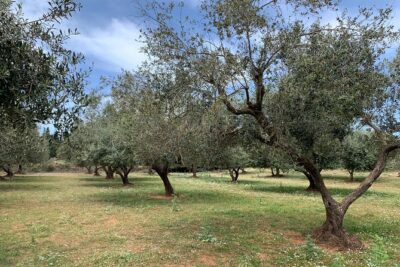
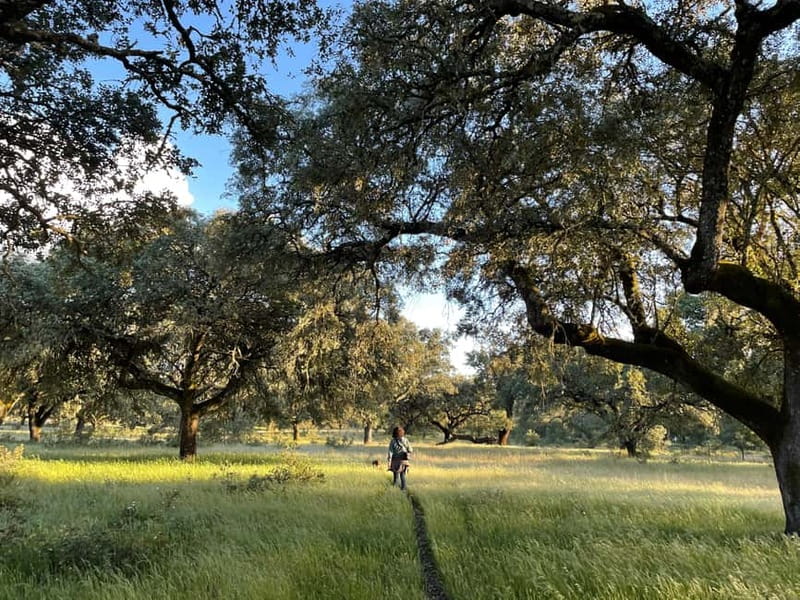
After lunch, you head to an Alentejo estate where the focus shifts from production to place. This is the montado, the iconic system of cork and holm oaks that shapes much of the region’s character.
You’ll explore the property and learn how the montado works: why cork matters, how holm oaks fit into the ecosystem, and what the harvesting process involves. The point isn’t just to hear a sequence of steps. You also want the bigger picture: cork harvesting is tied to a landscape that has been managed for generations.
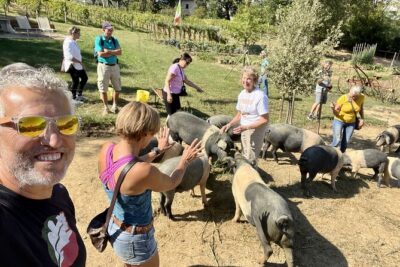
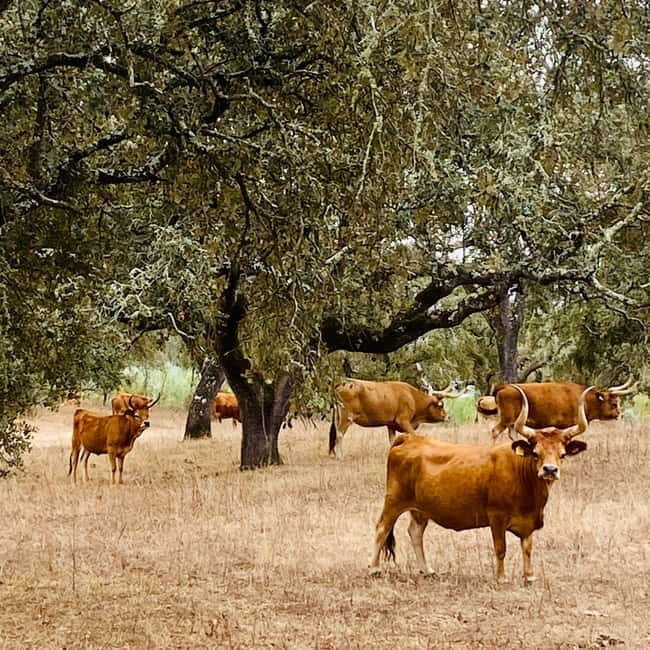
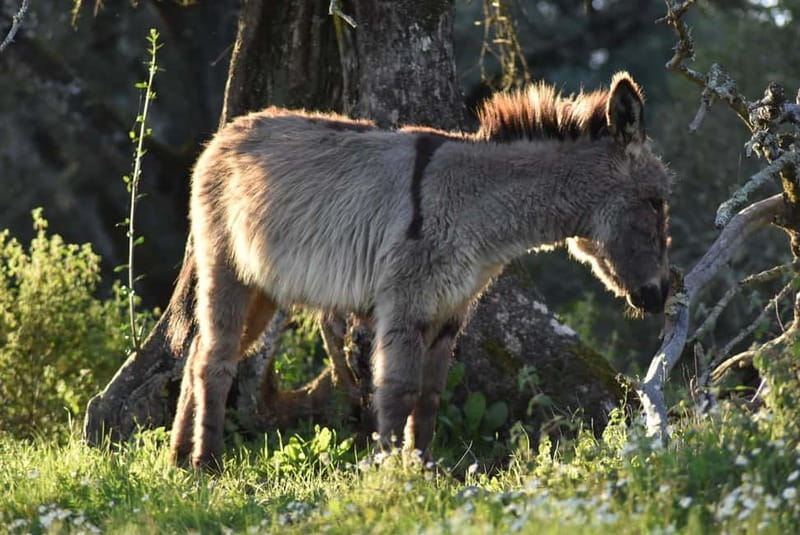
On the estate portion, you may also notice the signs of working farm life. You have a chance to see animals and understand the balance between agriculture and nature in this part of Portugal. That’s one reason this tour feels more grounded than a standard factory-and-photos schedule. You’re not just learning about cork. You’re learning how cork connects to day-to-day rural activity.
A small consideration: if you’re expecting a totally adult-focused walk, note that some parts of the educational setup can feel like they’re designed for school groups. The content is still interesting, but the delivery style may be more classroom than museum after lunch.
Prehistoric Cromlech and a Neolithic Village Reconstruction
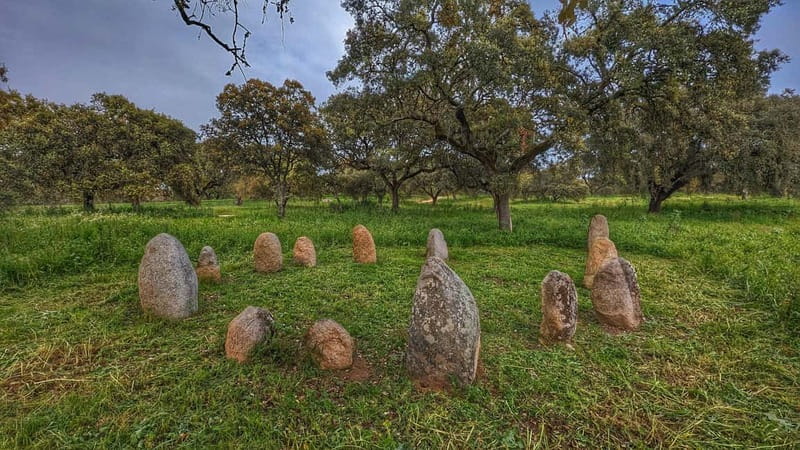
This part of the tour adds depth. You visit a prehistoric cromlech located on the property, and you also see a reconstruction of a Neolithic village.
Why this matters: it gives you a timeline. Cork might be the headline of the day, but the stones remind you that people have shaped this region for a very long time. The cromlech visit gives you a physical sense of where older communities built their world.
The Neolithic reconstruction helps you connect the dots between what you see in the stones and how communities might have lived. One trade-off: reconstructions are, by nature, designed to explain. So if you prefer archaeological sites with less interpretation, you might find this section feels more like an educational display than a rugged historical walk.
Still, for most people, it works well as a closing act after lunch and the montado discussion. It turns the estate into more than a working farm. It becomes a place where ecology and human history overlap.
How the 8-Hour Schedule Really Feels
The tour is listed at 8 hours, which is a solid length for a full-day Alentejo experience without turning into an all-day endurance test. The flow is logical: you start with cork production, add a real lunch, then move into the montado and the prehistoric elements.
Group comfort can make or break this kind of day. One review-style concern that’s easy to understand: if the van has a lot of noise, you can lose bits of the narration while you’re being transported. This isn’t a dealbreaker, but it’s a fair heads-up.
If you’re sensitive to sound or you really want every word, you might try to choose a seat where you can hear better at boarding. And bring your own patience for road noise. This is the price of rural pickup and drop-off.
What’s Included, What Isn’t, and What You’ll Want to Budget
Here’s the value picture in plain terms.
Included:
- Transportation from your accommodation
- Cork factory visit
- Traditional Alentejo lunch (drinks not included)
- Exploration of an Alentejo estate (including montado)
- Visit to the prehistoric cromlech and a Neolithic village reconstruction
Not included:
- Drinks at lunch
At $117 per person, you’re paying for more than entry tickets. You’re paying for guided context across multiple locations, plus the time and fuel logistics of getting out of Évora and back. That makes the price feel reasonable if you want the day done for you, with interpretation rather than self-driving and self-planning.
If you prefer to control every stop and don’t need pickup, you could try building your own route. But most people choose this tour because it strings together the cork story in one cohesive day.
Guides Like Telma and Pedro: Why Their Style Matters
The best tours don’t just list stops. They explain what you’re seeing in a way that makes the day stick.
In this case, guides like Telma and Pedro are central to the experience. They’re described as energetic and passionate about the region, and the way they handle weather changes is another positive. If rain is in the forecast, the itinerary can adapt rather than forcing an awkward slog outdoors.
You’ll also often hear Zé mentioned as part of the guiding team. Having two or more people involved can improve pacing, and it helps when one person is talking and another is helping the group manage movement.
The goal isn’t to turn cork into a lecture. It’s to make you understand why it’s such a big deal here—economically and environmentally.
What to Bring (So You Don’t Get Grumpy After Lunch)
For comfort and photos, come prepared:
- Comfortable shoes for walking on uneven estate ground
- A sun hat since you’ll be outdoors for parts of the day
- A camera because the montado and estate areas are made for pictures
- Water for hydration, especially on warmer days
Dress for walking and for the chance of changing weather. Even with good planning, countryside conditions can shift.
Who This Tour Fits Best (and Who Might Prefer Something Else)
This experience is a strong match if you want a guided day that mixes:
- Portugal’s signature natural material (cork)
- A working agricultural ecosystem (montado)
- Local food and rural hospitality
- A prehistoric stop that gives extra context beyond modern production
It’s not suitable for:
- Wheelchair users (the walking and terrain make this a no)
- People with animal allergies (you may encounter animals on the estate)
If you’re traveling with a history-only mindset, the Neolithic reconstruction might not satisfy you the same way a deep archaeological site would. But if you want a balanced day that connects ecology, industry, and long-term human presence, this tour has a good shape.
Should You Book Évora Cork Factory and Cork Farm?
Yes, if you want an easy, guided way to understand cork and Alentejo at the same time. The cork factory + montado estate pairing is the heart of the day, and the family-style lunch is a real reason to go, not just a line on a schedule.
Book it if you value:
- Interpretation that connects the morning to the afternoon
- Rural context beyond souvenirs
- A host-led experience with local warmth from people like Telma and Pedro
Skip it only if you’re highly sensitive to van noise and you don’t like reconstructions, or if the animal-allergy and walking limitations won’t work for you.
If that sounds like your trip style, this is a solid use of a full day in the Évora area.
FAQ
How long is the Évora cork factory and cork farm lunch tour?
It lasts 8 hours.
Is transportation from my accommodation included?
Yes. Transportation from your accommodation is included.
What’s included in the lunch?
You get a traditional Alentejo lunch at a typical restaurant. Drinks at lunch are not included.
What languages are the guides available in?
The host or greeter supports English and Portuguese.
Do I need to be able to walk comfortably?
Yes. You’ll be on your feet during the cork and farm portions, so bring comfortable shoes and wear clothing suitable for walking.
Is this tour wheelchair accessible?
No. It is not suitable for wheelchair users.
Is the tour safe if I have animal allergies?
No. It is not suitable for people with animal allergies because animals are part of the estate experience.
What are the cancellation and payment options?
You can cancel up to 24 hours in advance for a full refund. You can also reserve now & pay later (pay nothing today).