REVIEW · ZANZIBAR CITY
Private Zanzibar Spice Farm Tour
Book on Viator →Operated by Alfa Tours & Safaris · Bookable on Viator
Spices tell the Zanzibar story. This private 2–3 hour trip from Zanzibar City turns the island’s famous Spice Island past into something you can smell, taste, and picture. You’ll walk the farm and village setting where cloves, nutmeg, cinnamon, vanilla, peppers, and more grow, and you’ll hear how those crops shaped daily life in Zanzibar since the 18th century.
What I love is how hands-on it feels: you can sample different spices and even seasonal fruits directly from the trees if you want, then snap photos in the working farm setting. I also like that the guide experience is real and personal—guides like Alfa and Abdul are praised for clear English and fun, fast-paced teaching (including guess-that-spice style moments), and Khalfan and Watermelon come up in reviews for making it engaging.
One consideration: if you’re not staying in the Stone Town area, your transfer can cost extra (beach hotel pickup isn’t included in the $65 rate). It’s still good value, but plan for that add-on if your hotel is on the coast.
In This Review
- Key things I’d circle before you go
- Zanzibar’s spice roots: more than a photo stop
- How the private format keeps your day smooth
- Getting from Stone Town to the farm (and when it costs extra)
- Jambo Spice Farm: the smell-first, taste-when-you-want part
- A quick reality check on expectations
- The guide factor: why people keep mentioning names
- How to get the most out of your guide
- Price and value: why $65 can be a smart deal
- Lunch and souvenirs: know what’s not included
- Timing, what to bring, and how to plan your day
- Should you book this spice farm tour?
- FAQ
- How long is the Private Zanzibar Spice Farm Tour?
- What does the tour cost?
- Is the tour private?
- Is pickup included?
- What if I’m staying at a beach hotel?
- What’s included in the price?
- Is lunch included?
- What type of ticket do I get?
- Can I taste spices and fruits?
- What is the cancellation policy?
Key things I’d circle before you go

- Stone Town round-trip taxi transfer is included, so you avoid the usual “how do we get there?” scramble.
- A private group means you can ask questions and move at your pace in the spice garden.
- Tree-to-taste moments for spices and seasonal fruits, plus photo stops for a simple souvenir.
- A village feel, not just a field tour, with traditional houses where people still live.
- Fun guide-led learning, with guests specifically calling out entertainment like guess-the-spice play.
- Extra costs are clear up front: beach-hotel transfer and optional lunch both cost more.
Zanzibar’s spice roots: more than a photo stop
Zanzibar earned its nickname Spice Island for a reason. Historically, the island’s spice trade tied it closely to the broader Indian Ocean world, including Arab and Omani influence that grew strong during the 18th century. In a place where spices aren’t only export products but also kitchen staples, learning them isn’t just trivia. It’s a way to understand everyday island life.
On this tour, the point isn’t to read a poster. You’re guided through the story of spices in a more practical way—how different plants are grown, how they’re harvested, and why they matter. You’ll hear about spices in terms that connect to the plant itself: the origin, the soil, how the plant develops along its roots, stem/branches, and how that translates into what you smell and taste.
Even if you think you know cinnamon, nutmeg, or vanilla, Zanzibar’s approach feels different because you’re seeing the living source. And that’s what makes this tour worth your time in Zanzibar City: it helps spices stop being abstract and start being real.
You can also read our reviews of more tours and experiences in Zanzibar City.



How the private format keeps your day smooth
This is designed as a private tour/activity, meaning it’s just your group. That sounds like a marketing line, but here it matters because you’ll spend your time walking, smelling, and tasting. In a small group, you’re not waiting your turn while everyone else crowds around the same plants.
The duration is set to fit a morning or afternoon. Expect roughly 2 to 3 hours. That’s long enough to feel like an actual experience, but short enough that it won’t hijack your whole day in Stone Town.
Included with the tour are practical basics that keep things from turning into logistics homework:
- a professional and certified guide based on spice plantations
- entrance fees
- bottled water
- private transportation and transport waiting charge
- a mobile ticket
You’ll get the rhythm of a farm visit—walk, stop, learn, smell, taste—without the usual scramble for tickets, admissions, or local arrangements.
Getting from Stone Town to the farm (and when it costs extra)
If your hotel is located in the Stone Town area, you get round-trip taxi transfer included. That’s a big deal on Zanzibar, where distances aren’t huge but timing and finding the right driver can take longer than you expect.
If you’re staying at a beach hotel, the included transfer won’t cover it. The tour data lists an additional cost of $45 two-ways for beach hotel pickup, with instructions to message in advance. Translation: make sure your driver pickup plan is sorted before your tour day so you’re not stuck negotiating last-minute.
Also note the tour timing is typically built around that pickup. A smooth start makes the whole 2–3 hours feel more relaxed.
Jambo Spice Farm: the smell-first, taste-when-you-want part
The heart of the experience is Jambo Spice Farm. This is where you’ll see the Zanzibar Spice Island reality in a living setting rather than a packaged display.
As you walk the plantation, you should expect to run into a lineup of common Zanzibar-grown spices such as:
- cinnamon
- cardamom
- nutmeg
- black pepper
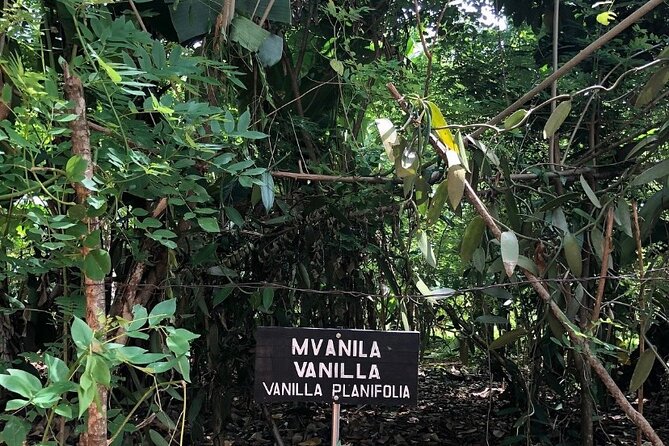
- vanilla
- Indian almonds
- plus other spice plants that grow in the area
The guide’s job is to connect those spices to what they look like and how they grow. You’ll hear the story of spices from how the plants develop through the stages of roots, stems/branches, and eventual harvest. For many people, that makes the taste make more sense. You start to connect: smell quality, form, and flavor all come from the plant and its growing conditions.
Then comes the fun part. You can taste different spices and also seasonal fruits directly from the tree if you’re interested. You’re not required to do it, but this is the kind of optional moment you’ll be glad you tried—especially if you like learning through your senses.
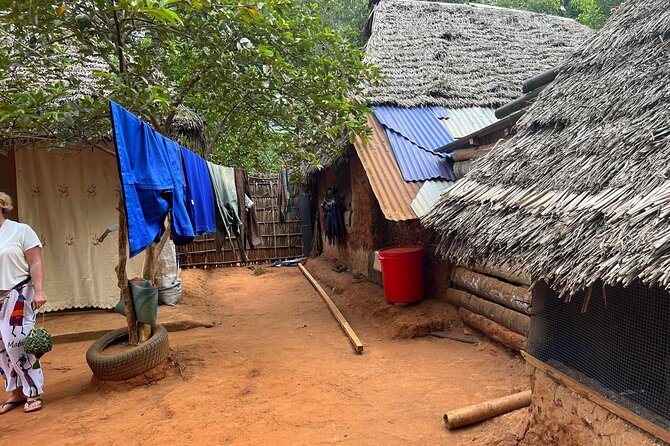
You also get a peek at local life beyond the crops. The tour includes village experiences with old and traditional houses still available in Zanzibar, and that’s valuable because it shows spices as part of a community, not just an attraction. Some spice shops are operated by villagers too, and you’ll have the chance to browse and buy if you want.
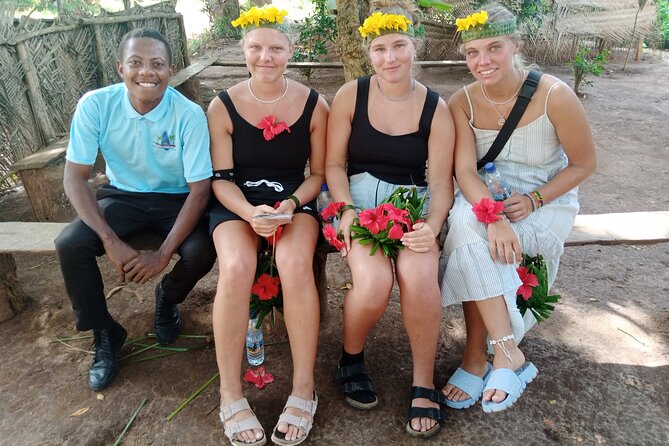
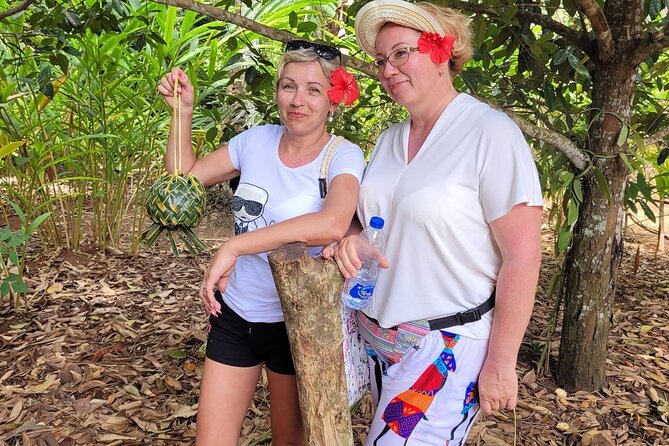
Photo-wise, you’ll have plenty of opportunities for memory shots, especially during tasting and the farm walk through the plant areas.
A quick reality check on expectations
This isn’t a long academic lecture. It’s a lively farm-and-village tour that uses plants, smells, and taste to teach. If you’re expecting a museum-style timeline with museum lighting and perfect translations, you might feel slightly underwhelmed. But if you want hands-on learning in a real working setting, it’s exactly the right format.





The guide factor: why people keep mentioning names
In Zanzibar, the guide can make or break the experience. Here, guides are a major highlight, and the patterns show up clearly in the feedback you can use to guide your own expectations.
Alfa is repeatedly praised for being both informative and approachable, with guests noting he can tailor the tour to the interests of a family of five. That flexibility matters on a spice farm because different people want different things. Some want history. Others want the plants up close. Others just want the fun part—smelling and guessing spices.
Abdul is also mentioned for being full of information and keeping the tour enjoyable. One specific detail that stands out is entertainment like a guess-the-spice style moment. That’s a smart teaching method: when you’re actively guessing, you remember more than you would by just listening.
Khalfan appears in feedback connected to the guide’s ability to explain the spices’ ties to Oman-era history in Zanzibar. Watermelon is mentioned for speaking French well. If language is important to you, this gives you confidence that the guides can work with different language needs, even if your best bet is to communicate your preference when you confirm.
How to get the most out of your guide
When you arrive, I’d do two simple things:
- Ask which spices are the most seasonal right now, since the tour mentions seasonal fruits and fresh tasting.
- If you’re into deeper context, ask how the plants connect to everyday Zanzibari cooking, not just export trade.
A good guide will shift gears quickly. This tour is set up for that kind of conversation.
Price and value: why $65 can be a smart deal
At $65 per person, this tour can feel straightforward on paper. The real question is whether what’s included saves you money versus arranging everything separately.
Inclusions that directly add value:
- round-trip hotel transfer for Stone Town hotels
- private transportation with a waiting charge
- bottled water
- professional and certified guide
- entrance fees
In practice, those items protect you from the two classic Zanzibar costs:
1) paying extra just to get to the site, and
2) paying extra for admissions.
So the $65 rate is most compelling if you’re staying in Stone Town and can use the included pickup. If you’re staying at a beach hotel, the extra $45 two-ways for transfer shifts the math. Still not terrible, but it becomes more about convenience than bargain pricing.
Lunch and souvenirs: know what’s not included
Lunch isn’t included. There’s an option for Zanzibar local food with soft drinks for $12 per person (cash) if you arrange it in advance. Souvenirs and personal spending are also on you.
My advice: if you want lunch, plan it ahead instead of hoping there’s an easy stop on the day. And if you’re buying spices, treat it like shopping in a market: compare forms and packaging and choose what you’ll actually use at home.
Timing, what to bring, and how to plan your day
The tour runs about 2 to 3 hours, so it’s a perfect slot between Stone Town wandering and dinner. It also pairs nicely with other Stone Town activities because you won’t need a full half day away from the city.
Bottled water is included, but you’ll still want to think like a farm visitor:
- wear comfortable shoes for walking
- bring sun protection (farm shade can be patchy)
- if you’re planning to buy things or add lunch, bring cash
Also, this is a private tour, but it still uses a schedule. If you’re coming from another activity, give yourself buffer time so you don’t feel rushed at pickup.
If you’re coming from a beach hotel, message in advance about the transfer. That’s not just helpful—it prevents the most common day-of frustration.
Should you book this spice farm tour?
I’d book this if you want a short, high-impact experience that connects Zanzibar’s spice story to what’s actually growing in the ground. It fits well for first-time visitors to Stone Town, families, and anyone who likes learning through senses—smell, look, and taste—rather than only through words.
I’d skip or rethink it if you’re primarily chasing a long, multi-stop itinerary or you’re on a tight budget and you’d need the beach-hotel transfer add-on. In that case, it might still be worth it for the guide-led farm experience, but do the math first.
If you’re on the fence, here’s the simplest decision tool: if you’re staying in Stone Town, this reads like a strong value because pickup, guide, and entrance are handled. If you’re on the coast, confirm the transfer cost early and decide whether you want to spend your time and money here versus using that budget for another Stone Town activity.
FAQ
How long is the Private Zanzibar Spice Farm Tour?
The tour lasts about 2 to 3 hours.
What does the tour cost?
It’s $65.00 per person.
Is the tour private?
Yes. It’s a private tour/activity, so only your group participates.
Is pickup included?
Pickup is included for hotels located in the Stone Town area, with round-trip taxi transfer included.
What if I’m staying at a beach hotel?
Taxi transfer from a beach hotel to the spice farm is not included and costs $45 two-ways. Message in advance to arrange it.
What’s included in the price?
Included are private transportation, transport waiting charge, bottled water, a professional and certified tour guide, and entrance fees, plus the included round-trip taxi transfer for Stone Town hotels.
Is lunch included?
No. Lunch is available as an optional add-on: Zanzibar local food with soft drinks for $12 per person (cash). You should message in advance to arrange it.
What type of ticket do I get?
You receive a mobile ticket.
Can I taste spices and fruits?
Yes. The tour includes tasting different spices and seasonal fruits directly from the tree if you’re interested.
What is the cancellation policy?
Free cancellation is available. You can cancel up to 24 hours in advance for a full refund. If you cancel less than 24 hours before the start time, the amount you paid is not refunded.
If you want, tell me your hotel area (Stone Town or beach) and what time of day you’d like to go, and I’ll help you pick the smoothest way to fit it into your Zanzibar plan.