REVIEW · ZANZIBAR CITY
Zanzibar: Stone Town City Tour and Spice Farm with Lunch
Book on GetYourGuide →Operated by AClass Travel · Bookable on GetYourGuide
Stone Town has a way of grabbing your attention.
This private tour pairs key sights like the Palace Museum with an organic spice farm where you can smell and taste spices right on the plants.
One thing to plan for: extra charges are handled on the ground (including cash for entrances), and pickup can be late, which can cut into your time in town.
In This Review
- Key Points at a Glance
- Stone Town Basics: How This 19th-Century City Got Its Look
- Old Slave Market Site, Anglican Church, and City Market Fish Auctions
- Palace Museum and House of Wonders (Bait-al-ajab) in Plain Sight
- Freddie Mercury’s House, Tippu Tip’s House, and the Old Fort Loop
- Peace Memorial and Natural History Museum Stops
- From Stone to Spices: Why Zanzibar Really Earned the Nickname Spice Islands
- The Organic Spice Farm Experience: Touch, Smell, Taste, Then Cook
- What you’ll do at the farm
- Lunch at the Farm and the Cash-Only Spice Shop Reality
- Price and Logistics: Is This a Good Deal?
- Who This Tour Fits Best (and Who Might Feel Frustrated)
- Practical Tips to Make Your Day Go Smooth
- Should You Book This Zanzibar Stone Town and Spice Farm Tour?
- FAQ
- Do you need to pay extra entrance fees on top of the tour price?
- Is lunch included?
- Does the tour include water?
- Is hotel pickup and drop-off included?
- What should I bring with me?
- How do I make sure pickup time is arranged?
- Can I buy spices during the tour?
- What languages are offered?
- What is the cancellation policy?
- Is there an option to pay later?
Key Points at a Glance
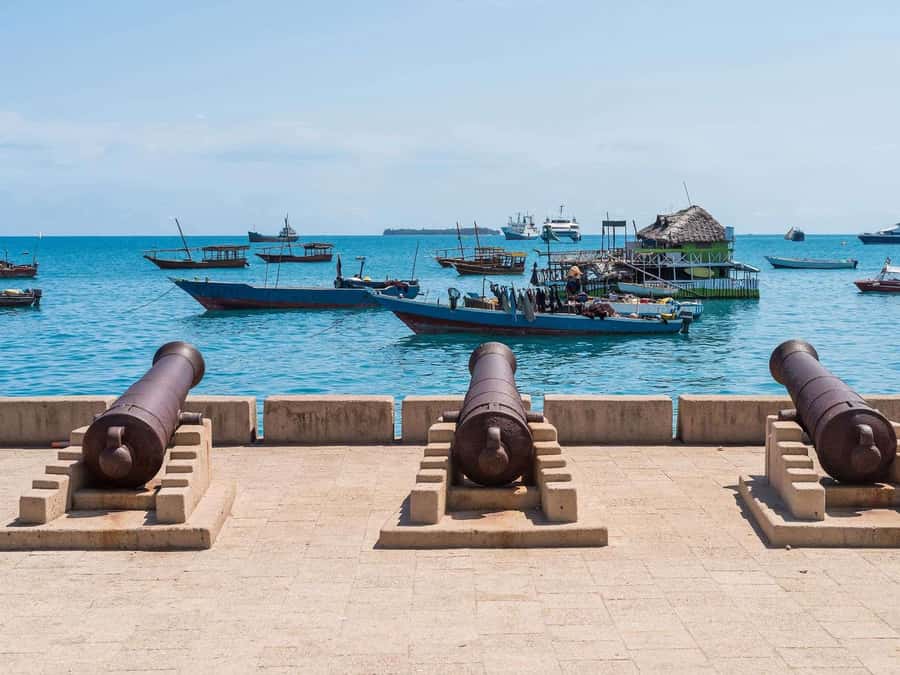
- UNESCO Stone Town landmarks in one outing: Old Fort, House of Wonders (Bait-al-ajab), Freddie Mercury’s house, and more
- City Market + fish auctions for a real look at how daily trade works
- Hands-on spice farm: touch, smell, and taste cloves, nutmeg, cinnamon, black pepper, and more
- Farm activities beyond watching: cassava leaf harvest and making coconut milk
- Fresh-from-the-source fruit: young coconuts, jackfruit, and other samples
- Lunch included, plus you can buy spices from the shop (cash only)
Stone Town Basics: How This 19th-Century City Got Its Look
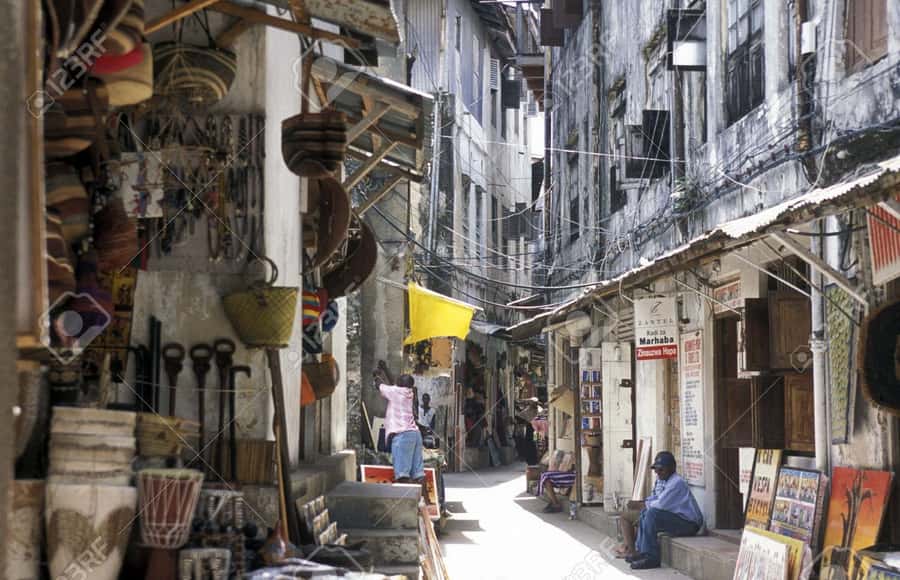
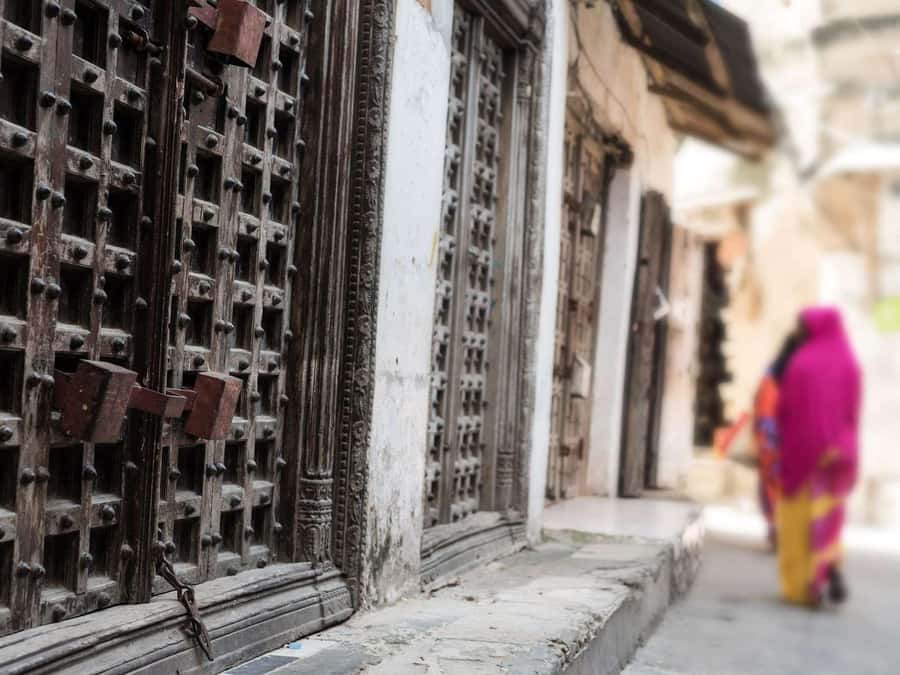
Stone Town is Zanzibar’s big-name place for a reason. The streets and buildings reflect Swahili culture mixed with Arab, Persian, Indian, and European influence, and that blend is part of what earned it UNESCO World Heritage status in 2000.
On this tour, you’re not just doing photo stops. You’re getting a guided route through some of the town’s most recognizable landmarks, with enough structure that you don’t waste time getting oriented in the maze of narrow streets. It’s ideal for a first visit, especially if you’re staying on the coast and want a day that actually covers ground.
You can also read our reviews of more tours and experiences in Zanzibar City.



Old Slave Market Site, Anglican Church, and City Market Fish Auctions
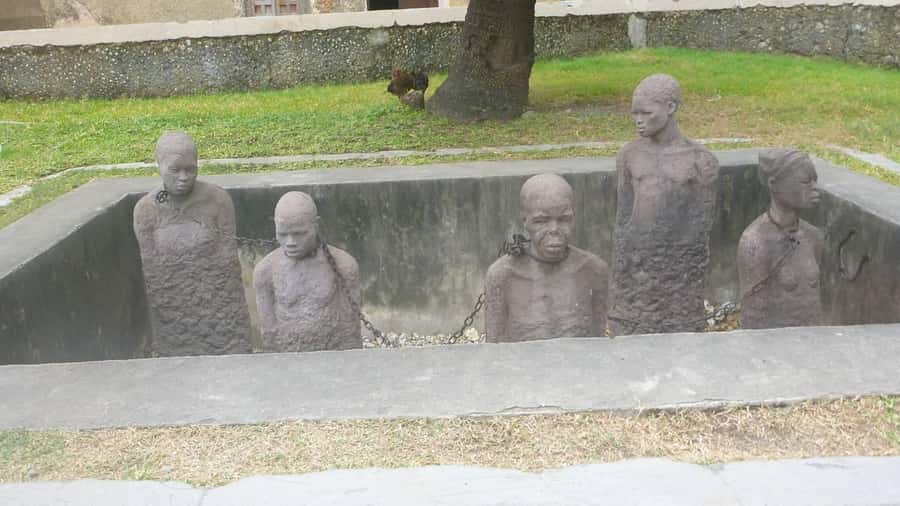
You start in the area connected to the Old Slave Market site and the Anglican Church. It’s a heavy subject, but seeing it on a guided walk helps you place what you’re looking at in the bigger story of the island.
Then you shift into the action of the City Market. This is where Stone Town feels like a working place, not a museum. You’ll pass fresh produce and get a front-row view of the fish auction. That part matters because it shows how local food systems move—who buys, who sells, and how fast everything happens.
Practical note: markets can be crowded, and timelines can get a little flexible. If your goal is lots of shopping, give yourself mental space. If your goal is photos and context, you’ll enjoy it more when you slow down at each stop instead of trying to cover everything quickly.
Palace Museum and House of Wonders (Bait-al-ajab) in Plain Sight
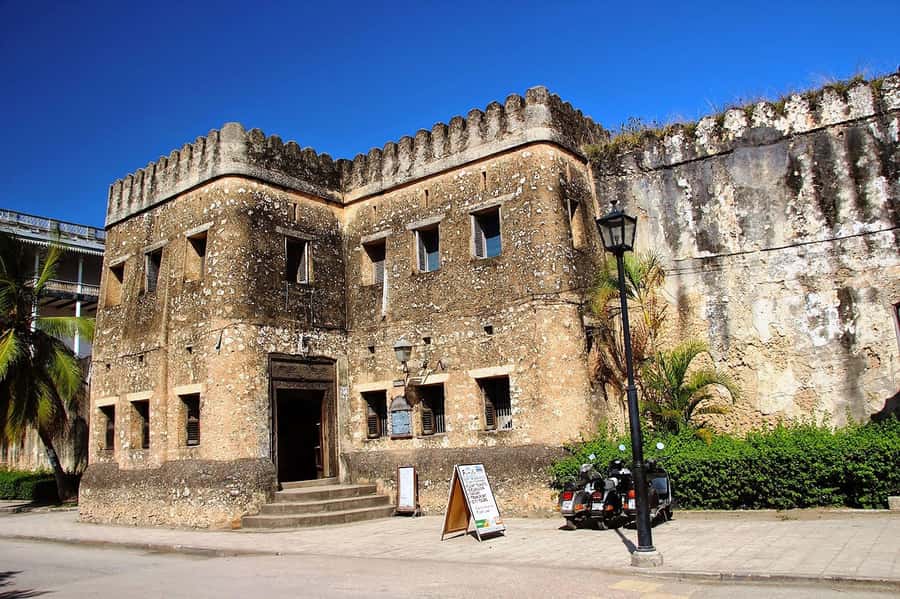
After the market, the tour focuses on Stone Town’s main buildings. Two names you’ll hear again and again are the Palace Museum and the House of Wonders (Bait-al-ajab).
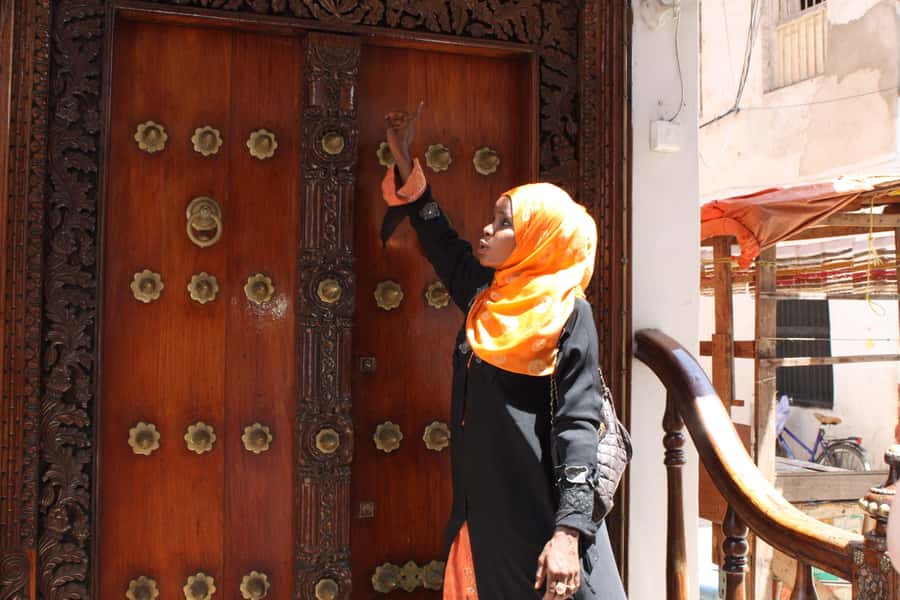
The Palace Museum is the kind of stop where you start noticing details: doorways, carvings, and the way buildings were designed to show status. Even if you’re not the museum type, it’s an easy way to understand why Stone Town’s architecture is so distinctive.
Then comes Bait-al-ajab, described as the largest and tallest building in the town. This is one of those places you can appreciate without needing an architecture degree. You get a sense of scale, and your guide can connect the building style back to the wider mix of cultures that shaped the city.
Freddie Mercury’s House, Tippu Tip’s House, and the Old Fort Loop
Stone Town has a talent for surprising you. You’ll see the famous Freddie Mercury’s house and also Tippu Tip’s House as part of the broader sightseeing run.
Tippu Tip’s name often pops up in Zanzibar conversations for historical reasons, and having it placed on your walking route helps it feel less like a random fact and more like part of how the city developed. Freddie Mercury’s house is a different flavor—modern pop-culture attached to old streets—and it gives the tour a human, memorable anchor.
You’ll also visit the Old Fort. This is where the tour adds a defensive, coastal mindset to the day. Stone Town wasn’t built in isolation. It was built for trade and for protection.
If you like your history with context (not just dates), this is a strong section of the itinerary.
Peace Memorial and Natural History Museum Stops
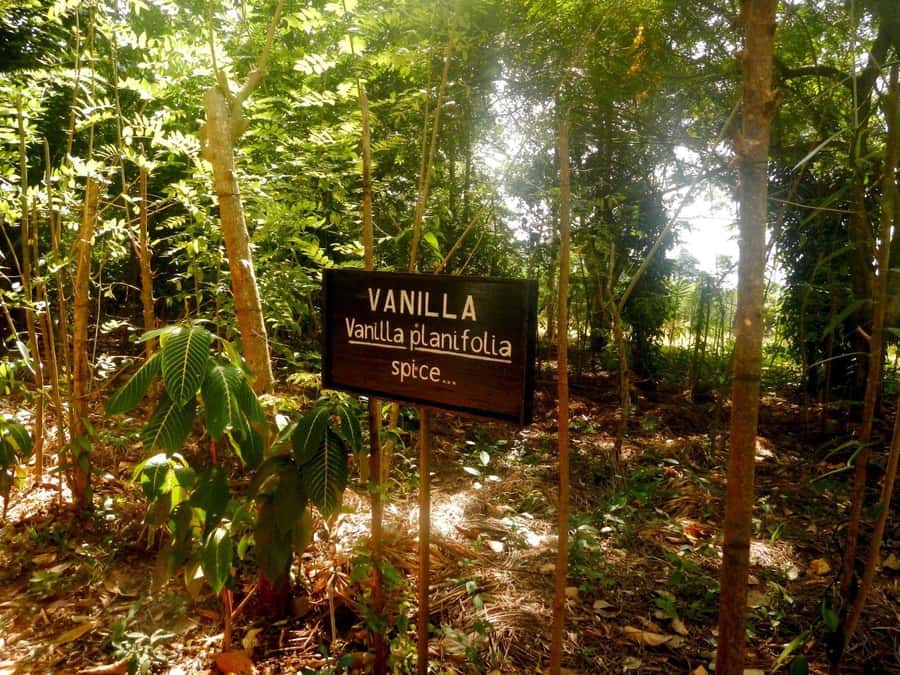
The Peace Memorial and the Natural History Museum are included as additional attractions. These stops help balance the day. After walking past sites tied to conflict and exploitation, it’s good to have points that feel more reflective.
The Natural History Museum stop is also a nice pivot back toward nature, especially since the tour later turns into a full spice experience. By the time you reach the farm, you’ll be thinking about plants, uses, and how people interact with their local environment.




From Stone to Spices: Why Zanzibar Really Earned the Nickname Spice Islands
After Stone Town, the whole tone changes. The tour shifts from streets to crops, and it does it with a clear theme: Zanzibar’s spice industry.
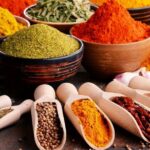
You’ll learn how the islands produce cloves, nutmeg, cinnamon, and black pepper—spices so important that Zanzibar and the Mafia Island area got the nickname Spice Islands. It’s a useful way to understand why Zanzibar mattered globally and why these plants are part of everyday life on the islands.
This part is valuable because it answers a simple question you might be carrying from Stone Town: what was the city’s engine? The spice farms are the answer.
The Organic Spice Farm Experience: Touch, Smell, Taste, Then Cook
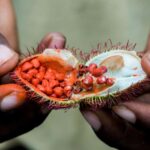
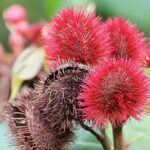
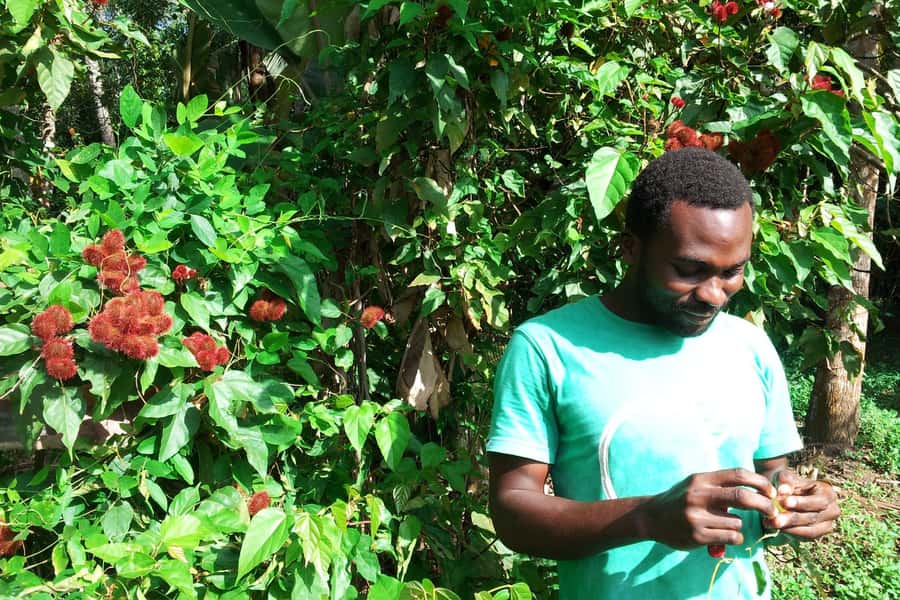
Now for the sensory part. At the organic spice farm, you’ll meet a guide who explains how these spices are grown and how they’re used in medicine and cooking. Then you don’t just watch. You handle, smell, and taste spices directly from the plants.
That hands-on format is what makes this tour worth considering over a purely sightseeing option. If you’ve ever tasted a spice and wondered why it tastes different at home, this is where you get the background. You’ll see the source plant, and your guide can connect that source to the flavors you recognize in food.
What you’ll do at the farm
You’ll also get practical, activity-based experiences such as:
- Participating in a cassava leaf harvest
- Making coconut milk
- Practicing some cooking techniques
And you’ll get to sample fruit and nuts tied to the local environment. Expect things like fresh coconuts picked straight from the tree. You’ll also sample jackfruit, noted as the largest fruit in the world. These samples are the kind of detail that turns a “tour” into a lived experience, even if you’re short on time.
One more bonus: you may see a coconut tree climber pick young coconuts for you to try. That’s not just a cool photo moment. It helps you understand how local harvest work actually happens.
Lunch at the Farm and the Cash-Only Spice Shop Reality
Lunch is included at a local restaurant tied to the farm stop. For many people, this is where the flavors click. You’ve just spent the day learning about plants; then you eat something that uses those exact spices.
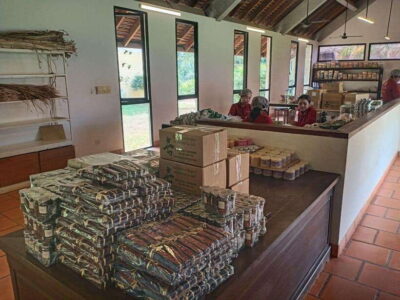
After lunch, you usually get the chance to buy spices from the farm shop. Here’s the practical rule: purchases are cash only. That matters. If you show up with no cash, you can end up enjoying the farm while leaving with empty hands.
Also, keep your eyes open for how fees are handled. The tour notes that there are additional entrance charges:
- Slave market and Spice Farm entrance: $10 per person, paid cash on the spot
So even if the tour headline price looks simple, your real budget needs a bit of cash buffer.
Price and Logistics: Is This a Good Deal?
The listed price is $32 per person, and the big value is that you’re combining two major parts of Zanzibar in one day: Stone Town’s landmark sightseeing plus a hands-on spice farm experience with lunch.
But the true value depends on whether the logistics behave. Here’s what I’d count on, based on common patterns you should be aware of:
- Pickup timing can drift. If your pickup is scheduled for earlier in the morning, build in a buffer so a late start doesn’t stress you out. When pickup runs late, the tour may end up starting later, which can reduce time in Stone Town.
- Extra cash requests can create frustration. You should expect cash payments on-site for specific entrances, and the spice shop is cash only too.
Also, tipping can come up during these kinds of tours. Some guides may talk about tipping and purchases as part of supporting the experience. The guide quality can change the feel of the day—when you get a good, patient communicator, the tour feels smooth and worth it.
One positive example from the field: a guide named Capuchino was highlighted for being patient, kind, and responsive to questions, which is exactly what you want in a day that covers a lot of walking and a lot of sensory learning.
How I’d judge the value for you:
- If you want a structured Stone Town day and you love food and plants, $32 plus the likely cash extras can feel reasonable.
- If you hate cash-based add-ons, hate schedule drift, or expect zero pressure around tips and purchases, this may feel too commercial.
Who This Tour Fits Best (and Who Might Feel Frustrated)
This tour suits you if:
- You’re seeing Stone Town for the first time and want the main landmarks without planning chaos
- You like markets and food culture, not just monuments
- You want spice knowledge that’s practical, not abstract
- You’d enjoy farm activities like coconut milk prep and cooking techniques
It may be less ideal if:
- You need strict timing for the rest of your day (ferry schedules, reservations, or anything time-sensitive)
- You prefer cashless travel. Between entrance fees and the shop, cash is part of the game here.
- You get uncomfortable when a guide mentions tips and on-site purchases. A smooth experience depends on the guide’s style.
Practical Tips to Make Your Day Go Smooth
Here’s how to set yourself up for a better Stone Town + spice farm day.
- Bring cash for the $10 per person entrance fees and for the spice shop. Cash is explicitly part of the on-site process.
- Share your hotel details clearly for pickup time. You’ll need to provide your hotel name and room number so the pickup time can be sent to you.
- Wear comfortable clothes. Stone Town streets plus farm paths means you’ll be walking and standing.
- Use the tour languages wisely. Options include English, French, German, and Italian. If language matters for you, make sure you’re aligned before you start.
- Protect your time. If you’re starting from farther out (outside Stone Town), transfers can add extra cost and travel time.
Small habit that pays off: keep your expectations practical. This is a day that mixes urban history, market life, and agriculture. If you’re open to that rhythm, you’ll enjoy it. If you’re trying to “check off” the entire town in one go, you may feel rushed.
Should You Book This Zanzibar Stone Town and Spice Farm Tour?
If you want one solid day that covers both Stone Town’s landmark core and the real spice story, this tour is a strong option. The hands-on spice farm, the farm activities, and the included lunch make it more than a quick sightseeing loop.
But book with your eyes open. Bring cash. Confirm pickup details. Give yourself buffer time so late starts don’t ruin the day. If you do those things, you’ll get a memorable combo: Stone Town landmarks in the morning mindset, then spices you can smell and taste when the day shifts to the farm.
FAQ
Do you need to pay extra entrance fees on top of the tour price?
Yes. The slave market and the spice farm entrance have an extra $10 per person cost, paid in cash on the spot.
Is lunch included?
Yes. Lunch at a local restaurant is included.
Does the tour include water?
Yes. Water is included.
Is hotel pickup and drop-off included?
It’s included if the option is selected. The tour also notes that transfers from outside Stone Town city are extra charged.
What should I bring with me?
Comfortable clothes.
How do I make sure pickup time is arranged?
Provide your hotel name and room number so the pickup time can be sent to you.
Can I buy spices during the tour?
Yes, there is a chance to purchase spices from the shop at the end, and it is cash only.
What languages are offered?
The tour is available in English, French, German, and Italian.
What is the cancellation policy?
You can cancel up to 24 hours in advance for a full refund.
Is there an option to pay later?
Yes. You can reserve & pay later, booking your spot without paying nothing today.