REVIEW · ZANZIBAR CITY
Zanzibar: Spice Farm Tour with Cooking lesson
Book on GetYourGuide →Operated by Zanturtle Explore Tours and Safaris · Bookable on GetYourGuide
A spice farm in Zanzibar sounds exotic, but this tour is practical. You start in Darajani Market, then you’ll harvest what you’ll cook, with a hands-on cooking lesson that focuses on Swahili food and the role of spices. One small heads-up: if you care a lot about your guide language, confirm it carefully before you go.
I also like that the experience works like a story you can taste. You learn where spices come from, how they’re used in Zanzibar cooking, and even the medicinal angles tied to local herbs. The one potential drawback is that it’s not a fit for everyone, especially if you have food allergies.
In This Review
- Key Things I’d Pay Attention To
- A Half-Day Spice-Farm Plan That Actually Feels Like Zanzibar
- Entering Darajani Market: Ingredients With a Local Rhythm
- The Ride to the Spice Farm: Switching From Market Smells to Farm Realities
- Harvesting Vegetables and Spices: The Hands-On Part That Changes Everything
- Spice Tasting With Tropical Fruit: Cloves, Coconut, Banana, and More
- Cooking Class With Swahili Focus and Old Coastal Methods
- Lunch, Drinks, and the Part Many Tours Skip: Actual Culture
- Price and Value: Is $66 Fair for a 5-Hour Program?
- Language and Group Size: Make It Work for Your Day
- What to Bring, What to Know, and What’s Not Allowed
- Should You Book This Spice Farm and Cooking Lesson?
Key Things I’d Pay Attention To
- Darajani Market start: learn the local way of life and buy ingredients for your class
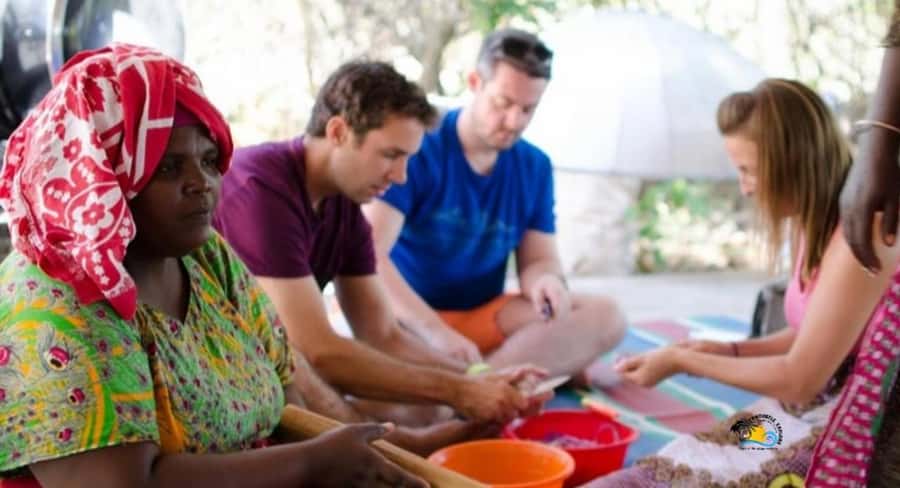
- Harvest-to-kitchen flow: you pick spices and vegetables, then cook with what you harvested
- Smell and flavor tasting: spices are experienced beyond a lecture, including cloves and fruits like coconut and banana
- Old-style cooking setup: you’ll see traditional cooking apparatuses copied from coastal days gone by
- Music and dance included: you get more than food knowledge, you get a slice of culture
A Half-Day Spice-Farm Plan That Actually Feels Like Zanzibar
This is a focused 5-hour Zanzibar experience set in Unguja South Region. The format is simple: market first, then farm, then cooking class, then lunch. That structure matters because it keeps the spice lesson grounded in real ingredients instead of turning it into a lecture you forget five minutes later.
The tour is also priced at $66 per person, which makes sense when you look at what’s bundled: hotel pickup and drop-off, guide time, entrance and conservation fees, the cooking setup, lunch and drinks, and even music and dance. You’re paying for a full half-day program, not just a quick walk in the garden.
You can also read our reviews of more tours and experiences in Zanzibar City.



Entering Darajani Market: Ingredients With a Local Rhythm

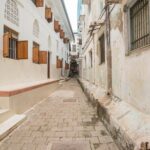
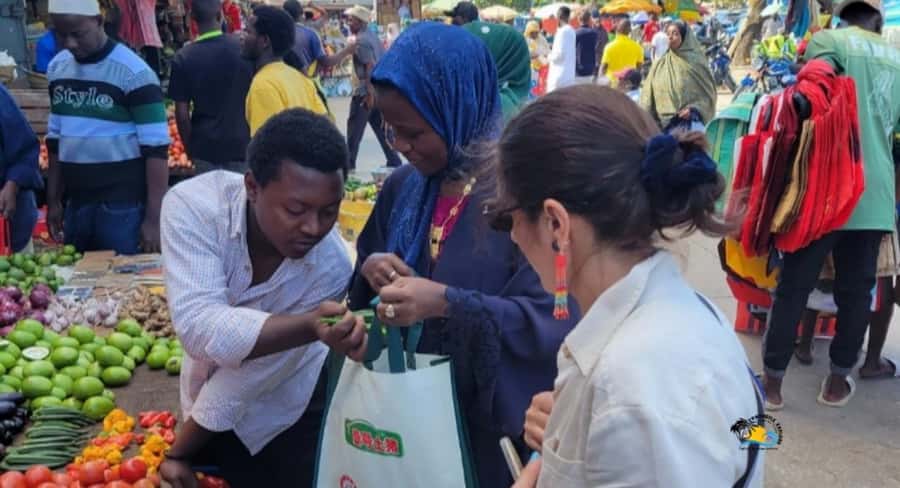
The day kicks off with a guided walk through Darajani Market. This isn’t just sightseeing. You’ll learn how locals shop and talk about ingredients, and you’ll purchase items used for your cooking lesson.
Why this matters: spices can feel abstract when you only see them in a jar at home. In the market, you see the ingredients as everyday food tools. It also helps you understand what Zanzibar cooks are designed to do: build flavor step-by-step, not just add heat at the end.
Practical note: expect some time walking and browsing. Comfortable shoes are not optional here. The market start also sets your expectations for the farm stops, because you’ll recognize what you’re about to harvest.
The Ride to the Spice Farm: Switching From Market Smells to Farm Realities
After shopping, you’ll take a public vehicle to the spice farm. This short transfer is part of the rhythm of the day. You shift from the city’s busy ingredient world into a place where spices actually grow, and where smell hits you more directly than you’d get from a store.
On arrival, you take a walking tour around the farm with your culinary expert. This is where you start connecting the dots: the plants you touched in the market become the living sources of flavor on the farm.
If you’re the type who likes photos, bring your camera. The farm walk is the best time for wide shots of the growing areas before you’re busy with harvesting and cooking.
Harvesting Vegetables and Spices: The Hands-On Part That Changes Everything
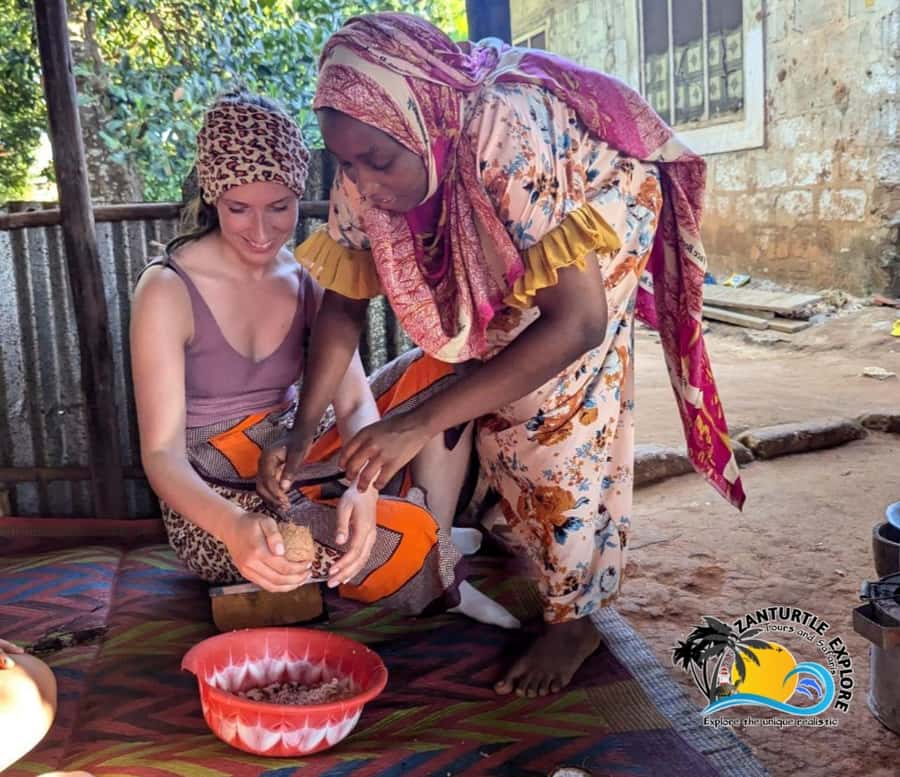
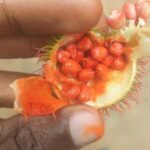
Harvest time is the heart of the tour. You’ll harvest vegetables and spices you’ll use in your cooking class. This is one of those experiences that sounds small on paper, but it changes how you experience the meal.
Picking ingredients yourself does two things:
- You remember what each one looks like in the raw stage.
- You pay attention to smell and texture when you cook, because you’ve already handled the ingredient.
You’ll also learn about the origins of spices and their importance in Zanzibar food, plus old cooking techniques. That combination is valuable. Many spice tours stop at “this is clove” or “this is nutmeg.” Here, you get the why: how spices fit into local cooking practices and what people believed about these plants over time, including medicinal uses tied to local herbs.
Spice Tasting With Tropical Fruit: Cloves, Coconut, Banana, and More
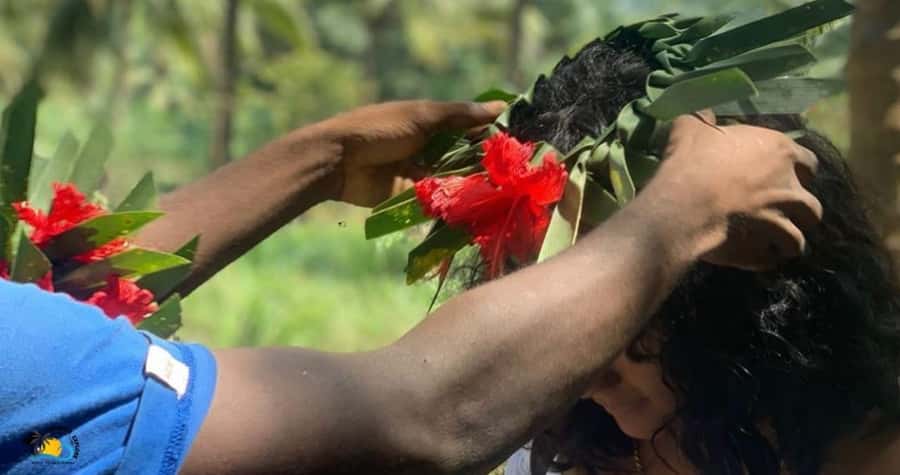
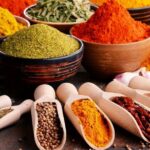
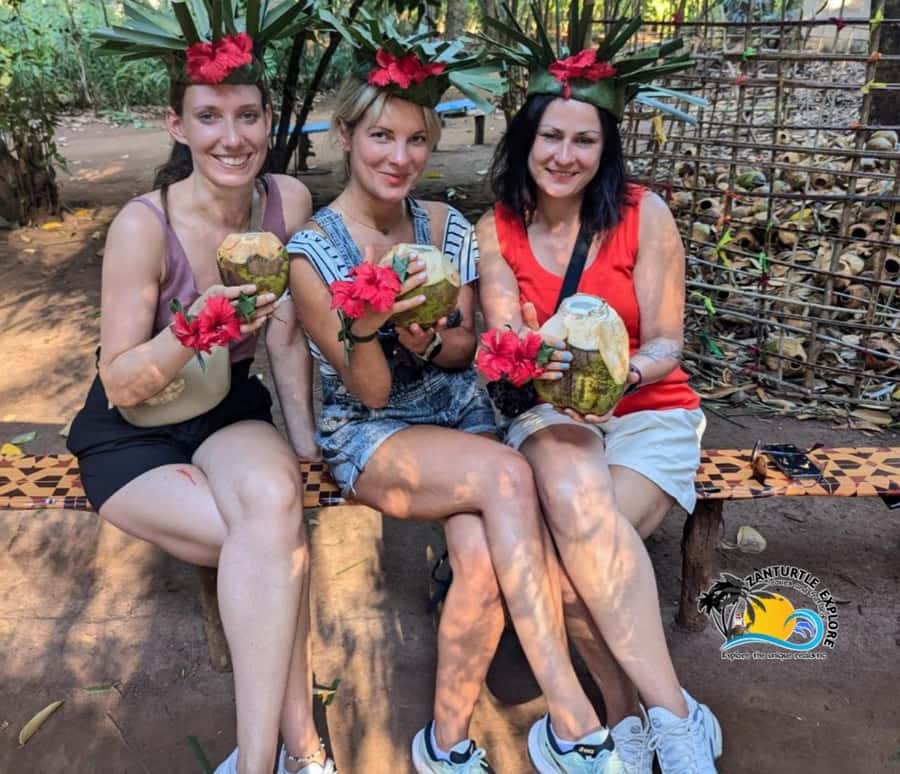
A standout moment is the tasting part. You’ll taste spices alongside fruits like coconut, watermelon, cloves, and banana. It’s a smart teaching method because it shows you that spices in Zanzibar aren’t only about savory dishes. They’re part of the overall flavor system.
Here’s what this helps you do at home:
- You learn which spices pair well with sweetness and freshness.
- You get a feel for how spices behave on the tongue, not just on the stove.
Also, the tasting includes “flavour and smell,” which matters because smell is half the experience. If you’ve ever tried a dish and thought it tasted like something you couldn’t name, this kind of sensory training can help you get closer.




Cooking Class With Swahili Focus and Old Coastal Methods
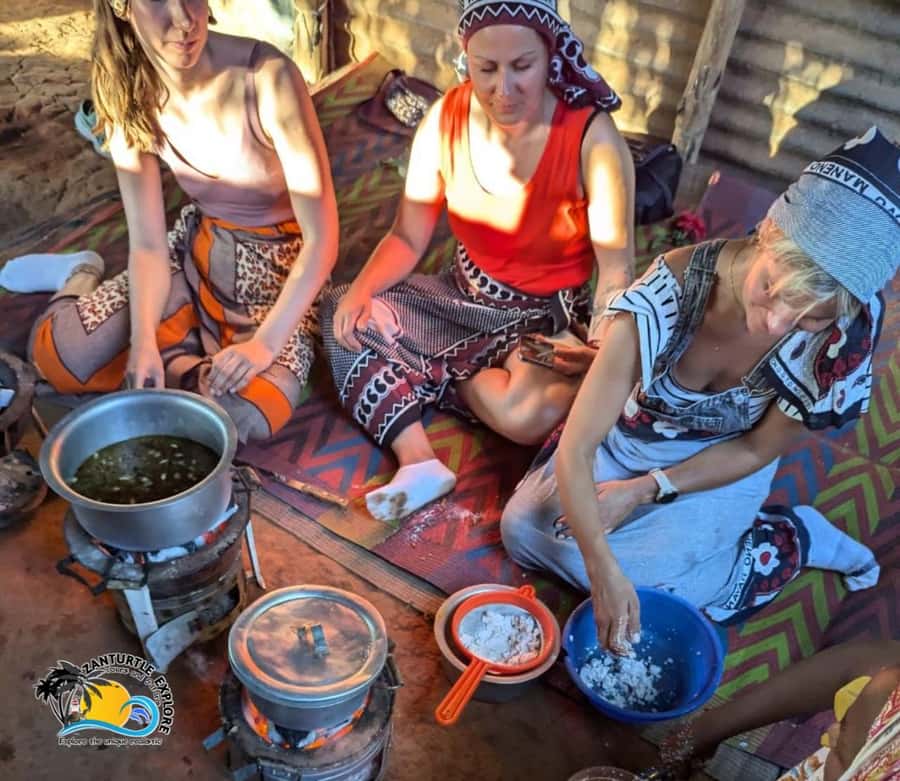
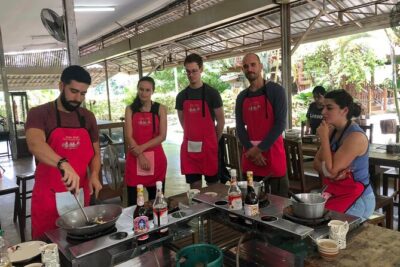
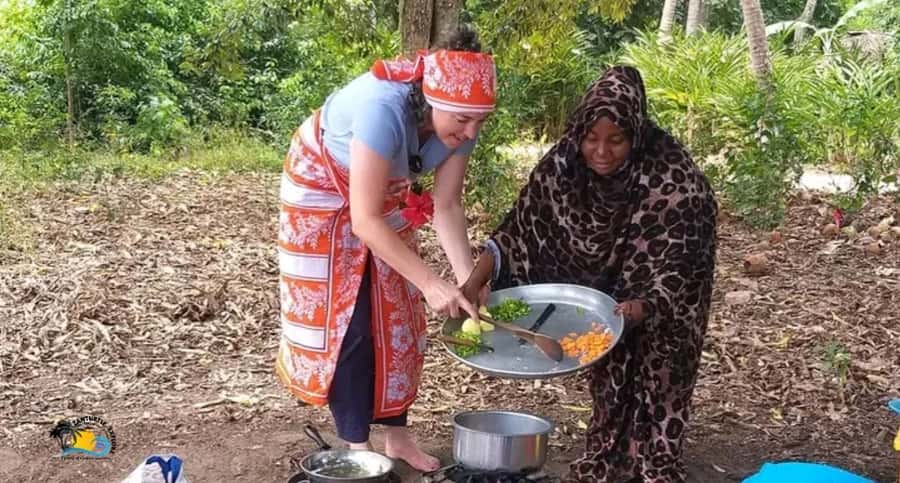
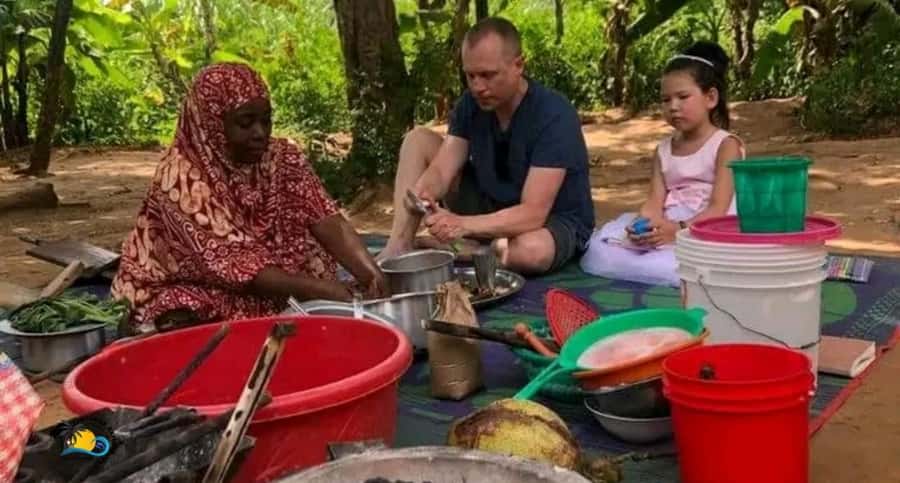
After the farm walk and harvesting, you head back to the class to cook together. This is where the tour earns its keep: you’re not only watching, you’re making a traditional Swahili meal with your chef.
You’ll also learn about the origins and importance of spices in Zanzibar cooking as you cook, and you’ll use cooking techniques described as older coastal methods. The tour even calls out the cooking apparatuses as duplicates from bygone eras, when people around the coast enjoyed food together.
Why you should care about old apparatuses: they can shape how heat and timing work. Even if you don’t replicate the equipment at home, seeing it gives you better context for why certain methods exist in Zanzibar kitchens.
What you can expect from the lesson:
- Guided cooking with a trained, friendly professional guide
- Cooking equipment provided
- A group-based class format where you actively participate
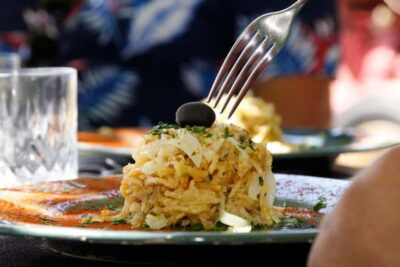
- A meal you can actually eat right after you make it
Lunch, Drinks, and the Part Many Tours Skip: Actual Culture

Lunch is included, and so are drinks with the tropical fruits you harvested. This is good value because you’re not paying extra for the meal after the farm work.
And it doesn’t end at food. Traditional music and dance are included, so you get a more complete picture of what a visit like this is like in Zanzibar beyond spices on a stick. It’s also a nice way to reset after you’ve been handling ingredients and working at the cooking station.
If your travel style is more hands-on and less museum-and-bus, this balance will suit you. You come away with knowledge, food, and a cultural moment that feels tied to the day.
Price and Value: Is $66 Fair for a 5-Hour Program?
At $66 per person for a 5-hour tour, you should evaluate value in terms of what’s built in. Here’s what you’re getting for that price:
- Hotel pickup and drop-off at any Zanzibar hotel (meet in the lobby)
- Trained guide plus entrance and conservation fees
- Darajani Market ingredient shopping
- Public vehicle transfer to the farm
- Harvesting vegetables and spices
- Spice tour with smell and flavor tasting
- Cooking class with equipment
- Lunch and drinks, including tropical fruits
- Traditional music and dance
- Buying spices and fruits as part of the experience
That’s a lot of “extras” that many similar tours charge separately. So even if you can buy spices in a shop later, you’re paying for the whole learning-and-making experience.
One thing to watch: this tour is not suitable for people with food allergies. If allergies apply, you’ll want a different plan where ingredients and cross-contact are easier to control.
Language and Group Size: Make It Work for Your Day
The tour guide speaks multiple languages, including Arabic, English, French, German, Italian, Polish, Spanish, Swahili, Russian, Portuguese. That’s a strong list on paper, and it’s usually enough for most visitors.
Still, there’s a practical consideration. If your booking is in German, English-only support is possible if language matching doesn’t go smoothly. My advice is simple: when you book, request your language clearly and double-check any confirmation message. If you’re traveling with kids, language matters more than people expect, because it affects how understandable and engaging the hands-on parts feel.
On group format: it’s described as a private group. That usually means you get more attention and less waiting around than large shared tours. For a cooking class, that can be the difference between feeling rushed and actually learning.
What to Bring, What to Know, and What’s Not Allowed
Bring:
- Comfortable shoes (you’ll walk in market and on the farm)
- A camera (farm and cooking are photo-friendly)
- Cash (the tour includes buying spices and fruits)
Know before you go:
- You can write down requests such as price preferences and special requests before making a reservation.
- Alcohol and drugs are not allowed during the activity.
And the tour is not suitable for:
- People with food allergies
If you’re sensitive to smells, take note that spice tasting is part of the experience. This isn’t a quiet tea-room lesson; it’s a sensory farm day.
Should You Book This Spice Farm and Cooking Lesson?
Book it if you want Zanzibar in a very specific way: not just looking, but touching, harvesting, smelling, and cooking. The combination of Darajani Market ingredient shopping, farm harvesting, and a Swahili meal class is what makes this worth your time.
Skip it if food allergies are part of your situation, because the tour data says it’s not suitable. Also, if language support is a must for your comfort or for kids you’re bringing, confirm your language request in advance so you don’t end up with a tour that’s harder to follow.
If you like food travel that turns into something you can repeat later, this is the kind of half-day you’ll be glad you scheduled.