REVIEW · ZANZIBAR CITY
Zanzibar: Jozani forest tour & Spice farm tour with lunch
Book on GetYourGuide →Operated by Zanzibar Home Tours & Safari · Bookable on GetYourGuide
Jozani and spices in one smooth day. I like that this tour pairs Jozani Forest (for red colobus and mangroves) with a guided spice farm walk that explains what you smell and eat, and I also like the practical touch of pickup, entrance fees, and lunch rolled into one price. The main thing to consider is that the schedule includes shopping stops at both the farm and the park, so if you want nonstop guiding, you’ll want to steer the conversation and set expectations early.
This is a full-day rhythm, not a quick photo-only outing. You’ll spend about 3 hours on the spice side (villages, farms, tasting) and about 2.5 hours in Jozani (forest trails, wildlife time, and mangrove viewing), with van time between each. You’re also in a private group, so the day can feel more like a conversation than a cattle line.
If you’re deciding between separate tours, the value here is the time saved. One tour means less coordinating and more time in the places that matter.
In This Review
- Key things that make this tour worth your time
- How the 6-hour plan really works (and where the time goes)
- Spice farm walking: herbs, village life, and how spices are actually used
- Shopping stops: plan for it, and control it
- Lunch that fits Zanzibar: pilau rice and tropical fruit
- Jozani Forest National Park: red colobus, bush babies, birds, and butterflies
- Getting photos and video
- Mangroves and “medical plants”: the science-y part, made practical
- Walking level, pace, and what to bring
- Guides and drivers: what makes the day feel fun, not just educational
- Price and value: is $110 per person fair?
- Who should book this (and who should think twice)
- Should you book this Zanzibar tour?
- FAQ
- How long is the Zanzibar Jozani forest and spice farm tour?
- What’s included in the price?
- Is pickup included from my hotel area?
- Is this tour private or shared?
- What language is the live guide?
- What will we do at the spice farm?
- What does lunch include?
- What wildlife can you see in Jozani Forest?
- Is there time for video and photos with the animals?
- Is free cancellation available?
Key things that make this tour worth your time
- Spice farm walking in real village terrain: you’re not just seeing plants behind a fence, you’re hearing how they’re grown and harvested.
- Hands-on spice knowledge: expect herbs and spices discussed for flavor and for local medicinal uses.
- Lunch that matches the theme: pilau rice plus tropical fruits keeps the day grounded in Zanzibar taste.
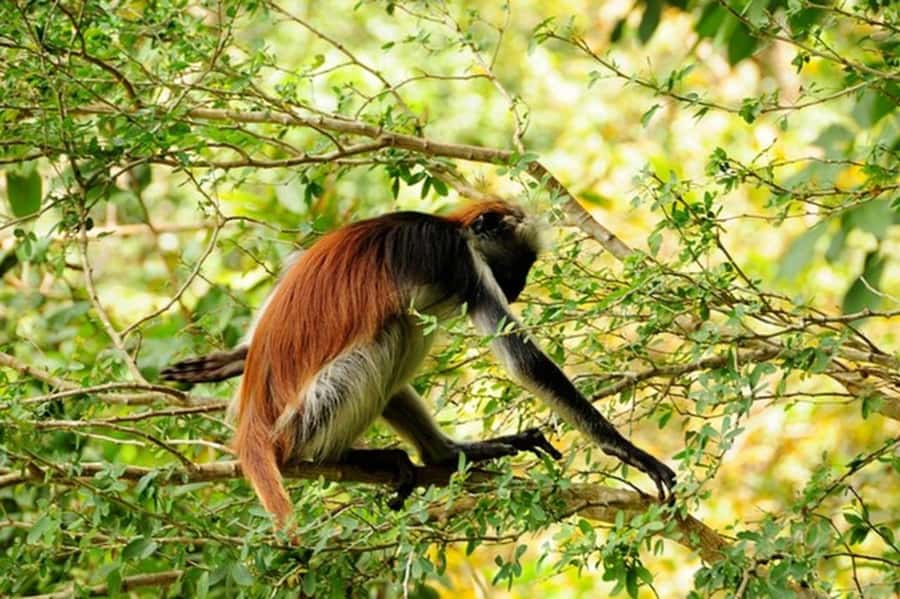
- Jozani wildlife you can actually spot: red colobus monkeys, bush babies, birds, butterflies, and more.
- Mangrove ecosystem viewing: you might see fish moving between mangrove roots and crabs around the mud.
- Private-group flexibility: guides can answer questions while you’re moving, not only during a lecture.
How the 6-hour plan really works (and where the time goes)
This is designed as a single connected day: you start with the spice farm, then you head to Jozani Forest National Park. The total duration is about 6 hours, and the van transfers take real time—so think of this as a half-day outing that’s packed, not stretched out.
Most days begin with pickup from a long list of locations across Zanzibar, including places like Stone Town and beach areas such as Nungwi, Kendwa, Jambiani, Paje, and more. That variety is a plus because it cuts down on your need to find a meeting point on your own.
Once you’re in the van, the pace is:
- Spice farm first (about 3 hours): photo stop, village and farm walk, guided explanation, lunch, and time to shop if you want it.
- Jozani after (about 2.5 hours): a guided forest visit with wildlife viewing time, then mangrove viewing.
A private group matters here. If you have questions—about farming, spices, or the animals—you’ll get more chance to ask without waiting for a big group to move.
You can also read our reviews of more tours and experiences in Zanzibar City.


Spice farm walking: herbs, village life, and how spices are actually used
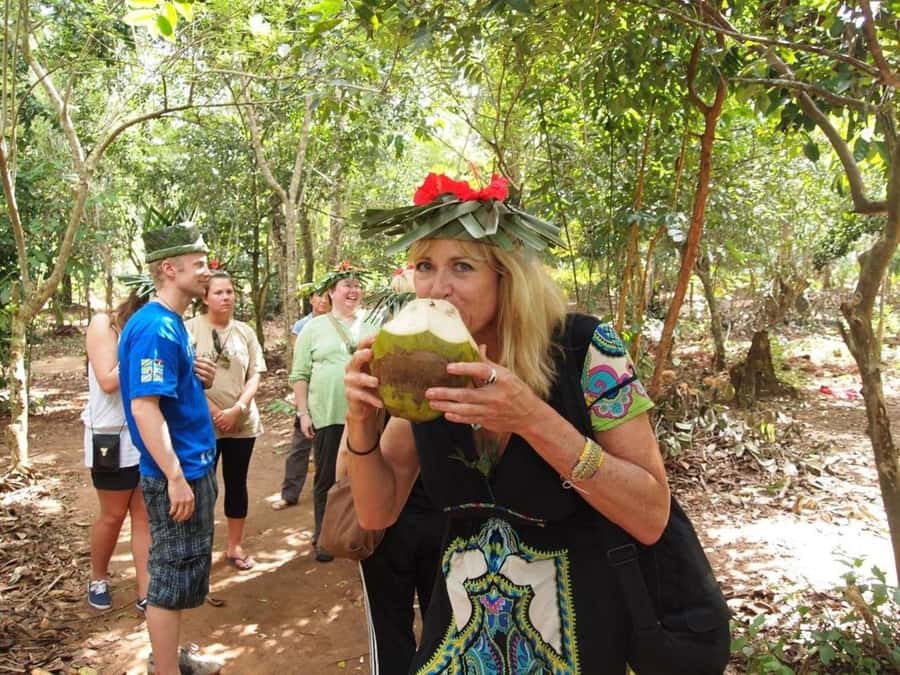
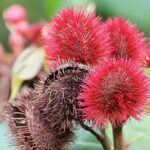
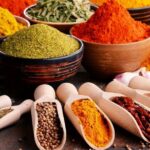
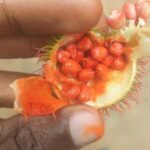
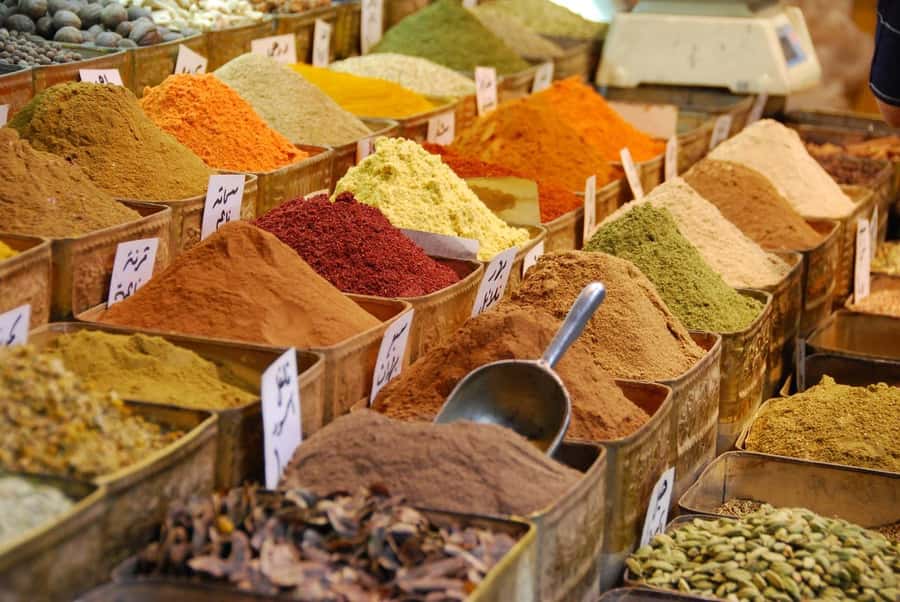
The spice farm part isn’t only a perfume-scented stroll. You’re walking through villages and farms and learning the practical side: how plants are grown, how they’re harvested, and how people in Zanzibar use them.
What I like about this format is that it connects three things you usually see separately:
1) the plant itself,
2) what it smells like in your hand, and
3) why it matters in local food and home remedies.
The tour is guided, and you’ll meet rural farmers along the way. That’s where the day gains texture. Instead of hearing only general facts, you learn how African farming methods fit into a small-scale island landscape.
During your spice walk, there’s also tasting involved. Expect a mix of fruit sampling—things like bananas, mangoes, oranges, papaya, and more. It’s a reminder that Zanzibar flavor isn’t just about spices in a jar. It’s also about what’s grown right there.
Shopping stops: plan for it, and control it
Both the spice farm and Jozani side include shopping time. That’s normal on tours, but it can feel off-balance if you’re hoping for uninterrupted guidance all the way through the farm.
Here’s how to handle it: go in with a shopping mindset, not a waiting mindset. If you want spices to take home, this is when you’ll get your best chance. If you want less shopping, you can ask your guide to keep the focus on plants and explain the differences between what you’re seeing—so you get value even when you’re near a stall.
If you’re especially photo-focused, aim to ask about the next photo moment while you’re walking, rather than pausing to shop first.
Lunch that fits Zanzibar: pilau rice and tropical fruit
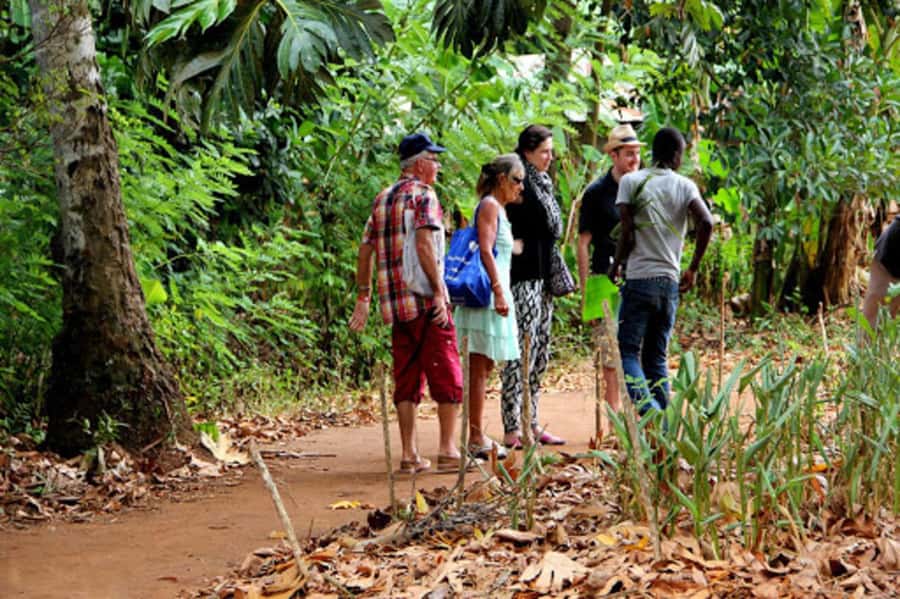
Lunch is included and it matches the theme of the day. You’ll get spiced rice (pilau) and tropical fruits. That matters because it turns the spice farm lessons into something you can taste right away.
In practice, a pilau lunch on a farm is also a useful break. You’re outdoors for hours, and you’ll likely be sweating a bit in the sun (or at least working up a thirst). The included meal is a real convenience versus stopping for food on your own later.
Also watch the timing. Because the schedule moves from farm to park after lunch, you’ll want to eat enough to stay comfortable during the Jozani walk. If you’re prone to getting tired in heat, I’d take the fruit and water seriously here.
Jozani Forest National Park: red colobus, bush babies, birds, and butterflies
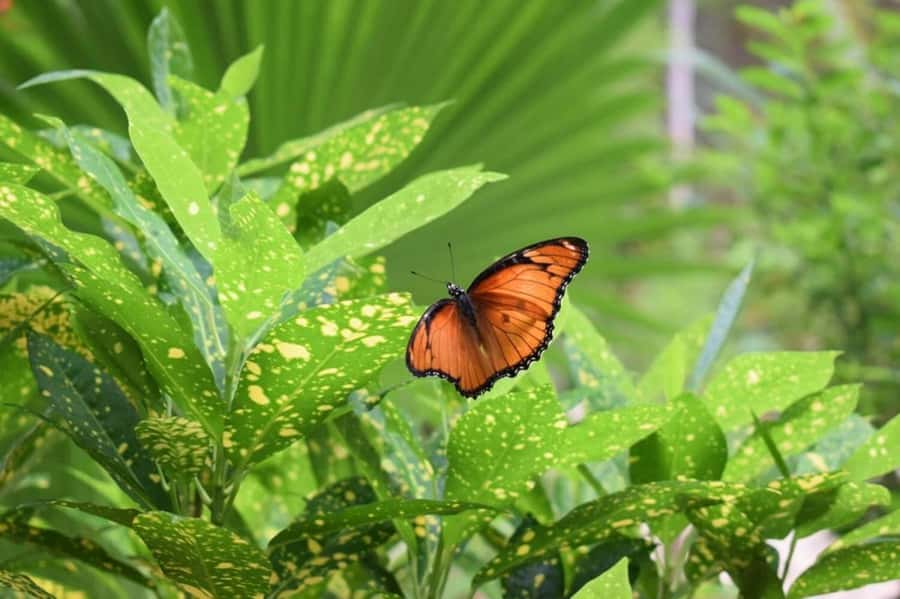
Now for the part that most people come for: Jozani Forest. This park is known for its red colobus monkeys, and the experience is built around guided forest visiting and plenty of wildlife time.
You should expect to see (or at least be actively looking for) more than one kind of animal, including:
- red colobus monkeys
- bush babies
- birds
- butterflies
A helpful detail: you don’t necessarily have to search far. In many cases, the red colobus are seen close to the more accessible areas rather than deep in a far-off trail. That’s great if you’re on a time budget.



Getting photos and video
The tour description includes time where you can take pictures and videos with the animals. That’s important because wildlife viewing is half spotting and half patience. Having time with a guide helps you position yourself and move when it makes sense.
One small caution from real-world pacing: some guides may move through plant or animal facts quickly. If you want more conversation, ask a question early and keep steering it back to what you’re seeing right now.
Mangroves and “medical plants”: the science-y part, made practical
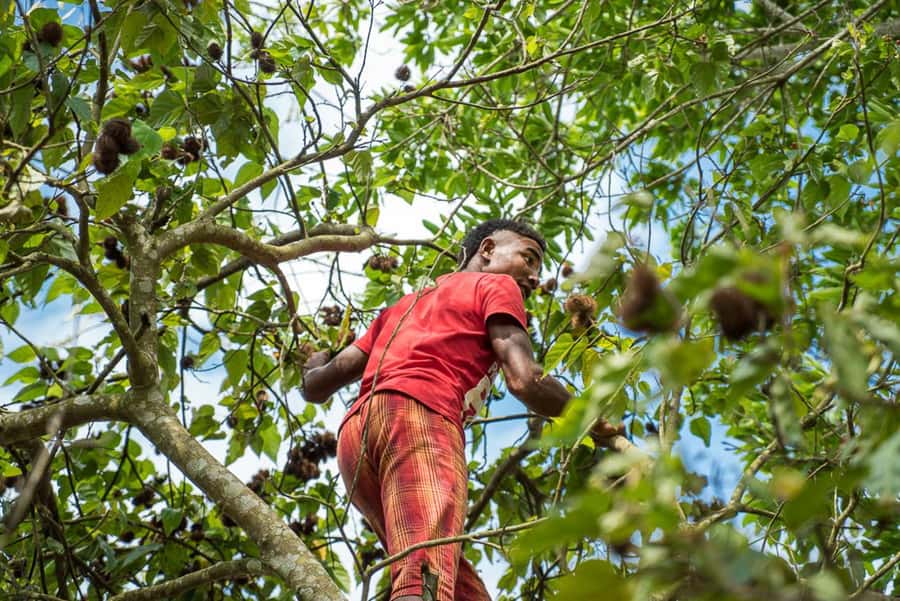
After the main forest viewing, the tour includes mangrove forest exploration. This is one of Zanzibar’s most visually different habitats. Mangroves look weird in a good way. You’re surrounded by roots, mud, and a whole ecosystem you don’t get in Europe.
In the mangrove section, you can see how the ecosystem functions:
- Indian Ocean tropical fish flitting between mangrove roots
- crabs scuttling across the mud
Then there’s the “medical plants” angle. You’ll learn about plants that are used for traditional health purposes. Even if you don’t use remedies yourself, it’s useful cultural context. It also helps you understand why the spice farm guide spends so much time talking about plant properties beyond taste.
This is the part that can feel most like learning. If you care about plant names or uses, this is where you’ll benefit from asking follow-up questions—especially about what’s edible, what’s used for flavor, and what’s used for medicine.
Walking level, pace, and what to bring
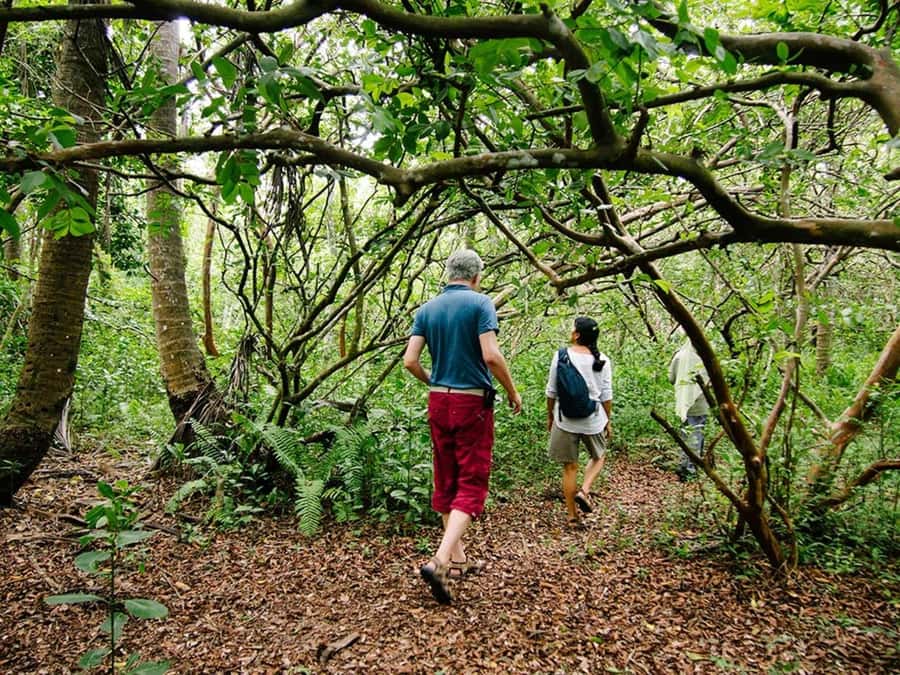
This day includes two long walk segments:
- about 3 hours on the spice farm
- about 2.5 hours in Jozani
So, even though it’s only 6 hours total, you should still treat it as a walking day. There’s standing around for wildlife too, which is a different kind of effort.
What to bring:
- sunscreen and a hat (you’ll be outdoors for hours)
- water (lunch is included, but you’ll still want hydration)
- light layers (mornings and shaded forest can feel cooler)
- bug protection if you’re sensitive to bites (forest time plus mangroves can mean more insects)
- a phone or camera with storage for wildlife photos and video
If you want the best animal viewing photos, keep your expectations realistic. Wildlife isn’t a staged show. Your best strategy is to stay calm, listen to the guide, and move only when they say it’s worth it.
Guides and drivers: what makes the day feel fun, not just educational
The quality of a day tour often comes down to two people: the driver (so you arrive relaxed) and the guide (so you understand what you’re seeing).
In the experiences tied to this tour, you’ll find drivers and guides who make the day lighter and more personal, with examples like:
- drivers named Mohammed or Isaac
- guides named Iddi or Ramadan
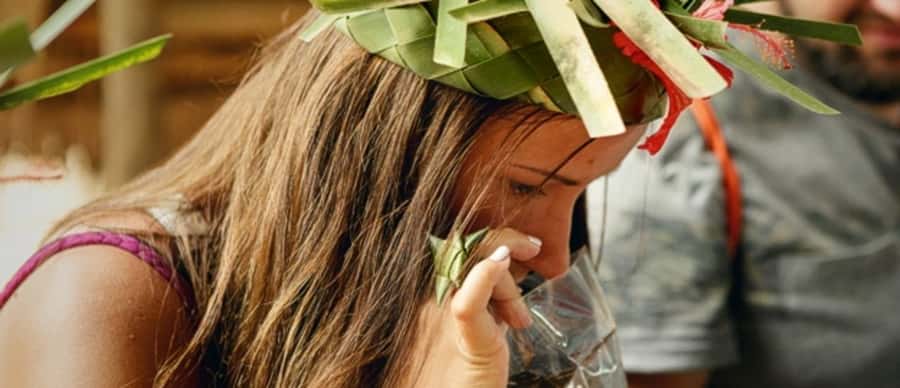
- an assistant named Mohamed who may help with leaf crafts such as palm-leaf creations (like crowns or necklaces)
Why this matters: when the guide is good, the day feels like a story. You stop thinking of it as a checklist and start noticing details—how plants are handled, how mangroves function, and why certain animals get attention here.
Price and value: is $110 per person fair?
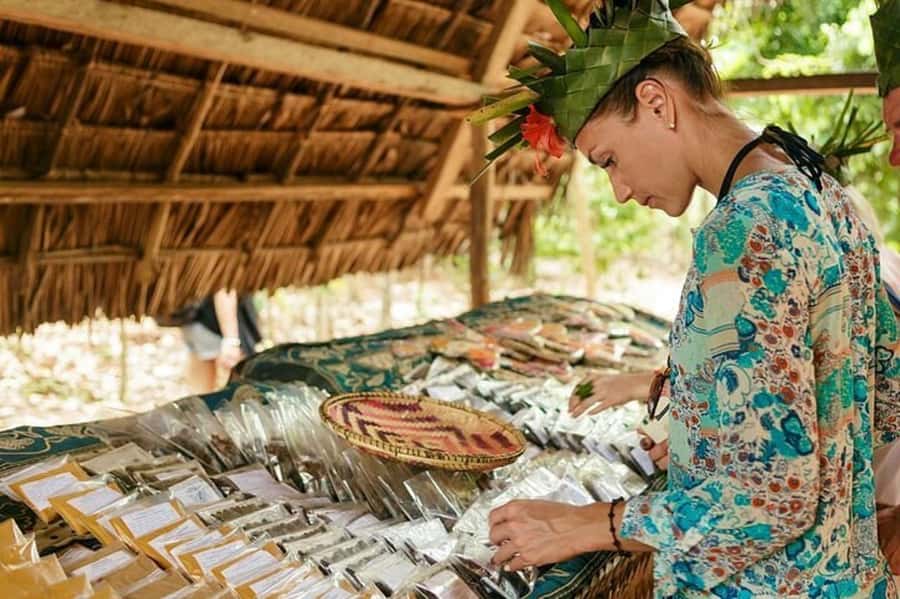
At $110 per person for a 6-hour private-group outing, the key value points are what’s included. You’re not just paying for a guide’s time—you’re paying for:
- transport with hotel pickup and drop-off
- entrance fees / tickets
- lunch
- Zanzibar fruits
- a local guide for both the spice and Jozani parts
If you were booking spice farm and Jozani separately, you’d likely spend more time coordinating, and you might end up paying for each entrance and each transport leg on top. This package format is the appeal: one day, two core experiences, and fewer logistics headaches.
Where the price can feel less “worth it” is if you dislike the shopping side of tours. Since shopping is part of the farm and park flow, you’ll want to decide in advance how much time and money you’re comfortable spending. If you’re not into souvenirs at all, focus on plants, food, photos, and questions—so the experience still pays off.
Who should book this (and who should think twice)
This tour is a strong fit if you want:
- one day that covers both spices and nature
- guided interpretation, not just walking around on your own
- chances to see red colobus monkeys and explore mangroves
- included lunch (pilau) and fruit tasting
It’s also a good choice for people staying anywhere from beach areas to Stone Town, since pickup options are broad.
Think twice if you:
- hate any shopping stops and want a strictly sightseeing-only day
- get impatient with guides who speak fast (ask questions early to keep the pace comfortable)
- want the longest, most relaxed wildlife immersion (this is a shorter, structured day)
Should you book this Zanzibar tour?
If your goal is a single, efficient Zanzibar day that hits both Jozani Forest wildlife and a spice farm education with an included pilau lunch, I’d say it’s a smart booking. The real win is the pairing: spices on land and mangroves in the park, plus food and fruit that tie it together.
Book it if you want a guided day that’s easy on logistics and still feels authentic. Just go in knowing there’s some shopping time, and you’ll get the most out of it by keeping the focus on the plants, the animals, and the reasons behind both.
FAQ
How long is the Zanzibar Jozani forest and spice farm tour?
The duration is listed as 6 hours.
What’s included in the price?
The tour includes a local tour guide, transport with hotel pickup and drop-off, entrance fees (tickets), lunch, and Zanzibar fruits.
Is pickup included from my hotel area?
Yes. Pickup and drop-off are included, with service listed from 14 pickup locations and 14 drop-off locations across Zanzibar.
Is this tour private or shared?
It’s described as a private group tour.
What language is the live guide?
The live tour guide is listed as English.
What will we do at the spice farm?
You’ll do a guided spice farm visit and walk through villages and spice farms, with details on how spices are grown and harvested and how they’re used, plus photo stops and time for lunch and shopping.
What does lunch include?
Lunch includes spiced rice (pilau) and tropical fruits.
What wildlife can you see in Jozani Forest?
The tour focuses on red colobus monkeys, and it also mentions bush babies, birds, butterflies, and other animals you may encounter during the guided visit.
Is there time for video and photos with the animals?
Yes. The tour description says you’ll be able to take video and pictures during the Jozani forest part.
Is free cancellation available?
Yes. Free cancellation is offered if you cancel up to 24 hours in advance for a full refund.