REVIEW · SIEM REAP
Traditional Khmer Water Blessing by Monk and Lotus Farm Visit
Book on Viator →Operated by CWE Travel · Bookable on Viator
A monk, a blessing, and lotus fields. This short Siem Reap outing combines a traditional Khmer water blessing with a temple education and a look at lotus farming near Tonle Sap. One highlight is the monk’s chanting and the holy-water sprinkling or pouring over you. Another is how the day is stitched together with real local stops, from the old market snack to the lotus ponds.
A single consideration: you should expect to get wet during the blessing and you’ll change clothes afterward, so wear something comfortable and easy to swap.
I also like that the group stays small, with a maximum size of 15, so the visit doesn’t feel like a cattle line. And you’re not left guessing about what you’re seeing—your local English-speaking guide explains each stop’s meaning as you go. Still, because it’s tied to temple routines and outdoor lotus views, this experience does require good weather.
In This Review
- Key Points at a Glance
- What a Khmer Water Blessing Actually Is
- The Day’s Flow: A Compact 3–4 Hours That Stays Focused
- Royal Residence Stop: Phreah Ang Chek and Phreah Ang Chom
- Psar Chaa Old Market Snack: Fried Banana and Sweet Potato
- Lotus Farm Visit Near Tonle Sap Lake
- Wat Po Banteaychey: Temple Structure Before the Water
- After the Blessing: Changing Clothes and a Pagoda-Walk Window
- Price and Value: Why $70 Can Make Sense Here
- Who This Tour Fits Best (And Who Might Reconsider)
- Notes on Guides: The Difference Is in the Story
- Should You Book Traditional Khmer Water Blessing and Lotus Farm Visit?
- FAQ
- How long is the Traditional Khmer Water Blessing and Lotus Farm visit?
- Is hotel pickup included?
- What size is the group?
- What’s included in the $70 price?
- What happens if the weather is bad?
- Can I cancel for a full refund?
Key Points at a Glance
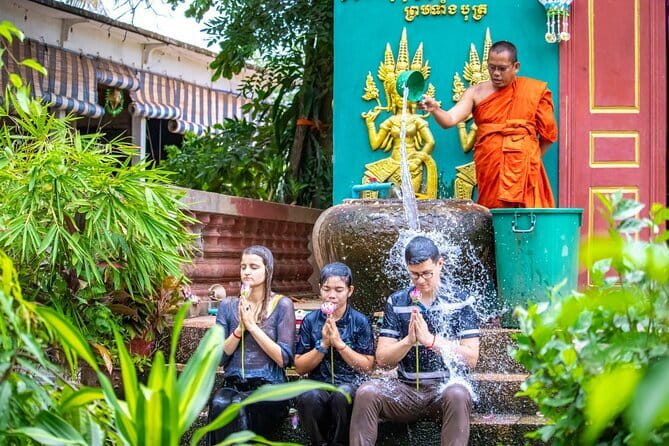
- Monk-led holy water ritual where you can make wishes for good fortune, pleasure, or health
- Small-group feel with a maximum of 15 people
- Real-food moment at Psar Chaa old market: fried banana and sweet potato
- Lotus farm visit with views from the road toward Tonle Sap Lake
- Temple context first at Wat Po Banteaychey before the blessing happens
- Included extras that matter like cold water, local snacks, and tuk-tuk transport
What a Khmer Water Blessing Actually Is
In Buddhist Cambodia, water has symbolic power. Here, the ritual centers on a monk chanting while holy water is sprinkled or poured over you. The guide frames it as a wish moment too—think good fortune, pleasure, or health. It’s not a performance in the usual tourist sense. It’s a spiritual practice where you’re part of the action, not just watching from the sidelines.
What makes this version work is timing and preparation. Before the water blessing, you get context about Buddhist beliefs and how a local temple is organized. That prep changes how you experience the chanting and the water: you’re not translating the moment in your head after the fact.
You can also read our reviews of more tours and experiences in Siem Reap.
The Day’s Flow: A Compact 3–4 Hours That Stays Focused
This is a 3 to 4 hour experience, which is a big deal in Siem Reap. You get a full spiritual-and-food-and-farm arc without stealing an entire day from Angkor plans. It also helps if you’re traveling with limited time between temple visits.
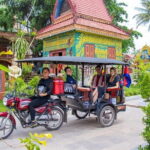
You’ll travel by tuk-tuk style remork, and that choice isn’t just cute. A tuk-tuk pace makes the in-between moments—like seeing lotus fields from the road—feel like part of the trip, not a chore. The tour also includes cold water and local snacks, which helps keep the day comfortable even when you’re out in the sun.
Royal Residence Stop: Phreah Ang Chek and Phreah Ang Chom
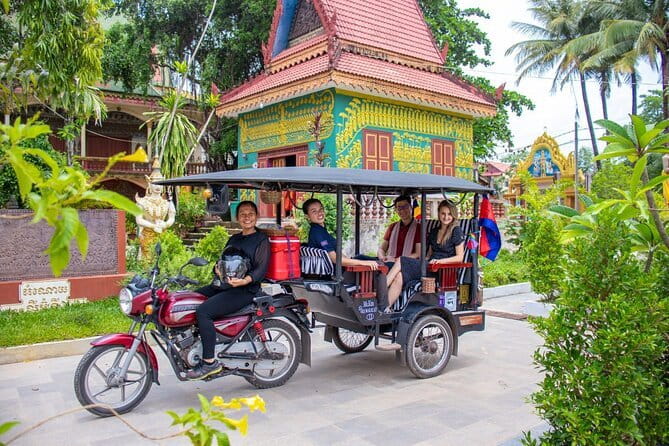
You start with pickup from your hotel. Then you head to the Royal Residence and its spiritual house, listed as Phreah Ang Chek, Phreah Ang Chom. This stop sets a tone: the day isn’t only about one ritual. It’s also about understanding sacred spaces in Cambodian life.
The guide takes you through the site and explains what you’re seeing. Even if you don’t read every sign (and you won’t), you’ll leave this section with a clearer idea of how spirituality shows up in architecture and place, not just in temples. Expect about 30 minutes here—enough for context, without dragging.
Psar Chaa Old Market Snack: Fried Banana and Sweet Potato
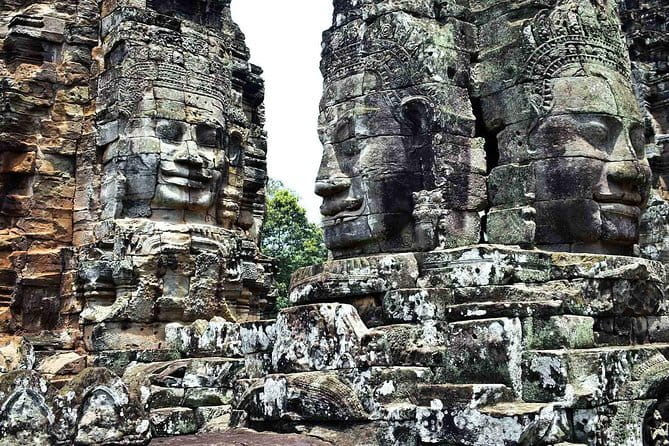
Next comes Psar Chaa, the old market. This is quick—around 5 minutes—but it’s a smart break. You meet a long-running fried banana business owner in town (the business has been open for more than 20 years), and you get to try fried banana and sweet potato as a first snack.
Why I like this stop: it grounds the ritual day in everyday life. Lotus and temples are spiritual, sure—but Cambodia’s culture is also food, routine, and the small businesses that survive through decades. This tiny taste stop keeps the day human.
Lotus Farm Visit Near Tonle Sap Lake
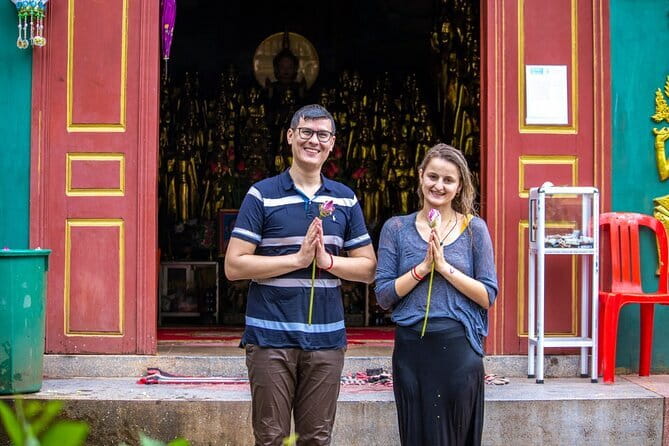
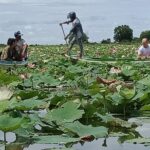
After the market snack, you head toward the lotus farm. The route is part of the experience: you’ll already see lotus ponds and fields along the road leading toward Tonle Sap Lake. Then you arrive for about 30 minutes at the lotus farm.
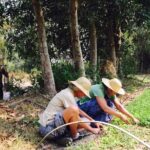
Here’s what to pay attention to. Instead of only looking, you’ll hear about farming and harvesting practices from your guide. You’re not studying for an agriculture exam, but learning a bit about how lotus ponds are managed makes the scenery make sense. Lotus isn’t just a pretty flower in a postcard—it’s part of local work and seasonal cycles.
This stop is also a nice change of pace from temples. Even if you’re a photo person, you’ll get more value if you treat it like a “question and answer” moment: ask how lotus fits into daily life and local beliefs, and let your guide connect it back to what’s coming next at the temple.

Wat Po Banteaychey: Temple Structure Before the Water
Before the blessing, you go to Wat Po Banteaychey. This is where the tour starts teaching you how to look.
You’ll learn about Buddhist belief, the role and structure of a local temple, and activities at the temple. That matters because the water blessing isn’t random. Once you understand the temple layout and purpose, the ritual feels more like a continuation of a bigger system of practices—chanting, offerings, and community tradition—rather than a standalone event.
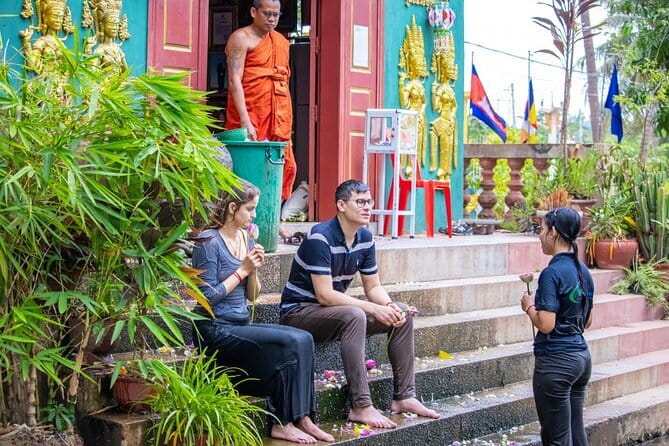
Then you move into the blessing moment itself. The monk chants, and the holy water is sprinkled or poured. The tour includes monk offering and donations, so you’re not just participating physically—you’re also part of the respectful flow of the ritual.
After the Blessing: Changing Clothes and a Pagoda-Walk Window
Once the water blessing is done, the tour asks you to change your clothes. That’s not a minor detail. It’s your practical heads-up that the ritual involves water and may leave you feeling damp. Wear something comfortable enough to remove and put back on quickly, and bring any items you need so you don’t feel rushed.
After you change, you get time to wander the pagoda area for about 30 minutes. This is your chance to connect what you heard earlier with what you see in front of you. Don’t be shy about asking your guide questions at this point—they’re there to help.
Price and Value: Why $70 Can Make Sense Here
At $70, this isn’t a budget throwaway tour, but it also isn’t priced like a high-end private experience. The value comes from the mix of things you get for that price:
- Local English-speaking guide who explains each stop
- Transportation by tuk-tuk style remork
- Cold water and local snacks
- Monk offering and donations as part of the ritual flow
- Lotus farm entrance fee included
If you were to book the same day yourself—guide time, temple context, transportation, snacks, and paid entries—the total typically climbs fast. The tour also avoids a common hassle factor: you don’t have to stitch together multiple moving parts. You get a guided structure in a compact time window.
Also, the small group size (maximum 15) adds value. You’re more likely to get your questions answered and move at a human pace.
Who This Tour Fits Best (And Who Might Reconsider)
This is a great fit if you want more than photos at temples. If you like rituals but also want the meaning behind them, you’ll probably enjoy the temple prep at Wat Po Banteaychey and the step-by-step explanation throughout the day.
It’s also a good match if you enjoy learning through everyday stops. The fried banana and sweet potato snack at Psar Chaa adds a local touch that keeps the tour from feeling purely ceremonial.
Consider skipping (or at least think it through) if you dislike getting wet during activities. The blessing involves holy water, and the tour includes a clothing change afterward, so you should plan your outfit accordingly. Finally, this experience requires good weather, so you’ll want flexibility.
Notes on Guides: The Difference Is in the Story
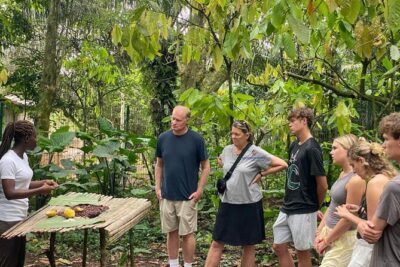
One thing that really stood out from the experience is how much the guides connect you to place. In the accounts I saw, guides like Hong and Bo were praised for sharing culture and answering questions about Buddhism and day-to-day temple life. That kind of personal storytelling can turn a “watch a ritual” moment into a real understanding moment.
You can’t guarantee which guide you’ll get, but this tour’s structure is built for conversation: you’ll have multiple stops where questions make sense, not just a single scripted moment at the monk.
Should You Book Traditional Khmer Water Blessing and Lotus Farm Visit?
Yes—if you want a spiritually meaningful Siem Reap experience that still feels practical and time-efficient. For $70, you get a structured day with transport, snacks, temple context, a monk-led water blessing, and a lotus farm visit with Tonle Sap-area views. The small group size also helps it feel calm rather than rushed.
Before you book, do two things:
- Pick an outfit that can handle being damp and that you can change out of comfortably afterward.
- Keep an eye on weather and be ready to reschedule if conditions are poor.
If that sounds like your kind of day, this is one of the better ways to understand Cambodian spirituality without sacrificing your time in Siem Reap.
FAQ
How long is the Traditional Khmer Water Blessing and Lotus Farm visit?
It runs about 3 to 4 hours.
Is hotel pickup included?
Yes. Hotel pick-up is offered, and the exact time depends on where you’re staying.
What size is the group?
The experience has a maximum of 15 travelers.
What’s included in the $70 price?
Included are a local English-speaking guide, transportation with a remork (tuk-tuk), cold water and local snacks, monk offering and donations, and the lotus farm entrance fee.
What happens if the weather is bad?
This experience requires good weather. If it’s canceled due to poor weather, you’ll be offered a different date or a full refund.
Can I cancel for a full refund?
Yes. You can cancel up to 24 hours in advance for a full refund. If you cancel less than 24 hours before the start time, it isn’t refunded.