REVIEW · SIEM REAP
Angkor Silk Farm & Lotus Silk Farm: Siem Reap Discovery Tour
Book on GetYourGuide →Operated by Savin Lotus Shop · Bookable on GetYourGuide
Two silks, one Siem Reap lesson. This 4-hour tour links Angkor Silk Farm and Lotus Silk Farm so you can see how Khmer textile traditions move from silkworms to sustainable lotus fiber. I love the clear, step-by-step production stories, and I also like how it doesn’t just show finished fabric. It shows the work behind it, with live demonstrations and time at both farm boutiques.
What I really like most is the dual focus. You start with the full silkworm life cycle and then you watch weaving on traditional wooden looms. Later, you get lotus fiber extraction and you see how the lotus approach ties to local jobs for women.
One possible drawback: you’re spending most of the day moving between two rural stops, so plan for sun and heat, and keep expectations realistic about shopping time at each farm.
In This Review
- Key points to know before you go
- Two Farm Stop: Why Cambodian Silk Looks Different in Siem Reap
- Biolab Café Pickup: Start Easy, No Hotel Hassles
- Angkor Silk Farm: Silkworm Life Cycle and Wooden Loom Craft
- The Drive Between Farms: Scenic Countryside Without Extra Detours
- Lotus Silk Farm by Samatoa: Lotus Fiber Extraction and Social Impact
- Shopping at the Boutiques: How to Buy Without Getting Blindsided
- Price and Timing: Is $25 for 4 Hours Good Value?
- Who This Tour Suits Best (and Who Might Want Another Option)
- Should You Book This Siem Reap Silk Tour?
- FAQ
- How long is the Siem Reap Discovery Tour?
- Where do I meet for the tour?
- Does the tour include hotel pickup and drop-off?
- What’s included in the price?
- Can I buy items at the farms?
- What languages are the guides?
Key points to know before you go
- Angkor + Lotus, side by side: compare two different fiber stories in one morning.
- Hands-on demonstrations: silkworm stages, thread extraction, and weaving techniques on wooden looms.
- Ethical social enterprises: your purchases support programs empowering local women.
- Complimentary lotus tea and biscuits: a small rest that also fits the theme.
- Down-town meeting spot: easy start at Biolab Café, with departures at 8:30 AM and 10:00 AM.
- Cameras welcome: multiple photo opportunities at both farms.
Two Farm Stop: Why Cambodian Silk Looks Different in Siem Reap
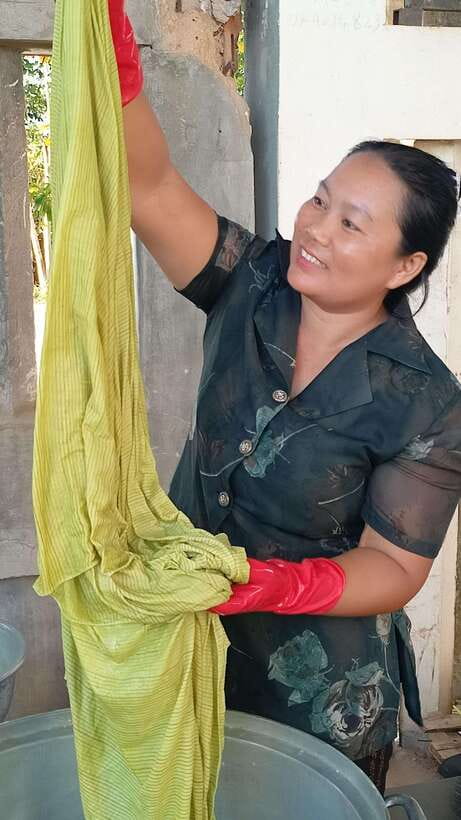
This tour is a smart way to understand Cambodian textile craft without getting stuck in just one style. One farm focuses on classic silk production, the other on a more unusual fiber source: lotus stems. Seeing them in sequence helps you notice how tradition can adapt while still keeping the same idea at the center: careful, time-intensive work.
I also like the pacing. You get guided time to learn, then a short window to browse. It feels like you’re learning the system first, and only then deciding what you want to take home.
If you’re the kind of person who likes your souvenirs with a story, this is made for you. If you only want a quick photo stop, you might feel it’s slightly more “workshop” than “show.”
You can also read our reviews of more tours and experiences in Siem Reap.

Biolab Café Pickup: Start Easy, No Hotel Hassles
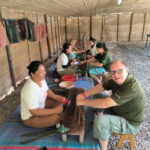
You’ll meet at Biolab Café in downtown Siem Reap. The setup is low-stress: an air-conditioned waiting area, clean restrooms, seating, and even free WiFi while you wait.
The tour runs from the café, not from your hotel. That matters if you’re staying outside downtown. Build in time to get to Biolab Café on your own, then you’re set.
You’ll want to arrive about 10 minutes early. The guide and driver are ready to roll once you’re checked in, and the tour timing stays tight so you can still cover both farms in four hours total (including travel between them).
Angkor Silk Farm: Silkworm Life Cycle and Wooden Loom Craft
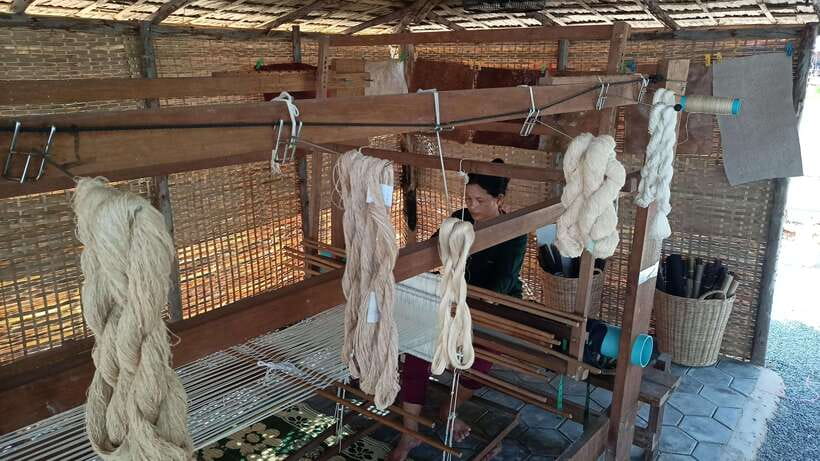
Angkor Silk Farm is where the story starts at the source. You begin with traditional silk production, from mulberry cultivation through to silkworm cocoons and then thread extraction. It’s not just facts on a label. You’re shown the stages so the process makes sense, even if you’ve never thought about silk before.
I like that you’re not only watching machines or finished textiles. You’re learning about living steps: how silkworms grow and how cocoons become usable fiber. That makes the final fabric feel earned, not purchased off a rack.
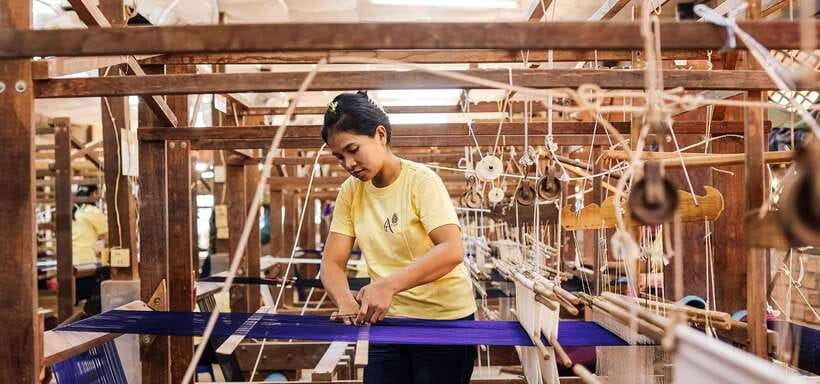
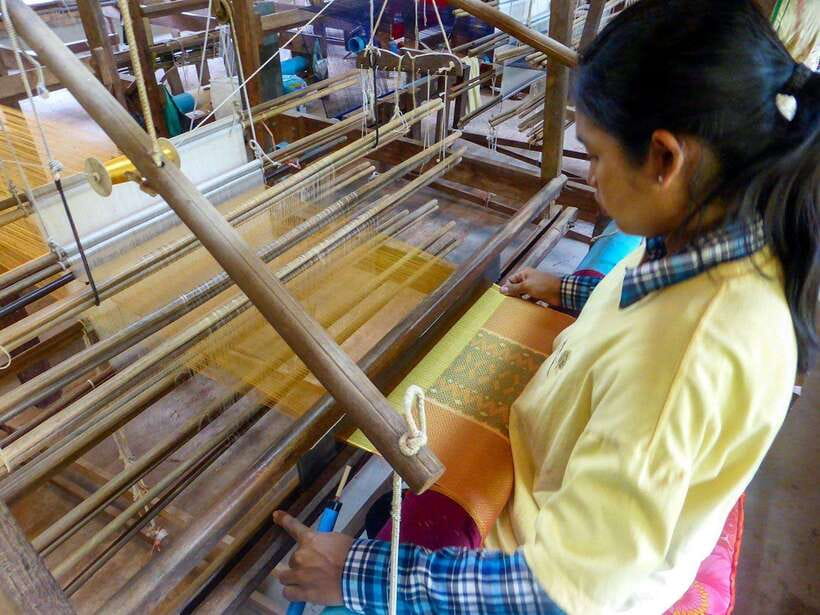
Then comes the weaving side. You’ll see skilled weavers demonstrate techniques on traditional wooden looms and talk through how patterns get formed. This is one of the reasons the farm visit feels more meaningful than a typical craft shop stop. It connects the thread to the fabric, and it highlights how much handwork goes into each stage.
One practical note: the visit includes a short shopping time afterward. If you want to buy something here, decide early what you’re looking for. Prices and styles can vary a lot by quality and process, so use that window to compare rather than wandering forever.
The Drive Between Farms: Scenic Countryside Without Extra Detours
Between the two locations, you’ll travel through Cambodian countryside. The point isn’t a long sightseeing excursion. It’s a controlled transfer so you can stay on schedule and still see some real rural scenery outside the main tourist corridor.
This is also where weather can affect your comfort. Even with a comfortable ride, the time spent in heat while traveling can feel longer than you expect. Wear light clothing, bring sun protection, and plan to keep water in mind even though the tour only includes tea and biscuits.
The upside: this segment is straightforward. The tour is set up to get you from farm to farm cleanly, without surprise detours. That helps if you’re trying to fit the activity into a tight Siem Reap itinerary.
Lotus Silk Farm by Samatoa: Lotus Fiber Extraction and Social Impact

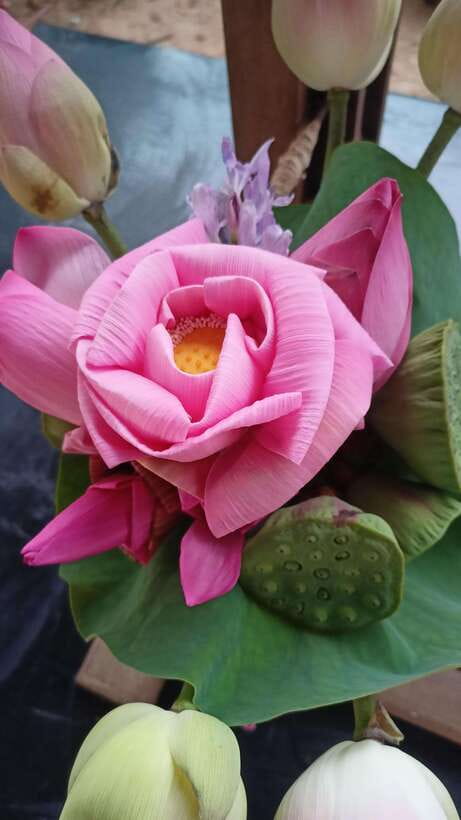
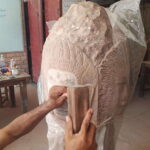
Lotus Silk Farm is the creative contrast to Angkor Silk Farm. Instead of silkworms, the focus is lotus stems and lotus fiber extraction. Watching the fiber process is genuinely eye-opening because lotus has a completely different feel than mulberry leaves. You end up understanding why “eco-friendly” claims need real process behind them, not just marketing.
You’ll get live demonstrations, and there’s also time to relax with lotus tea and biscuits in a garden setting. It’s a small pause, but it also keeps the visit cohesive: this farm isn’t only about output fabric. It’s about the whole system, from raw plant to workable fiber.
Here’s the social part that gives the tour more weight. The Lotus approach is tied to ethical employment and local women’s empowerment. You’re not just consuming a craft experience. You’re learning how the business model is designed to create opportunities while keeping production detailed and by hand.
If you’re the kind of person who likes asking questions, this is usually the best spot. The guides explain what they’re doing and why it matters, and the farm layout gives you plenty to look at while you listen.
Also keep in mind: boutique time here is built in too, so you can browse and compare. Purchases are not included, but your buying decision becomes part of how these enterprises operate day-to-day.


Shopping at the Boutiques: How to Buy Without Getting Blindsided
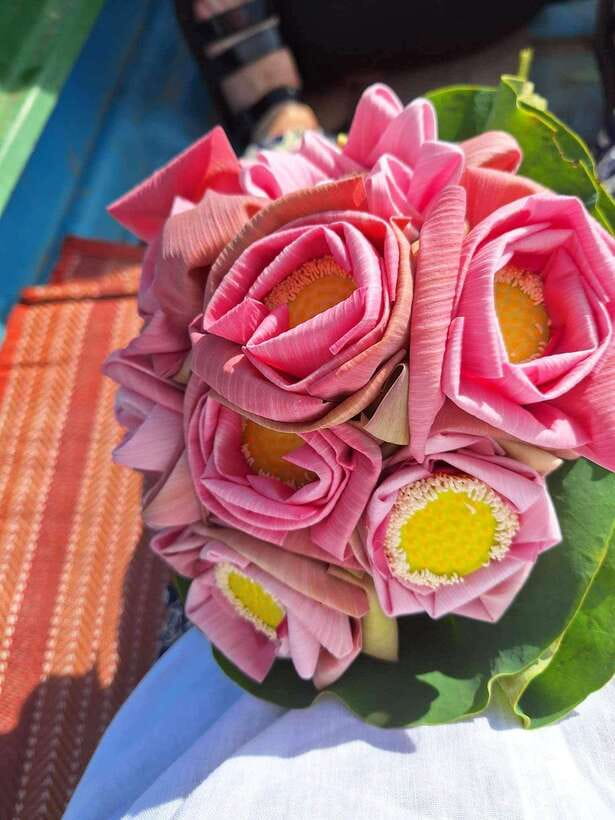
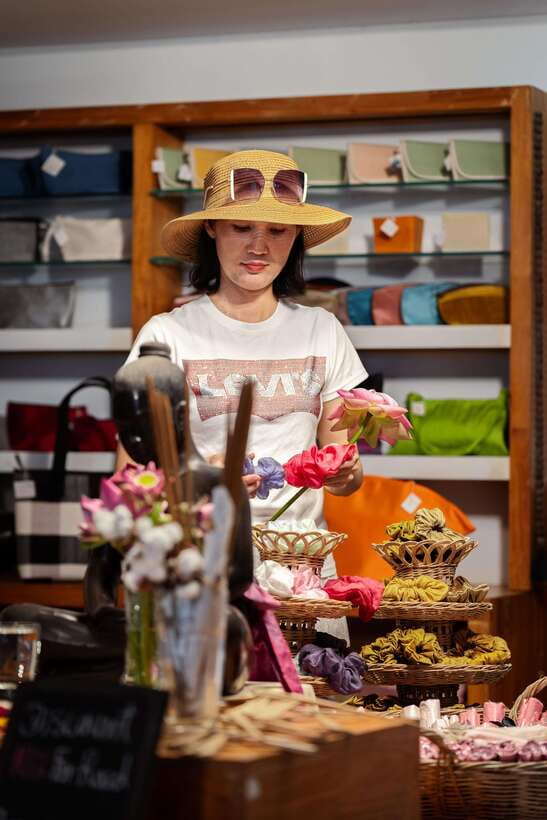
Both farms have shops, and you’ll pass through them with guided time. That’s handy because you can ask questions while the production story is still fresh.
I recommend treating purchases like part of the learning, not a last-minute scramble. Look for pieces that reflect what you saw: weaving techniques, fiber type, and overall finish. If you care about authenticity and support, prioritize items made by these local producers rather than mass-produced alternatives.
Set a budget before you arrive. A $25 tour gets you the guided experience, but the real cost of textiles can vary a lot. If you want a scarf, shawl, or garment, plan for that extra spending and bring cash (USD is accepted, based on the tour info).
And if you’re short on time, don’t try to buy everything. The boutiques are there for a reason: the best pick is often the one you choose after you understand the process first.
Price and Timing: Is $25 for 4 Hours Good Value?
At $25 per person for a four-hour experience, the value comes from what’s included: guided farm tours at two locations, live demonstrations, transportation between farms from Biolab Café, and complimentary lotus tea and biscuits.
For me, that price makes sense because you’re not just paying for entry. You’re paying for explanations in English or French, time with knowledgeable guides, and enough structure to cover both fiber systems in a single morning.
You should know what’s not included, though, so you don’t get surprised. Boutique purchases aren’t included. Meals beyond the tea and biscuits aren’t provided. Any optional paid craft activities are also not part of the base price.
If you’re deciding between this and a one-farm silk stop, the two-farm comparison is the key difference. The extra $ you’re paying (compared to a single visit option) buys you contrast: silkworm silk on one side, lotus fiber on the other. That contrast is the learning payoff.
Who This Tour Suits Best (and Who Might Want Another Option)
This tour is a great fit if you like process-based travel. If you enjoy watching how something is made and learning the steps, you’ll feel rewarded. It’s also ideal for conscious shopping, because it ties textile production to ethical social enterprises and supports local communities.
It’s also a good choice for families and mixed-age groups. The tour is designed for all ages and fitness levels, with restrooms available at both farms and photography allowed.
If you only want a quick hit of sightseeing, you might find it a bit slower than a temple tour. It’s not a fast-moving photo safari. It’s a craft and production experience, with time built in for learning and browsing.
Should You Book This Siem Reap Silk Tour?
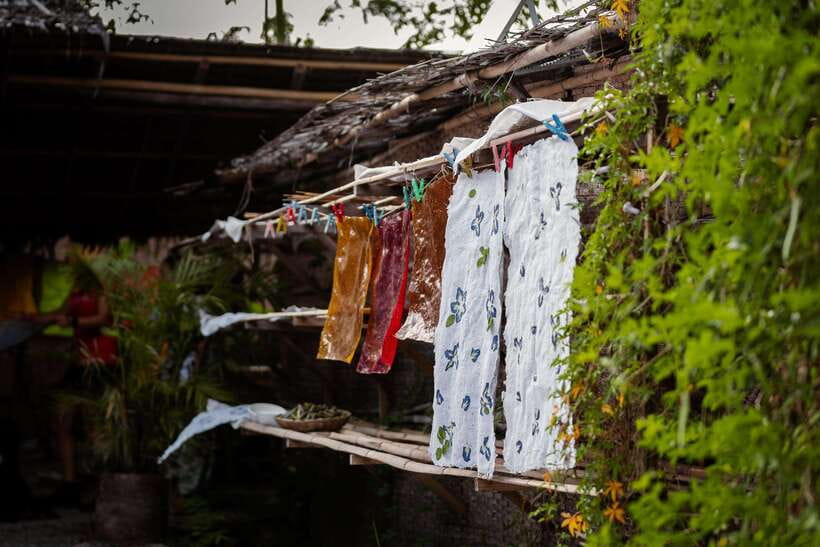
I’d book it if you want one activity that teaches you something real and gives you a souvenir with meaning. The combination of silkworm silk and lotus silk is rare, and the guided demonstrations help you understand why handmade textiles cost what they do.
Skip it (or consider a shorter alternative) if you’re heat-sensitive or you want minimal walking and minimal rural travel. Also, if you dislike shopping at all, remember each stop includes a boutique window, even though you’re not required to buy.
If you want a structured morning with countryside views, clear explanations, and an ethical angle that feels more than just a slogan, this $25 textile tour is one of the cleaner ways to spend four hours in Siem Reap.
FAQ
How long is the Siem Reap Discovery Tour?
The tour lasts 4 hours total, including transportation time between the two farms.
Where do I meet for the tour?
You meet at Biolab Café in downtown Siem Reap.
Does the tour include hotel pickup and drop-off?
No. Transportation is only provided from and back to the Biolab Café meeting point. You’ll need to get there on your own.
What’s included in the price?
Included are guided farm tours at both Angkor Silk Farm and Lotus Silk Farm, live demonstrations, expert explanations in English or French, access to farm areas and exhibitions, complimentary lotus tea and biscuits at Lotus Silk Farm, and transportation between farms.
Can I buy items at the farms?
Yes, both farms have boutiques, and you can shop during the scheduled shopping time. Purchases are not included in the tour price, so bring cash for buying.
What languages are the guides?
The tour is guided in English or French.