REVIEW · ZANZIBAR ARCHIPELAGO
Zanzibar:Stone Town & Spice Farm Private Tour Lunch Included
Book on GetYourGuide →Operated by ZANFAA TOURS AND TRAVEL · Bookable on GetYourGuide
Stone Town can feel like a maze, but this tour gives you rhythm. I like the spice farm sensory tour (you smell and taste what’s growing) and I like the guided Stone Town route with real landmarks like the Old Fort and Freddie Mercury’s birthplace. One drawback: with only a half-day, you’ll move briskly through a lot of important stops, so it may not satisfy if you want long museum time for the slavery history.
This is a smart pick if your Zanzibar trip is short and you want both food and history in one go. You’re picked up by private van from many beach areas, then guided through a working spice farm before shifting to Stone Town’s narrow streets and markets.
If you get a strong guide, the day clicks. In particular, I noticed names like Kassim and Omar for Stone Town, Abdul for the farm, and drivers such as Rama—each praised for fluent guiding and a calm, tailored pace. Just bring sun protection and closed-toe comfort, because you’ll be walking.
In This Review
- Key things to notice before you go
- Why this spice-farm-plus-Stone-Town pairing makes sense
- Pickup and timing: how to protect your comfort (and your photos)
- The private spice farm walk: what you’ll smell, taste, and learn
- Fruit tastings and the spice shop: where souvenirs should feel meaningful
- Swahili lunch on the farm: why included food can still be good value
- Stone Town guided route: the landmarks you actually want on day one
- City Market and the fish auction: watching daily life happen
- Old Slave Market site and slave chambers: a sober stop with real weight
- Old Fort and Portuguese influence: how Stone Town’s layers show up in stone
- Guide quality is the difference between seeing and understanding
- Price and value at about $46 per person
- What to bring, and the small rules that keep things respectful
- Who should book this private tour (and who should skip it)
- Should you book this Zanzibar Stone Town and spice farm tour?
- FAQ
- How long is this private tour?
- Is lunch included?
- Do you taste fruits and spices?
- Where do you go in Stone Town?
- Is there an entrance fee for the Old Slave Market site?
- What about House of Wonders access?
- What languages are available for the guide?
- Can I bring my own snacks or is there any food limitation?
- What should I bring?
- Are there any rules about touching plants?
- How does hotel pickup work?
Key things to notice before you go

- You touch less, but taste more: plant touching is not allowed, yet fruit and spice tasting are part of the experience
- Swahili lunch uses farm flavors: lunch is prepared with the spices and fruits you’ve just met
- Stone Town hits the big names: Forodhani Gardens, Old Fort (Portuguese-built), Arab Sultan’s Palace, and the Freddie Mercury house
- House of Wonders is limited: it’s listed as undergoing renovation, so don’t expect full access there
- Old Slave Market is included: entry to the historical site and time at the Anglican Church and slave chambers
- Your pickup can be close: there are 15 pickup options across Zanzibar’s east and north coasts
Why this spice-farm-plus-Stone-Town pairing makes sense

This tour works because it matches how Zanzibar actually feels. On the spice farm, the day is guided by your senses: smell first, taste second, and only then do you connect the plants to trade and history. Stone Town is the opposite: it’s urban and layered, where the story shows up in architecture, doorways, and street corners.
I like that you’re not just shown photos or handed a quick checklist. You’ll get a real guided walk through spice cultivation and production, plus a structured Stone Town route with meaningful stops like the Old Fort and the Old Slave Market site. That combination is especially good for first-timers who want the strongest highlights without constantly re-planning during the day.
The duration also matters. At 3–6 hours, you get a full introduction to Stone Town without eating up your whole day at the beach. If you’re balancing sun-and-swim time with cultural time, that’s a win.
You can also read our reviews of more tours and experiences in Zanzibar Archipelago.


Pickup and timing: how to protect your comfort (and your photos)
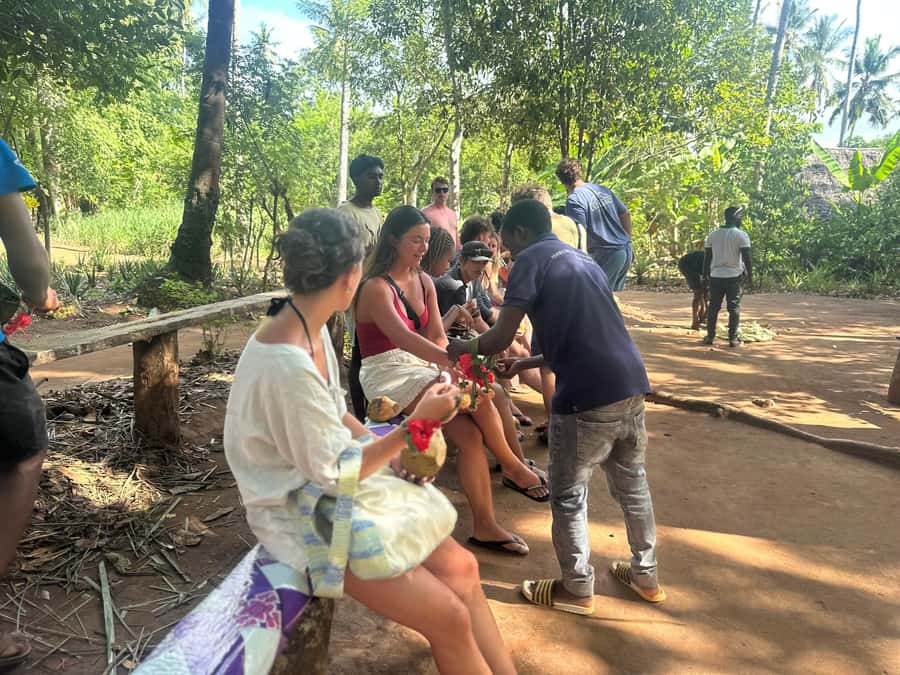
Your day starts with hotel pickup and drop-off by private van. The tour lists many pickup points (from areas like Paje, Jambiani, Nungwi, Kendwa, and also Stone Town itself). That matters because Stone Town is busy and traffic can slow you down; minimizing the transfer distance helps you spend more minutes walking with your guide rather than sitting.
Expect a transfer that’s around 1 hour to/from Stone Town areas (the van time is listed as about an hour, with the exact flow depending on where you’re staying). Once you’re on the ground, the time split is basically farm first and Stone Town second, each with guided walking time.
Practical tip: bring a hat and sunscreen even if the forecast looks mild. Stone Town has shade in some alleys, but the farm portion is exposed, and the tour emphasizes sun protection in the packing list. Comfortable shoes are non-negotiable, because both the farm and Old Town walking can be uneven.
The private spice farm walk: what you’ll smell, taste, and learn
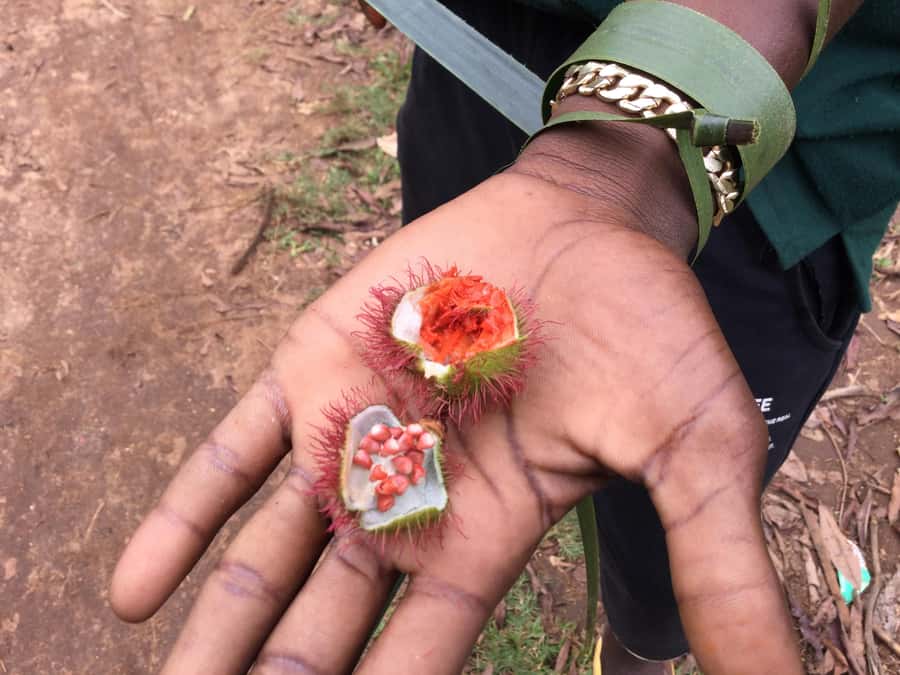
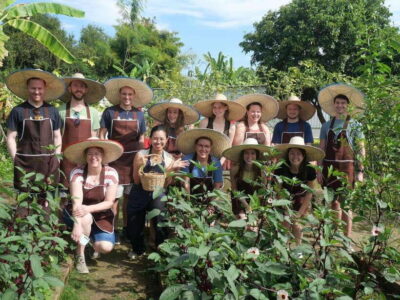
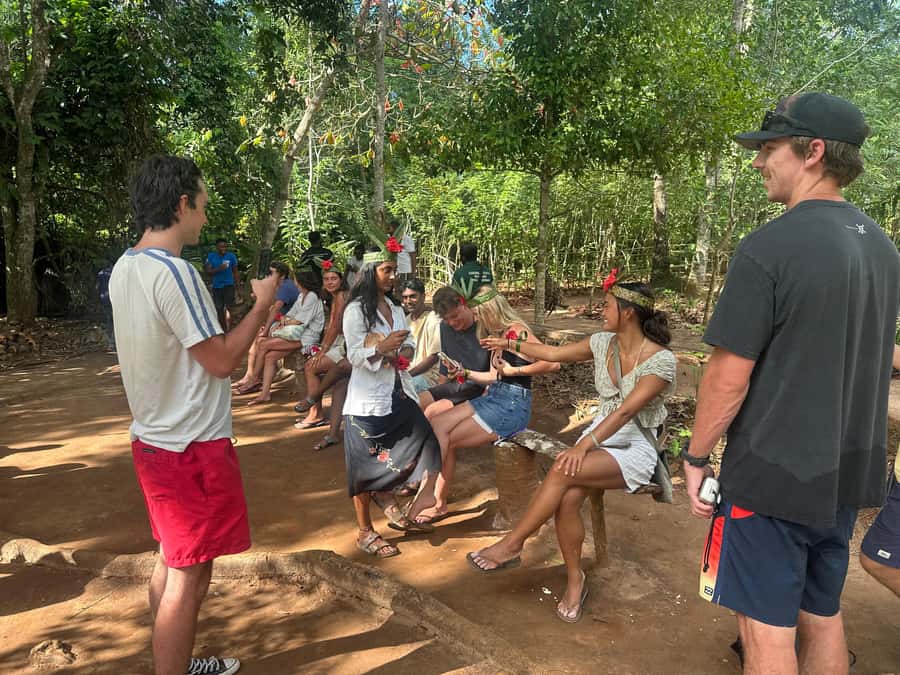
This is the part where your senses do the heavy lifting. The spice farm section includes a photo stop, a guided walk, time to explore, and a stop at a spice shop where you can see handcrafted products made directly from the spices.
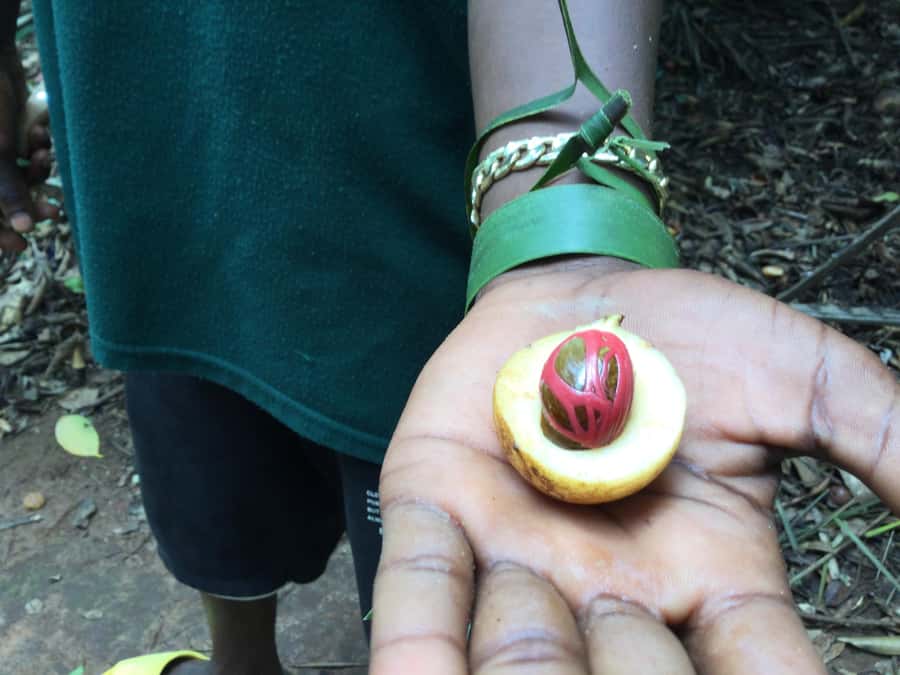
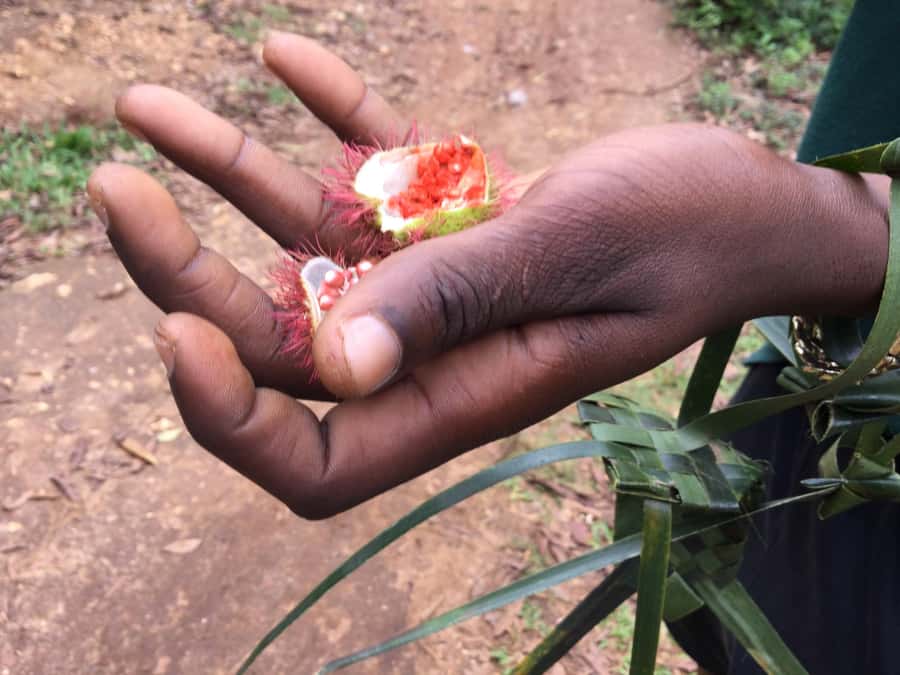
You’ll learn how Zanzibar cultivates a wide range of crops used for everyday cooking and traditional remedies. The farm walk focuses on spices that grow locally and are harvested for flavor. Expect examples such as:
- cloves and nutmeg
- cinnamon and ginger
- lemon grass and black pepper
- bananas, pineapple, and other tropical plants
One of the best parts is that you’re allowed to engage your senses. The experience specifically mentions tasting things like tropical fruits and also tasting spices (not just smelling them in jars). The tasting list includes watermelon, red banana, yellow banana, and others such as pineapple, mango, and oranges.
Two rules to keep your day smooth:
- Touching plants is not allowed. You can look closely, but don’t reach out unless your guide tells you something specific.
- Light clothing helps. The day is walking-heavy and you’ll likely feel it in your shoulders and back if you’re dressed too warm.
Also note the time on the farm is listed at about 2 hours. That’s enough to learn, taste, and browse the shop without turning the farm visit into a long endurance event.
Fruit tastings and the spice shop: where souvenirs should feel meaningful
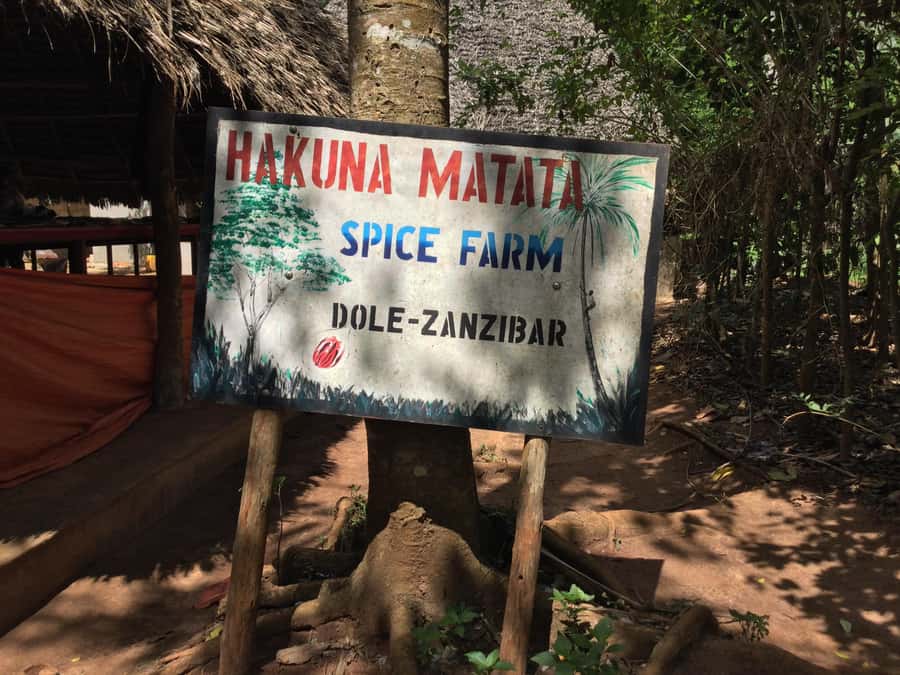
The spice tasting isn’t random. It’s tied to the farm’s crops and the way Zanzibar uses them. That connection is why the tasting section feels more useful than a generic sampler: it helps you identify flavors later when you eat Zanzibar dishes.
Then comes the shop. If you like souvenirs, this is where you’ll likely spend time. You can purchase items you like, and because the products are made from the farm’s spices, they tend to feel more personal than something mass-made and packaged.
Quick advice: buy what you can realistically use. Cinnamon sticks, spice blends, or small containers of common cooking spices are easier to manage in luggage than fragile items. If you’re short on suitcase space, prioritize the spices you know you’ll actually cook with at home.
Swahili lunch on the farm: why included food can still be good value
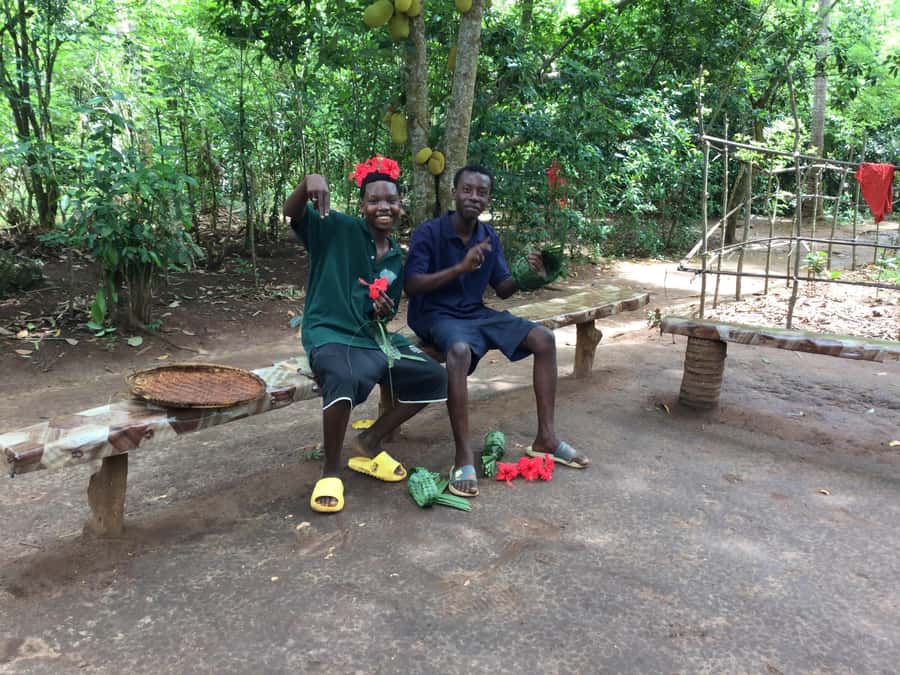
Lunch is included, and it’s described as local lunch at the spice farm, prepared with the fresh spices and fruits you’ve been tasting. This matters for value: you’re not paying separately for a sit-down meal in Stone Town where prices can jump.
You also avoid the logistical hassle of figuring out where to eat at the right time. With a guided flow, lunch becomes a midpoint that keeps the day moving. The experience list suggests the lunch is part of the spice farm segment, not an afterthought.
In practice, this kind of lunch often works best when you treat it as a flavor lesson, not just a meal. Take note of the spice profiles—especially cinnamon, vanilla, cloves, and lemon grass flavors that the tour highlights for scent and taste. Later, when you try Zanzibar food in a restaurant, you’ll recognize the ingredients instead of guessing.
One caution: the activity is marked not suitable for people with food allergies. If allergies apply, don’t assume that lunch can be customized. This is one area where you should be extra careful.

Stone Town guided route: the landmarks you actually want on day one
After the short drive, you shift to Stone Town, a UNESCO World Heritage Site since 2000. The guide explains how Stone Town’s 19th-century architecture blends influences from Swahili, Arab, Indian, and European cultures. That mix is visible in door carvings, building styles, and street patterns.
Your guided Stone Town portion includes several specific stops, which helps you avoid the common problem of wandering for hours with no structure:
- Forodhani Gardens
- House of Wonders (listed as undergoing renovation)
- Arab Sultan’s Palace
- Old Fort (Portuguese-built)
- The house where Freddie Mercury was born
You’ll also walk the Old Town’s narrow streets to reach City Market. That’s where locals trade fresh produce and household goods, so it’s a chance to see Stone Town as a working place, not only a photo set.
A practical expectation: Stone Town walking can be intense. The streets are narrow and busy, and you’ll be in motion during the guided block. Light clothing, water, and a calm mindset help.
Also, if you’re hoping for the House of Wonders to be fully accessible, plan for the possibility that renovation limits what you can see. The tour specifically notes it’s currently under renovation, so don’t build your expectations around full museum-style access there.
City Market and the fish auction: watching daily life happen
One standout element is the chance to see the lively fish auction area around the market. The tour notes that you’ll witness the fish auction and learn about the history of the sights around you.
Even if you’re not a foodie, this is a real snapshot of how Stone Town functions. You’ll get a sense of pace, bargaining culture, and the way goods move through the town. It’s also visually energetic, which makes it great for photos—just be mindful of space and avoid blocking pathways.
If you want a tip for a good market experience: don’t treat it like a shopping mall. Walk slowly, keep your camera ready, and let the guide point out what matters. You’ll learn faster that way than trying to translate everything yourself.
Old Slave Market site and slave chambers: a sober stop with real weight
The tour includes entrance to the Old Slave Market Historical Site, plus time at related sites nearby. You’ll explore the Old Slave Market site, the Anglican Church, slave monuments, and the small slave chambers.
This is one of those places where the time you spend matters. The experience described here is brief but focused: you’re not just looking at a plaque—you’re shown the actual memorials and the stark spaces connected to slavery history.
Because it’s included, you don’t have to hunt down tickets or decide whether to add it later. That’s helpful if your schedule is tight. Still, if slavery history is a major priority for you, recognize that the rest of the day has plenty of other stops. The built-in route is meaningful, but it’s not a full multi-hour deep museum session.
Tip: bring your attention. This portion can be emotionally heavy even when it’s done respectfully and with a clear guide. If you prefer a lighter day, you might not love how concentrated this area is within the overall walking route.
Old Fort and Portuguese influence: how Stone Town’s layers show up in stone
The Old Fort is specifically listed, and it’s noted as being built by the Portuguese. That’s a useful detail because it gives you a historical anchor. Instead of seeing the fort as just another stop, you’ll know what to look for: how European presence interacted with trade and coastal power.
Pair that with the Arab Sultan’s Palace and you get a fuller picture of how different groups shaped Stone Town over time. This is where the guided structure really helps: the guide ties the buildings to stories, so you’re not guessing what you’re looking at.
If you care about architecture, use the walking segments to pause when the guide describes details. Stone Town’s character comes from small things: carvings, doorframes, and how buildings face the street. With a guided route, you’ll know when to look and what to notice.
Guide quality is the difference between seeing and understanding
The tour’s language options are wide—English, French, German, Polish, Arabic, Spanish, Italian, Swahili, Portuguese, Afrikaans. That’s great because Stone Town has a lot of context you’ll miss if the explanation is thin.
From the named guides you’ll likely be paired with:
- Kassim is praised for very good French and strong history knowledge in Stone Town.
- Omar is praised for tailoring the Stone Town experience to preferences.
- Abdul is praised for a good balance of information during the spice farm walk.
- Rama is praised as a friendly, professional driver.
That last point matters more than it sounds. In a day with transfers and walking, a driver who handles the logistics smoothly can reduce stress, which gives you more energy for the walking parts.
If you want the tour to feel personal, choose a time when you can ask questions. With a private format, your guide can adjust pace and focus. Even with a set route, your interests—spices, architecture, or markets—can get more attention.
Price and value at about $46 per person
At $46 per person, the value comes from what’s included, not just the headline price. You’re getting:
- Private van pickup and drop-off from your selected locations
- A private guided spice farm walk
- A private guided Stone Town tour
- Entry ticket to the Old Slave Market site
- Swahili lunch included
- Fresh fruit tasting at the farm
For a half-day schedule, that can be a good deal, especially if your alternative is mixing taxis, tickets, and separate tours. Private guides also mean less waiting around and more explanation per hour.
One thing to consider: you’ll be doing a lot in a compressed time window. If you prefer slow travel and deep museum time, you might feel like the day is tightly packed. But if your goal is to get oriented, learn key landmarks, and eat a proper lunch, the structure helps justify the price.
What to bring, and the small rules that keep things respectful
The tour provides a clear packing list, and I agree with it. Bring:
- comfortable shoes
- a hat and sunscreen
- camera
- water
- insect repellent
Use light clothing. Zanzibar can be warm, and you’ll walk enough that you’ll feel it quickly.
Two behavior notes are essential:
- Don’t touch plants. The tour explicitly says touching plants is not allowed.
- Be respectful in memorial areas like the Old Slave Market site and any associated spaces.
If you’re prone to sunburn or insect bites, plan to be proactive. The tour mentions insect repellent for a reason.
Who should book this private tour (and who should skip it)
This tour suits you if you want:
- spice education through hands-on tasting
- a guided Stone Town walk with major landmarks
- included lunch so you don’t scramble for food in Stone Town
It also fits well for couples and small groups because it’s private, and pickup is available from many beach areas.
You might want to skip or rethink if:
- you have food allergies, because the tour is marked not suitable
- you have mobility impairments, because it’s listed as not suitable for people with mobility impairments, even though wheelchair accessibility is mentioned elsewhere. If mobility is part of your situation, contact the provider to confirm what’s realistic for your route.
Should you book this Zanzibar Stone Town and spice farm tour?
I’d book it if this is your first Zanzibar trip and you want a dependable mix of senses (spices and fruit) plus key Stone Town landmarks in half a day. The included lunch and market-oriented stops make the time feel efficient, and the Old Slave Market site is part of the route rather than an optional add-on.
I’d hesitate if you already plan to spend several hours on Stone Town museums and memorials, because the route is designed to cover many highlights rather than linger deeply. Also, the House of Wonders is under renovation, so if that specific attraction is the main reason you want Stone Town, double-check what access will look like.
If you’re flexible and want an organized, private introduction, this is the kind of tour that helps you make sense of Zanzibar fast.
FAQ
How long is this private tour?
The duration is listed as 3 to 6 hours.
Is lunch included?
Yes. A local lunch at the spice farm is included.
Do you taste fruits and spices?
Yes. The tour includes tastings of Zanzibar fresh fruits at the spice farm, and it also describes smelling and tasting spices.
Where do you go in Stone Town?
The guided Stone Town portion includes Forodhani Gardens, the House of Wonders (currently under renovation), the Arab Sultan’s Palace, the Old Fort, and the house where Freddie Mercury was born. It also includes City Market and the Old Slave Market historical site.
Is there an entrance fee for the Old Slave Market site?
Yes. Entrance ticket to the Old Slave Market Historical Site is included.
What about House of Wonders access?
The House of Wonders is listed as currently undergoing renovation, so what you can see may be affected.
What languages are available for the guide?
The tour lists English, French, German, Polish, Arabic, Spanish, Italian, Swahili, Portuguese, and Afrikaans.
Can I bring my own snacks or is there any food limitation?
The tour includes lunch and fruit tastings, but it is marked not suitable for people with food allergies.
What should I bring?
Bring comfortable shoes, a hat, camera, sunscreen, water, and insect repellent.
Are there any rules about touching plants?
Yes. Touching plants is not allowed.
How does hotel pickup work?
Pickup is available from many locations across Zanzibar, with listed pickup and drop-off options. You’ll be asked to wait in the hotel lobby at least 5 minutes before the scheduled pickup time, and the driver’s car number will be shared.