REVIEW · ZANZIBAR ARCHIPELAGO
Zanzibar: Spice Farm Tour with Traditional Cooking Class
Book on GetYourGuide →Operated by Zanturtle Explore Tours and Safaris · Bookable on GetYourGuide
A day at a Zanzibar spice farm changes how you taste lunch. You’ll get a guided walk through the plants that flavor the islands, then join a hands-on cooking class using traditional cooking techniques. I especially like the spice tastings (think cinnamon, vanilla, cloves, lemongrass) paired with stories of how these crops shaped Zanzibar food. The main caution: you may feel pressure to tip or buy things at multiple stops, and the farm setup can feel more like a tourism garden than a giant working plantation.
The route is built for comfort: hotel pickup, a van ride, and a focused 5-hour loop that ends back in Stone Town. It’s a great choice if you want your Zanzibar experience to include something practical you can bring home, like knowing what certain spices are used for and why they matter locally.
One more heads-up I’d plan around: facilities may be basic once you’re out on the property. If you’re the type who needs reliable comfort breaks, I’d go in with lower expectations.
In This Review
- Key points you’ll care about
- From Stone Town pickup to a spice farm day that actually feeds you
- The walking spice tour: what you’ll learn by using your senses
- Fruit tastings and the farm stop rhythm
- Harvesting ingredients: the part that makes the cooking class real
- Swahili cooking class: making lunch with Zanzibar-style tools
- Traditional music and dance: a cultural bonus, not just background
- Price and value: is $61 a fair deal for 5 hours?
- Tipping, shopping, and other practical considerations
- What to bring so the day feels easy
- Who should book this spice farm + cooking class
- Should you book this Zanzibar spice farm cooking class?
- FAQ
- How long is the Zanzibar spice farm tour and cooking class?
- Where does hotel pickup happen?
- What language is the live tour guide available in?
- Is this a private group tour?
- What does the spice farm tour include?
- Do I harvest anything during the experience?
- Is lunch included, and what will I eat?
- Are there traditional music and dance performances?
- What should I bring with me?
- Is free cancellation available, and can I pay later?
Key points you’ll care about

- Hands-on harvest + cooking using ingredients pulled straight from the farm
- Smell and taste tour focused on Zanzibar staples like cinnamon, vanilla, nutmeg, and cloves
- Traditional Swahili meal made with old-style tools and methods
- Fruit sampling including mangoes, passion fruit, papaya, bananas, pineapple, and more
- Traditional music and dance included as part of the farm experience
- Local guide support in multiple languages, including English, French, German, Italian, Russian, and Spanish
From Stone Town pickup to a spice farm day that actually feeds you
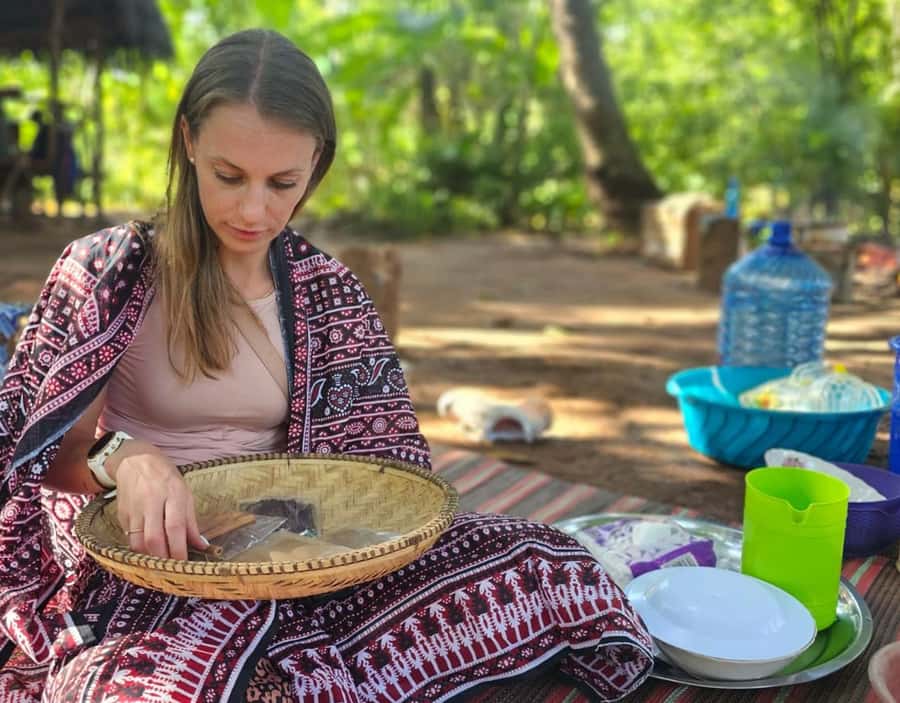
This is a half-day experience designed around one simple idea: spices aren’t just souvenirs. They’re the reason Zanzibar food tastes like it does. If you’re staying around Stone Town, the pickup is one of the easiest parts of the plan, and the whole thing runs about 5 hours door-to-door.
You start with pickup from either Stone Town or your hotel in Zanzibar (the operator says they can pick you up at any hotel in Zanzibar). Then it’s a van ride of about an hour to the spice farm area. The day is paced so you’re not stuck in a long vehicle transfer with nothing to show for it.
For me, the best value move here is that the experience isn’t only a walk-and-watch visit. You’re guided through the farm, you taste and smell many spices, and you end with a meal you helped cook. That makes it feel more like learning than just sightseeing.
You can also read our reviews of more tours and experiences in Zanzibar Archipelago.


The walking spice tour: what you’ll learn by using your senses
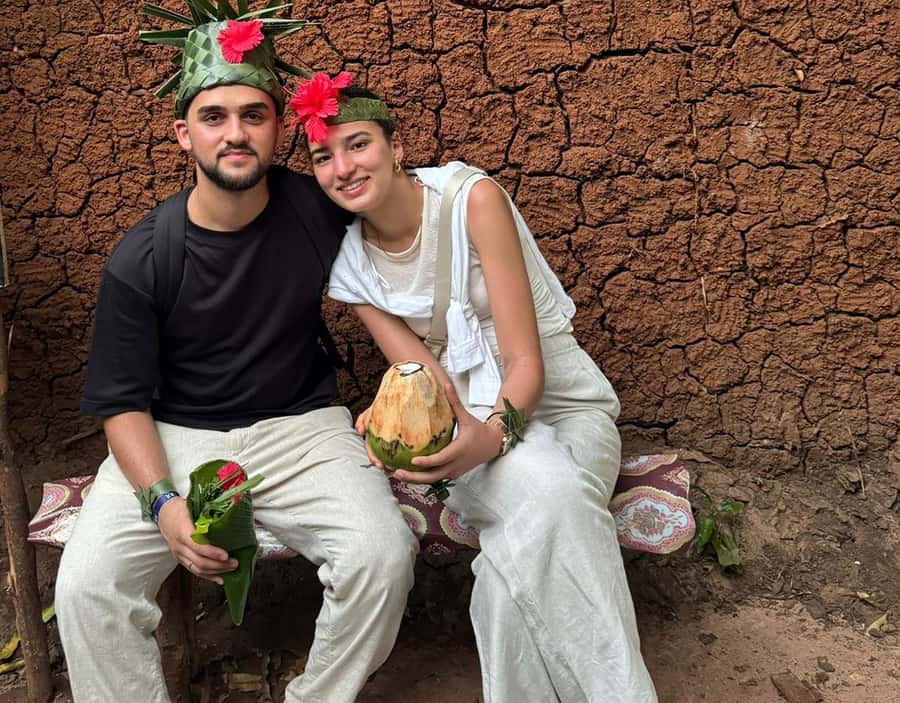
The core of the trip is the guided farm walk, where you’ll get an explanation of the origins of spices and why they’re so important in Zanzibar cuisine. Instead of being told to admire plants from a distance, you’re encouraged to identify them with taste, smell, and touch as you go.
Expect to encounter a long list of aromatic crops and herbs. The tour highlights commonly include cinnamon, vanilla, nutmeg, lemongrass, cloves, and more, plus ingredients like ylang-ylang, cumin, ginger, pepper, tamarind, and chili. The guide also explains culinary and medicinal uses, which helps you understand why someone might grow a spice beyond flavor alone.
Practical takeaway for you: if you’ve ever tasted a curry, stew, or rice dish and wondered what’s doing the heavy lifting, this is the day you can start connecting aromas to outcomes. You’ll likely get a clearer sense of what’s sweet and warm (like cinnamon and vanilla), what brings sharp brightness (like ginger and lemongrass), and what adds heat (like chili and pepper).
One note to set your expectations: the spice-farm feel can vary. Some visits are described as a more compact walk-through garden rather than a large, spread-out agricultural site. If you want deep agricultural immersion, plan to focus on the lesson and the meal, not on expecting an enormous working plantation.
Fruit tastings and the farm stop rhythm
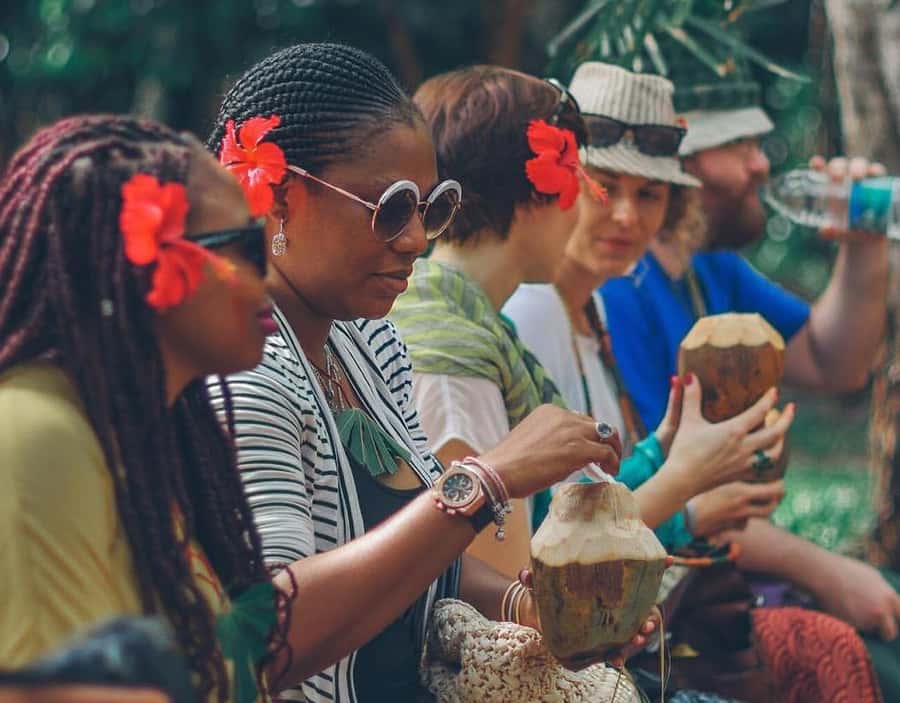
Along with the spice tour, you’ll sample fresh tropical fruits. The included list is broad: mangoes, passion fruit, avocado, papaya, local grapefruits, bananas, pineapples, and other seasonal options.
This matters more than it sounds. The fruit tastings give you a second flavor map for Zanzibar. A Swahili meal isn’t only about spices in the pot; it’s also about how sweet, tangy, and fresh flavors sit next to warm, fragrant aromatics.
The tour also includes time for breaks and a stop that can include shopping and sightseeing on the farm property. In other words, it’s not a rigid straight line where you just walk from point A to B with no chances to look around. That’s good if you like to ask questions or slow down for photos.
Harvesting ingredients: the part that makes the cooking class real
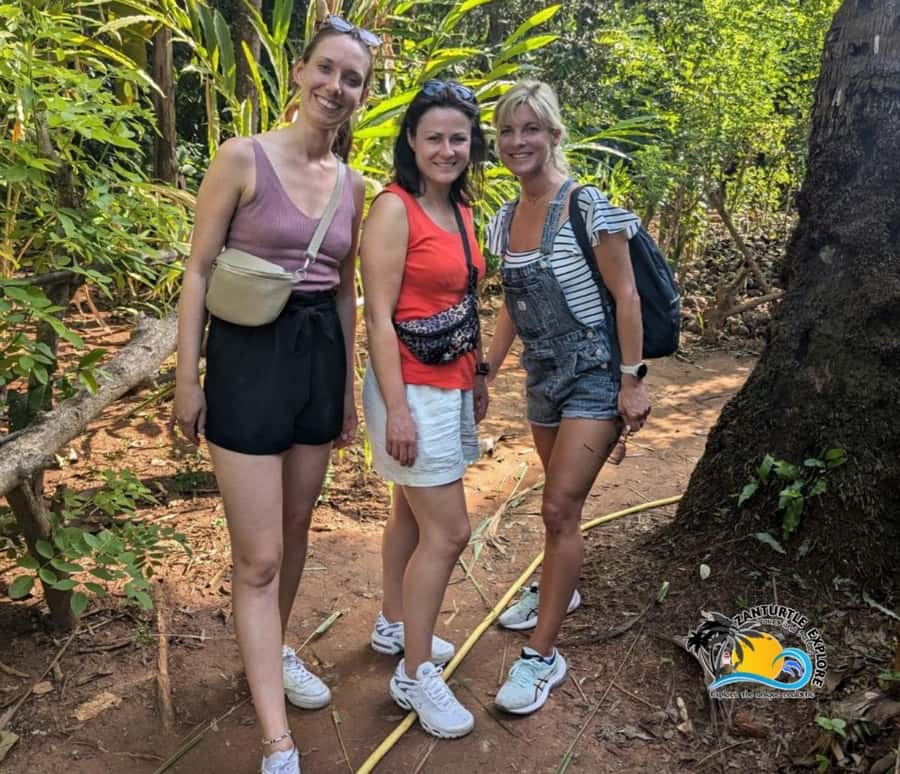
What separates this kind of cooking class from a demo is the harvesting step. You’ll walk around the farm with your culinary expert and pick some ingredients before you head to cook.
That simple sequence helps you remember the lesson later. When you harvest something you’ll later chop into a dish, you’re not just tasting spices—you’re learning how they show up in real preparation. The operator also highlights that you’ll use traditional techniques and old-style cooking apparatuses replicated from earlier coastal days.
For you, this is also a good reason to wear the right shoes and be mentally ready to get a little hands-on. The day is built so you can participate, not only observe.
Swahili cooking class: making lunch with Zanzibar-style tools
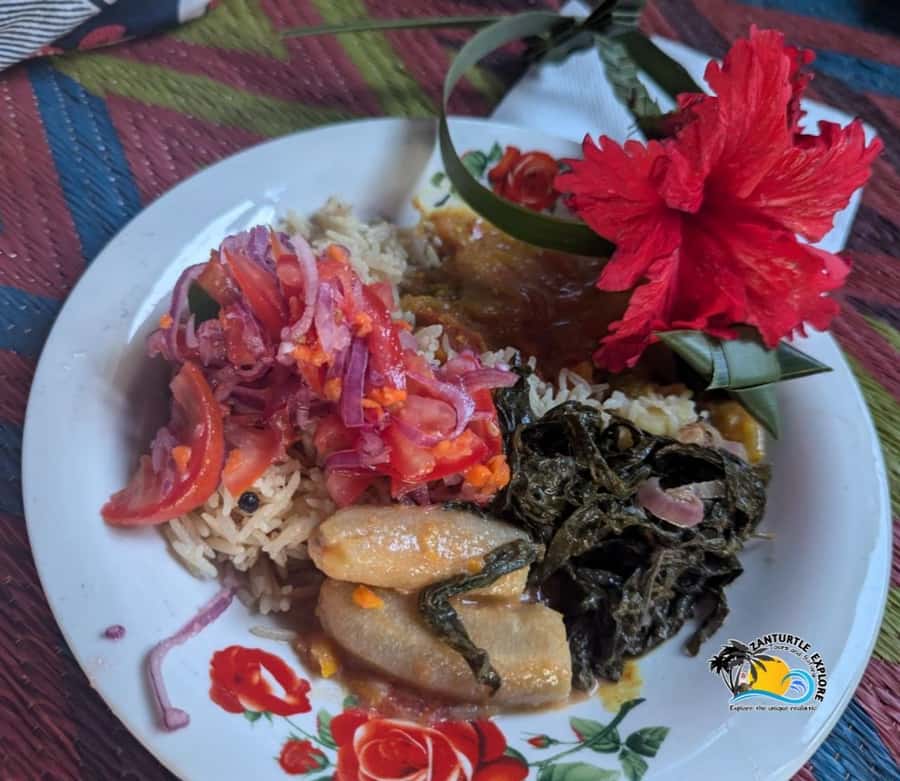
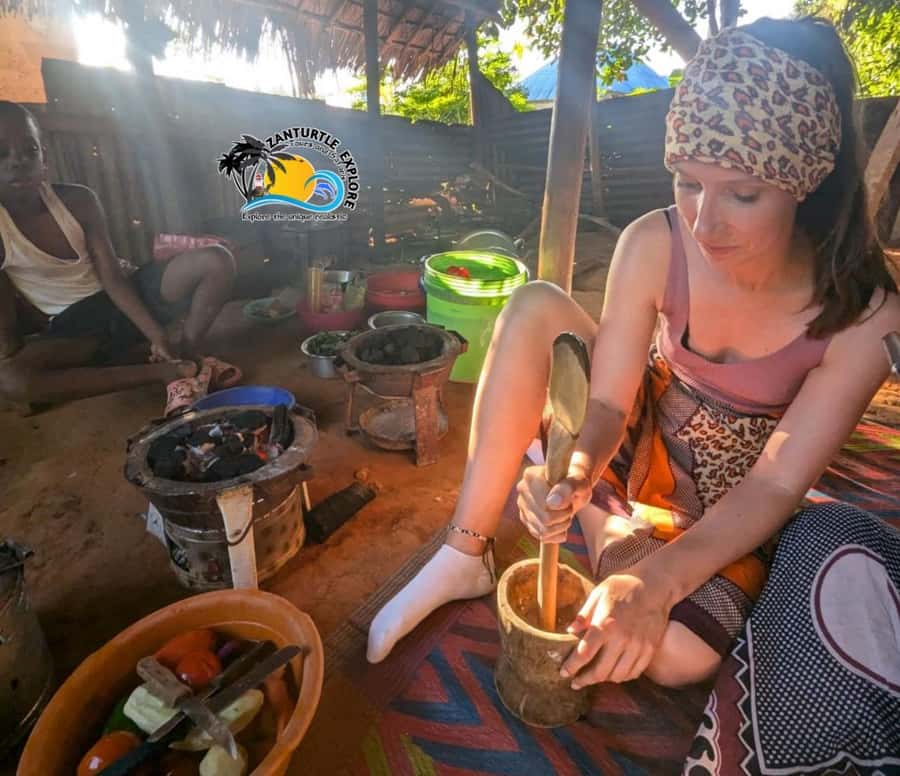
The cooking class is the highlight for a lot of people because it turns spice knowledge into a finished plate. You’ll cook a traditional Swahili meal together with a local chef using traditional methods. The tour description emphasizes cooking equipment replicated from bygone eras, which gives the class a sense of place rather than feeling like a generic kitchen.
During this stage, you should expect:
- A working explanation of how spices are used in the dish you’re making
- Cooking with the group, not only watching someone else do everything
- Time to enjoy your meal afterward, plus drinks and included tropical fruit
One possible consideration is communication style in a private format. Because it’s listed as a private group, you might get more instructor-led cooking and less group conversation than you’d want. That isn’t guaranteed, but it’s worth knowing if you like a chatty class where everyone trades stories while chopping and stirring.
Also: plan on the cooking class feeling hands-on. The experience isn’t presented as a hands-off tasting session. It’s a practical lesson where you participate.

Traditional music and dance: a cultural bonus, not just background
This trip includes traditional music and dance, and it typically fits naturally into the farm-day rhythm—before or during the meal experience. Even if you’re not an expert in Zanzibar culture, it’s a nice way to balance the practical cooking with something expressive and local.
For many visitors, this is the moment that makes the day feel more like Zanzibar and less like a staged “activity.” It’s also a good photo and video break that doesn’t involve standing in a line.
Price and value: is $61 a fair deal for 5 hours?

At about $61 per person for a 5-hour experience, the value comes from the package, not from just the cooking class alone. You’re paying for a full bundle:
- Hotel pickup and drop-off (Stone Town and Zanzibar hotels)
- A guide and the guided spice tour
- Harvesting of ingredients
- A cooking class with equipment
- Lunch and drinks, plus tropical fruit
- Entrance and conservation fees
- Time on the property with additional farm stops and included shopping opportunities
If you were to price these things separately, you’d likely spend more once you factor in transport, a guide, ingredients, and access fees. The strongest argument for the tour is that it covers both learning and eating, and it does so within one short day.
That said, I’d weigh two practical “value killers” before you book:
1) If you dislike tip requests, you may find the day’s many interaction points uncomfortable.
2) If you expected a huge working plantation, the scale might feel smaller than you pictured—so aim your expectations at flavor education, not agricultural tourism.
Tipping, shopping, and other practical considerations
Here’s the part you should plan for honestly. Multiple stops on the farm day can come with requests for small extras. That may include tipping people who handle parts of the experience, and sometimes encouragement to buy items or give something to people connected to the property.
You don’t have to be passive about it. Decide ahead of time what you’re comfortable spending beyond the ticket price. If you know you’re not a tip-on-every-stop type of person, set a limit in your head so you don’t feel rushed in the moment.
There’s also shopping built into the flow. The tour includes buying spices and fruits, so if you want souvenirs that are actually useful in your kitchen, this is the right kind of stop.
Finally, keep comfort in mind. One booking flagged toilets as poor, and even when facilities are acceptable, you should assume they’re not hotel-level. Come prepared with a plan, and don’t let it surprise you once you’re out on the property.
What to bring so the day feels easy
This tour asks you to walk and cook, so pack like you’re going to work in a garden for a few hours. The essentials listed by the operator are:
- Comfortable shoes
- Hat and sunscreen
- Water
- Insect repellent
- Camera
I’d add one personal tip: bring an extra layer if Zanzibar is windy or if you get cold after cooking. It’s not listed, but it can help you stay comfortable during the van rides.
Who should book this spice farm + cooking class
You’ll like this tour if you:
- Want a Zanzibar experience that is hands-on rather than only visual
- Love food learning—spices, flavor combinations, and how ingredients get used
- Prefer a short day plan that includes pickup, a guide, fruit, and lunch
- Are traveling with family and want a farm-and-kitchen style activity (the class can be kid-friendly depending on how the group is handled)
You might think twice if you:
- Hate the feeling of frequent tip or donation asks
- Expected a large, long-hike working spice estate
- Need consistently high comfort standards, especially for restrooms
Should you book this Zanzibar spice farm cooking class?
I’d book it if your main goal is to leave Zanzibar understanding spices in a way you can taste at home. The mix of spice tour + harvest + Swahili cooking class + lunch and fruit is exactly the kind of “do it, then eat it” format that turns a destination into a skill.
But if you know you’re sensitive to tip requests and prefer fewer shopping interactions, go in with a clear budget and a firm plan. Also set expectations that this is a guided farm visit focused on instruction and flavor—more walk-through than deep agriculture.
If that sounds like your kind of day, you’ll likely come away with better spice instincts and a full stomach.
FAQ
How long is the Zanzibar spice farm tour and cooking class?
The duration is 5 hours.
Where does hotel pickup happen?
Pickup is available from Stone Town and the operator also says they can pick you up and drop you off at any hotel in Zanzibar. You meet a representative in your hotel lobby or reception area.
What language is the live tour guide available in?
The guide is listed as available in Arabic, English, French, German, Italian, Polish, Russian, and Spanish.
Is this a private group tour?
Yes, it’s listed as a private group.
What does the spice farm tour include?
It includes a guided spice tour with taste, flavor, and smell, plus a walk around the farm and time that can include shopping and sightseeing.
Do I harvest anything during the experience?
Yes. Harvesting vegetables and spices is included.
Is lunch included, and what will I eat?
Lunch is included, along with drinks and tropical fruits. The description also says you will cook a traditional Swahili meal.
Are there traditional music and dance performances?
Yes, traditional music and dance are included.
What should I bring with me?
Bring comfortable shoes, a hat, a camera, sunscreen, water, and insect repellent.
Is free cancellation available, and can I pay later?
Free cancellation is offered up to 24 hours in advance for a full refund. The experience also offers reserve now and pay later.