REVIEW · ZANZIBAR ARCHIPELAGO
Zanzibar: Spice Farm Tour & Stone Town Adventure
Book on GetYourGuide →Operated by Tourice Travel & Tours · Bookable on GetYourGuide
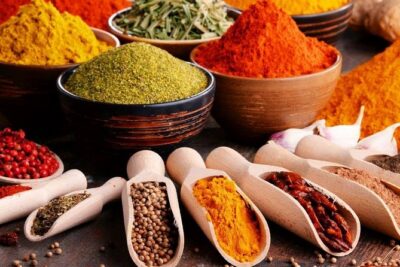
Spices in Zanzibar are everywhere, but rarely explained. This tour is a practical way to understand why Zanzibar gets labeled a spice island, with a spice farm session that pushes beyond just eating the final dish. Then you shift gears to Stone Town, where your guide ties the city’s history to what you see on the street.
I especially like that you can use your senses—see the plants, touch them, and taste things like fresh coconut and fruit. One watch-out: at 4 hours, it moves quickly, so plan to ask questions early and keep expectations realistic for shopping and long stops.
In This Review
- Key Highlights Worth Marking
- A 4-Hour Plan That Puts Zanzibar’s Flavors First
- Spice Farm: Touch, Smell, and Taste the Island’s Everyday Ingredients
- The Coconut Climber Stop and That Fresh Coco-Cola Moment
- Fruit Tasting: A Simple Session That Actually Adds Value
- Stone Town Walking: History in a City Built for Stories
- Transfers and Timing: How to Get the Most from 4 Hours
- Price and Value: Is $95 Worth It?
- Who This Tour Fits Best (and Who Should Pick Something Else)
- What to Ask Your Guide Before You Set Off
- Should You Book This Spice Farm and Stone Town Tour?
- FAQ
- How long is the Zanzibar Spice Farm Tour and Stone Town Adventure?
- What does the tour cost?
- Where are pickup and drop-off locations?
- What’s included in the price?
- Is food included?
- What languages are available for the tour guide?
- Is this a group tour or a private-style experience?
- What do you taste during the tour?
- What is the cancellation policy?
Key Highlights Worth Marking

- Spice farm lessons you can feel: you see where everyday flavors actually come from, not just the end result on a plate.
- Coconut climber and butterfly moment: a unique stop tied to the local coconut climber process.
- Fresh Zanzibar coco-cola taste: a fun local twist that fits the day’s theme of flavors with stories.
- Stone Town exploration with story support: your guide helps turn alleyways and landmarks into context you’ll remember.
- Guides who make questions easy: experiences with guides like Abdul, Josephat, and Stiero show a consistent focus on answering requests clearly.
A 4-Hour Plan That Puts Zanzibar’s Flavors First

This is a tight 4-hour combo: a spice farm session plus a Stone Town adventure. If you only have a short window in Zanzibar—maybe you’re hopping between beaches and city days—this format gives you two sides of the island in one go.
I like tours like this because they reduce the guesswork. You don’t need to be a botany student to enjoy it. You just need to bring curiosity (and a willingness to smell a lot of plants).
And yes, it’s a small group experience. The tour is listed as limited to 1 participant, which means you should expect a more personal feel than the big-bus style sightseeing.
You can also read our reviews of more tours and experiences in Zanzibar Archipelago.



Spice Farm: Touch, Smell, and Taste the Island’s Everyday Ingredients

The spice farm part is the heart of the tour. Zanzibar earns its spice island nickname for a reason: spices show up in daily life, including meals that start at breakfast and continue through lunch and dinner. Here, you don’t just learn the names. You learn the sources.
You should expect a hands-on approach where you can see, touch, taste, and smell different spices. That matters more than people think. A lot of meals are built from ingredients you never really meet. This tour helps you connect the flavors you recognize with the trees and plants they come from.
The farm session also helps you understand why local people might talk about spices differently than in supermarkets. When you’ve seen the growth, the scent, and the ripening process, the spices stop being abstract.
The Coconut Climber Stop and That Fresh Coco-Cola Moment
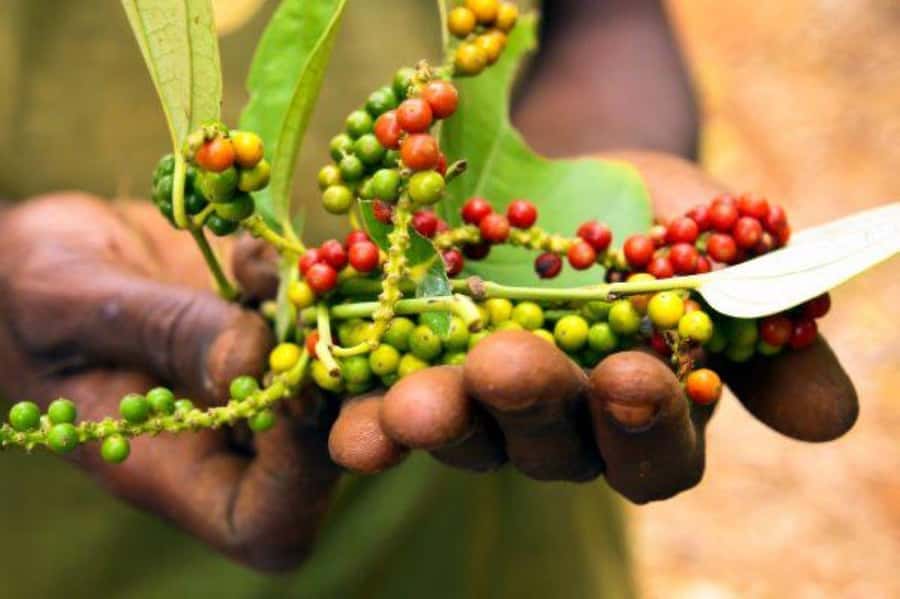
One of the coolest listed moments is the session about the coconut climber, also described as a butterfly. This is the kind of stop that sounds like a side note until you’re there and realize it’s part of the farm story.
You’ll also have a chance to taste fresh Zanzibar coco-cola. It’s clearly meant as a memorable, low-effort payoff—something you can enjoy immediately after learning about coconut and local ingredients.
If you’re the type who likes food experiences with a cultural explanation (instead of just tasting something random), you’ll probably get a lot out of this section. It fits the day’s theme: flavors with place.
Fruit Tasting: A Simple Session That Actually Adds Value
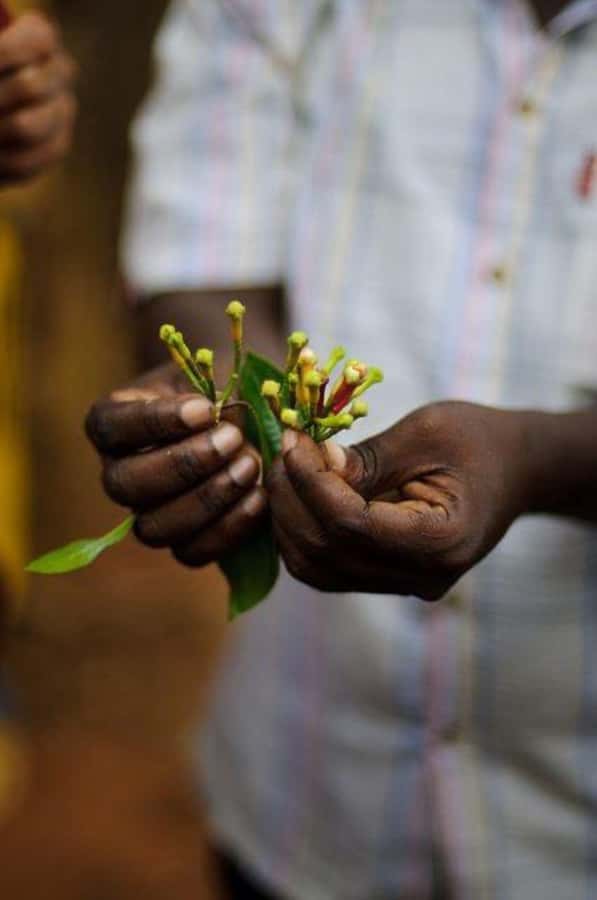
Near the end, there’s a fruit testing session. You’ll have time to taste some tropical fruit grown in Zanzibar.
This part is small but useful. Spice tours can sometimes get stuck in theory—names, history, and scents with no payoff. Fruit tasting gives you a quick way to compare flavors and understand what grows locally, right after you’ve been learning about spice plants.
It also makes the tour feel less rushed in the best way. You’re not just moving from one point to another. You’re pausing to experience.
If you like eating your way through destinations, this is a good match. If you don’t care much about fruit, at least it’s a chance to sample without needing a full meal (food is not included).
Stone Town Walking: History in a City Built for Stories

After the spice farm, the tour switches to Stone Town. This is where the “adventure” part makes sense: you’re not just watching a demo, you’re out exploring Zanzibar city and its history.
Stone Town can feel like a lot at first—tight streets, older architecture, and layers of cultural influence. What makes a guided walking portion worthwhile is the context. Your guide can point out what you’re seeing and explain the historical meaning behind it.
I also like that the guide is positioned to adapt your walk a bit. In one described experience, you could request visits to certain spots while wandering, and there was even a stop for a drink at one of the hotels if you asked. That flexibility matters when a city day is short.
One more thing: this walking portion isn’t just about the buildings. It’s also about how people used to live, trade, and move through the city. When someone can answer questions as you go, the city stops feeling like a checklist and starts feeling like a place you can picture.

Transfers and Timing: How to Get the Most from 4 Hours

The tour includes transfers from your hotel and back, which removes a big chunk of planning stress. That’s part of why this tour is a strong value for people with limited time.
Still, be realistic about the pacing. Four hours is enough for a meaningful introduction, not enough to become an expert in every spice or to spend hours inside every historical site. You’ll want to arrive with a few targets.
Here’s what I’d do if you’re picky (in a good way):
- Ask your guide early which spices you should pay attention to.
- Use downtime in the city to ask the history questions that interest you most.
- Wear comfortable shoes. Stone Town involves walking on uneven surfaces.
A small group also changes the rhythm. With fewer people, your guide can adjust pace and answer questions more directly. That’s great—just remember you’ll still cover a lot in a short time.
Price and Value: Is $95 Worth It?
At $95 per person for about 4 hours, this is not a budget street-food stroll. But the price lines up with the structure: transfer, a professional guide, entrance fees, bottled water, and fruit tasting.
If you compare this kind of tour to piecing things together yourself, the value depends on your goals:
- If you want both a farm experience and Stone Town context in one day, the bundled guide time is efficient.
- If you only care about one part—either the farm or Stone Town—you might feel it’s pricey for what you personally value.
- If you like guided storytelling and sensory learning, it’s easier to justify.
Reviews you can’t unsee in your head point to the same strong theme: people felt the guide and the way information was explained were key. Some also flagged that the day can feel like it runs a bit long, depending on what you’re hoping to get out of it—especially if you want heavier focus on history.
My practical take: this is good value when you treat it like an introduction and plan to go deeper on your own afterward.
Who This Tour Fits Best (and Who Should Pick Something Else)
This tour fits best if you want a short, high-impact day with a strong “taste and learn” focus. It’s ideal for:
- First-timers in Zanzibar who want both farm flavors and city history
- Food lovers who care about ingredient origins
- People who like questions and conversation with the guide
- Anyone with limited time between beach days
It might not fit as well if you want a long, slow-paced experience with lots of free time. Because the schedule is tight, you’re less likely to get extended browsing, deep museum-level exploration, or lots of long stops for photos in every corner.
Also, since food is not included, you should plan on eating on your own. Bring water enthusiasm, but don’t plan on a full meal inside the tour.
What to Ask Your Guide Before You Set Off

Since the guide is central to the experience, you’ll get more out of the day by asking smart questions. You don’t need to be an expert. Just show intent.
Here are question ideas that match what this tour is designed to cover:
- Which spices are most used in everyday cooking here, and how?
- What’s the coconut climber process like, and why is it described that way?
- What should I pay attention to as we walk Stone Town streets?
- Which spots in Stone Town are worth a quick extra stop if there’s time?
You’ll also benefit from asking about things you notice—plants, scents, architecture, materials—because the guide can turn what feels random into something meaningful.
In previous experiences, guides like Abdul and Stiero were described as friendly and responsive, with strong explanations in different languages (including German in one case with Stiero). Even if you don’t speak every language yourself, that multi-language support is a comfort.
Should You Book This Spice Farm and Stone Town Tour?
If you’re balancing time, energy, and curiosity, I’d say yes—especially if you’re new to Zanzibar and want a day that links flavors to place. The biggest strengths are the sensory spice farm session and a Stone Town walk that’s guided and question-friendly.
Skip it or consider a different option if you already know you want a long, unhurried city deep-dive, or if you only care about one half of the day. At 4 hours, this is best seen as an excellent introduction, not the only thing you’ll do in Zanzibar.
If you book, do it with one mindset: treat this as the day your senses get a shortcut to understanding Zanzibar.
FAQ
How long is the Zanzibar Spice Farm Tour and Stone Town Adventure?
The tour lasts 4 hours.
What does the tour cost?
The price is $95 per person.
Where are pickup and drop-off locations?
Pickup is from Zanzibar, and the tour returns you back to Zanzibar.
What’s included in the price?
Included are transfers from your hotel and back, a professional tour guide, entrance fees, bottled water, and fruit tasting.
Is food included?
No. Food is not included, and you’ll need to handle personal needs on your own.
What languages are available for the tour guide?
The tour guide offers English, French, German, Spanish, and Italian.
Is this a group tour or a private-style experience?
It’s listed as a small group, limited to 1 participant.
What do you taste during the tour?
You’ll have a fruit tasting session, and there’s also a chance to taste fresh Zanzibar coco-cola.
What is the cancellation policy?
Free cancellation is available up to 24 hours in advance for a full refund.