REVIEW · ZANZIBAR CITY
Zanzibar Spice Farm Half-Day Walking Tour
Book on Viator →Operated by ARP Travel Group · Bookable on Viator
Spices have a soundtrack on Zanzibar. This half-day walking tour mixes a village spice-trade history lesson with hands-on tree-to-table tastings, plus pickup and a quick Stone Town stop at Hamamni Persian Baths. I like the guide-led walking pace and the practical explanations of how spices are grown and used, and I like that you get time for spice shopping at the end. One thing to plan for: the community spice shop can be on the pricey side, so go in with a budget.
You’re looking at about 3 hours total, with morning or afternoon departures, so it fits neatly between beach time and Stone Town wandering. It’s a private experience for just your group, which makes it easier to ask questions as you walk past plantations and see workers climbing into spice trees. Dress matters here—this isn’t a sloppy-casual stroll—so bring clothes that cover up.
In This Review
- Key moments that make this spice tour worth your time
- Price and logistics: what $75 buys you (and what it doesn’t)
- Hamamni Persian Baths: the free Stone Town history stop
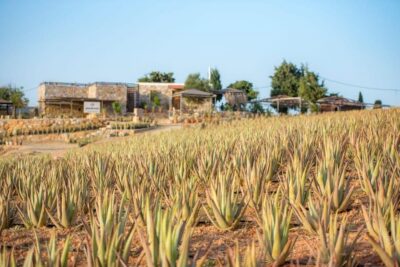
- Walking spice farms: what the countryside walk is really like
- Sampling spices and field-fresh fruit: the best part for most people
- Learning Zanzibar’s spice trade story without getting lost in facts
- Spice shop time: enjoy it, but go in with a budget
- What to wear and bring for a 3-hour walking tour
- Guide quality and group size: private usually means better questions
- Who should book this spice farm walking tour
- Should you book it or skip it?
- FAQ
- How long is the Zanzibar Spice Farm Half-Day Walking Tour?
- What’s included in the tour price?
- Does the tour include food or drinks?
- Is there a stop at Hamamni Persian Baths, and is admission included?
- What should I wear for the tour?
- Is this tour private?
- What is the cancellation policy?
Key moments that make this spice tour worth your time
- Guided walking through real spice cultivation in Zanzibar villages and plantations
- Hamamni Persian Baths stop in Stone Town, with free admission
- Hands-on sampling of spices and field-fresh fruit during the walk
- Clear explanations of the spice trade, including how spices are valued
- Shopping time for spices and local produce at the end of the tour
- Hotel pickup and drop-off so you spend more time in the countryside than navigating
Price and logistics: what $75 buys you (and what it doesn’t)
At $75 per person for about 3 hours, this isn’t a bargain-basement “quick look” tour. You’re paying for a live guide, hotel pickup and drop-off, and a walking format that keeps you close to what’s growing. If you want real context—how Zanzibar’s spices are produced and why they matter—this price starts to make sense.
What you should budget for: food and drinks are not included. That matters if you’re doing the tour midday or right before dinner in Stone Town. Also, souvenir photos are available to purchase, but they’re not part of the price, so plan on skipping them unless you really want a souvenir.
Good to know: confirmation comes within 48 hours of booking, based on availability, so it’s best not to book this as your last-minute plan.
You can also read our reviews of more tours and experiences in Zanzibar City.



Hamamni Persian Baths: the free Stone Town history stop
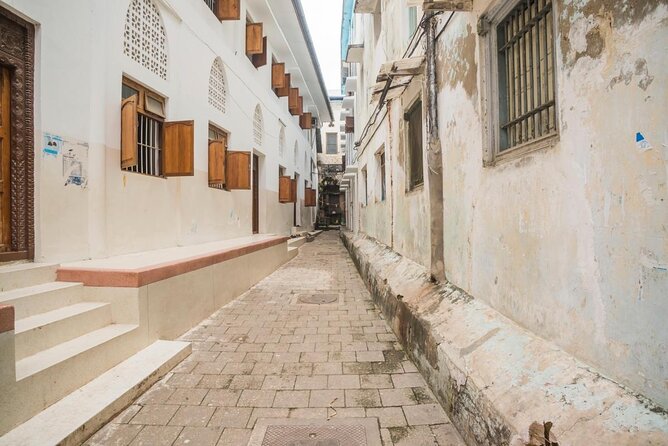
Your first stop is the Hamamni Persian Baths, set in a historical building in Stone Town. The neighborhood name, Hamamni, is tied to where the baths are located, and the building itself dates back to a major period of Zanzibar’s urban development.
These baths were built between 1870 and 1888 for Sultan Barghash bin Said, used as public baths until about 1920. Even though your time here is short—about 15 minutes—it’s a strong way to frame the day: Zanzibar’s spice wealth didn’t just shape farms, it shaped the whole island’s culture and trade.
One practical note: admission is free for this stop, so you can focus on the storytelling instead of pulling out your wallet early.
Walking spice farms: what the countryside walk is really like

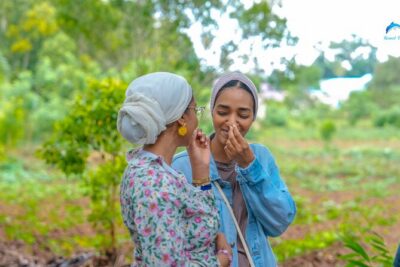
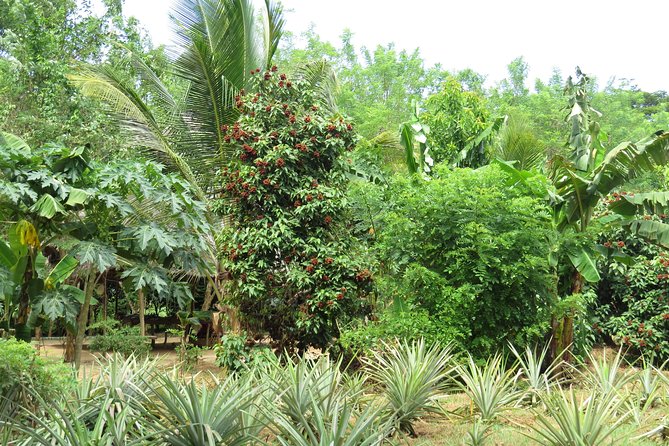
This is built as an aromatic walking tour through Zanzibar’s village farms and plantations. You’ll explore on foot with a professional guide, moving at a pace that lets you look closely at how spices and fruits grow, not just speed past them.
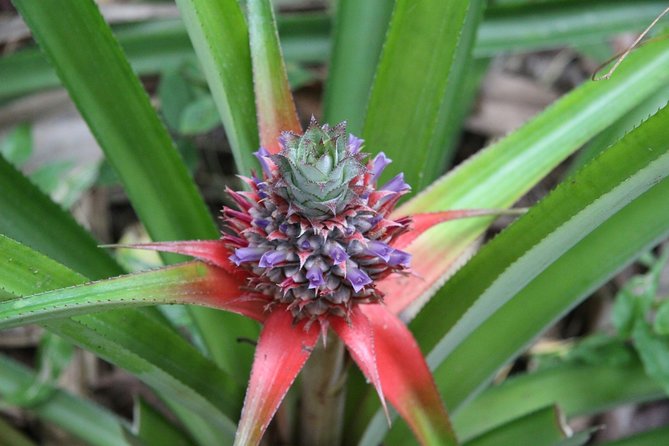
A big part of the experience is seeing cultivation up close. You should expect to spot spice trees and learn how workers care for and harvest them. One of the most interesting details you’ll hear about is how workers sometimes climb into spice trees during harvesting—if you’ve only seen spices as jarred products, this is the moment that makes them feel real.
The walking format also gives you something buses and vans usually miss: sensory context. When you’re outside among the plants, spice isn’t just information—it’s smell, shade, and the rhythm of farm life. If you’re the kind of traveler who likes to ask why things are done a certain way, the guide-led approach works well.
Duration is about 3 hours total, so think of this as “half-day” in the true sense: you’ll get meaningful time on the farms, but you won’t be out all afternoon.
Sampling spices and field-fresh fruit: the best part for most people
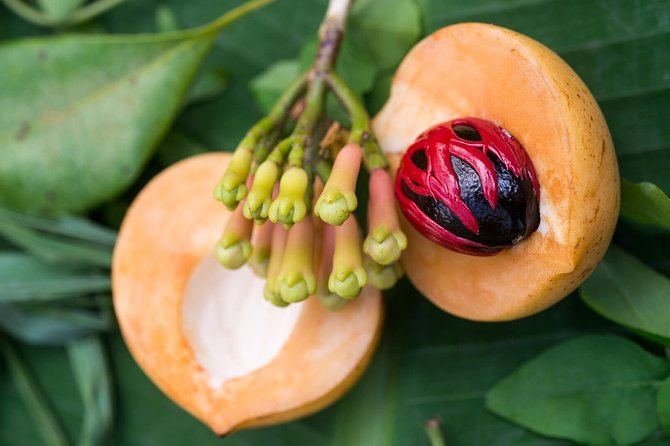
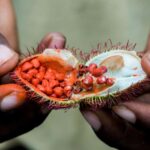
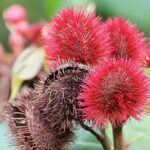
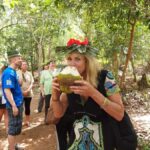
The tour includes samples of spices and fruits fresh from the field. That’s not a throwaway perk. It’s the closest thing you can get on a short tour to understanding spice beyond taste—because you learn what you’re tasting and why it’s used.
Here’s the kind of spice trade reality you should be ready for: you’ll learn how some spices are regulated and priced. For example, cloves are only sold through the government, and after saffron, cloves are among the most expensive spices. That pricing structure makes the entire history lesson click. When something is controlled, rare, or hard to produce, the market behaves differently—and Zanzibar’s story is tied to that.
At the end of the walk, you should also expect local fruit as part of the experience. It’s a gentle way to shift from “spice facts” to something you can actually eat and enjoy immediately.
Learning Zanzibar’s spice trade story without getting lost in facts
Spice tours can go one of two ways: either you get generic hype, or you get a clear narrative. The best part of this one is that the guide’s explanations focus on how Zanzibar’s spice identity works in real terms—growth, harvest, and use.
You’ll hear about the history of the Zanzibar spice trade, and it helps to connect the dots between rural cultivation and the island’s urban history. The Hamamni Persian Baths stop isn’t random—it’s a reminder that spice wealth has long influenced the places people built, lived in, and traded from.
The conversation also helps you shop smarter later. If you understand why cloves and saffron are priced differently, you’ll be less likely to feel “sold to” and more likely to feel informed.




Spice shop time: enjoy it, but go in with a budget

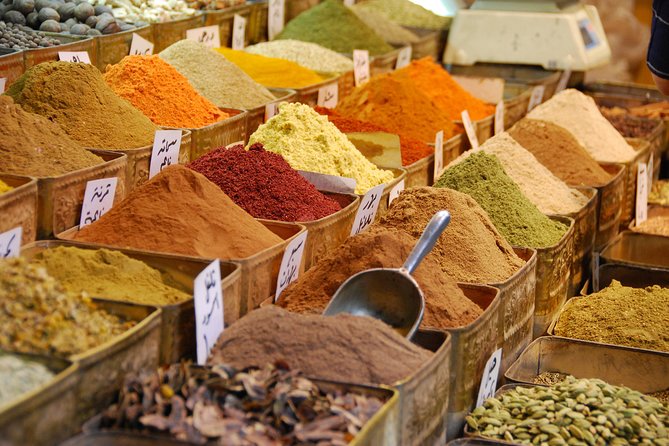
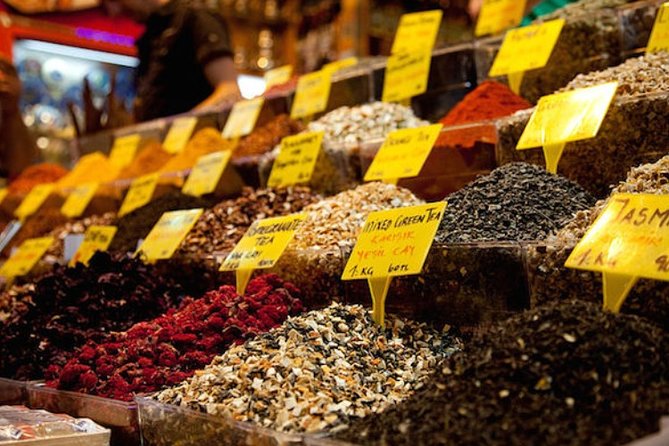
The tour is set up so you have perfect time to shop for spices at the end. That’s ideal if you want to take something home without running around Stone Town hunting for the same product in five different places.
Still, there’s a catch: the community spice shop can be a little expensive. You may feel the price difference quickly, especially if you’ve been comparing against cheaper souvenir stalls. The good news is you’re not just buying a jar—you’re buying context. By the time you get to the shop, you’ve seen how spices are cultivated and you’ve heard why some are harder to get or more tightly controlled.
Practical tip: if you’re serious about buying, decide on your list before the shop doors open. Focus on a few items you’ll actually use—like whole spices you can grind at home—rather than stocking up on everything because it smells great.
What to wear and bring for a 3-hour walking tour
This tour asks for a formal dress code. It’s not about looking fancy; it’s about dressing conservatively. Women should cover their shoulders and wear long skirts or trousers. Plan for the walk, too, because the farms can be uneven.
I strongly recommend good walking shoes. The tour isn’t described as extreme hiking, but it does involve a moderate amount of walking and farm terrain. If you have balance issues or hate walking on rough ground, you’ll want to think twice.
Also bring your day basics. Since food and drinks aren’t included, decide if you want water for the walk. If you’re doing the tour before a meal, make sure you’ll have time to eat afterward.
Guide quality and group size: private usually means better questions
This is a private tour/activity, meaning it’s just your group. That small detail changes the vibe. Instead of watching the guide talk to a crowd, you’re more likely to get personal answers while you walk past spice trees and sampling stations.
The guide may be multi-lingual, which is helpful for comfort and for making sure you understand the history and practical details. And because the tour includes tasting and shopping time, having a guide who can explain what you’re seeing makes the whole day feel less like a stop-and-go errand.
Who should book this spice farm walking tour
This tour is a good match if you:
- Want a short, guided walk in the countryside without committing to a full-day excursion
- Like learning how products are made—especially something as “everyday” as spices
- Enjoy tasting experiences that connect directly to what you’re told
- Prefer hotel pickup and drop-off so you can relax and keep your day simple
It may be less ideal if you:
- Don’t like walking much or hate uneven outdoor ground
- Only want a shopping tour and don’t care about the spice trade story
- Are hoping for a tour that includes drinks or a full meal
Should you book it or skip it?
I’d book it if you want Zanzibar flavor with context. The big strengths here are the walking format, the sampling of spices and field-fresh fruit, and the way the guide ties the farm side to the island’s trade history. It’s also a smart choice when you want a countryside experience without giving up half your day.
Skip it if you’re on a tight food-and-drink budget and you hate any chance of higher-priced shopping stops. With food and drinks not included, you’ll want to plan your timing and eat before or after.
If you’re ready to dress conservatively, wear walking shoes, and spend a few hours learning why cloves and saffron are valued the way they are, this is a solid way to spend time beyond Stone Town streets.
FAQ
How long is the Zanzibar Spice Farm Half-Day Walking Tour?
It lasts about 3 hours.
What’s included in the tour price?
The tour includes a professional guide and hotel pickup and drop-off.
Does the tour include food or drinks?
No. Food and drinks are not included.
Is there a stop at Hamamni Persian Baths, and is admission included?
Yes. You visit Hamamni Persian Baths for about 15 minutes, and admission is free.
What should I wear for the tour?
The dress code is formal and conservative. Women should cover their shoulders and wear long skirts or trousers.
Is this tour private?
Yes. It’s listed as a private tour/activity, so only your group participates.
What is the cancellation policy?
You can cancel up to 3 days in advance for a full refund. Canceling less than 3 days before the start time does not receive a refund.