REVIEW · ZANZIBAR CITY
Zanzibar: Spice Farm Tour with Traditional Cooking Class
Book on GetYourGuide →Operated by Bluecity Tours Zanzibar · Bookable on GetYourGuide
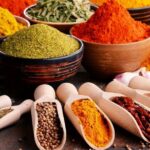
A day in Zanzibar that smells like vanilla and cinnamon is hard to beat. This spice farm tour mixes rural farm walks with a practical traditional cooking class, so you’re not just tasting the story—you learn how the ingredients actually grow. You also get context on why Zanzibar became famous for trade and exploration, tied directly to the plants you’ll see.
I especially like two things: first, the chance to walk through the farm and learn how spices such as cardamom, ginger, vanilla, coffee, nutmeg, cinnamon, and lemongrass are grown and harvested; second, the cooking side is hands-on, using authentic materials and instructions from a local chef who turns the day’s ingredients into Zanzibar-style Swahili food.
One thing to consider: the advertised 6 hours can run shorter depending on the day, with some groups finishing closer to about 3.5 hours. If you have a tight schedule back in Stone Town, build in a buffer.
In This Review
- Key moments to look for
- Spice Island, up close: what makes this tour different
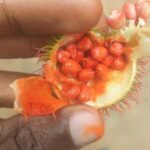
- Three farm sections and the spices you’ll actually learn
- The coconut detail you shouldn’t skip
- A historical thread, not just plants
- Cooking class style: Zanzibar hands-on, not kitchen theater
- Coconut milk: the kind of skill you can reuse
- You may want a recipe fallback plan
- The meal and the chat: how Swahili flavors land
- Price and timing: is $47 good value?
- Timing reality check
- Logistics that actually matter on the day
- What to bring
- What to avoid
- Language support
- What you get transported
- Who this tour fits best
- Practical tips to make your spice-farm day smoother
- Should you book this spice farm cooking tour?
- FAQ
- How long is the Zanzibar spice farm tour?
- Where is the pickup location?
- What is included in the price?
- What spices will we see and learn about?
- Will we cook as part of the tour?
- Do we eat the meal we cook?
- Can we buy spices during the tour?
- What should I bring?
- Are there any restrictions on alcohol?
- What languages is the guide available in?
Key moments to look for

- Three farm sections: You visit multiple parts of the spice farm, not just a quick photo stop.
- Real spice education: You’ll learn what to plant and how long it takes for spices to be ready for use.
- Coconut climber moment: You may be able to see a coconut climber (butterfly) and young coconut for the first time in Zanzibar.
- Hands-on Swahili cooking: You’ll cook with a local chef using ingredients sourced from a workshop.
- Taste the finished meal together: You eat what you help make, with time to chat during the meal.
Spice Island, up close: what makes this tour different
Zanzibar’s spice reputation is easy to sell. What’s harder—and far more satisfying—is seeing how spices live in the ground, how they’re handled, and how they end up in Swahili cooking. That’s what makes this experience feel practical instead of performative.
The farm visit is set in the Unguja South Region, with pickup from Stone Town. You’ll spend the day moving between sections of a small farm where spices grow in a real, working setting. And when it’s time to eat, the cooking happens with authentic ingredients and materials that the local chef has already gathered at a nearby workshop.
At $47 per person for a roughly half-day experience, you’re paying for more than a meal. You’re also getting transport from Stone Town (around hotels), entrance fees, a guide, and bottled water—so the value comes from stacking several parts of the day into one ticket.
You can also read our reviews of more tours and experiences in Zanzibar City.



Three farm sections and the spices you’ll actually learn
This isn’t a single-stop spice display. You physically visit three parts of the farm, and each one is meant to teach you something. The guide points out plants and explains how they’re used, but the stronger part is how the explanations connect to farming: how you grow them, what to watch for, and how long they take to be ready.
Here are the spices you can expect to encounter:
- Cardamom
- Ginger
- Vanilla
- Coffee
- Nutmeg
- Cinnamon
- Lemongrass
What I like about a list like this is that it’s not just trivia. These are flavors that show up across Swahili cooking—so once you learn the plant, you’ll recognize the role it plays once you’re back in the kitchen. Even if you’re new to cooking, the guide’s explanations help you connect spice to scent to flavor.
The coconut detail you shouldn’t skip
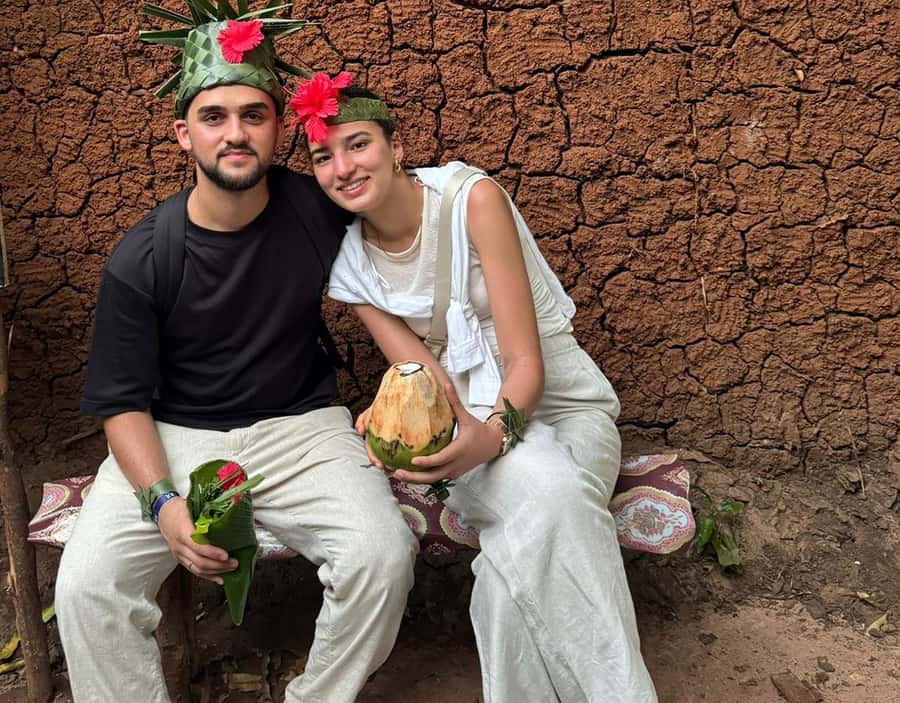
One of the most memorable “first time” moments here is getting to see a coconut climber (butterfly) and young coconut. If you’ve only ever seen coconuts in markets or on the beach, seeing young coconut in its natural setting changes the whole mental image. It also adds a little variety beyond the spice focus, which keeps the farm walk from becoming repetitive.
A historical thread, not just plants
The tour also includes historical insight into a former era of trade and exploration. This matters because it turns the farm from a collection of smells into a reason Zanzibar became important in the first place. Ask the guide how the spice routes shaped what people grew and valued—and how that legacy shows up in what you eat today.
Cooking class style: Zanzibar hands-on, not kitchen theater
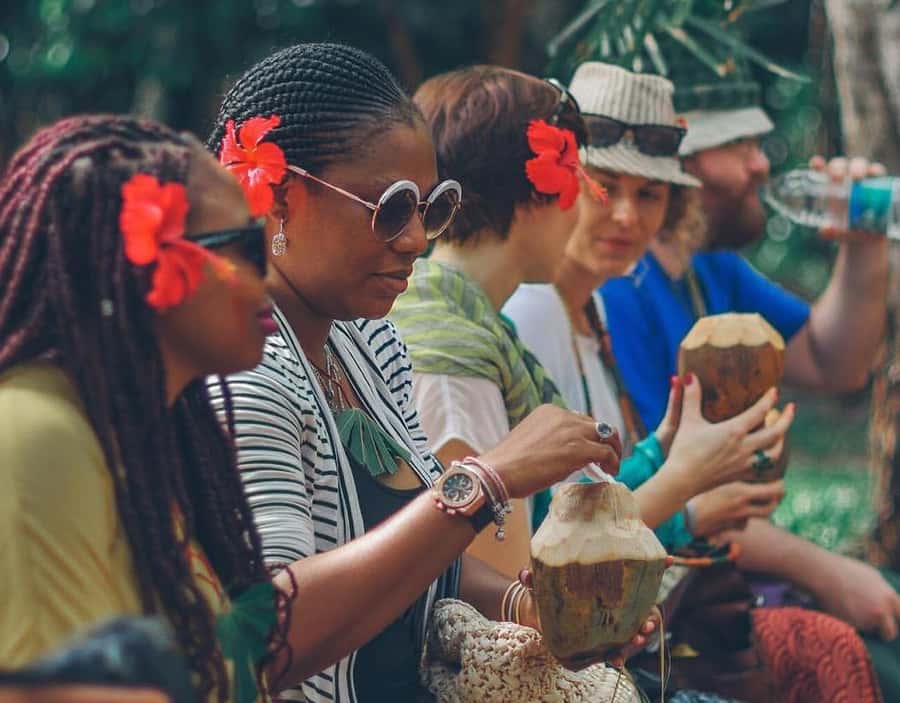
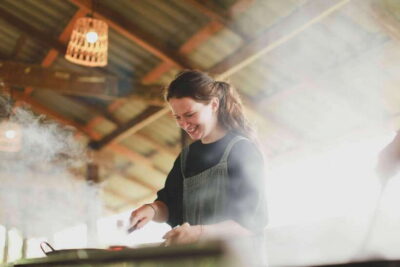
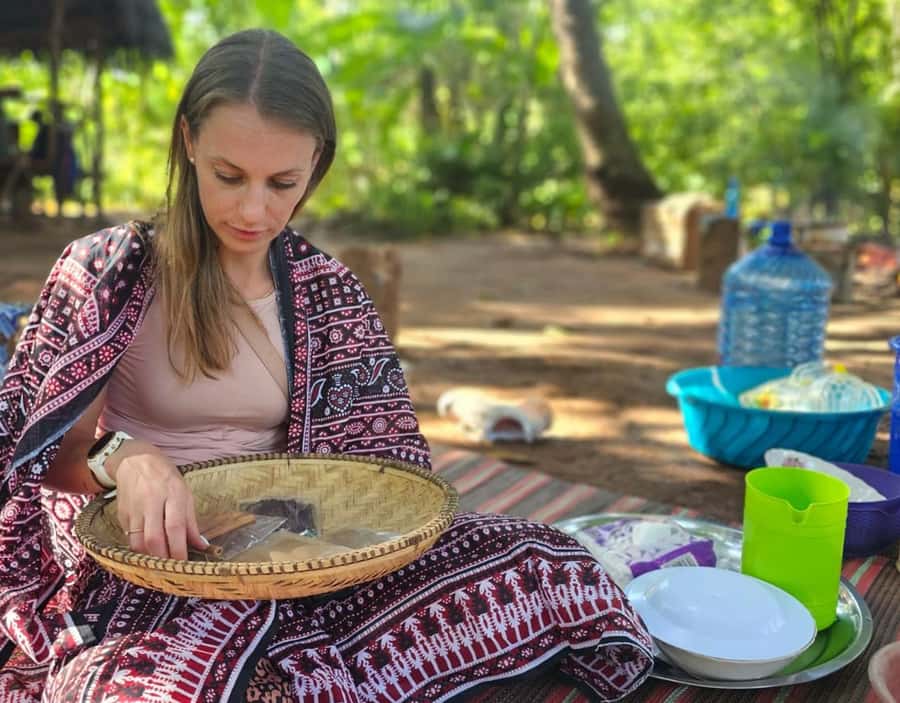
After the farm portion, the day shifts to the kitchen training. This is where you stop being a spectator. Instead, you’ll work with ingredients and materials that were already collected from a workshop by a local woman who acts as the chef for the class.
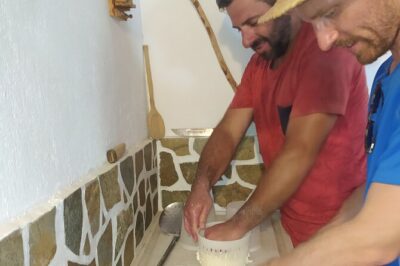
You’ll get instructions on how to use items properly and how to prepare original Zanzibar-style cuisine. The class format is built around practical participation: you’re not just watching someone else cook. From what’s described, each person gets a role—often with chopping and hands-on prep—while the chef keeps things moving and explains what you’re doing and why it matters.





Coconut milk: the kind of skill you can reuse
One of the standout learning points is making coconut milk yourself during the cooking process. That’s a skill with real payoff. Even if you can’t reproduce Zanzibar exactly at home, coconut milk techniques (and the flavor you get from fresh preparation) are something you’ll notice the next time you cook Swahili-style dishes or any curry.
You may want a recipe fallback plan
A small practical caution: an actual written recipe isn’t specifically mentioned. If you love cooking and you want a way to repeat dishes later, come prepared to take notes during the class (even quick bullet notes for spices and steps). During cooking, it can be hard to remember exact amounts later unless you capture them on the spot.
The meal and the chat: how Swahili flavors land
Once the food is ready, you share the meal with your chef. This part feels relaxed and social. Instead of rushing you out after the cooking finishes, you get time to eat and talk.
That conversation piece matters more than it sounds. When someone explains what they cook and why, you absorb the logic behind the flavors—how spices balance sweetness, heat, and aroma, and how coastal cooking styles differ from inland traditions. It’s also where the tour’s “Spice Island” theme turns into something personal: you’re tasting the result of the farming lessons.
Price and timing: is $47 good value?
$47 per person for about half a day can feel either fair or high depending on what’s included. Here, the value comes from the structure:
- Pickup and drop-off from Stone Town hotel areas (transport is part of the package)
- Entrance fees
- A tour guide
- Bottled water
- A cooking experience that leads to a meal
If you were to book transport, pay entrance fees, and then add a separate cooking class later, you’d likely spend more and lose the flow of linking farm ingredients to the final dish. In other words, the price works best when you want a full sensory day: plants, prep, cooking, and eating.
Timing reality check
The advertised duration is 6 hours, but there’s evidence that some days run closer to 3.5 hours. That doesn’t necessarily mean the experience is cut short in a bad way—it may just reflect how the day is organized. Still, if you have a hard deadline in Stone Town (dinner reservations, a pickup for another activity), give yourself extra slack.
Logistics that actually matter on the day
Small details can make or break a farm tour day.
What to bring
- Comfortable shoes (farm paths can be uneven)
- Cash (you may want cash for personal needs and possibly to buy spices on site)
What to avoid
- No alcohol and no drugs during the activity
Language support
The live guide supports English, French, Italian, and German. If you have a language preference, check it when you book so you’re not stuck doing everything in English only.
What you get transported
Pickup is available around Stone Town hotels, and you return back to Stone Town at the end. That’s a big plus if you don’t want to figure out local transport after a hands-on cooking session.
Who this tour fits best
This is a great choice if you want:
- Real food education tied to farming, not just tasting
- A small, interactive experience where you do more than watch
- The combination of farm sights plus a Swahili cooking lesson that leads to eating together
It may be less ideal if you:
- Want a strict, exact schedule to the minute (since time can vary)
- Prefer a long, slow sit-down lecture with no hands-on tasks
Practical tips to make your spice-farm day smoother
- Arrive ready for movement. Comfortable shoes matter more than people expect.
- Bring a small notebook (or notes app) for spice names and steps, especially if you want a recipe later.
- Plan for negotiation only if you’re shopping. If you want to buy spices on site, you’ll likely need to bargain, so don’t assume the first price is final.
- Ask the guide how long each spice takes to be ready. That timing detail is one of the most useful takeaways and helps you understand how spice supply works.
Should you book this spice farm cooking tour?
If your goal is to understand what Zanzibar means by Spice Island, I’d say it’s worth booking. The best part is the connection: you see spices growing, you learn how they’re cultivated and harvested, then you cook and eat with that knowledge in hand. The cooking portion feels especially valuable because it’s hands-on and includes practical learning like making coconut milk.
Book it if you like farm-to-table experiences, want Swahili cooking skills you can reuse, and don’t mind that the day’s exact length may vary a bit.
FAQ
How long is the Zanzibar spice farm tour?
The duration is listed as 6 hours. On some days it may run shorter, around 3.5 hours.
Where is the pickup location?
Pickup is from Stone Town, with transport available around Stone Town hotels.
What is included in the price?
Included are transport (pickup and drop-off), entrance fees, a tour guide, and bottled water.
What spices will we see and learn about?
You can expect to see and learn about cardamom, ginger, vanilla, coffee, nutmeg, cinnamon, and lemongrass.
Will we cook as part of the tour?
Yes. You’ll join a cooking training session with a local chef and learn how to use ingredients and prepare Zanzibar-style cuisine.
Do we eat the meal we cook?
Yes. When the meal is ready, you and the chef can enjoy the food together.
Can we buy spices during the tour?
You might be able to buy spices on site. If you do, be prepared to negotiate.
What should I bring?
Bring comfortable shoes and cash.
Are there any restrictions on alcohol?
Alcohol and drugs are not allowed.
What languages is the guide available in?
The live tour guide is available in English, French, Italian, and German.