REVIEW · COZUMEL
Cozumel: Hands-On Chocolate, Tortilla, Salsa & Honey Experience
Book on Viator →Operated by Visit Cozumel Shuttles & Tours. · Bookable on Viator
Cozumel tastes like chocolate and bees. This 4-hour private outing at Tierra Maya turns Mayan food traditions into hands-on steps, ending with a honey tasting that includes the sacred Melipona bee. You can go at your own pace, thanks to the fully private, customizable format.
I especially like the fact that you don’t just sample. You make tortillas from fresh dough using a traditional press, and you learn salsa prep with stone tools—real technique, not a quick demo. I also think the guide quality matters a lot here; in at least one excellent experience, Charlie brought flexibility and lots of local context to keep the whole thing moving.
One drawback to plan for: food isn’t included beyond the tastings. You’ll finish the workshop full of flavor, but you’ll still want to eat a proper meal afterward.
In This Review
- Key Highlights (What Makes This Tour Worth It)
- Tierra Maya: The Jungle Setting That Turns Tastings Into Skills
- Mayan Cacao Chocolate: More Than Just a Sweet Sample
- Salsa With Stone Tools: Zik’il P’aak and Traditional Techniques
- Handmade Tortillas: Fresh Dough and a Traditional Press
- Sacred Bees and Melipona Honey Tasting: Two Species, Real Comparisons
- Seasonal Local Liqueurs: Planning for the End of the Tour
- Price and Logistics: When $249 Per Group Actually Feels Fair
- Timing Your Day on Cozumel: Eat Smart Around the Tastings
- Who This Experience Fits Best (And Who Might Prefer Something Else)
- Should You Book This Cozumel Chocolate, Tortilla, Salsa & Honey Tour?
- FAQ
- How long is the Cozumel hands-on chocolate, tortilla, salsa & honey experience?
- Is this tour private?
- What’s the group size limit for the price?
- Is food included?
- What activities are included at Tierra Maya?
- What language is the tour offered in?
- What happens if weather is poor?
Key Highlights (What Makes This Tour Worth It)
- Hands-on cacao chocolate workshop using Mayan stone tools
- Stone-tool salsa making, including Zik’il P’aak and traditional salsas
- Handmade tortillas pressed from fresh dough
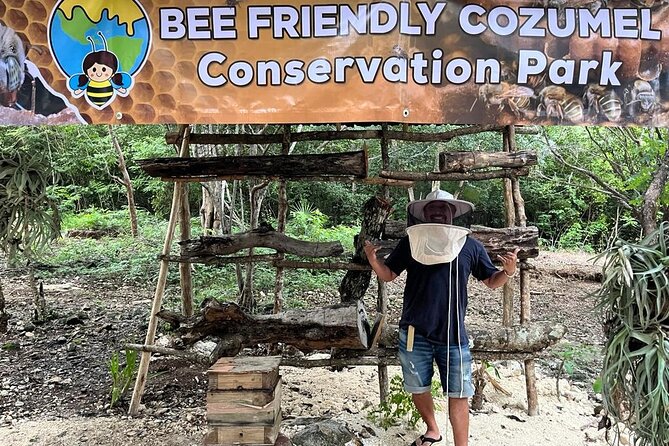
- Honey tasting with two bee species, including Melipona (Meliponini)
- Seasonal local artisanal liqueurs made from regional fruits and ingredients
- Private transport and an optional island drive when time allows
Tierra Maya: The Jungle Setting That Turns Tastings Into Skills
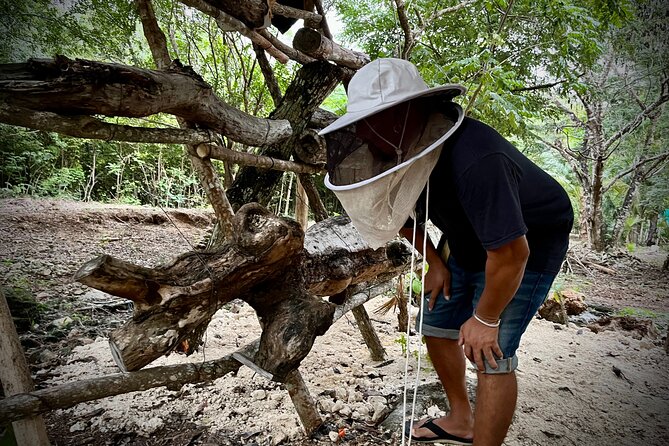
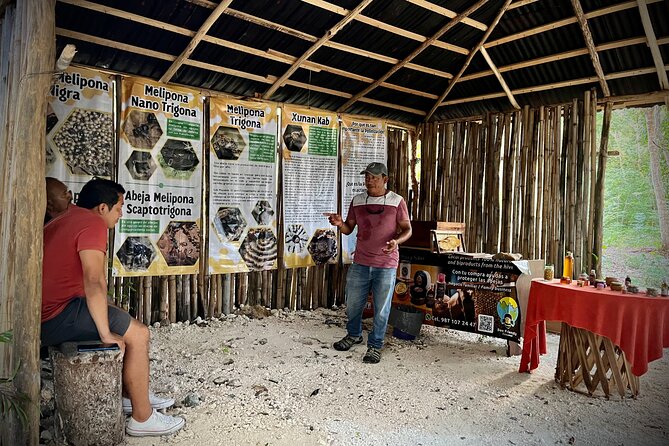
The big idea behind this experience is simple: you learn by doing. The setting is a jungle venue at Tierra Maya, so it feels grounded and practical—less like a factory tour, more like a working tradition you’re borrowing for an afternoon. You’re not racing through stations; it’s designed to be private and customizable, which means the pace can fit your group.
You start with transportation in an air-conditioned vehicle, plus admission to the Tierra Maya venue. Since it’s only your group, you’re not stuck waiting on a big crowd to finish one step before moving to the next. That matters for the hands-on parts, because salsa and dough don’t care about anyone’s schedule.
The vibe is also good if you like food experiences that explain the why. There’s honey science in there (two bee species), and there’s food craft in there (stone tools, tortilla press). And because it’s in English, you’ll get the explanation while you work, not after you’re done.
Mayan Cacao Chocolate: More Than Just a Sweet Sample
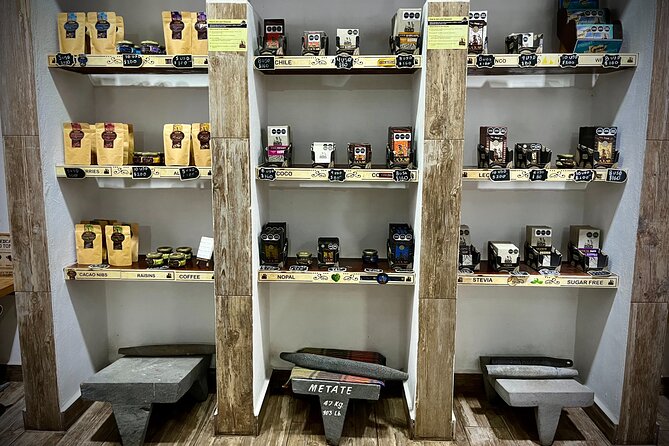
The chocolate workshop is built around Mayan cacao traditions, and the hands-on part is the point. You’ll work with the cacao using Mayan stone tools, which adds texture to the learning. It turns chocolate from a store-bought product into something you can picture being made step by step.
Why I like this approach: it’s memorable because your hands get involved. When you physically do things—grinding or working ingredients—you remember more than you would from a tasting tray. It also helps you understand what you’re tasting later in the day, including how strong, earthy, or sweet different chocolate preparations can be.
A practical consideration: cacao-based workshops can run a bit messy. Plan for that feeling of food craft rather than a polished restaurant experience. The good news is that you’re doing it as part of a 4-hour program, so you’re not rushing, sweating, and scrambling. It’s one flowing session with multiple stations.
Salsa With Stone Tools: Zik’il P’aak and Traditional Techniques
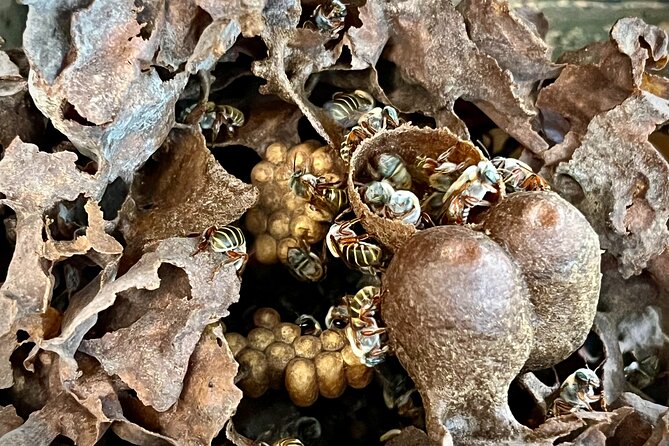
Salsa-making is often treated like a casual add-on. Here, it’s a real workshop station. You’ll make salsa using stone tools, and you’ll also hear about and work with Zik’il P’aak alongside traditional salsa styles.
This is one of the most useful parts of the tour if you cook at home. Stone tools change how ingredients feel and break down, and salsa makers often care about that texture. Even if you never recreate the exact method back home, you’ll leave with a better sense of what makes a salsa taste balanced—how heat, acidity, and aromatics behave when you work them the right way.
Another plus: the guide can tailor the pace because it’s private. If your group wants to slow down and ask more questions at the salsa station, you can. If you learn best by doing and want to move quickly through steps, you can also do that. That flexibility is hard to get on bus-style food tours.
Handmade Tortillas: Fresh Dough and a Traditional Press
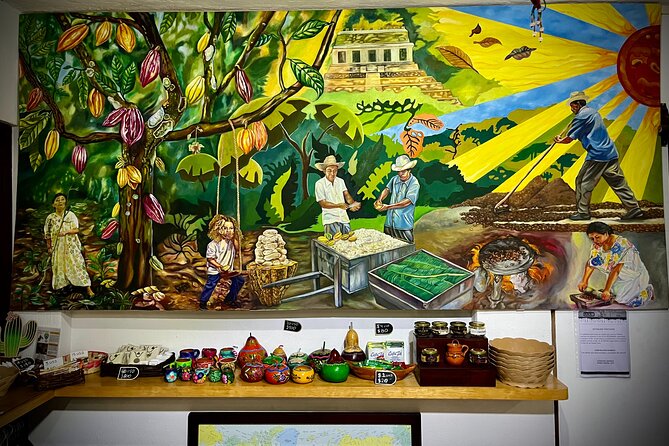
This is the station where you’ll see why tortillas are more than a side dish. You’ll make handmade tortillas using fresh dough and a traditional tortilla press. The press step is the key detail, because it’s not just cooking—it’s shaping, consistency, and method.
What you’ll learn matters even if you don’t plan to cook like a Mexican home cook. Tortilla consistency is the difference between a tortilla that folds easily and one that cracks. And because you’re pressing dough yourself, you get that feel right away.
Also, tortillas are a great pacing anchor in the day. After the cacao and salsa stations, you get a different kind of activity—more rhythmic and hands-on. That makes the whole 4 hours feel varied rather than repetitive.
One more practical note: since food isn’t included as a full meal, these tortilla and salsa tastings matter even more for your energy. I’d treat them like your main snack/meal for the day, then plan dinner after the tour.
Sacred Bees and Melipona Honey Tasting: Two Species, Real Comparisons
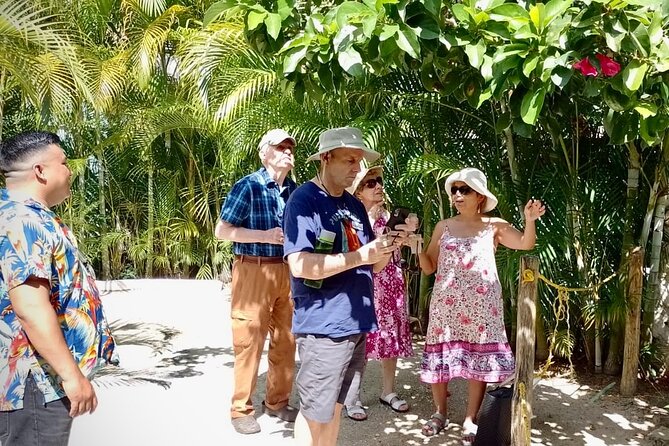
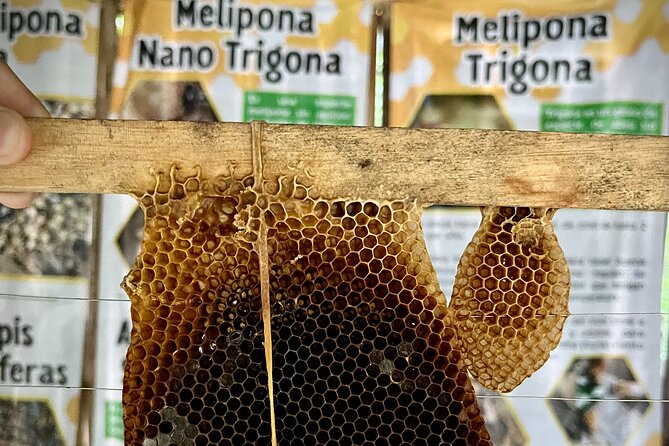
The honey tasting is a highlight because it’s specific. You’ll taste honey from two different bee species, including Melipona (Meliponini), often described as sacred. That gives the tasting real context rather than just a simple sweet comparison.
I like tastings where you can compare like-for-like. Here, you’re tasting different honey types side by side, so your group can actually notice differences in aroma and flavor. And because the tour explicitly names the bee species, you’re not left guessing which honey came from where.
Even better: this station connects food to nature in a straightforward way. It’s not a lecture about bees; it’s a tasting tied to the animals behind the ingredients. If your group is the type that asks questions about why something tastes the way it does, this part will land.
If you’re sensitive to strong flavors, go easy at first. Honey can be intensely aromatic, and the comparison can take a second for your palate to adjust. Taking it slow here keeps the whole experience pleasant instead of overwhelming.
Seasonal Local Liqueurs: Planning for the End of the Tour
The day doesn’t end after the bees. You also get seasonal tastings of local artisanal liqueurs made from regional fruits and ingredients. Because these vary by season, the exact flavors you’ll taste depend on when you go.
That seasonality is a value in disguise. You’re not buying a standardized product that tastes the same every month. Instead, you’re trying what’s locally available at that time, which gives your visit a built-in reason to come back later if you enjoyed it.
Just keep your planning in mind. If you’re trying to fit this into an itinerary that also includes beach time, snorkeling, or a long evening, you may want to pace yourself with the tastings. It’s included, but it’s still alcohol, and you’ll likely want to stay comfortable for the rest of your day.
Price and Logistics: When $249 Per Group Actually Feels Fair
At $249 per group (up to 4 people), this tour is priced for groups rather than per person. That can make a big difference on a short Cozumel schedule, especially if you want a private experience without private-excursion pricing that climbs fast.
The value comes from the “hands-on” factor. You’re getting instruction plus admission plus a set of multiple workshop stations—cacao with stone tools, salsa with stone tools, tortilla press work, honey tasting from two species, and seasonal liqueurs—plus private transportation in an air-conditioned vehicle.
Duration is about 4 hours, which is a sweet spot: long enough to learn several crafts, short enough that you don’t lose an entire day. It’s also private and fully customizable, so you can often adjust the pace if your group runs fast or slow.
A smart planning tip: this is commonly booked about 22 days in advance. If you’re traveling in peak season or on a tight schedule, book earlier rather than hoping for last-minute space.
Timing Your Day on Cozumel: Eat Smart Around the Tastings
Because food isn’t included as a full meal, I’d treat this tour like your core food block. The tastings and what you make—especially tortillas and salsa—will likely be the closest thing you get to a substantial meal during the tour window.
So plan your day with a dinner gap afterward. If you try to stack a late-night dinner right at tour end, you might feel like you’re rushing your appetite. If you’re the type who likes a slow sit-down dinner, schedule it after a short break.
Also consider the venue’s nature: it’s described as a jungle setting, and the experience requires good weather. That means you should be ready for a day that stays flexible. If weather pushes things, you’ll either be offered a different date or a full refund, but you still want a plan that won’t collapse if the afternoon shifts.
Who This Experience Fits Best (And Who Might Prefer Something Else)
This tour is ideal if you want a true food-craft experience rather than a quick show. If your group loves tasting but also likes hands-on learning—mixing, pressing, grinding, building—you’ll get a lot out of it.
It’s also great for couples or small families who want privacy. Since it’s only your group, you can keep the pace comfortable and ask questions without feeling like you’re holding everyone up.
On the other hand, if your top priority is a long beach day, snorkeling session, or a major sightseeing route, this may feel like a different type of time on Cozumel. It’s not built around beaches or reefs; it’s built around one focused venue and multiple food traditions.
Should You Book This Cozumel Chocolate, Tortilla, Salsa & Honey Tour?
I’d book it if you want an authentic, hands-on Cozumel food experience with a nature connection. The combination is hard to beat: cacao workshop with Mayan stone tools, salsa making with stone tools and Zik’il P’aak, tortilla pressing from fresh dough, and a honey tasting that includes Melipona.
I’d hesitate only if you’re looking for a full meal included in the price or you have very rigid timing that can’t handle a weather-based reschedule. Otherwise, for a half-day commitment, it’s a strong value because you’re doing multiple activities, not just watching and sampling.
FAQ
How long is the Cozumel hands-on chocolate, tortilla, salsa & honey experience?
It runs about 4 hours.
Is this tour private?
Yes. It’s a private tour, and only your group participates.
What’s the group size limit for the price?
The price is $249 per group for up to 4 people.
Is food included?
No. Food isn’t included, though you’ll have included tastings (chocolate, salsa, honey, and seasonal artisanal liqueurs).
What activities are included at Tierra Maya?
You’ll do a Mayan cacao chocolate workshop, a salsa-making experience using stone tools, handmade tortillas using a traditional tortilla press, a honey tasting (including Melipona), and seasonal tastings of local artisanal liqueurs.
What language is the tour offered in?
It’s offered in English.
What happens if weather is poor?
The experience requires good weather. If it’s canceled due to poor weather, you’ll be offered a different date or a full refund.