REVIEW · THESSALONIKI
Thessaloniki:Greek Cooking Class and Meal at a Farm A
Book on GetYourGuide →Operated by Agnifarm · Bookable on GetYourGuide
Forget city noise; cook on a real farm.
Agnifarm (meaning agni = pure) is a calm, family-run stop near Thessaloniki where you learn Greek cooking by working with fresh produce and meeting the animals first. I like the farm-to-table rhythm of the day, plus the way Maria and Angelos make the visit feel like you’ve been invited into their home, not just booked into a class.
Two things I really enjoy here are the hands-on prep (cutting vegetables, picking eggs) and the clear cooking instruction that helps you understand why Greek food tastes the way it does. One possible drawback to plan for: it’s an active farm setting, so you’ll likely do some walking and time outdoors around animals and gardens.
In This Review
- Key Highlights to Know Before You Go
- AgniFarm: How a “farm day” turns into real Greek flavor
- Finding the meeting point: Aristotle Square to the countryside
- The warm welcome: Greek coffee, tea, meze, and farm introductions
- Harvesting first: eggs from the coop and vegetables from the garden
- The cooking class: learning Greek gastronomy the hands-on way
- Menu flexibility for allergies and vegan needs
- Lunch or dinner at the family table: raki or wine, then lingering
- The extras that make it feel like more than a class
- Price and value: what $176 buys for 5 hours
- Who AgniFarm is perfect for (and who should think twice)
- Practical tips to get the most from your day
- Should you book Agnifarm near Thessaloniki?
- FAQ
- What is the duration of the Thessaloniki Greek Cooking Class and Meal at Agnifarm?
- Where do I meet for the tour?
- Is the cooking class taught in English?
- Is the menu suitable for vegan diets or allergies?
- What’s included in the price?
- Can I cancel for a refund?
Key Highlights to Know Before You Go
- AgniFarm = pure, simple life on a working farm near Thessaloniki
- Eggs and garden harvest before you cook, not after
- Maria and Angelos at the center of the hospitality and the class
- You cook and taste your own menu, with lunch or dinner included
- Options for allergies and vegan menus if you need them
- Transfer back to your start point at the end of the 5 hours
AgniFarm: How a “farm day” turns into real Greek flavor
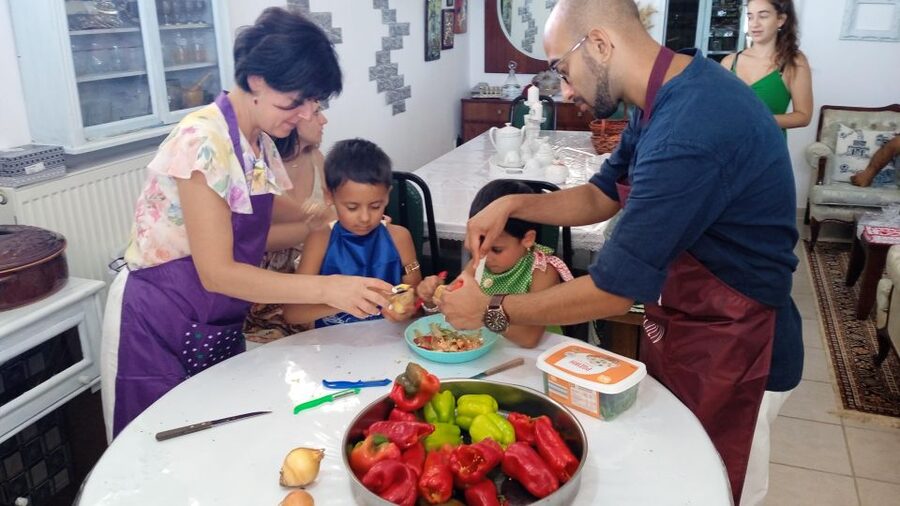
This isn’t a workshop that starts with a kitchen and ends with plates. It starts on the land, with the idea that good Greek food comes from clean ingredients and good habits—things you can actually see as you walk around.
The farm’s name points the mindset: agni means pure, unadulterated. That translates into a day that feels less like a performance and more like everyday Greek life—especially the family part, where hospitality is treated as normal, not added on for show.
You can also read our reviews of more tours and experiences in Thessaloniki.


Finding the meeting point: Aristotle Square to the countryside
Your day begins at Square Aristotle in Thessaloniki, in front of the Statue of Eleftherios Venizelos, on Egnatia 78. You’ll want to be there 30 minutes early, and you’ll look for a guide holding a sign that says Agnifarm.
From there, you’ll be transported out to the countryside and back again. Since the whole experience runs about 5 hours, showing up on time matters—partly because the schedule is built around farm activities, and partly because you’ll lose some of the early prep time if you’re late.
The warm welcome: Greek coffee, tea, meze, and farm introductions
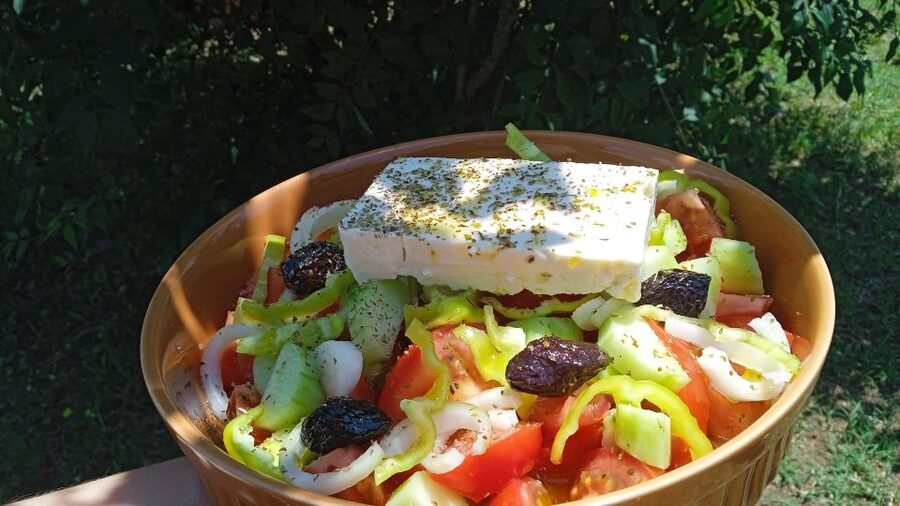
Before you cook, you’ll get the social part right. You can expect Greek coffee or hot mountain tea, plus traditional welcome drinks and meze snacks, which is a nice way to settle in and start tasting the region’s flavors immediately.
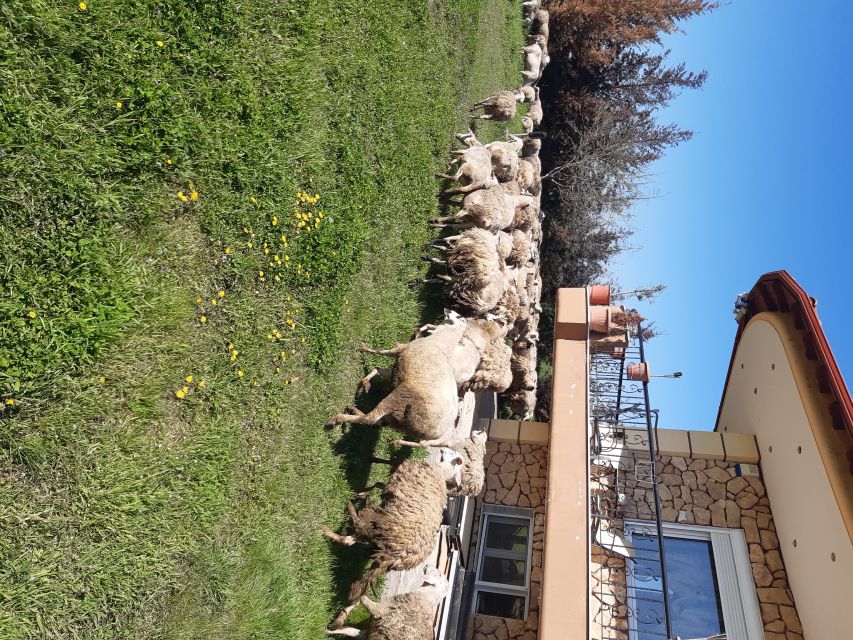
Then the day shifts into the farm introduction: meeting animals, seeing the way the property is set up, and getting oriented so you understand what you’re about to cook from. This is also when you’ll usually get a quick sense of the household vibe—open doors, easy conversation, and a family that clearly enjoys hosting.
Harvesting first: eggs from the coop and vegetables from the garden
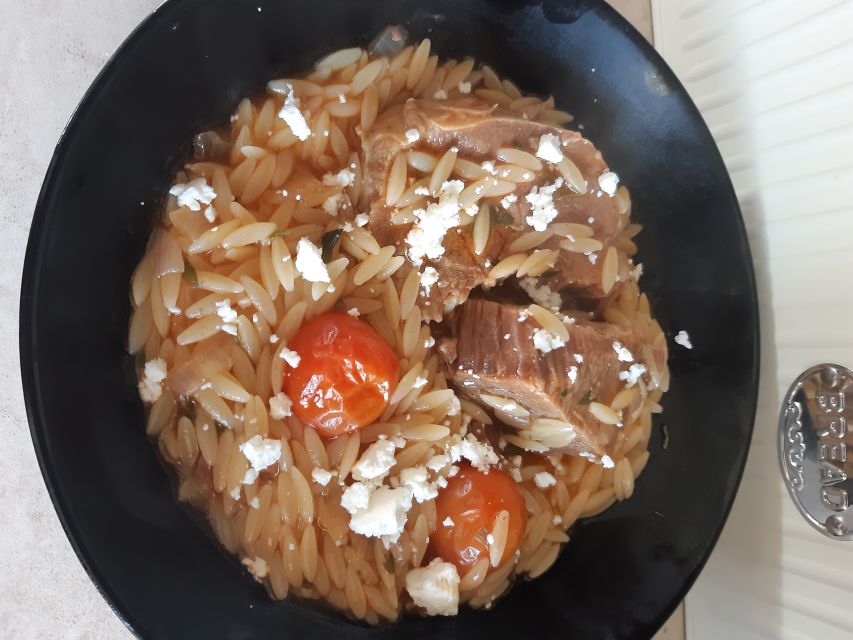
The most satisfying part of this experience is the timing. Instead of being told what ingredients matter, you handle them.
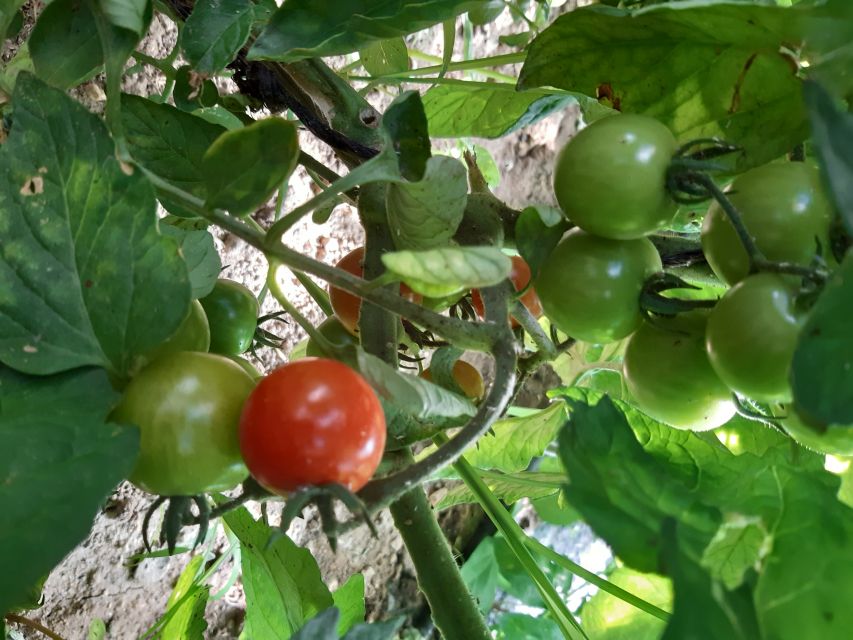
You’ll pick eggs from the coop and you’ll wander through a vegetable garden where you can cut fresh vegetables. That garden-to-table sequence changes how you cook: when you cut the onion or tomato yourself, you pay attention to texture, smell, and ripeness in a way that doesn’t happen from a supermarket bag.
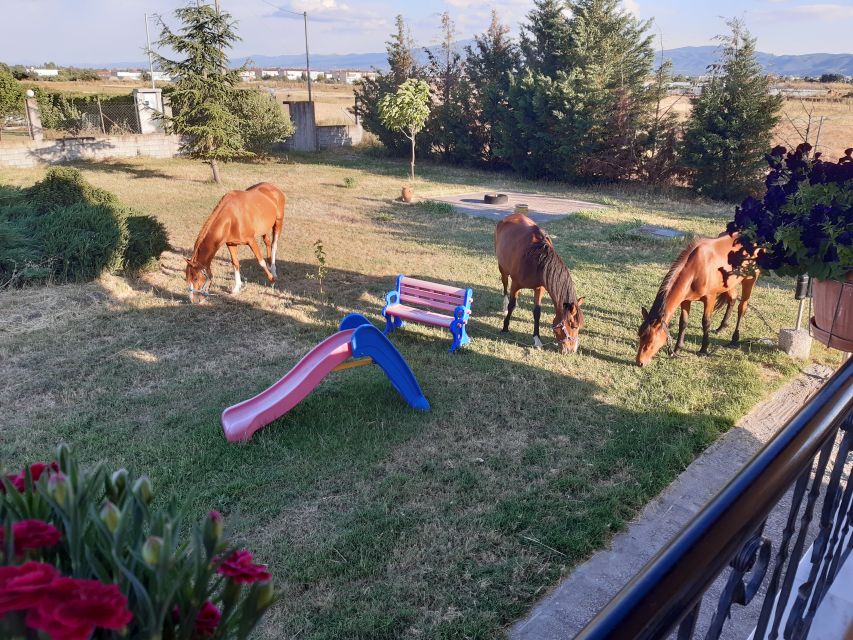
If you’re an animal person, you’ll also spend time meeting the farm animals. One review mentioned a horse named Hermes, so you might catch sight of a character like that, depending on the day and the farm’s routine.
The cooking class: learning Greek gastronomy the hands-on way
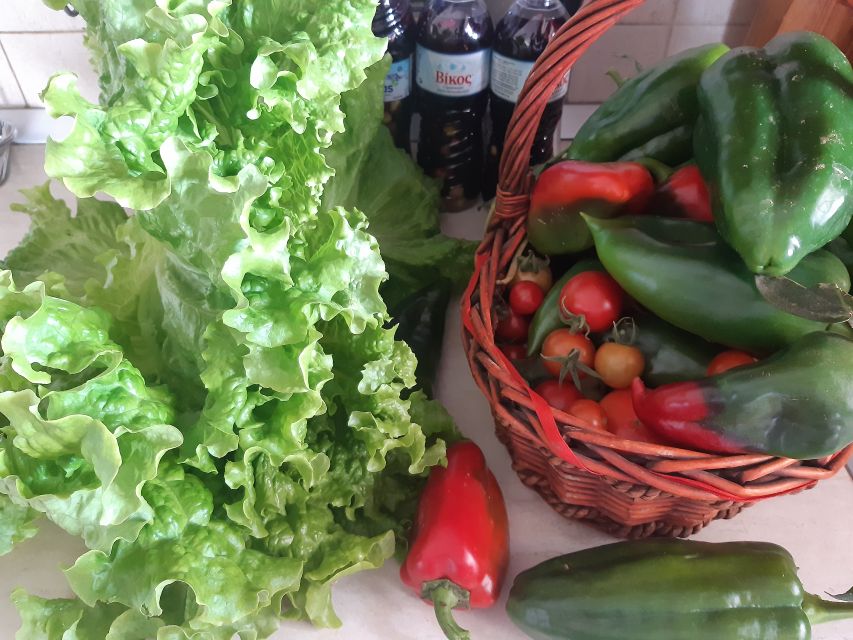
Once the ingredients are in motion, the class becomes more than just recipe reading. The day is built around learning the secrets of Greek gastronomy and then putting those lessons to work.
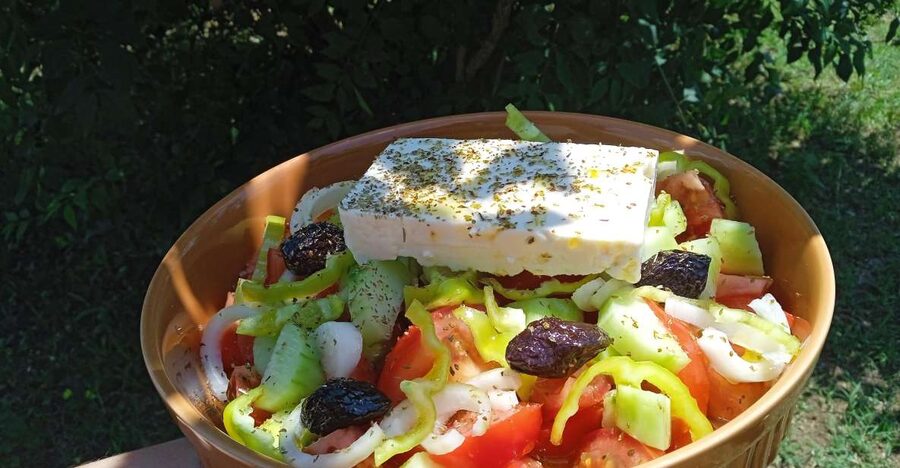
You’ll create and taste farm-to-table meals, guided by the host family. Reviews point out that the recipes are approachable, but the flavor comes from the combination of freshness and technique—and that’s where the instruction earns its keep. You’re not just copying a list; you’re learning why the steps exist.
The cooking style here is also practical: the goal is that you can recreate the dishes back home. That matters because many cooking classes teach impressive methods you never use again. This one focuses on food you’ll want to cook twice.
Menu flexibility for allergies and vegan needs
If you have allergies, there’s a heads-up built into the experience: the menu can be modified. And if you follow a vegan diet, a vegan menu is offered.
That doesn’t mean every option will be exactly the same as the standard day, but it does mean you’re not pushed into a take-it-or-leave-it situation. If food restrictions are part of your planning, this flexibility is a big reason people feel cared for.
Lunch or dinner at the family table: raki or wine, then lingering
The meal is the payoff, and it isn’t treated as a quick break. You’ll enjoy lunch or dinner together, including raki or wine with your friends—so the meal has a social feel, not just a culinary one.
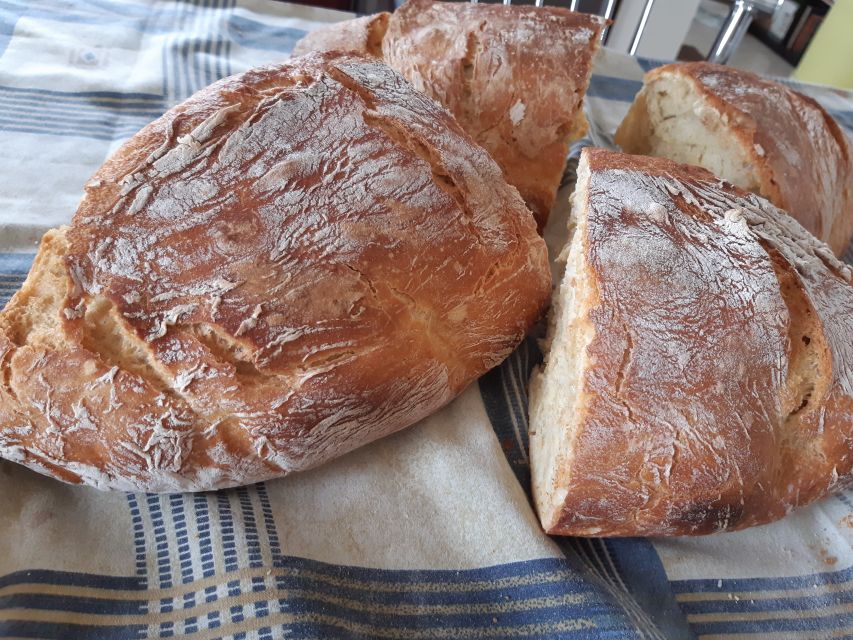
Eating in a home setting changes how the class lands. The instruction is one thing, but the real lesson comes from watching how the household organizes the meal: how everyone talks, how food is served, and how the dishes work together as a complete experience.
Some days may feel like multiple courses, since the process is cooking and tasting your own menu. Even so, the pacing is designed to keep you part of the action without rushing you through.
The extras that make it feel like more than a class
Agnifarm includes more than the cooking portion. You’ll receive a gift, and you’ll also get a cooking diploma—small touches, but they reinforce the idea that you’re finishing a real course of learning, not just attending a demo.
There’s also transportation included at the end, with a ride back to where you started. That’s a practical win, because you don’t have to think about timing your own return after a farm day that’s heavier on walking and smell than most city activities.
Price and value: what $176 buys for 5 hours
At $176 per person for a roughly 5-hour experience, you’re paying for a bundle: farm access, guided instruction in English, a meal (lunch or dinner), drinks, and pickup/transfer.
It’s not the kind of class that only covers a short cooking segment. You’re paying for the entire arc: welcome drinks and meze, egg and garden harvesting, animal time, cooking practice, and the sit-down meal afterward. If you compare it to a city-only cooking class that costs less but doesn’t include a farm-to-table meal and transportation, this one tends to feel more complete.
The best value is for travelers who care about food origins and enjoy hands-on experiences. If you want a mostly indoor, fast-paced lesson focused on strict techniques, this might feel slower. But if you want ingredients you picked yourself, instruction in context, and a meal shared at home, the price makes sense.
Who AgniFarm is perfect for (and who should think twice)
This experience is especially good for:
- Food lovers who want to taste the difference between farm-fresh produce and supermarket staples
- People who enjoy animal encounters and don’t mind being outdoors
- Travelers who like small-group, personal hospitality (one review noted that two people worked well, but it can also be great for groups)
- Anyone who wants a practical cookbook-style outcome—dishes you’ll actually cook at home
Think twice if:
- You prefer fully urban sightseeing with minimal walking
- You’re uncomfortable around farm animals or the simple realities of a working farm
- You need very predictable, fully indoor activities at all times
Practical tips to get the most from your day
Because it’s a farm setting, dress for real ground and real weather. Comfortable shoes help with the garden and any uneven paths around the property.
Also, if you have allergies or dietary needs, communicate them clearly ahead of time so the menu can be adjusted. The day is designed to work around that, but good communication helps the kitchen plan smoothly.
Lastly, arrive early for the meeting point so the farm schedule isn’t stressed. The first part of the day—welcome drinks, introductions, harvesting—sets the tone for everything after.
Should you book Agnifarm near Thessaloniki?
Book it if you want more than a cooking class. This is Greek food taught in context: eggs from the coop, vegetables you cut yourself, and a meal shared with the family who grows and cooks it.
Skip it only if you strongly prefer city attractions over rural farm life or you’re not comfortable with an active, outdoor setting around animals. If those aren’t your limits, Agnifarm is one of the more memorable ways to understand Greek cooking as daily life rather than a one-off activity.
FAQ
What is the duration of the Thessaloniki Greek Cooking Class and Meal at Agnifarm?
The experience lasts about 5 hours.
Where do I meet for the tour?
Meet at Square Aristotle, in front of the Statue of Eleftherios Venizelos, Egnatia 78, Thessaloniki 546 24. Plan to arrive 30 minutes early and look for a guide with a sign that says Agnifarm.
Is the cooking class taught in English?
Yes. The tour guide provides instruction in English.
Is the menu suitable for vegan diets or allergies?
A vegan menu is available, and there is a possibility the menu can be modified for guests with allergies.
What’s included in the price?
You get cooking instruction, a farm and Greek gastronomy experience, egg and animal activities, the opportunity to harvest vegetables, the meals (lunch or dinner) with Greek coffee or hot mountain tea and local treats, raki or wine with your meal, a gift, a cooking diploma, and transfer transportation.
Can I cancel for a refund?
Yes. Free cancellation is available up to 24 hours in advance for a full refund.