REVIEW · CRETE
Cretan Cooking Class and Olive Oil Tasting
Book on Viator →Operated by Cretan Vibes · Bookable on Viator
Cretan cooking gets real fast when you’re working with a family. This 4-hour class at Cretan Vibes mixes hands-on cooking with a guided olive oil tasting, all in an outdoor setup among olive trees.
I especially like how every step is practical. You cook in a relaxed pace, but there is no standing around feeling useless. I also love the olive oil lesson led by the family, because you don’t just taste, you learn what makes extra virgin olive oil good and how to spot problems.
One thing to consider: this experience is weather-dependent and private transportation isn’t included. If you’re relying on local buses or taxis, plan a buffer so you arrive before the cooking starts.
In This Review
- Key Points You Should Know Before You Go
- The Big Reason This Works: You Cook With the People, Not Around Them
- Meet Marianna and Mama Stella, Then Get Your Game Plan
- What You’ll Cook: Cretan Dishes With Real Techniques Behind Them
- Starters: Dakos and Stuffed Bite-Sized Classics
- Mains: Bean-and-Leaf Vegetables and Slow Comfort Stews
- Dessert: Sarikopites and Cheese-Filled Pastries Fried in Olive Oil
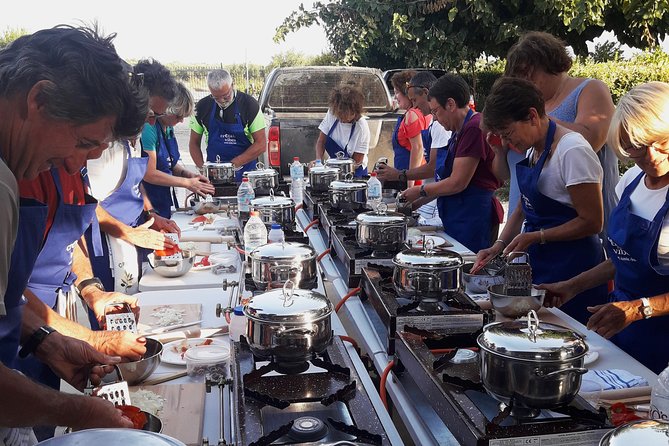
- The Outdoor Kitchen Setup That Keeps You Busy
- The Olive Oil Tasting Lesson: How to Taste Like a Cretan Family
- Lunch and Wine: Eat What You Make, Then Take More Home
- Price and Timing: What You Get for $114.93
- Who This Cretan Cooking Class Fits Best
- A Few Practical Considerations So You’re Not Surprised
- Should You Book Cretan Vibes?
- FAQ
- How long is the Cretan cooking class and olive oil tasting?
- Where does the experience start and end?
- Is the class hands-on, or mostly a demonstration?
- What’s included in the olive oil tasting?
- Does the price include food and drinks?
- What about dietary restrictions?
- What happens if it’s canceled due to bad weather?
Key Points You Should Know Before You Go
- 100% hands-on, not a demo: you actively make the dishes, not just watch
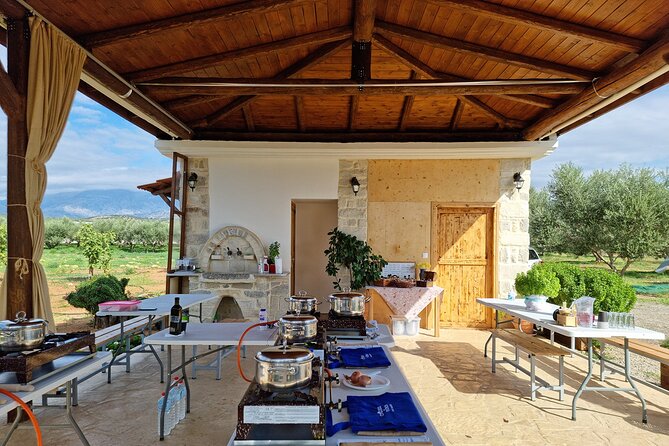
- Outdoor cooking between olive trees: open-air kitchen with a farm setting
- Premium olive oil tasting education: aromas, flavors, bitterness, and quality defects
- You take food home: leftovers are packed, plus recipes arrive by email
- Small group size (max 12): enough people for fun, small enough for real help
The Big Reason This Works: You Cook With the People, Not Around Them
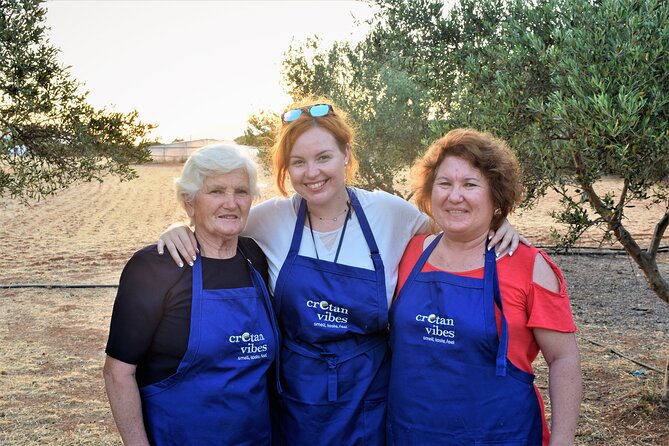
This class is built around one idea: you learn Cretan food by doing it. You’ll be in the kitchen with Marianna and Mama Stella, working ingredients, following step-by-step guidance, and asking questions as you go.
The setting matters too. You’re not in a stuffy room. You’re cooking and then eating in an outdoor space shaped by the farm life, with olive trees nearby and that end-of-day warmth that makes the meal feel like a celebration, not a scheduled event.
You can also read our reviews of more tours and experiences in Crete.



Meet Marianna and Mama Stella, Then Get Your Game Plan
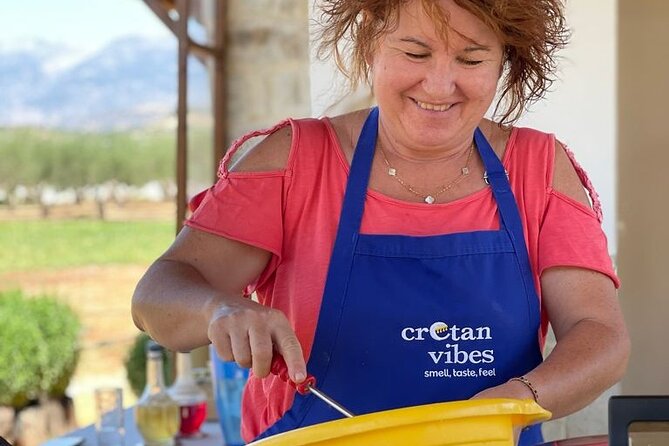
The experience starts at Cretan Vibes (on the national road in Moires). When you arrive, you’ll get a warm welcome and refreshments, including water and handmade options like lemonade, plus a clear rundown of what’s ahead.
After the initial welcome, you’ll gear up for cooking. Expect aprons and an organized setup that keeps things moving. One detail I really like: groups are small, so the teaching doesn’t feel rushed, and you can actually get hands-on corrections when you need them.
What You’ll Cook: Cretan Dishes With Real Techniques Behind Them
The class is designed so you create multiple Cretan dishes and then sit down for a full meal. You can think of it as a mix of starters, mains, and dessert, with enough variety that you don’t leave feeling like you only learned one thing.
Here are examples from the menu you may make, depending on timing and season:
Starters: Dakos and Stuffed Bite-Sized Classics
A common starter is Cretan Dakos: rusk with fresh tomato sauce, Cretan cheese (mizithra), oregano, and their extra virgin olive oil. It’s a perfect teaching dish because it shows how Cretans lean on simple ingredients, then use olive oil and herbs to pull everything together.
You may also work on dolmadakia, the stuffed grape leaves. It’s one of those dishes where the technique is the point: rolling and stuffing with the right balance so the filling tastes bright, not heavy.
Other starters can include things like stuffed zucchini flowers. Reviews often mention the aroma and the fun of making these more delicate, farm-style items.
Mains: Bean-and-Leaf Vegetables and Slow Comfort Stews
Vegetarian options often include giaxni, a dish built around green beans with potatoes, zucchini, fresh tomato sauce, and a Cretan product called ksino(h)ondros (made in the family’s style). Even if you eat meat, this one helps you understand how Cretan cooking gets depth without relying only on meat.
For meat lovers, you might cook lamb with artichokes and potatoes, plus fennel and tomato sauce. There’s also a chance to make stifado, which you can cook with different proteins such as chicken or rabbit, and even snails in some versions. The technique teaches you how Cretans build flavor in sauces that feel slow-cooked even when the class timeline is moving.
Another main you may make is avgolemono, using free-range pork or chicken with leek or lettuce, fresh onions, potatoes, dill, eggs, and lemon juice. This is the kind of dish that shows why Cretan comfort food still tastes clean and not dull.



Dessert: Sarikopites and Cheese-Filled Pastries Fried in Olive Oil
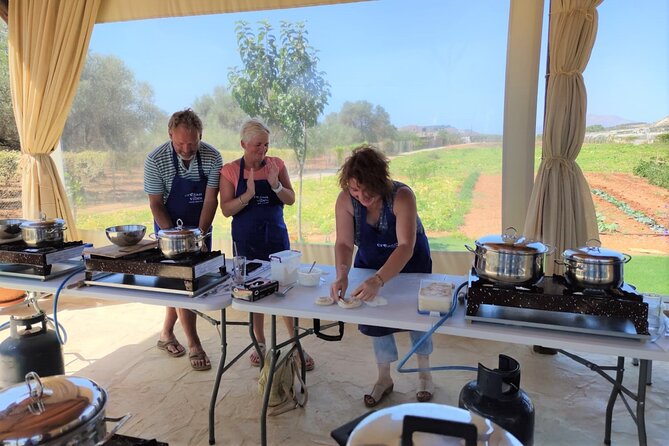
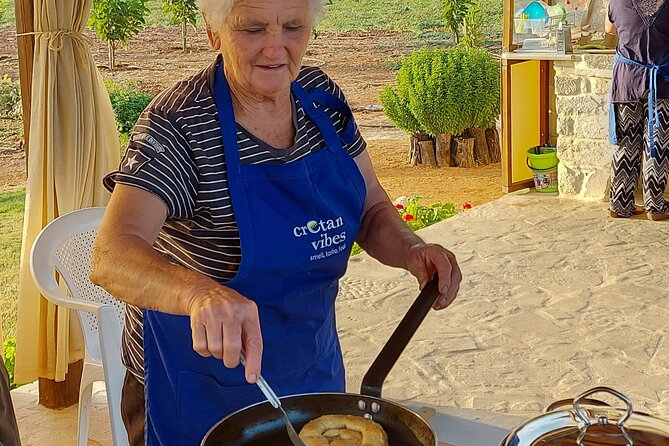
Dessert often includes sarikopites or kalitsounia, dough stuffed with fresh Cretan cheese (made by the family’s grandma) and typically fried in the family’s extra virgin olive oil. The key takeaway here isn’t only the sweetness. It’s how olive oil can be part of dessert character too.
If you like learning by texture, you’ll get it here: dough handling, stuffing, sealing, and frying all teach you a separate skill set from savory cooking.
The Outdoor Kitchen Setup That Keeps You Busy
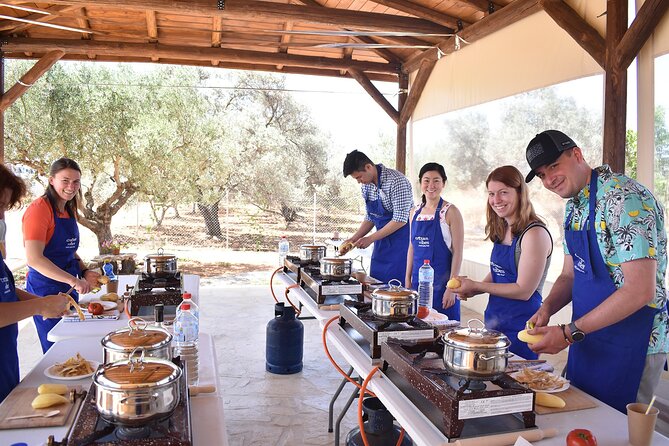
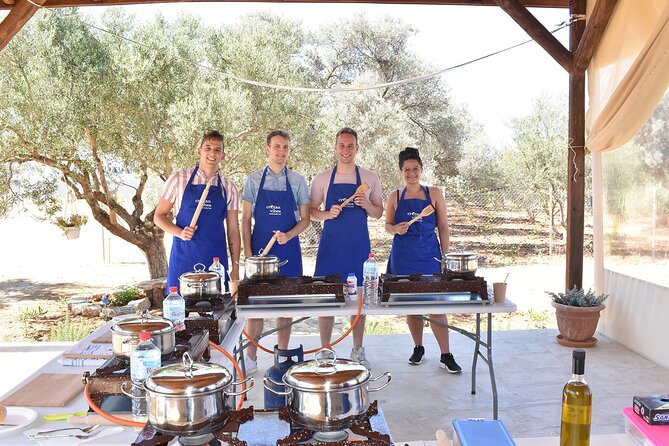
One of the most practical things you’ll notice right away is how the cooking space is arranged. People often describe it as modern, open-air, and clean, while still feeling like a working farm.
You’ll likely have your own burner setup, plus utensils and pots, which helps you cook without waiting for tools. That matters. In many cooking classes, you get one role and wait for the rest. Here, the pace is active, but the teaching stays relaxed.
Also, the class doesn’t seem to have long idle breaks. You should expect a steady flow: prep, cook, taste, adjust, repeat.
The Olive Oil Tasting Lesson: How to Taste Like a Cretan Family
This is the part you’ll remember when you’re back home in a grocery store aisle staring at bottles.
As an olive-growing family, Marianna and Mama Stella guide you through tasting their extra virgin olive oil. You learn how to recognize authenticity, and you also learn to detect aromas, flavors, and bitterness in a structured way.
The teaching goes beyond basic tasting notes. You’ll also learn how to identify defects in lower-quality oils. That is huge practical knowledge, because it gives you a framework for what to watch for, instead of just relying on branding or price.
They also share tips for choosing olive oil when you shop, and you get a short educational piece that ties the tasting to what’s happening on the farm. Included with the class is a video of their olive harvest, so you can connect the bottle to the process.
Lunch and Wine: Eat What You Make, Then Take More Home
After cooking, you sit down to enjoy the meal that comes from your work. Local wine is provided with the feast, plus coffee and/or tea afterward, and homemade refreshments during the experience.
Many people love that the meal happens in a farm-at-the-end-of-the-day mood, with sunset time often part of the magic. There can also be a relaxed farm atmosphere, including family dogs that show up as part of the background energy.
Don’t underestimate the value of leftovers. Leftovers are carefully packed so you can bring food with you. That turns a cooking class from a one-night memory into something you can recreate for friends or future dinners.
And if you want to keep the learning going, you’ll receive recipes to take home via email, plus photos of the experience afterward.
Price and Timing: What You Get for $114.93
At $114.93 per person for about 4 hours, this isn’t the cheapest activity in Crete. But it’s also not priced like a generic meal or a basic show-and-taste workshop.
You’re paying for three things that usually cost extra elsewhere:
- Hands-on instruction from a mother-daughter team
- Multiple dishes made with quality ingredients
- A guided olive oil tasting that teaches how to buy better oil
Another plus: the class is offered in English and capped at 12 travelers, which usually means more attention at the stove. It’s also booked around 41 days in advance on average, so if you’re going during busy weeks, you’ll want to reserve early.
If you’re comparing costs, consider what it would take to hire an instructor plus pay for ingredients plus tasting education. This folds it together into one experience.
Who This Cretan Cooking Class Fits Best
This suits you best if you want more than food photos. If you like learning skills you can repeat at home, you’ll enjoy the step-by-step cooking plus the tasting framework for olive oil.
It’s also a good choice for a range of ability levels, because the class is hands-on and explained. Reviews mention the teaching works even when people have little cooking experience.
Small-group size makes it especially good for couples, solo travelers who like conversation, and families who want an active cultural activity. One review even highlighted a multi-generational group, including kids, where everyone stayed engaged.
A Few Practical Considerations So You’re Not Surprised
- Transportation is on you: private transport isn’t included, so arrange how you’ll reach Cretan Vibes.
- Weather matters: since cooking and dining are outdoors, poor weather can trigger changes.
- Plan for a full stomach: you’ll cook, eat, and take food home, so go easy before you arrive.
If you’re scheduling the rest of your day, treat this as a main event. It’s long enough to affect dinner plans, but short enough to still enjoy Crete’s evenings afterward if you want.
Should You Book Cretan Vibes?
I’d book it if you want an authentic Cretan food day where you cook real dishes, learn how olive oil quality works, and leave with recipes and leftovers. The combination of hands-on cooking and olive oil tasting is the sweet spot.
Skip it if you want something strictly urban, quick, or low-effort. This is a farm-based experience with an active kitchen rhythm. You’ll get the most out of it if you show up ready to chop, stir, roll, and taste.
FAQ
How long is the Cretan cooking class and olive oil tasting?
It lasts about 4 hours.
Where does the experience start and end?
It starts at Cretan Vibes on the national road in Moires and ends back at the same meeting point.
Is the class hands-on, or mostly a demonstration?
It’s described as 100% hands-on, with you actively cooking the dishes.
What’s included in the olive oil tasting?
You get a premium olive oil tasting plus an educational guide to tasting aromas, flavors, bitterness, and how to recognize extra virgin quality and defects. A video of the olive harvest is also included.
Does the price include food and drinks?
Yes. You get a full meal after the class, local wine to accompany the meal, coffee and/or tea, plus handmade refreshments and water.
What about dietary restrictions?
The information provided says a dietary restriction was respected and cared for in at least one case. If you have a specific need, you should mention it when booking.
What happens if it’s canceled due to bad weather?
The experience requires good weather. If it’s canceled due to poor weather, you’ll be offered a different date or a full refund.