REVIEW · NAIROBI
Kiambethu Tea Farm Tour & Lunch From Nairobi
Book on Viator →Operated by Gracepatt Ecotours Kenya · Bookable on Viator
Tea, monkeys, and real Kenyan stories. This Kiambethu Tea Farm tour is a smooth half-day from Nairobi, mixing a forest walk with Colobus monkey sightings and a homestyle start with biscuits and tea from Marcus and Fiona.
I also like how the guide blends settler-era history with what you can actually see on the ground, from old forest to working tea gardens. The only drawback is the day is paced as a fixed 6-hour experience, so it’s not great if you want lots of slow, independent wandering.
Still, with hotel pickup and drop-off, lunch on-site, and an English-speaking guide who focuses on wildlife and culture, it’s an easy value play for first-time Nairobi visitors who want something beyond the city.
In This Review
- Key things to look forward to
- Getting from Nairobi to Kiambethu’s tea estate without stress
- Marcus and Fiona’s welcome at the main house
- Settler history on the farm: what you’ll hear and how to listen
- Indigenous forest walk: your best shot at Colobus monkeys
- Tea gardens and how Kenya’s export crop took root
- The 3-course lunch and afternoon tea that keep the day relaxed
- Guides, pacing, and group size: what your half-day will feel like
- Price and value: is $125 per person worth it?
- Practical tips so the day goes smoothly
- Should you book Kiambethu Tea Farm from Nairobi?
- FAQ
- How long is the Kiambethu Tea Farm Tour & Lunch?
- Is hotel pickup and drop-off included?
- What’s included in the meal?
- Does the tour include a forest walk and wildlife viewing?
- What time does the tour start?
- Is the tour available every day?
Key things to look forward to
- Indigenous forest with Colobus monkeys during the walk on preserved land
- Marcus and Fiona’s welcome with homemade biscuits and tea at the main house
- Tea gardens plus a guided tea process story that explains how Kenya became a major exporter
- 3-course lunch and afternoon tea with locally sourced ingredients
- Hotel pickup and drop-off from Nairobi to keep the day stress-free
- Small, focused group feel with a max group size of 100 and professional English-speaking guides
Getting from Nairobi to Kiambethu’s tea estate without stress
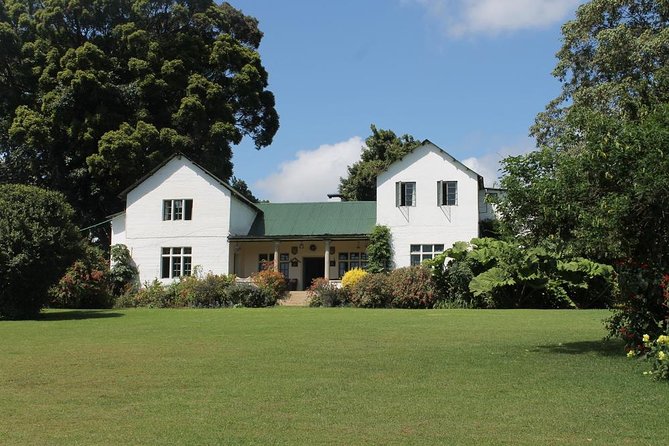
This tour is built for an easy start. You’re picked up from your Nairobi hotel or accommodation, then transported to Kiambethu Tea Estate so you’re not spending your morning figuring out logistics. The published start time is 9:30am, and you arrive around 11am at the main house area.
The timing matters because it shapes the whole experience. Arriving later in the morning means you’re settled in for the walking portions without rushing breakfast, and you get your lunch on the farm instead of eating fast and running out the door.
If you’re short on time in Nairobi, this is a practical way to swap traffic stress for actual countryside. You also don’t have to worry about finding where the tea views happen—your guide manages the flow from house to gardens to forest and back.
You can also read our reviews of more tours and experiences in Nairobi.
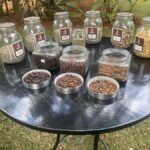

Marcus and Fiona’s welcome at the main house
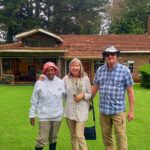
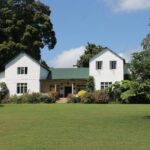
When you reach Kiambethu Tea Estate at 11am, you’re met at the main house by Marcus and Fiona. Expect a friendly welcome with homemade biscuits and tea, which sets a calm tone right away. It’s a nice change from tours that feel like a checklist—this one starts like you’re visiting a working farm family.
The gardens around the home are also worth a stroll. You’ll have a chance to wander briefly and catch glimpses of the resident Colobus monkeys. Even if wildlife isn’t guaranteed on any day, you’re at the right place, at the right estate, with the right guide watching for signs.
This early segment works well for photo timing too. You’ll likely have enough light and time to look around before the bigger walking portion begins, and you’ll understand the layout of where you are (farmhouse, gardens, and the trail areas) so later parts feel less rushed.
Settler history on the farm: what you’ll hear and how to listen
One of the distinctive angles here is the settler history and culture in Kenya, explained through the lens of tea and the family-run farm. The family has owned and operated Kiambethu since its founding in 1910, so you get more than generic “tea facts.” You get a story connected to a specific place and a long timeline.
As you move through the estate, your guide ties what you’re seeing to how tea developed and why it became one of Kenya’s largest export crops. That’s valuable because tea isn’t just a beverage—it’s a whole economy, a whole landscape of labor, and a major thread in modern Kenya’s history.
A practical tip for you: keep an open, critical mindset during the history lecture. The tour is presented as settler culture and history, which can touch on complicated topics. If you’re the kind of traveler who likes context, ask yourself how the farm’s preserved forest and tea expansion relate to land use changes over time.
The guide style helps a lot here. The guide is described as highly entertaining and comical, which makes the history lecture feel less like a classroom and more like a story told well.
Indigenous forest walk: your best shot at Colobus monkeys
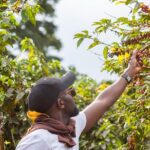
After the house and garden time, you’ll head into an indigenous forest area that has been preserved. The key detail is that much of the surrounding land was cleared for tea farms, so this patch of forest is one of the reasons the wildlife is still around.
This forest walk is also where you focus on Colobus monkeys. The estate is known for its Colobus population, and you’ll be walking with a guide who knows African wildlife. That’s not a small thing. On wildlife tours, the difference between seeing nothing and seeing something often comes down to who can read the environment.
What to expect on the walk: you’ll be walking through preserved forest with stops for observations. You’ll likely look up a lot. Colobus monkeys don’t behave like guaranteed street-level animals, so go in ready to pause, scan trees, and accept that sightings can be brief.
The upside is that even when you don’t get a perfect monkey moment, the walk itself is the point. You’re seeing a living contrast to tea gardens—native forest remnants sitting alongside a working tea estate.
Tea gardens and how Kenya’s export crop took root
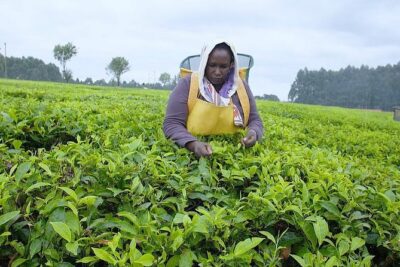
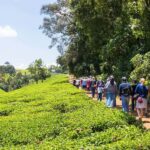
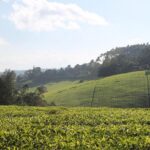
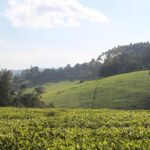
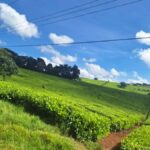
Once you’ve done the forest portion, you’ll shift back toward the working tea side of the property. You’ll get a guided walk through the tea gardens and hear how tea making developed, and how tea became one of Kenya’s major export crops.
This part is where the tour turns from “pretty place” into “understanding.” Tea gardens look lush and orderly, but the guide helps explain what that order means—how tea cultivation shaped land use, work patterns, and production.
It’s also where you can connect your earlier history talk to real agriculture. If you paid attention to the settler history segment, the tea process explanation will feel grounded, not abstract.
One thing to plan for: tea estates involve walking on farm terrain. It’s not described as extreme hiking, but it is still outdoors and active. Wear shoes you don’t mind getting a bit dusty or worn in.
The 3-course lunch and afternoon tea that keep the day relaxed
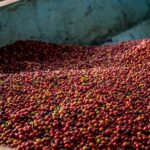
Lunch is included, and it’s not just a sandwich. You’ll enjoy a relaxed lunch on the estate, and the tour also includes afternoon tea. The meal is described as a 3-course option with fresh ingredients and a lot of locally sourced produce.
This is a big part of the value equation. At $125 per person, you’re paying for a guided day trip with transport, entry, wildlife/forest time, and a full sit-down meal. If you were trying to replicate that on your own, you’d likely spend money on transportation and paid guiding anyway—plus you’d still have to locate a proper farm meal.
Timing-wise, lunch comes after the walking segments. That matters because it gives your legs a break while you’re still in the setting of the farm, not back in town. You end up spending less of your day in transit and more of it in place.
Diet notes: the exact menu isn’t provided here, so you should plan based on normal farm-style meals. If you have strict dietary needs, check directly when you book.
Guides, pacing, and group size: what your half-day will feel like
The tour is guided by professional English-speaking guides who are described as experts in African wildlife, culture, and tour guiding. That matters because you’re not only learning tea or only watching monkeys. You’re doing both, and the guide keeps the day coherent.
The tour length is about 6 hours, which is long enough to do the forest walk and garden time, yet short enough to keep Nairobi plans intact afterward. The pacing is structured: pickup, arrival and welcome, garden walk, forest walk, then lunch and tea.
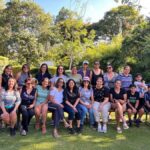
Group size is capped at 100 travelers, and there are group discounts. In practice, that means you shouldn’t feel like you’re joining a tiny private safari, but you should still get a guided flow with defined stops. If you’re the type who likes lots of one-on-one time, you’ll still have moments to ask questions, but you’ll want to be flexible.
One more detail that helps: you have a mobile ticket. That keeps the check-in process simpler, especially if you’re juggling phone-based travel plans in Nairobi.
Price and value: is $125 per person worth it?
At $125 per person, this isn’t a budget “grab-and-go” activity. But it also isn’t priced like a luxury private tour. The value comes from the bundle: hotel pickup and drop-off, guided access to the estate, forest and tea garden walks, and a 3-course lunch plus afternoon tea.
Here’s how I’d judge it if you’re deciding right now:
- If you want a guided day that covers wildlife + agriculture + history, paying for a single organized trip can be more efficient than piecing it together.
- If you’d normally spend extra money on lunch and paid entry elsewhere, the included meal makes the total feel more reasonable.
- If you’re traveling with friends, group discounts can help narrow the gap.
The extras that aren’t included are personal expenses like drinks and any tips or gratuity. If you like water, tea, and extra beverages beyond what’s included, plan to pay for those separately.
If you’re trying to compare against alternatives in Nairobi, treat this as a half-day education and farm experience, not just a “tea farm visit.”
Practical tips so the day goes smoothly
Here’s what I recommend you do to get the best day:
- Arrive on time for pickup so you don’t compress the garden and forest time.
- Wear comfortable walking shoes for paths that may be uneven or dusty.
- Bring sun protection since you’ll be outdoors across multiple segments.
- Use the tea and lunch break to slow down; don’t race through the meal.
- Ask your guide for what to look for during the forest walk—wildlife viewing improves when you know what signals matter.
Also, remember the tour isn’t running every day. It’s closed every Monday, and it’s also closed on Christmas Day and Happy New Year’s Day. If your Nairobi schedule lands on one of those days, you’ll need a different plan.
Should you book Kiambethu Tea Farm from Nairobi?
Book this tour if you want a straightforward Nairobi day trip that delivers three things in one: tea country, a forest walk with Colobus monkeys, and a guided look at how tea shaped Kenya over time. It’s a strong choice for first-time visitors who want authentic countryside without wrestling with transport or timing.
Pass or switch if you crave lots of free time for independent roaming, or if fixed pacing doesn’t suit your style. This is a structured 6-hour experience with a set flow, so you’ll get value from following the plan—not from trying to break it.
If you’re deciding last-minute: look at your day, count how many “must-see” boxes you want checked, and remember that lunch plus afternoon tea are included. That turns it from a simple outing into a complete half-day on a working tea estate.
FAQ
How long is the Kiambethu Tea Farm Tour & Lunch?
The tour runs for about 6 hours (approx.).
Is hotel pickup and drop-off included?
Yes. Pickup from your Nairobi hotel or accommodation and drop-off back to your hotel or residence are included.
What’s included in the meal?
Lunch and afternoon tea at Kiambethu Estate are included, and the experience includes a 3-course lunch with fresh ingredients.
Does the tour include a forest walk and wildlife viewing?
Yes. You’ll walk through an indigenous forest that’s preserved and is known for its Colobus monkeys population.
What time does the tour start?
The start time is 9:30am, with arrival at Kiambethu Tea Estate around 11am.
Is the tour available every day?
No. It’s closed every Monday, Christmas Day, and Happy New Year’s Day. Confirmation is received at the time of booking.