REVIEW · NAIROBI
Nairobi: Guided Coffee Farm Tour with Tastings
Book on GetYourGuide →Operated by Kienyeji Afrika Adventures · Bookable on GetYourGuide
Coffee starts with a seed story.
This guided coffee farm outing outside Nairobi turns a simple brew into a full chain lesson, from planting and harvesting cherries to tasting different flavor styles. You’ll also get a smooth, English-speaking day with hotel pickup and drop-off.
I especially like the hands-on farming walk, where you learn how growers handle coffee from variety to harvest. I also love the smell-and-taste games that train your nose and palate before you pick your hot cup.
One thing to plan for: the tour involves walking on the farm, so you’ll want comfortable shoes and you should be ready for time on your feet.
In This Review
- Key things that make this tour worth your time
- A 3-hour Nairobi coffee lesson with real, usable takeaways
- Pickup and transfers with Patrick Solomon: more than a ride
- On the farm walk: varieties, cherries, and how farmers think about quality
- What to watch for during the walk
- From cherries to tasting: games that teach your nose first
- What you’ll understand about coffee after this day
- Coffee history in real context: why East Africa is part of the story
- Price and value: $27 is fair, but check the entry fee option
- Practical tips before you go
- Who this tour suits best (and who should skip it)
- Should you book the Nairobi coffee farm tour?
- FAQ
- How long is the coffee farm tour from Nairobi?
- Is hotel pickup and drop-off included?
- What’s included besides the coffee tastings?
- Is the farm entry fee included in the price?
- Does the tour include food?
- Is Wi‑Fi and bottled water provided?
- Can I cancel and get a full refund?
- Is there a way to pay later?
- Are there any restrictions on joining or what I can bring?
Key things that make this tour worth your time
- Patrick Solomon and Nairobi context on the drive, so the day feels bigger than just coffee.
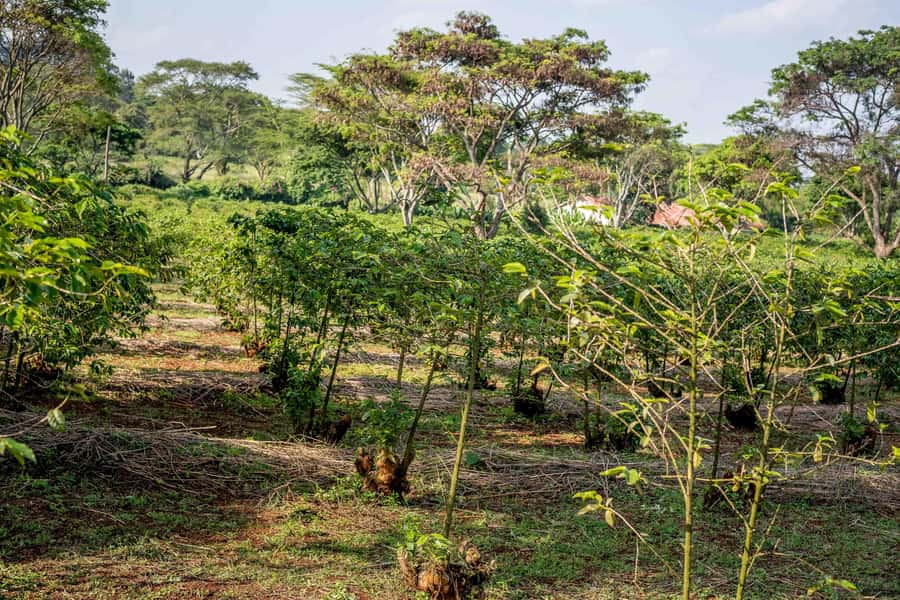
- Variety and harvesting focus, including how cherries are picked and handled for quality.
- Smell the coffee games that make tasting feel practical, not random.
- Coffee testing-style tasting, so you learn how flavors get described and compared.
- A freshly prepared hot cup plus a complementary snack, not just a quick sip.
- Coffee farm experience with farmer interaction, adding real-world farming knowledge beyond a classroom.
A 3-hour Nairobi coffee lesson with real, usable takeaways
This isn’t a “look and leave” coffee stop. In about three hours, you’re guided through the coffee story end to end—where coffee comes from, how it’s grown and harvested, and then how to taste it like you actually understand what you’re doing.
The value is that you won’t just come away with facts. You’ll come away with a method. By the time you’re sitting with your cup, you’ll recognize that coffee tasting is about noticing aroma, acidity, and flavor notes, not about sounding fancy. That shift changes how you’ll order coffee after you get back to Nairobi.
And the day is structured so you’re never stuck waiting around. You’re moving, smelling, asking questions, and tasting. It’s short enough to fit most itineraries, but long enough to feel like a real experience.
You can also read our reviews of more tours and experiences in Nairobi.

Pickup and transfers with Patrick Solomon: more than a ride
Getting to and from the farm can eat up energy. Here, it’s handled in a friendly, organized way. You’re picked up in Nairobi and returned to your hotel afterward, so you’re not figuring out transport or timing.
A standout from the experience is the quality of the guide on the road: Patrick Solomon. Multiple guests highlight that Patrick shares a lot about Nairobi and Kenya during the drive, not just directions. If you want it, he can help with extra stops and city highlights as well—some people even mention detours around major landmarks like the UN headquarters and embassies, depending on the day and your interests.
Even if you’re not adding any city time, this kind of transfer matters. It turns the commute into part of your learning. You start the day with better context, and you end it with clearer ideas about what you’ve just seen in the field.
On the farm walk: varieties, cherries, and how farmers think about quality
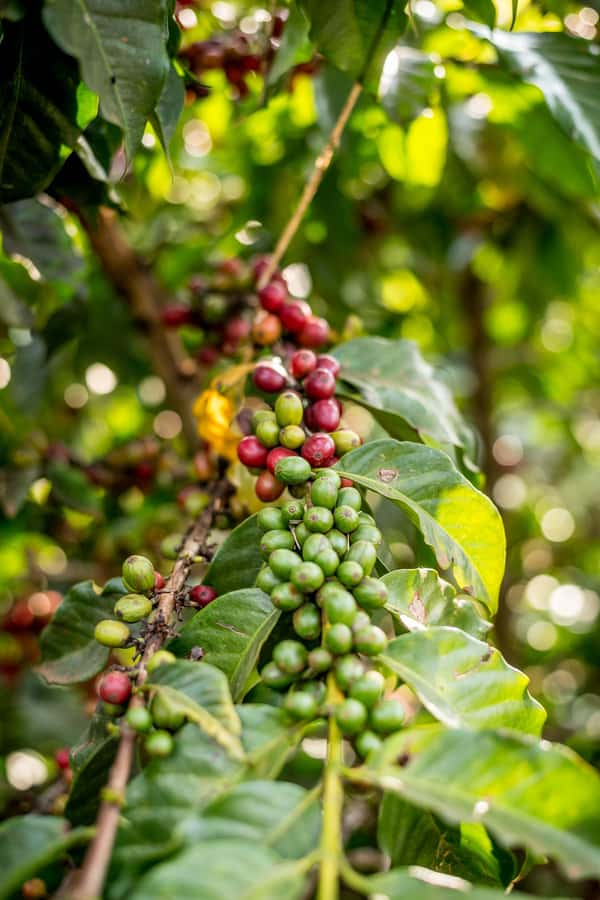
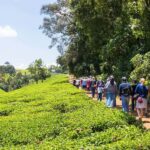
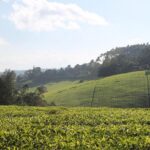
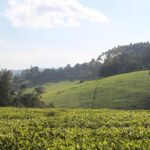
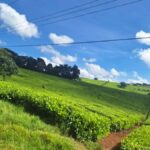
The main event starts at the coffee farm. You’ll explore the plantation with a guided approach that explains coffee beyond the cup. You’ll hear how coffee is tied to Africa’s history—East Africa is often referenced as coffee’s origins—and then you’ll move into how growers translate that into real crops.
One of the strongest parts is the focus on coffee varieties and what growers consider their strengths and tradeoffs. You’ll get a sense that not all coffee plants perform the same way, and flavor comes from many steps working together: the plant itself, how it’s farmed, and how cherries are handled after harvest.
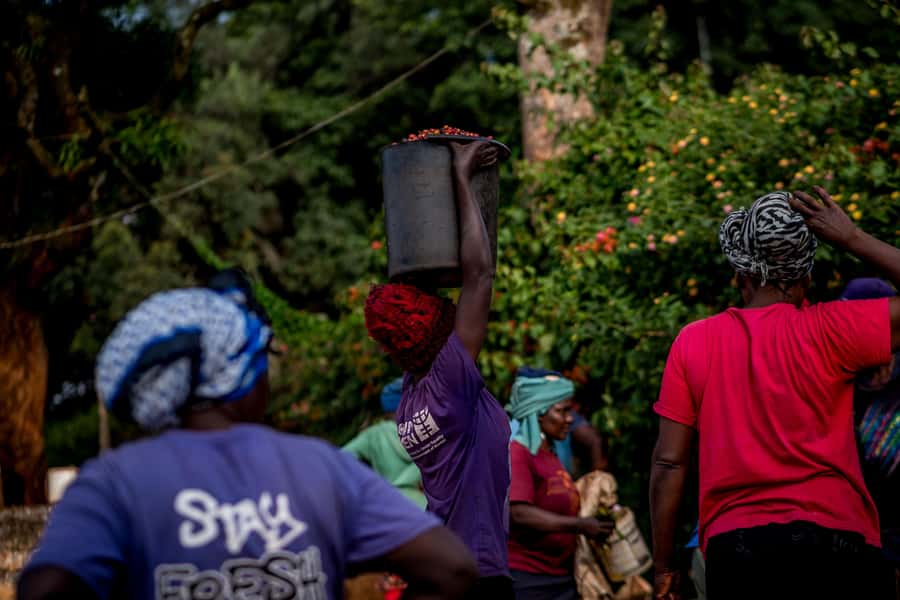
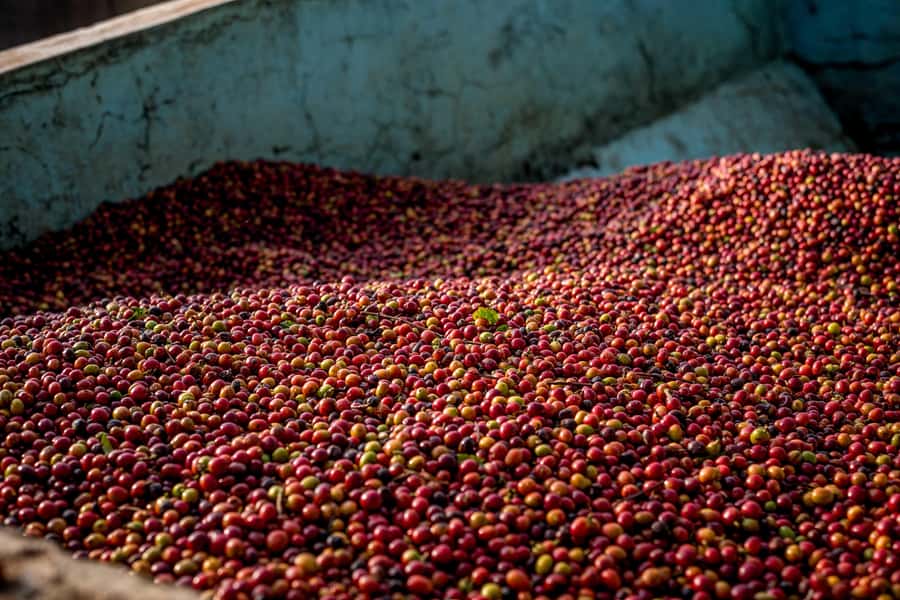
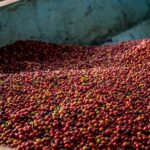
You’ll also learn about growing and harvesting—including what it looks like to harvest cherries. Some guests mention tasting cherries directly during the walk, and that’s one of those small details that makes the process click. It reminds you coffee isn’t just a roasted bean you buy. It’s a fruit-based harvest with real labor behind it.
What I like here is that the tour doesn’t stop at “this is a coffee plant.” You’re shown the farming technicalities and farming decisions that affect what ends up in your cup. This is where coffee becomes more than a product.
What to watch for during the walk
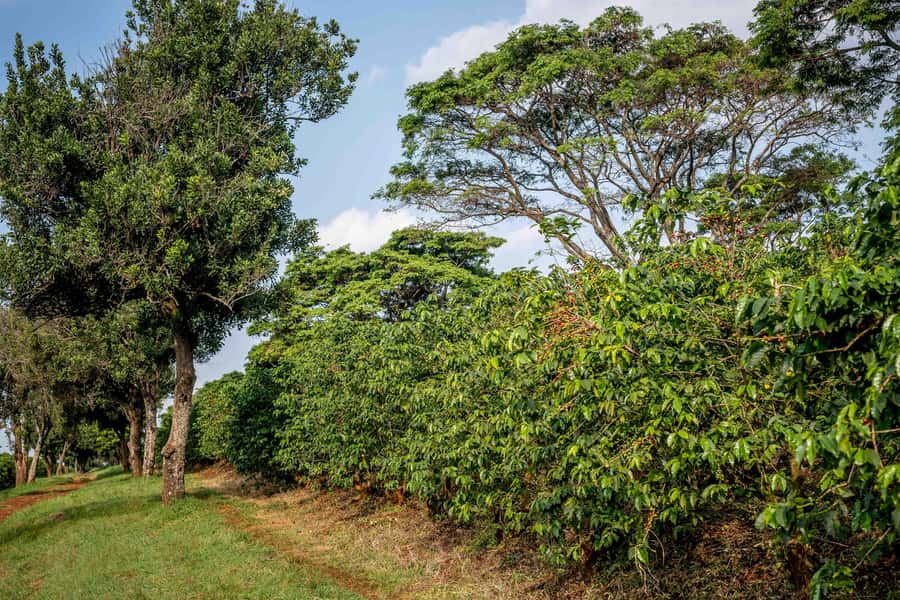
This is not a sit-down museum stop. You’ll walk around the farm, so wear comfortable shoes. If you’re going on a bright or warm day, bring a hat if you’re the type to get sun easily. The tour is built on movement, not on mobility-friendly pacing.
From cherries to tasting: games that teach your nose first
After the farm section, you shift into the fun part: tasting preparation. The tour moves you toward a coffee tasting space (mentioned as a liquor room), where you get to practice distinguishing flavors instead of just sampling cups.
This is where the experience feels especially “tour-worthy.” You’ll participate in smell the coffee games, designed to help you detect differences between coffee types. It’s a simple idea with a big payoff: your nose does a lot of the work before your tongue gets involved.
From there, you’ll get a guided tasting that includes learning how to identify flavor characteristics. Some guests describe this as a coffee testing-style session where you’re guided through comparing what you’re tasting, not just tasting for pleasure (though it’s absolutely still enjoyable).
Then you finish with a hot cup of coffee of your choice along with a complimentary snack. That final pairing is smart. It turns tasting into an experience you can actually enjoy without rushing.
What you’ll understand about coffee after this day
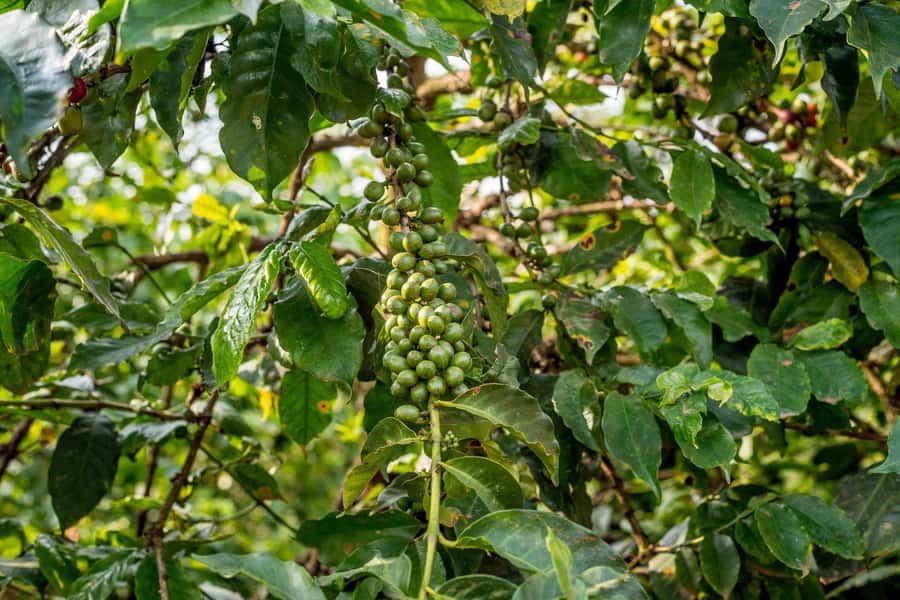
The tour connects dots that many coffee tastings leave disconnected. You learn how coffee goes from cultivation to harvest to processing, and you’re shown how those steps influence flavor.
A few practical things you’ll likely take home:
- Flavor is taught, not guessed. The games and guided tasting help you learn what to look for.
- Harvest matters. Learning about cherries and harvesting gives you respect for the work behind consistency.
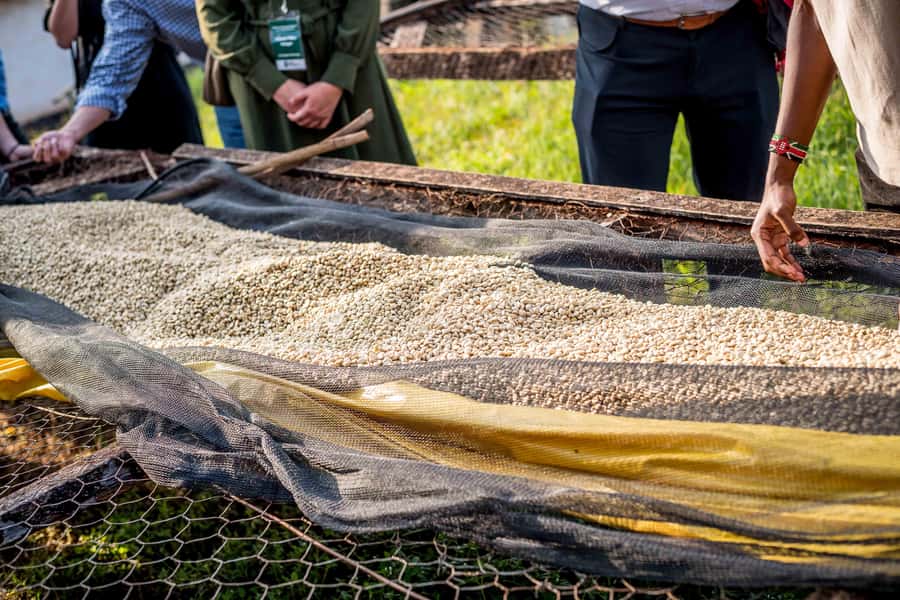
- Processing influences taste. Some guests mention learning about drying processes and roasting as part of how the cup becomes what it is.
- Coffee is a production chain. You’ll see where farmers fit into the story, which makes tasting feel less abstract.
Also, you’re interacting with people farming the plantation, so you’re not only hearing about coffee—you’re hearing about farming techniques in real life. That farmer interaction is one of the reasons this feels more authentic than a quick tasting event.
Coffee history in real context: why East Africa is part of the story
This tour doesn’t treat coffee history as a trivia segment. It uses history to set up why coffee farming looks the way it does and why origin matters.
You’re told that coffee was discovered in East Africa, and you’ll learn more about coffee’s origins in Africa. For me, that framing changes the experience. Instead of treating coffee like a global commodity with no roots, you start seeing coffee as a plant with a place in the world—and as a crop that depends on local knowledge.
That history piece also helps during the tasting. When you understand the chain—from origins and varieties to the harvest and tasting—you taste with more attention, not less.
Price and value: $27 is fair, but check the entry fee option
The listed price is $27 per person for a 3-hour guided experience. For Nairobi, that’s a reasonable way to get a guided farm walk, a structured tasting, pickup and drop-off, and additional extras like bottled water and Wi‑Fi.
The only pricing twist is the farm entry fee. If you select the option that does not include the entry fee, you’ll pay the farm entry fee on-site: $30 for adults and $15 for children over 7. Payment is via cash or card.
So here’s how I’d think about value:
- If the entry fee is included in what you pay upfront, the price feels like a straightforward deal for transport + guide + tasting.
- If entry fee isn’t included, factor that extra cost into your budget before you book.
Either way, the tasting and farm component are the reason you’re paying. You’re not just buying a drink—you’re buying access to the process and guided training on how to taste.
Practical tips before you go
This is a farm day, so small practical choices make the experience smoother.
- Wear comfortable shoes for walking on the property.
- Bring a hat if you expect sun.
- You’ll want to be ready to smell and taste, so avoid heavy perfume right before the session if you can.
- You’ll receive basic Swahili language instruction, plus Kenyan merchandise giveaways, and you’ll have free Wi‑Fi and complimentary bottled water.
Also, keep expectations aligned. Food is not listed as included beyond the complementary snack and the coffee. If you’re hungry later, plan to eat after the tour.
Who this tour suits best (and who should skip it)
This works especially well if you:
- Love coffee and want to understand where it comes from.
- Prefer an active tour with tasting and games, not just a visual walkthrough.
- Are traveling solo or in a small group and want a guide who can also talk Nairobi.
It may not be ideal if you:
- Want a fully seated, low-walking experience.
- Fall into the stated limits: people over 95 years, people over 95 kg, or hearing-impaired people (not suitable).
And note the rules: alcohol and drugs are not allowed.
Should you book the Nairobi coffee farm tour?
Yes, I’d book it if you want a short, well-paced coffee experience that teaches you more than just “this coffee tastes good.” The combo of farm walk + variety and harvest learning + guided smell-and-taste training is exactly what turns curiosity into real understanding.
I’d double-check two things before you commit: the farm entry fee situation (included or not) and whether the walking part fits your comfort level. If you can handle that, this is the kind of tour where you’ll leave thinking about your next cup in a smarter way—and you’ll have a Nairobi guide like Patrick Solomon making the whole day feel connected.
FAQ
How long is the coffee farm tour from Nairobi?
The tour lasts 3 hours.
Is hotel pickup and drop-off included?
Yes. Hotel pickup and drop-off are included, and you should wait 15 minutes before pickup in the lobby (or at the taxi area if you’re at the airport).
What’s included besides the coffee tastings?
The tour includes a guided coffee farm tour, a coffee tasting session, a complimentary cup of coffee with a snack, basic Swahili language instruction, a professional guide, free Wi‑Fi, complimentary bottled water, and Kenyan merchandise giveaways.
Is the farm entry fee included in the price?
It depends on your selected option. If you don’t select an entry-fee-included option, the farm entry fee is $30 for adults and $15 for children over 7, payable via cash or card.
Does the tour include food?
Only a complementary snack is included. Food beyond that is not included.
Is Wi‑Fi and bottled water provided?
Yes. The tour includes free Wi‑Fi and complimentary bottled water.
Can I cancel and get a full refund?
Yes. You can cancel up to 24 hours in advance for a full refund.
Is there a way to pay later?
Yes. The booking offers reserve now & pay later, so you can reserve your spot and pay nothing today.
Are there any restrictions on joining or what I can bring?
Yes. Alcohol and drugs are not allowed. The tour is also marked as not suitable for people over 95 years, people over 95 kg, and hearing-impaired people.