REVIEW · NAIROBI
Nairobi: Purple Tea Farm Gatura Greens Day Trip
Book on GetYourGuide →Operated by Safari Ride Expeditions · Bookable on GetYourGuide
Purple tea and a waterfall, in one day. This Purple Tea Farm trip turns a far-from-routine Nairobi outing into a hands-on, sensory day: tea picking, processing, tasting, lunch on the farm, and a trek through a bamboo forest to a waterfall swim. I especially like how it mixes food, nature, and practical tea know-how instead of just stopping for photos.
Two things I’d put at the top: you get to make your own tea blend (not just sample tea), and you also get a guided tasting ceremony that includes the rare purple tea. One thing to consider up front: the tour price is $54, but the farm entry fee is an extra $45 per person, so your total day budget is closer to about $99.
You’re looking at an 8-hour day trip with hotel pickup and drop-off, an English-speaking guide, and a private group format. It’s also marked wheelchair accessible, which matters if you want a day out without negotiating too much on your own.
In This Review
- Key highlights you’ll care about
- Entering Gatura Greens: why this day beats a typical Nairobi escape
- Pickup and the 8-hour schedule: what the timing really means
- Tea origins and tasting ceremony: how the purple tea lesson lands
- Tea picking, roasting, hand-rolling, drying: the hands-on steps
- Crafting your own blend: the keepsake you actually use
- Bamboo forest trek and a waterfall swim: the part to plan for
- Lunch at the farmhouse: farm-fresh food with tea in the mix
- Price and logistics: is it good value at $54?
- Who this tour suits best (and who might want another option)
- Small practical tips to make the day easier
- Should you book the Purple Tea Farm Gatura Greens day trip?
- FAQ
- How long is the Purple Tea Farm Gatura Greens day trip?
- What is included in the tour price?
- Is the farm entry fee included?
- What happens during the tea experience?
- Do you get to make your own tea blend?
- Is there a hike and swimming?
- What language is the guide?
- Is this a private group tour?
- Is the tour wheelchair accessible?
- What are the cancellation terms?
Key highlights you’ll care about
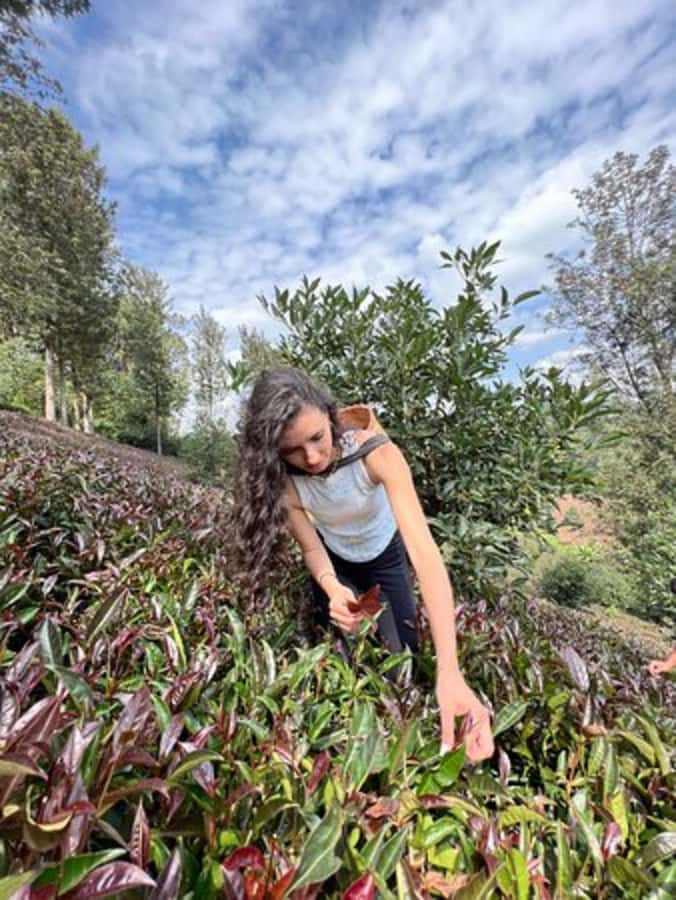
- World’s first Purple Tea Farm: you learn where purple tea fits in and why it’s special
- Pick, roast, hand-roll, dry: you see the process from leaf to tea
- Guided tea tasting with purple tea: a real ceremony-style tasting, not a quick sip
- Custom blend keepsake: package what you craft to take home
- Bamboo forest trek to a waterfall plus time to swim
- Farm lunch with local ingredients served at the farmhouse
Entering Gatura Greens: why this day beats a typical Nairobi escape
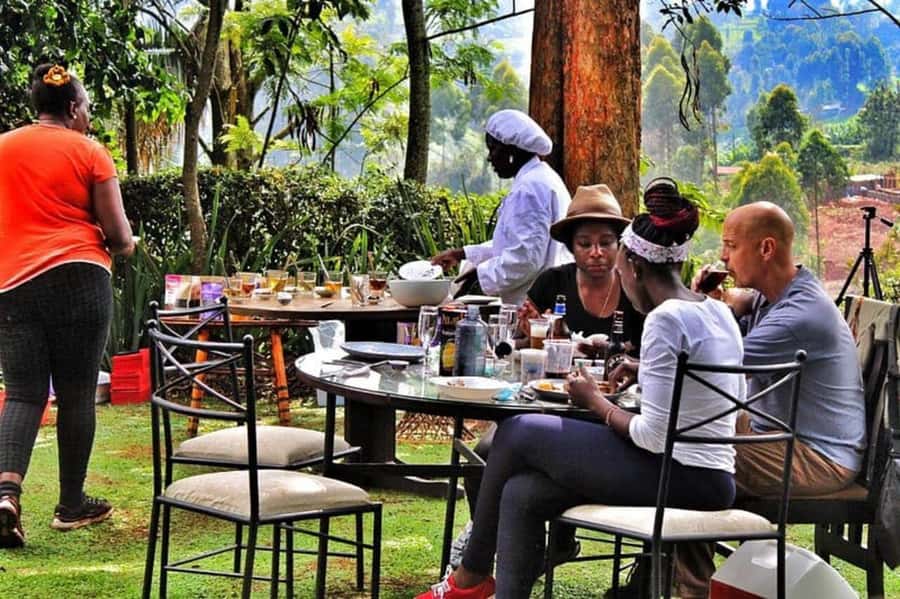
If you’re in Nairobi and want one “only-in-Kenya” day, this fits the bill. The big draw is simple: Gatura Greens is described as the world’s first Purple Tea Farm, and the day is built around that fact. You’re not just tasting the novelty; you’re learning the chain from cultivation to cup.
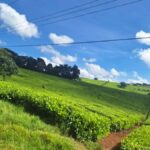
I also like that this is set in central Kenya highlands countryside, so the day feels like a full reset. It’s not a quick drive and a roadside stop. You’re given time for the tea activity, a proper meal, and then a nature segment that ends at a waterfall.
The program is structured enough to feel organized, but it’s interactive in the places that matter—especially the tea crafting and the tasting—so it doesn’t feel like you’re being rushed through a checklist.
You can also read our reviews of more tours and experiences in Nairobi.

Pickup and the 8-hour schedule: what the timing really means
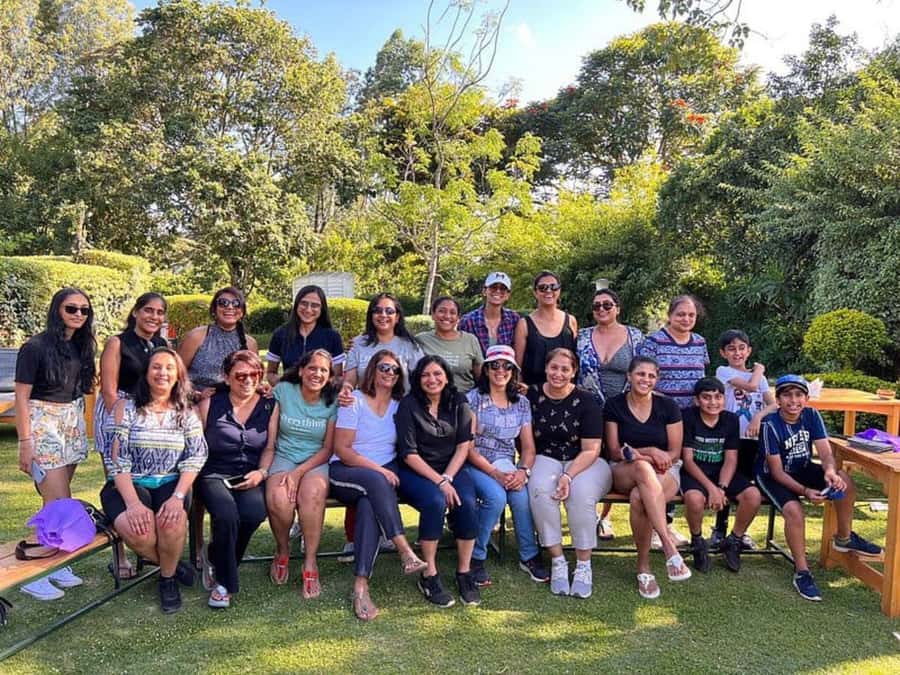
The tour is listed as 8 hours with hotel pickup and drop-off. That’s a smart chunk of time because tea work takes longer than people expect. Tea picking, processing steps, and tasting all require pauses and explanations, and you also get time to trek and swim.
A practical way to think about the day: you’ll likely spend a good part of the middle hours doing tea-related activities, then shift to the bamboo forest and waterfall. The final stretch returns you to Nairobi at the end of the day.
Also, the ride matters here. One of the nice details in the experience description is that the transportation is handled for you, and in the overall feedback I saw emphasis on punctual, friendly drivers. If you’d rather not deal with navigating out of town, this kind of pick-up-and-drop-off setup is a big comfort.
Tea origins and tasting ceremony: how the purple tea lesson lands
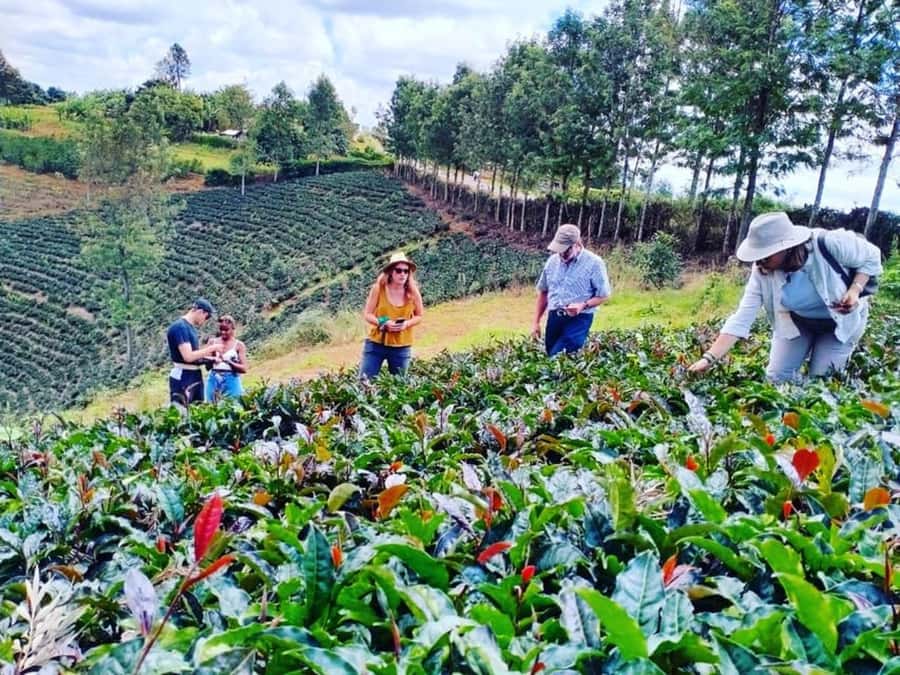
The day starts with an on-farm welcome and a host-led explanation of Kenyan tea traditions. That might sound like background info, but the way it’s set up helps you connect the dots. Once you understand the origin story and how tea is grown and handled, the tasting becomes more than a flavor test.
What I like most is that the tasting isn’t just tea versus tea. It’s guided, and it includes the rare purple tea alongside other teas. You’re meant to notice aroma and flavor differences, and you get a guided interpretation while you sample.
If you’re a tea person, this is the part that gives you confidence. You’ll know what to look for when you buy tea later. If you’re not a tea person, it still works because the tasting is part of an explained process, not a random series of sips.
Tea picking, roasting, hand-rolling, drying: the hands-on steps
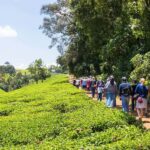
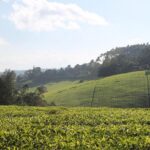
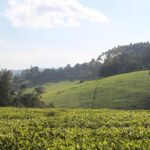
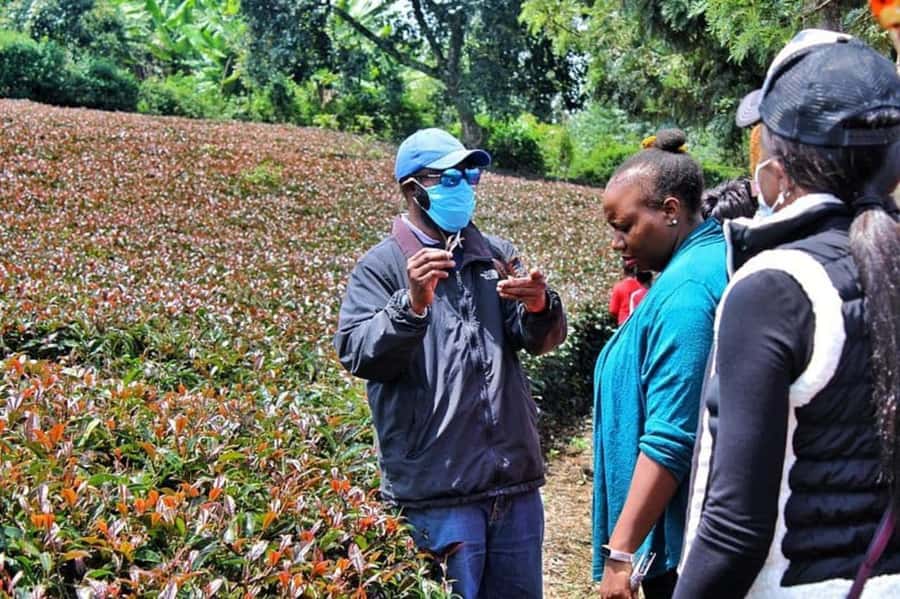
Once you’re through the tasting, you move into the farm work. You’ll head into the tea fields to learn the art of hand-picking the finest leaves. This is one of those experiences that changes how you see tea. After you pick leaves yourself, even basic supermarket tea feels less generic.
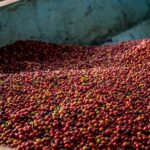
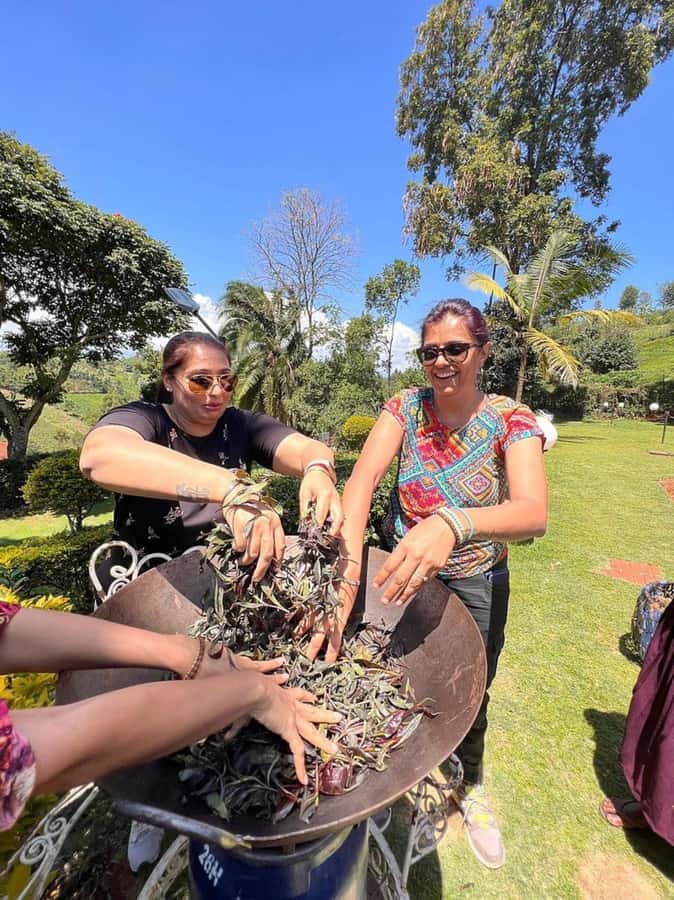
Then comes the processing portion at the farmhouse. The steps listed include:
- Roasting
- Hand-rolling
- Drying
That sequence matters. It’s the difference between tasting something that’s clearly processed and tasting something that’s been shaped by human hands at each stage. Even if you don’t remember every technique, you’ll remember the feel of it and the logic behind it.
One other good point: you’re guided. Tea processing can look simple from the outside, but the “why” is what makes it interesting. Having an expert guide keeps you from turning the whole thing into a photo op.
Crafting your own blend: the keepsake you actually use
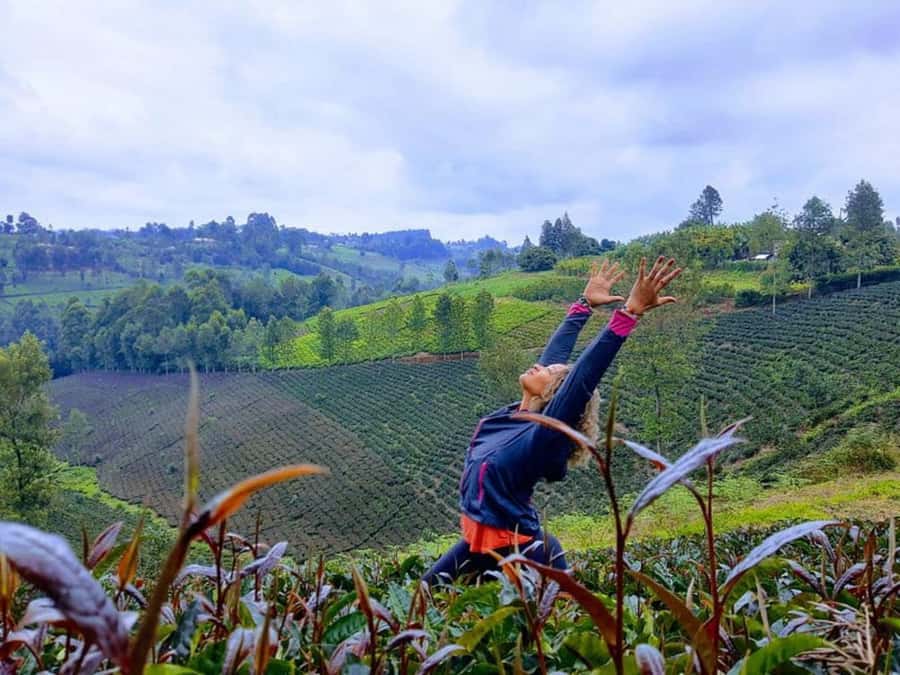
This is where the tour earns extra points. You’ll craft and package your own custom tea blend as a keepsake. Instead of bringing home a generic souvenir, you’re taking home something you made based on what you tasted and what you learned.
Here’s why that matters for value: you’re not just paying for access to a farm. You’re paying for a guided activity that results in a product you can open later, brew at home, and remember.
If you’re traveling with friends, this is also a fun shared project. You’ll naturally compare what you chose and how you thought the flavors worked together. Even if your blends end up different from everyone else’s, the process is the takeaway.
Bamboo forest trek and a waterfall swim: the part to plan for
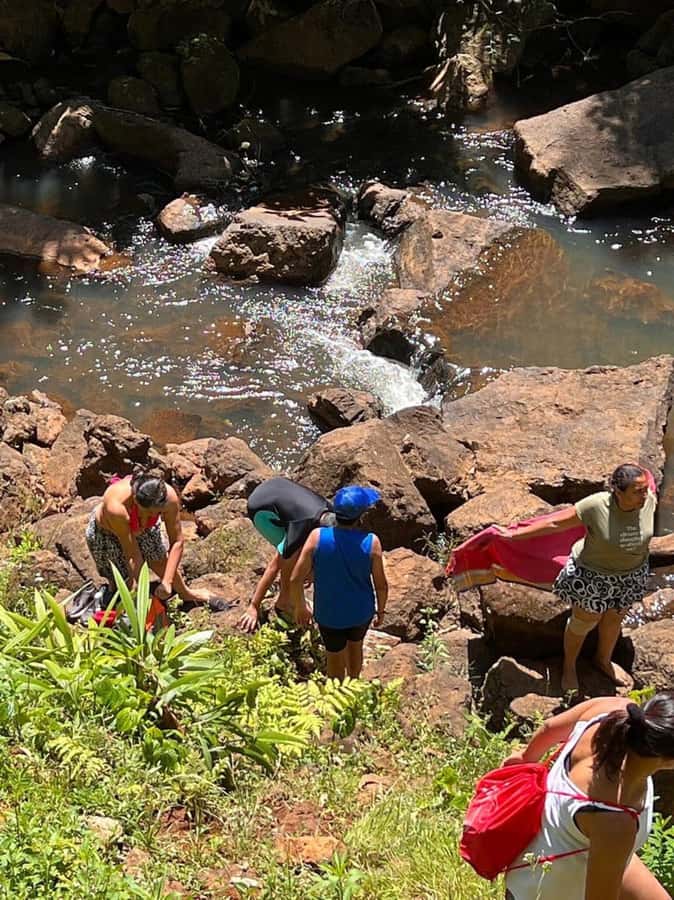
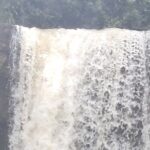
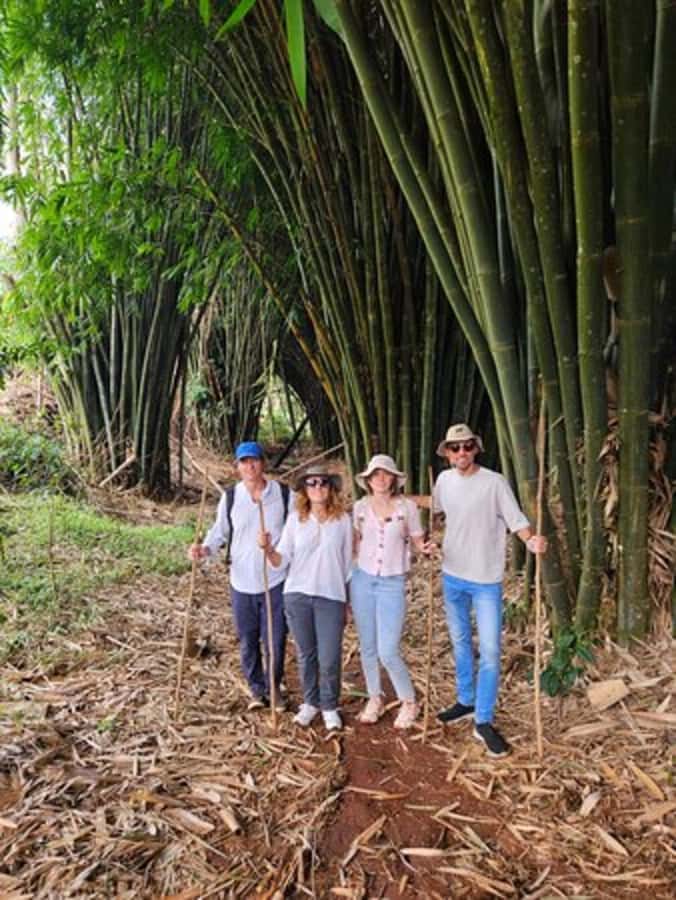
After the tea work, the day shifts to nature. You’ll take a trek through a bamboo forest along tranquil trails that lead to a magnificent waterfall. This section is a nice contrast: the tea part is detailed and hands-on; the forest part is about pacing, walking, and letting your attention go quiet.
Then you reach the waterfall and have time to swim. That makes the tour feel like a true Kenyan countryside experience rather than a culinary workshop with a scenic finish.
One consideration: the trek is described as challenging but doable by at least one guest. So if you’re dealing with knee issues or you hate hikes, you might want to think carefully about whether your comfort matches your expectations. Bring your best hiking attitude, and it should be fine.
Lunch at the farmhouse: farm-fresh food with tea in the mix
You’ll return to the farmhouse for a meal described as a three-course lunch. That’s a great format for day trips because it feels like more than a snack. It also gives you energy for the morning tea work and the afternoon hike.
The food is described as locally sourced, and multiple guests noted the lunch is cooked by a talented chef and can feel like a multi-course spread. Some also mention that teas are infused into the meal, which adds an extra layer to the tea theme.
Even if you’re not a tea fanatic, I’d still aim to take lunch seriously here. Farm meals tend to taste better because the ingredients are fresher and the cooking is simpler and more direct. Plus, the farm setting makes the whole thing more enjoyable than a restaurant stop.
Price and logistics: is it good value at $54?
Here’s the honest math. The tour is priced at $54 per person, and the farm entry fee is an additional $45 per person. That brings the base total to roughly $99 per person before anything optional.
So what are you buying for that cost?
You’re getting:
- Hotel pickup and drop-off
- Guided farm tour and tea-making process
- Tea picking
- Guided tea-tasting ceremony with the purple tea
- A lunch at the farm
- Waterfall trek and swimming
- Drinking water and soft drinks
- A private group experience with an English live guide
For me, the value comes from the combination. Many day trips have one main activity. This one has three: tea education + craft + nature payoff. You also leave with your custom blend, which turns the experience into something practical.
The one “watch out” is that farm entry fee. If you don’t budget for it, the final total can surprise you. The good news is that the tour includes the ability to skip the ticket line, which reduces hassle on arrival.
Who this tour suits best (and who might want another option)
This works best if you like any of these:
- Tea experiences where you learn by doing (not just watching)
- Food-focused travel, especially meals made from local ingredients
- Nature time that ends with a place to swim
- A structured day trip where transportation is handled for you
It might be less ideal if:
- You want a relaxed, no-activity day (there’s picking, processing, trekking, and swimming)
- You’re not comfortable with walking on trails or potential uneven ground
- You’re trying to keep the day trip budget very low, because the entry fee stacks on top of the tour price
One more practical note: it’s listed as a private group and English tour. So if you’re traveling with family or friends and want a more personal feel, that’s a plus.
Small practical tips to make the day easier
I can’t tell you what to bring from inside the program, but these are common “make-it-better” moves for a day that includes tea work and a waterfall swim:
- Wear clothes you can get comfortable in for both walking and water time.
- Plan for a short hike pace, not a sprint. The bamboo forest trek is part of the schedule.
- If you’re sensitive to sun or dry air, bring simple protection and keep sipping water during breaks.
- If you care about your keepsake blend, handle the packaging carefully on the ride back and keep it with you rather than checked into a bag you might reshuffle.
If you’re unsure about fitness, ask your guide how the trek pace compares to what most people handle. Since the group is private, you can usually get clearer guidance on what to expect.
Should you book the Purple Tea Farm Gatura Greens day trip?
I’d book it if you want one day that feels genuinely different from standard city touring. The big reasons are the combination of tea picking + processing + guided tasting and the payoff of reaching a waterfall and swimming there. The custom blend keepsake is also the kind of souvenir you’ll actually use.
I’d hesitate only if the extra $45 farm entry fee would stretch your budget too much, or if you know the hiking portion won’t work for you. Otherwise, it’s one of the more distinctive Nairobi day trips because it gives you skills, food, and scenery in the same package—plus a real purple tea story you can carry home.
If you’re planning your Nairobi days and want a calm, guided, countryside reset, this is the kind of outing that turns a single day into a memorable chapter.
FAQ
How long is the Purple Tea Farm Gatura Greens day trip?
The duration is listed as 8 hours.
What is included in the tour price?
Included items are hotel pickup and drop-off, drinking water, a guided tour of the farm and tea-making process, lunch at the farm, tea picking and process, waterfall trek & swimming, and soft drinks.
Is the farm entry fee included?
No. The farm entry fee is listed as $45 per person and is not included.
What happens during the tea experience?
You’ll do tea picking, learn the tea-making process (including roasting, hand-rolling, and drying), and join a guided tea-tasting session that includes purple tea.
Do you get to make your own tea blend?
Yes. You can craft and package your custom blend as a keepsake.
Is there a hike and swimming?
Yes. The day includes a waterfall trek through a bamboo forest and time to swim at the waterfall.
What language is the guide?
The live tour guide is listed as English.
Is this a private group tour?
Yes. The group type is listed as private group.
Is the tour wheelchair accessible?
It is listed as wheelchair accessible.
What are the cancellation terms?
Free cancellation is listed as available up to 24 hours in advance for a full refund.