REVIEW · ROME
Farm to table dinner in Rome: A trip through Italy
Book on Viator →Operated by eatwith · Bookable on Viator
Dinner in a chef’s home beats the usual restaurant route. You’ll eat a 5-course farm-to-table menu with wine pairings while the Tiber River shows itself outside.
What I love most is the host-led, chef’s-table style vibe and the hands-on feel of the night: Michela and her team talk you through the food, not just the flavors. I also like the small size, so it doesn’t feel like you’re swallowed by a big dining room.
One thing to consider: getting inside her building may feel a little tricky at first, since the entry can look rough and you’ll need to use the intercom and follow her directions carefully.
In This Review
- Key highlights worth your time
- Dinner in a Rome chef’s home: what this night feels like
- Starting point near Piazza di San Calisto: a practical first step
- The heart of the meal: a 5-course farm-to-table sequence
- Starter course: bread salad, caprese, or eggplant parmigiana
- Pasta course: fresh tomato sauce, clams, or paccheri with aubergines
- Main course 2: fish rolls or rabbit with olives and sage
- Dessert: tiramisù, chantilly with wild strawberries, or Italian ice cream
- Wine pairings: part of the meal, not a random add-on
- Views of the Tiber River: why it matters
- Why the farm-to-table angle feels real here
- Small-group dinner etiquette: how to get the most out of it
- Price and value: is $189.67 per person worth it?
- Who should book this Rome farm-to-table dinner
- FAQ
- FAQ
- How long is the farm-to-table dinner?
- What do I get for the $189.67 per person price?
- Is the experience offered in English?
- What is the group size?
- What if I have a food restriction or allergy?
- What is the cancellation window?
- Should you book it?
Key highlights worth your time
- Chef’s-table access in a real home: full interaction with Michela and her team
- 5 courses with wine pairings: one ticket, multiple tastings
- Views of the Tiber River while you dine: Rome atmosphere with your meal
- Menu built from micro-farm and fresh ingredients: regional Italian flavors with a reason
- Small group (max 20): easier conversations, less waiting around
Dinner in a Rome chef’s home: what this night feels like
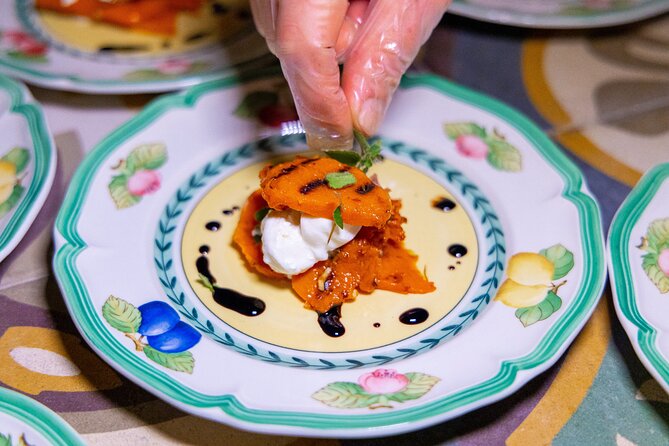
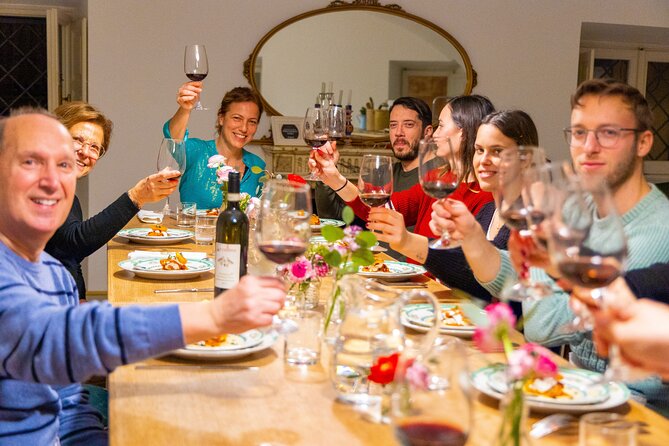
This is the kind of meal that turns into a memory because you’re not just eating. You’re meeting the person who built the menu and hearing how the food connects to her life in Rome. The experience is hosted in the home of Michela, and it’s chef’s-table style with real back-and-forth, not a show from the other side of a wall.
You’ll spend about 2 hours 30 minutes at the table. That’s enough time to move through five courses, taste different flavors, and actually talk with the people around you. And because it’s capped at 20 people, the energy stays personal. It’s also offered in English, which matters if you want the explanations to land.
For me, the big value is that you’re being guided toward understanding what’s on your plate. The goal isn’t just to feed you; it’s to show you how Italian regional ingredients work together—bread, tomatoes, basil, pasta shapes, aubergines, seafood, rabbit, and desserts that feel familiar but not boring.
Starting point near Piazza di San Calisto: a practical first step
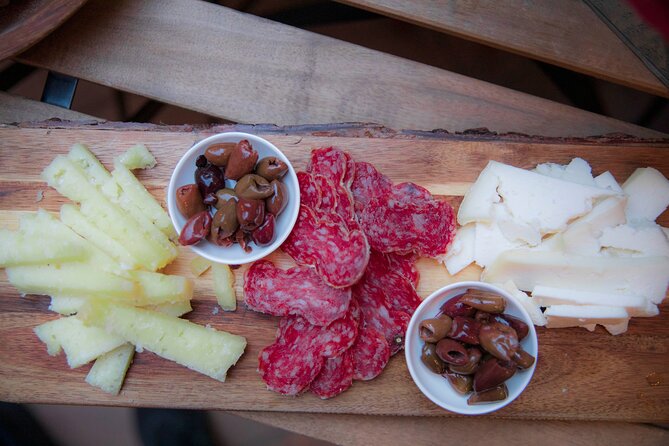
You meet at Piazza di San Calisto (Piazza di S. Calisto, 00153 Roma RM, Italy) at 7:00 pm, and the activity ends back at that meeting point. Since it finishes where it starts, plan for at least some short transfer between the plaza and the chef’s home.
The best practical move: arrive a few minutes early. Not because you’ll be late, but because the entry instructions are easy to miss when you’re rushing—especially in Rome where doors and staircases can look like everyone else’s building.
One review tip I’d treat as mandatory: the building door may show graffiti, which can throw you off. Use the intercom button with Michela’s name (it’s located on the right-hand side), then wait for the click, push the door open when you hear it, and go to the first floor.
If you follow that exactly, you’ll avoid that awkward moment of standing on the wrong landing like you’re part of a mystery novel. Once you’re in, the night takes off.
The heart of the meal: a 5-course farm-to-table sequence
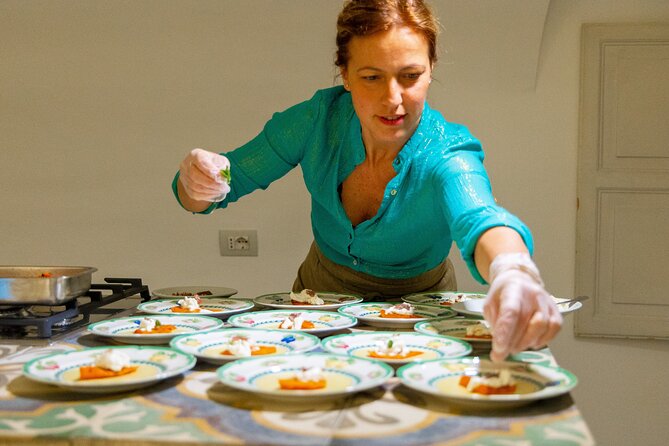
This dinner is designed as a sensory tour through Italian flavors. You’ll taste different items across the meal, then hear what’s behind the choices—how Michela’s family traditions shape the recipes, and how she supports local micro-farms.
The menu changes over time, but here’s the structure you can expect: starter, pasta main, a second main course, and dessert. You’ll also get wine pairings with the meal.
Starter course: bread salad, caprese, or eggplant parmigiana
Your starter options include:
- Bread salad with tomato, red onions, and basil
- Caprese with tomato, buffalo mozzarella, and basil
- Eggplants parmigiana in the family style
This is a smart place to start because it sets the tone. Tomato and basil aren’t just ingredients here—they’re a baseline for how the rest of the meal will taste. If you get the bread salad, you’ll see how Italian cooking turns simple staples into something that feels full and satisfying without heavy fuss. If you get caprese, it’s a classic that’s worth ordering anywhere—but in a home setup, the difference is the person explaining what makes it work.
If the eggplant parmigiana appears, pay attention to the texture. Parmigiana lives and dies by layering and balance. A home-cooked version often tastes less uniform than a restaurant line, and that’s usually a good sign.
Pasta course: fresh tomato sauce, clams, or paccheri with aubergines
For pasta, you can expect one of these:
- Fettuccine with fresh tomatoes sauce and basil
- Spaghetti with clams
- Paccheri with aubergines, tomato, and ricotta cheese
Pasta is where you get a clear sense of regional logic. Tomato sauce with basil is direct and bright, and it can make you notice how a sauce clings differently depending on the pasta. Spaghetti with clams shifts the profile toward the sea, and you’ll probably taste the difference between a seafood dish made for show and one built for comfort. Paccheri with aubergines and ricotta brings in the sweet-slow warmth of cooked eggplant, plus the soft, creamy contrast from ricotta.
This course is also a good chance to ask questions. When the chef’s at the table, you can get a real explanation of why one pairing appears over another.
Main course 2: fish rolls or rabbit with olives and sage
The second main course options include:
- Fish rolls with aubergines
- Rabbit with olives and sage, plus aubergines caponata
This is where the dinner feels most “home Italy.” Rabbit dishes can be a surprise if you’re used to restaurant menus that stick to the safe classics. Sage and olives are earthy and salty, and they work naturally with rabbit. If you get the fish rolls, the aubergines matter again—eggplant shows up through multiple courses, so it’s like you’re seeing the same ingredient in different roles.
One practical note: if you have any dietary restrictions, you need to communicate them during booking. The experience asks you to share allergy or diet needs, so don’t wait until you arrive at the table.
Dessert: tiramisù, chantilly with wild strawberries, or Italian ice cream
Dessert options include:
- Tiramisù
- Chantilly cream with wild strawberries
- Italian ice cream
The tiramisù option is comforting and familiar, but I like that there are alternatives too. Chantilly with wild strawberries sounds lighter and fruit-forward, and the wild-strawberry element matters if you’re paying attention to flavor, not just sweetness. Italian ice cream keeps the night simple and finishes with a palate reset.
This is also a good point to slow down. By dessert, the explanations and pacing usually click, and you can enjoy the last course without feeling rushed.
Wine pairings: part of the meal, not a random add-on
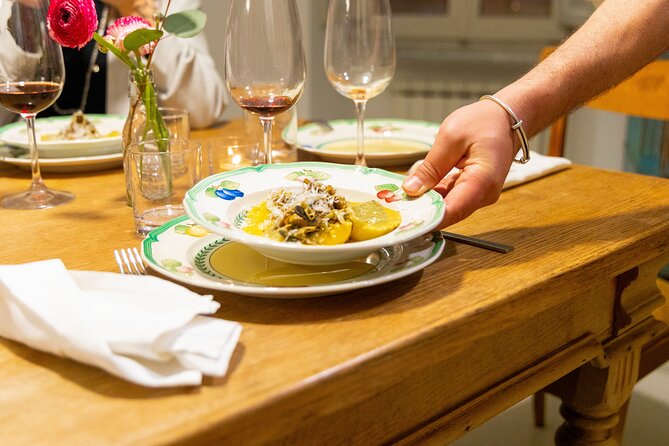
The dinner includes wine pairings. That’s a big reason the price is what it is—this isn’t just food samples. It’s a coordinated tasting.
Because the meal runs about 2.5 hours, the pairing fits the rhythm of the courses. You’re more likely to notice how a wine changes the taste of tomato sauce, seafood, or eggplant-based dishes. If you’re the kind of person who likes to connect flavors across a meal, this component is one of the main reasons to book.
If you don’t drink alcohol, you’ll want to check what can be accommodated by sharing your needs in advance. The data I have only says the dinner includes wine pairings, so don’t assume alternatives without asking.
Views of the Tiber River: why it matters
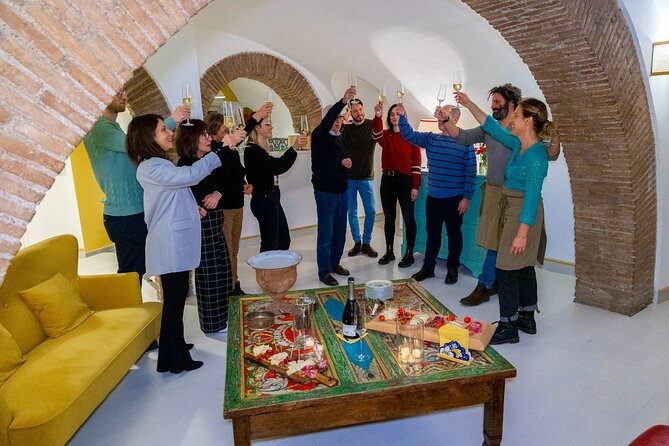
You’ll dine with views of the Tiber River. This isn’t just decoration. When you eat in a setting with an actual Roman backdrop, the whole experience feels tied to the city.
Even without getting lost in sightseeing mode, the view adds a sense of place while you’re focused on the meal. It’s one of those details that makes you look up between courses and go, okay, this is why I’m here.
Why the farm-to-table angle feels real here
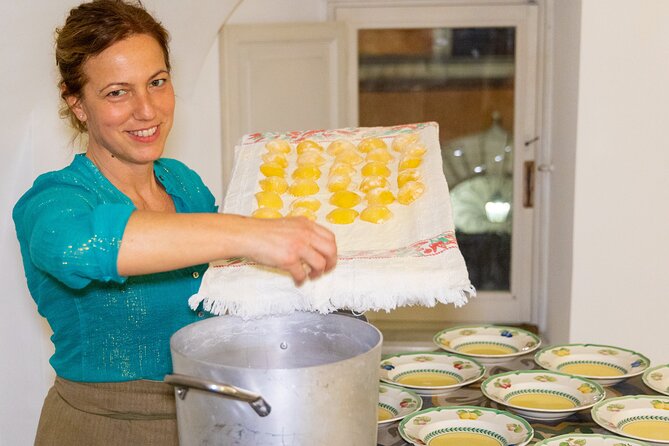
The farm-to-table promise here is tied to Michela’s focus on supporting local micro-farms and using traditional fresh Italian ingredients. That’s not a marketing slogan when your menu includes plain-looking ingredients like tomatoes, basil, mozzarella, and eggplant—because those are exactly the items that reveal quality.
In practical terms, this means you’re more likely to taste difference than you would with food assembled from generic components. The bread salad doesn’t only rely on dressing. It relies on good tomatoes and herbs. The caprese doesn’t only rely on cheese. It relies on tomato flavor too. When those ingredients taste correct, the whole meal feels confident.
And since this is a chef’s-table experience, you also get the human story behind those choices—family traditions, roots, and everyday Italian life. That matters because it turns the meal into understanding, not just consumption.
Small-group dinner etiquette: how to get the most out of it
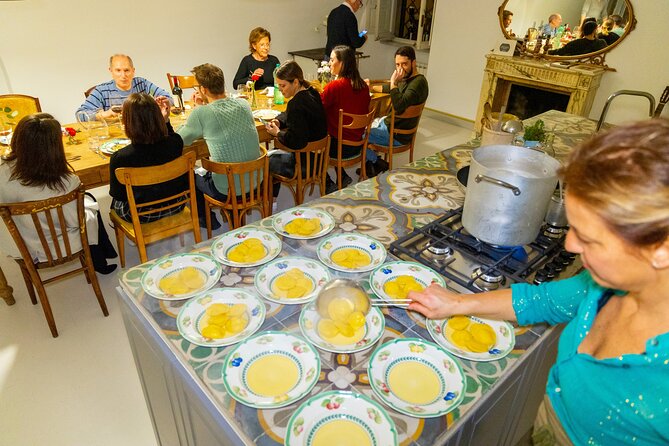
With a maximum of 20 people, you’ll likely have a better chance to talk with Michela and her team. To make it smooth:
- Keep questions simple and direct: ingredients, regional choices, or how the dishes change seasonally.
- Be ready for conversation across courses. This style of dinner usually expects participation.
- If you’re traveling with a group, decide in advance how you want to handle sharing questions—one person asking often works better than everyone at once.
The night works best if you’re curious. If you want silent, no-interaction dining, this isn’t really that kind of event.
Price and value: is $189.67 per person worth it?
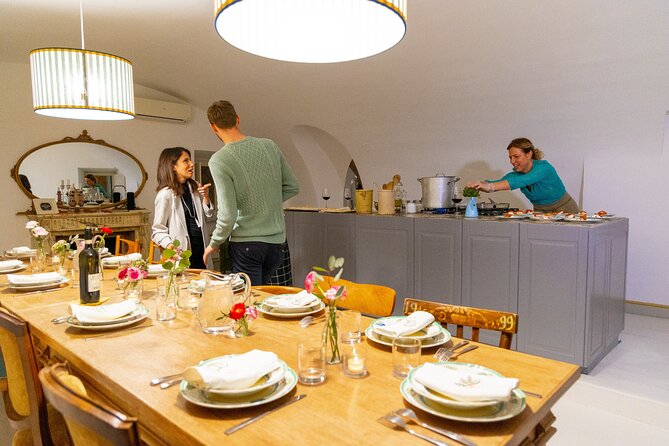
At $189.67 per person for roughly 2 hours 30 minutes, the price can look steep at first glance. But here’s how I’d judge value, based on what’s included:
- 5-course meal (not just a couple small plates)
- Wine pairings
- Chef’s-table style with full interaction
- Small group size that keeps the experience personal
- A rare home setting in Rome, with the chef explaining what you’re eating
If you’ve ever paid a similar amount for a standard restaurant meal, this is usually the difference maker: the interaction plus the structure plus the wine pairing. You’re not only buying dinner. You’re buying time with the person who made it and context for why it tastes the way it does.
In other words, it’s not just a meal. It’s a hosted culinary evening with a story.
Who should book this Rome farm-to-table dinner
I’d point you toward this experience if you:
- Want an authentic Roman meal beyond the usual tourist checklist
- Like talking with chefs and learning why dishes are built the way they are
- Enjoy multi-course dinners that move at a human pace
- Prefer small-group experiences
It may not be the best fit if you:
- Need fully private, quiet dining with no interaction
- Have complex dietary needs and want guaranteed accommodations without discussing them first
- Are very sensitive to the “apartment building” feel of a home restaurant setup
FAQ
FAQ
How long is the farm-to-table dinner?
It runs about 2 hours 30 minutes.
What do I get for the $189.67 per person price?
You get a 5-course meal with wine pairings, served in chef’s-table style.
Is the experience offered in English?
Yes, the experience is offered in English.
What is the group size?
The maximum group size is 20 people.
What if I have a food restriction or allergy?
You’ll need to communicate any allergies or special diet needs when booking, so the host can plan accordingly.
What is the cancellation window?
You can cancel for a full refund up to 24 hours before the experience starts (local time). If you cancel less than 24 hours before, the amount paid isn’t refunded.
Should you book it?
If you’re trying to choose between another average dinner and something that feels like a real evening in Rome, I’d book this. The combination of Michela’s home-chef hosting, a structured 5-course menu with wine pairings, and the Tiber River view creates a night that’s more memorable than most meals you’ll eat in a city break.
Just do yourself a favor: read the entry tip in advance and plan to arrive a bit early so you can find the intercom, follow the steps, and settle in without stress.