Olive oil, villages, and museum tools in one day. I really like the olive oil tasting (fresh, virgin oil you can smell and taste right at the source) and the Kritsa village time with coffee and a fresco-filled church. One thing to keep in mind: some stops are short, so if you like to linger, you may feel a bit rushed.
This is a South Crete–style tour: practical pickup points, an A/C bus, and a real guide who talks through food, everyday life, and what you’re seeing. In past departures, guides such as Ulla and Tanja were praised for sharing lots of concrete details about Cretan culture and how people live, which matters more than memorizing facts off a placard.
At $51 per person, the value is mostly in the guided flow—transport plus a full day of stops. Two costs to plan for: the olive oil farm entrance is 2€ per person, and lunch at Kalamáfka is on request and not included.
In This Review
- Key things to know before you go
- A 7-hour Crete day built around taste, villages, and museum artifacts
- Getting to the olive oil farm: what you smell, taste, and pay for
- Kritsa village walk: coffee square, fresco church, and photo-ready lanes
- Prina and the short hidden photo pause: how these stops shape your pacing
- Kalamáfka (and the Limnes lunch mention): hiking time plus a meal plan
- Neapoli Cultural Museum: tools and artifacts that explain daily life
- Agios Nikolaos coffee and souvenir time without turning it into shopping theater
- Price and logistics: is $51 per person good value?
- Who this tour suits best (and who should adjust expectations)
- What to bring so the day feels easy
- Should you book the Makrigialos–Ierapetra village and olive oil farm tour?
- FAQ
- How long is the tour?
- What is the price per person?
- Is hotel pickup and drop-off included?
- What language is the live tour guide?
- Is the olive oil farm entrance included in the price?
- Is lunch included?
- What’s included besides pickup and the guide?
- What should I bring?
- Is the tour wheelchair accessible?
- Are pets allowed?
Key things to know before you go
- Fresh olive oil tasting right from the farm, not a distant bottle presentation
- Kritsa time for a real stroll, coffee, and a church with frescoes
- Neapoli Cultural Museum focuses on tools and everyday artifacts, not just big-ticket themes
- A mix of village walking and shorter photo pauses, so pace is part of the deal
- Lunch may be extra (on request) and worth budgeting for ahead of time
- Multiple pickup spots mean you can usually match your hotel area without a long shuttle
A 7-hour Crete day built around taste, villages, and museum artifacts
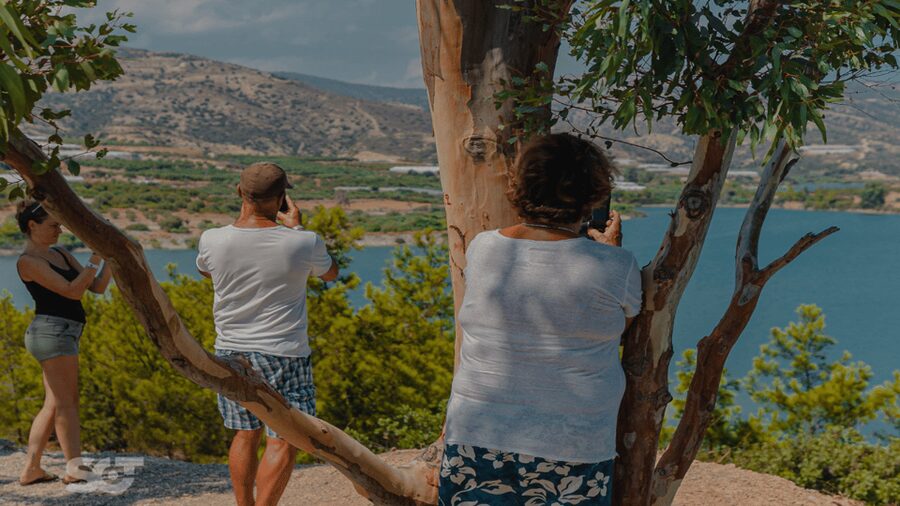
This tour is built for people who want more than a beach day but don’t want the stress of renting a car and mapping backroads all afternoon. You’ll get transport from a wide range of pickup locations, then a guided route that rotates between countryside production (olive oil), village life, and a culture stop that explains how Crete worked long before tourism.
The length is 7 hours, which is a good sweet spot: enough time to feel like you’ve connected dots, but not so long that you’re drained before the next meal. You’ll be on your feet at several points, so comfortable shoes matter. A hat and sunscreen are also smart—this part of Crete can feel bright and warm even when the walking is gentle.
The big “why it works” is balance. Olive oil gives you a sensory start. Kritsa and Prina give you the look and rhythm of traditional villages. Neapoli gives you context so the scenery doesn’t feel like a postcard—you’ll know what you’re looking at and why it mattered.
Getting to the olive oil farm: what you smell, taste, and pay for
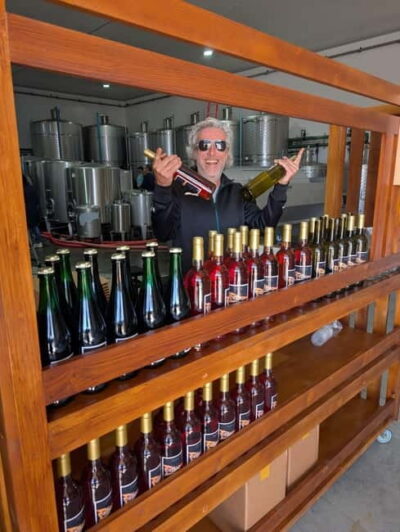
The day begins with a drive to an olive oil farm near Agios Nikolaos. This is the part I’d call the sensory anchor. You’ll learn the olive oil production process, then taste fresh, virgin olive oil straight from the source. That smell—green, slightly grassy, sometimes a little peppery—is hard to fake from memory. The point isn’t to be a judge. The point is to understand what makes one oil feel different from another.
Budget tip: the olive oil farm visit has an entrance fee of 2€ per person. Everything else is included in the tour price (pickup/drop-off and guide), but that farm cost is specifically listed, so assume it’s due on arrival or when you check in.
Now, a fair caution: some people have questioned how “authentic” a farm experience feels, saying it can lean toward a more commercial setup rather than a fully local workday. That doesn’t ruin the value of tasting and learning, but if you want hands-on involvement with locals doing daily labor, you might end up with more viewing and shopping than working side-by-side. Still, for first-time visitors, the tasting alone is usually worth the small extra fee.
Kritsa village walk: coffee square, fresco church, and photo-ready lanes
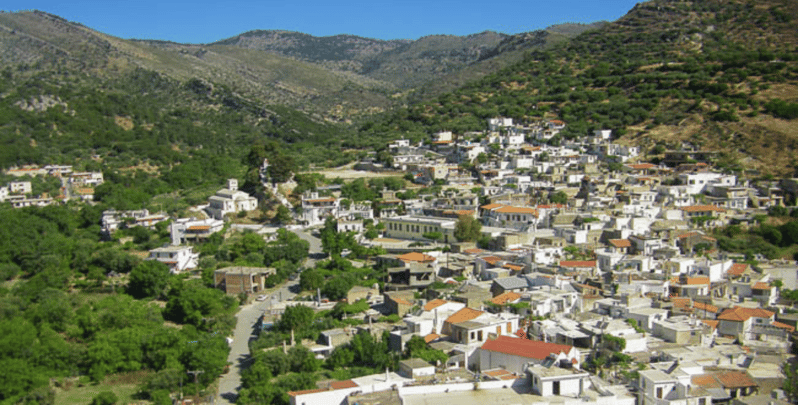
After the farm, you head to Kritsa, one of the island’s most picturesque and historic villages. Plan for a walk with time to slow down, not a sprint. You’ll get around 75 minutes, which is enough to wander small streets, spot architecture up close, and still sit for that Greek coffee in the village square.
What makes Kritsa stand out is the mix of charm and “readable” place. It’s not just pretty. You’re in a village where the old church details catch your eye—especially the frescoes—and the guide can help you interpret what you’re seeing. If you like places where you can pause at a corner and instantly feel the age of the stones and steps, you’ll enjoy Kritsa.
Potential drawback: the available time is organized, so you won’t have hours to chase every alley. One guest noted that village exploration can feel limited—small lanes can be walked through pretty fast—so the later minutes can turn into shopping time. If you’re not shopping-focused, bring your camera and let the coffee stop do some of the work for your “memory making.”
Prina and the short hidden photo pause: how these stops shape your pacing
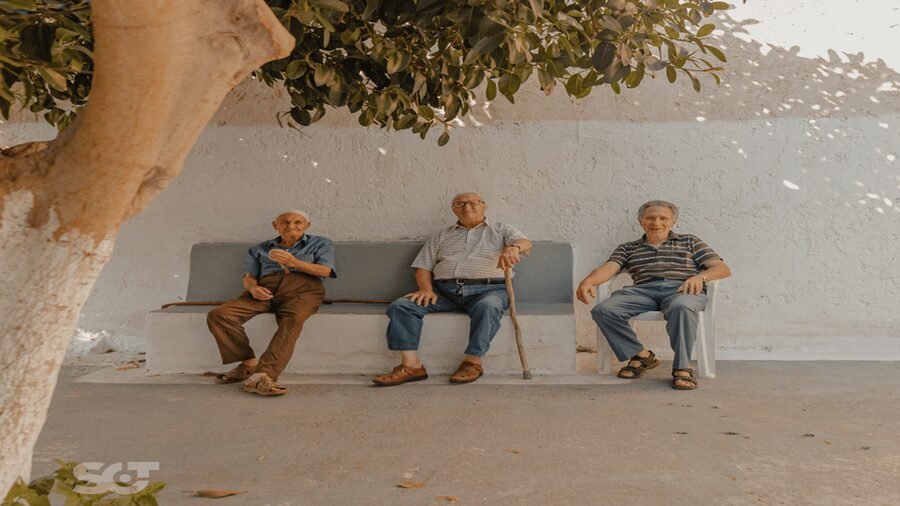
Next comes Prina, with a guided tour plus walking time of about 45 minutes. This stop can be a good “second village layer,” especially if you’re trying to understand how different Cretan villages feel even when they’re in the same region. A guide-led component helps here, because you’ll notice details you might otherwise miss—house layouts, street patterns, and the way public buildings anchor village life.
Then there’s a quick photo stop (about 15 minutes). This is brief by design, and that’s why it’s important to be ready: keep your camera handy, and use it to grab views you’ll remember later. The photo pause works best when you treat it like a short reset between longer walks.
One theme from real feedback: if you love lingering in villages, you may wish some of these segments were longer, especially because at least one village can feel like it gets covered quickly. The tradeoff is you still fit in the cultural museum at the end.
Kalamáfka (and the Limnes lunch mention): hiking time plus a meal plan
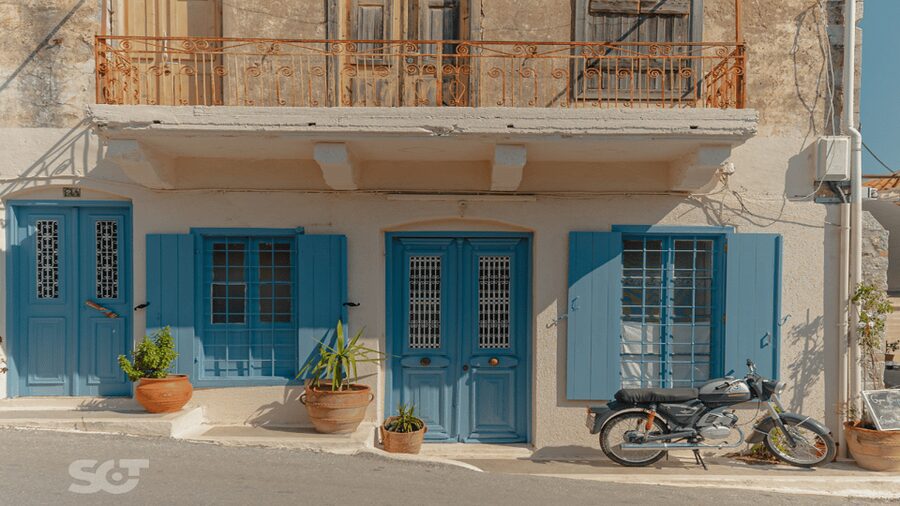
The lunch and active portion is where you’ll feel the schedule most. You head to Kalamáfka, where you’ll have lunch, a guided tour, and about 105 minutes of hiking/walking time.
Here’s a small naming wrinkle worth knowing: the overall description mentions lunch in Limnes, while the day plan lists Kalamáfka as the lunch stop. In practical terms, this is still the same general countryside break designed for a traditional taverna meal plus movement. Just be ready for a walk-in, walk-through kind of stop rather than a long, sit-and-chat lunch hour.
Food reality check: lunch at Kalamáfka is not included, and it’s described as on request. That means you should expect to pay for your meal separately. If you eat lightly, budget less. If you tend to order starters and dessert, plan a bigger meal spend. The good news is that this part is meant to feel like Cretan eating with fresh local ingredients, served in a relaxed setting.
If you’re sensitive to hills, this is where you’ll feel it. The hike is part of the experience, but your comfort depends on footwear and energy. Bring water if you’re allowed to, and keep an eye on the sun. A hat is not optional if you burn easily.
Neapoli Cultural Museum: tools and artifacts that explain daily life
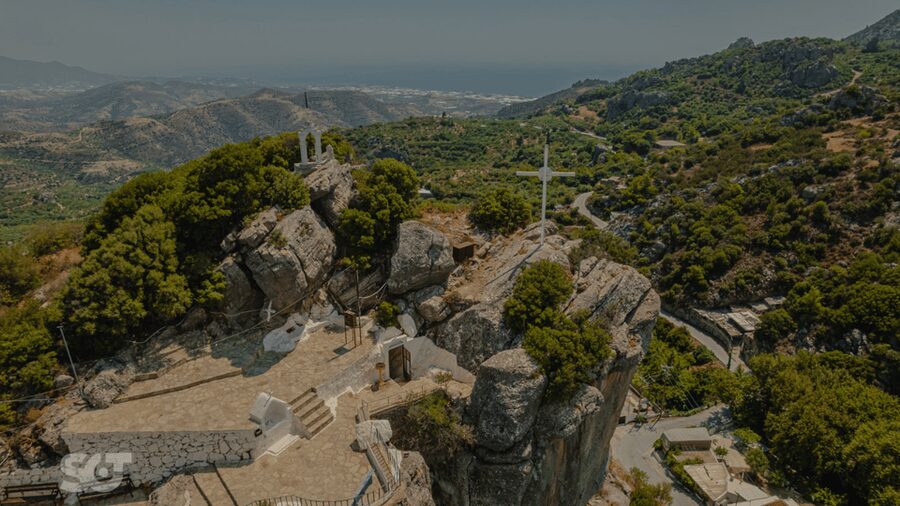
The final “meaning” stop is Neapoli Cultural Museum. This is a smart move after villages, because it turns impressions into understanding. Instead of just taking photos, you’ll see traditional tools and artifacts that bring Crete’s past into focus.
The museum visit can be especially valuable if you’re traveling with curiosity: you’ll connect what you saw outside (village architecture and everyday spaces) to what people used to do inside their homes and workplaces. Even if museums aren’t your usual thing, a tool-and-artifact focus is often more engaging than a purely chronological exhibit.
One practical note: entrance fees for the museum aren’t listed in the details you provided, and only the olive oil farm fee is specifically mentioned. So if there’s an admission charge at Neapoli, it would likely be separate. The tour price covers the guide and transfers, but not necessarily every site ticket.
Agios Nikolaos coffee and souvenir time without turning it into shopping theater
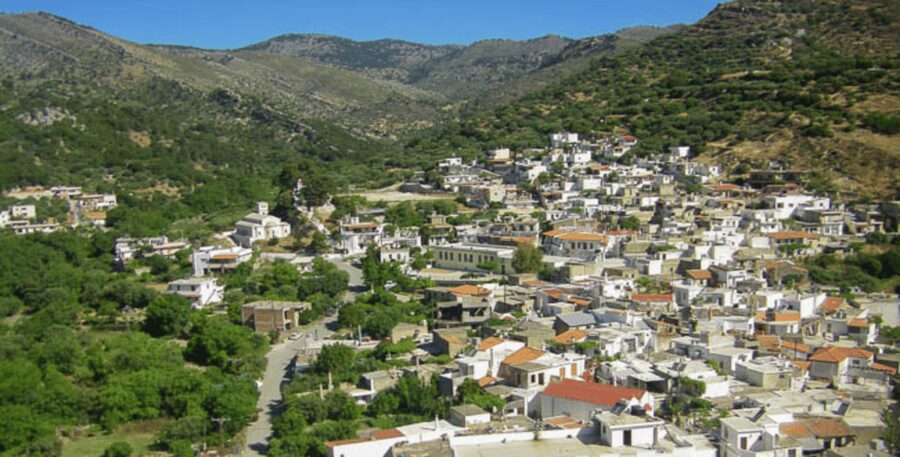
By the end of the day, you’ll have a chance to shop for souvenirs and enjoy a coffee at Agios Nikolaos, which is a nice way to wrap the day. This isn’t just a filler stop. After walking and tasting all afternoon, a café break gives you the chance to catch your breath, review your photos, and decide which village details stuck with you.
As for shopping: you’ll have limited windows. That means you can treat it like a focused activity: pick up a couple of food items or small gifts that relate to what you just learned—especially olive oil related things—rather than getting lost in a wide selection. If shopping isn’t your style, you can just enjoy the coffee and let the browsing pass quickly.
Price and logistics: is $51 per person good value?
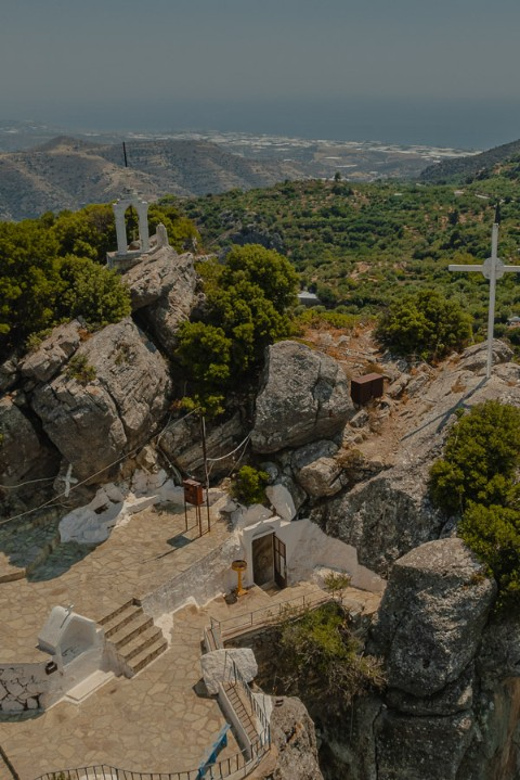
$51 per person sounds like a fair deal for a full 7-hour guided day—especially because it includes hotel pickup and drop-off and A/C bus transportation, plus an experienced guide.
But it’s not a “pay once and done” tour. Two extras can affect your total:
- Olive oil farm entrance: 2€ per person
- Lunch at Kalamáfka: not included and on request
So the real value depends on what you choose to do for lunch and how much you care about the farm tasting itself. If you like food experiences and you’re happy to pay a small entrance fee, the guided structure is a bargain. If you’re trying to keep costs extremely tight and also don’t care about olive oil, you may feel you’d rather spend your day with fewer stops and more free time.
There’s also a pacing value. With pickup included across many hotel zones, you avoid the time cost of figuring out transport on your own. That matters in Crete, where driving is easy in theory but time-consuming in practice.
Who this tour suits best (and who should adjust expectations)
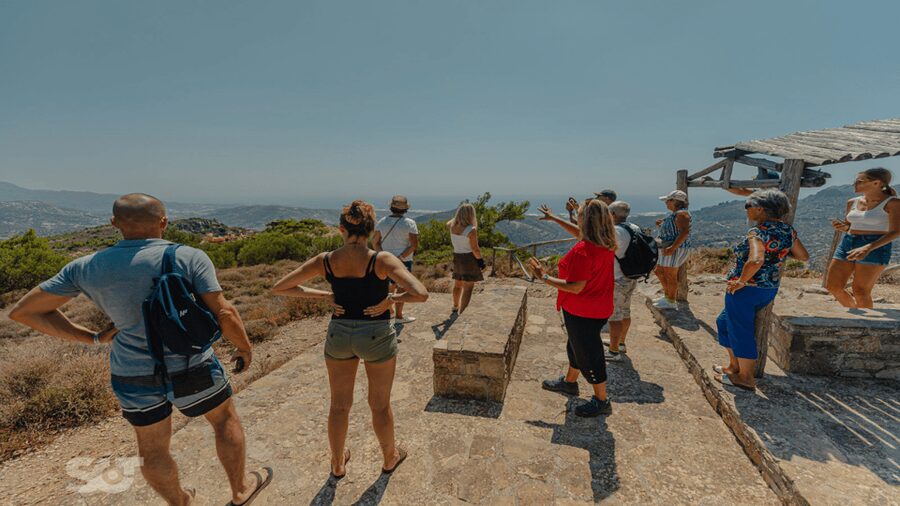
This tour fits best if you want:
- a guided introduction to village life in eastern and central South Crete
- hands-on-style sensory time with olive oil tasting
- a structured day that doesn’t require planning routes
It’s also good for you if you enjoy conversations with a guide. In previous runs, guides like Ulla and Tanja were singled out for answering questions and sharing lots of practical context about Cretan culture and food.
You might want to choose a different style of tour if:
- you dislike short village windows and prefer slower, longer stays
- you want very local, labor-focused experiences (some people felt the farm side felt more commercial than workshop-like)
- you’re looking for lots of unstructured “meet the locals” moments rather than guided stops
What to bring so the day feels easy
Keep it simple. Bring:
- comfortable shoes for village walking and the hike portion
- hat and sunscreen for the sun
- camera for fresco details, stone streets, and views
- a plan for your lunch budget since it’s not included
If you’re prone to getting cold after being in air conditioning, bring a light layer. The bus is A/C, and the sun can swing your temperature fast once you step outside.
Should you book the Makrigialos–Ierapetra village and olive oil farm tour?
I’d book this if you want a well-paced sampler day: taste Crete through virgin olive oil, see Kritsa properly (coffee plus fresco church), then add context with the Neapoli Cultural Museum. At $51, the guide-and-transport value is strong, and the sensory part is hard to replicate on your own.
I’d pause before booking if you’re the type who needs long, free time in villages or you’re hoping for fully hands-on farm work. The structure is real and the walking is real, but the day is still time-managed.
If that sounds like your style, you’ll probably come away with more than photos—you’ll understand what you saw and why it matters.
FAQ
How long is the tour?
The tour duration is listed as 7 hours.
What is the price per person?
The price is listed as $51 per person.
Is hotel pickup and drop-off included?
Yes. Hotel pickup and drop-off and transfer by A/C bus are included.
What language is the live tour guide?
The live tour guide languages listed are Czech, German, and French.
Is the olive oil farm entrance included in the price?
No. Olive oil farm entrance is listed as 2€ per person.
Is lunch included?
Lunch in Kalamáfka is on request and is not included.
What’s included besides pickup and the guide?
The included items are pickup/drop-off with transfer by A/C bus and an experienced tour guide.
What should I bring?
Wear comfortable shoes and bring a hat, camera, and sunscreen.
Is the tour wheelchair accessible?
No. It is not suitable for wheelchair users.
Are pets allowed?
Pets are not allowed (assistance dogs are allowed).