REVIEW · NAIROBI
Nairobi to Kiambethu Tea Farm Tour
Book on Viator →Operated by Safari Port · Bookable on Viator
Tea beats Nairobi traffic. This Kiambethu Tea Farm tour takes you from Nairobi to the Ngong Hills area for a guided look at how tea is grown and processed, plus a tea-making walkthrough and 3-course lunch with tea tasting. One catch: it’s closed on Mondays and the last day of the month, so your calendar matters.
I like that you get round-trip hotel pickup and a tight group size (about 15 people), which keeps it easy to ask questions. You may also meet hosts like Fiona and Sarah, and you’ll have a resident Kenyan guide for the forest walk where Colobus monkeys can show up close.
In This Review
- Key things to know before you go
- Why Kiambethu Tea Farm feels like the right Nairobi day trip
- Getting there from Nairobi: pickup, timing, and what to expect
- The morning tea talk: history plus how tea becomes a cup
- Walking the indigenous forest with a Kenyan guide
- Gardens, birds, and a slower pace that still feels full
- Pre-lunch verandah views and the 3-course buffet lunch
- Tea packs for sale: bringing home a small piece of Kiambethu
- Price and value: what $108 includes and why it can make sense
- Who should book this tour (and who might skip it)
- Tips to make the day smoother
- Should you book the Nairobi to Kiambethu Tea Farm tour?
- FAQ
- FAQ
- How long is the Nairobi to Kiambethu Tea Farm tour?
- What time does the tour start?
- Is hotel pickup and drop-off included?
- Is lunch included?
- Is the tea included in the price?
- Is there an admission ticket included?
- How big is the group?
- Is there a dress code?
- Is the tour closed on specific days?
- What is the cancellation policy?
Key things to know before you go
- Small group (up to 15) means the day feels personal and not rushed
- History + processing talk starts with coffee or tea before you walk the farm
- Indigenous forest walk includes plant identification and traditional uses
- Colobus monkey spotting can happen right on the forest route
- Farm-fresh 3-course buffet lunch is served with sweeping Ngong Hills views
- Tea packs are for sale, but that shopping is separate from the tour price
Why Kiambethu Tea Farm feels like the right Nairobi day trip
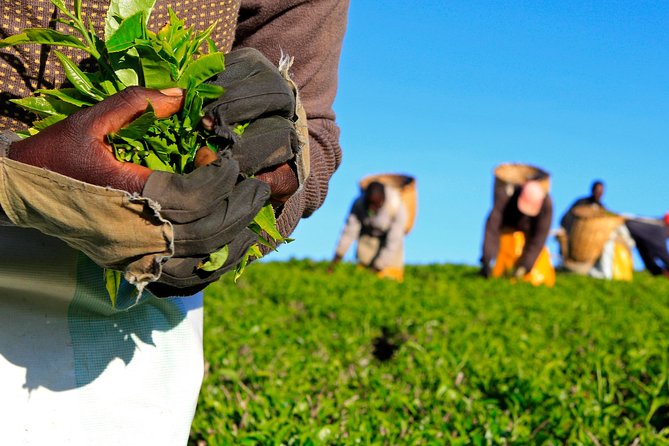
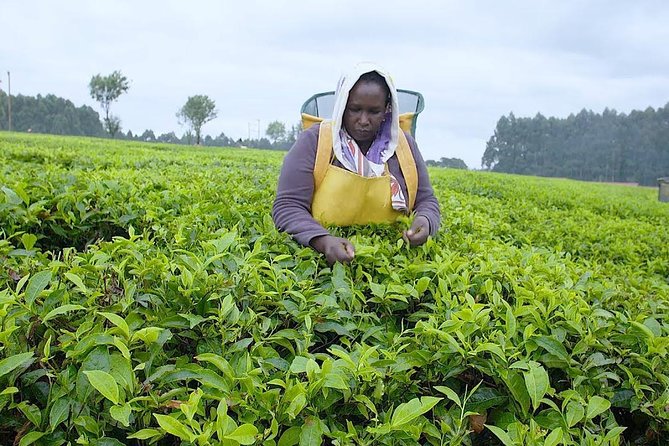
Nairobi can be loud. Kiambethu slows everything down. In just half a day, you get a real view of how tea happens on the ground: planting, growing, picking, and the steps that turn leaves into the cup you’ll eventually taste.
What I like most is that you’re not just looking at fields from a distance. You get an explanation of the tea process and then you see it in action on the property, with a guided walk through the farm and nearby forest. Add the views toward the Ngong Hills, and you have a day trip that feels more than a drive-and-photos stop.
The value also feels strong for what’s included: round-trip transfers, a proper 3-course lunch, and tea/coffee. It’s a “sit down, learn, and enjoy” kind of outing, not a checklist tour.
You can also read our reviews of more tours and experiences in Nairobi.

Getting there from Nairobi: pickup, timing, and what to expect
The start time is 9:30 am, and the day runs about 5 to 6 hours. In practice, that usually means you’ll leave Nairobi early enough to reach the farm and still have time for the full sequence: morning tea or coffee talk, farm and forest walk, then lunch with views.
The tour is structured for comfort. You get hotel pickup and drop-off, so you don’t have to handle public transport or arrange a car for the trip out to the Ngong Hills area. That’s also why this works well if you’re short on time, have one day to spare, or just want your transportation handled.
Two timing notes that actually matter:
- The experience is closed on Mondays and the last day of the month.
- It’s also closed on Christmas Day and Happy New Year’s Day.
If you’re planning around those dates, you’ll want to adjust early rather than hope it still runs.
The morning tea talk: history plus how tea becomes a cup
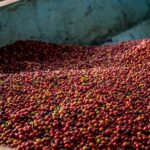
The day starts at the farm with a relaxed introduction, typically around 11:00 am, where you’ll have a cup of tea or coffee. This is when the farm story and the tea-making process come into focus in a way that’s meant for visitors, not textbooks. The goal is to give you the big picture first, so the later walking makes sense.
I particularly like this flow: you learn the basics before you go into the field areas. It turns your eyes into a filter. You’re not just seeing rows of bushes; you’re thinking about harvesting, processing, and why certain steps matter.
You should also plan to ask questions while you’re in this first session. The format is informal, which tends to make it easier to get answers on anything you’re curious about, from how harvesting works to what happens after the leaves are picked.
Walking the indigenous forest with a Kenyan guide
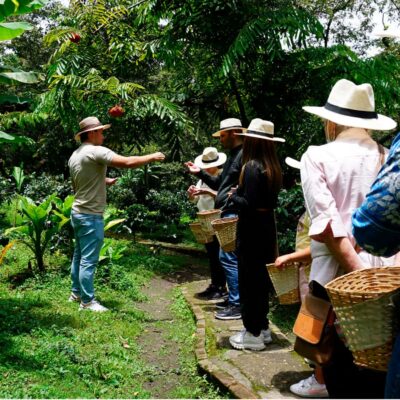
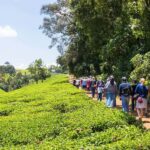
One of the most rewarding parts is the walk through the indigenous forest with a resident Kenyan guide. This is not a quick stroll for a single photo. You’ll slow down enough to identify plants and hear how they’re traditionally used.
This is also where the “Kenya detail” shows up beyond tea. The guide points out trees and plants that serve purposes beyond the obvious tourist sights, including medicinal uses you can’t really learn from a roadside sign.
And yes, keep your eyes up for wildlife. The tour includes a real chance to spot Colobus monkeys close up. I can’t promise every visit will deliver the monkeys at the exact moment you want, but the setup is right for it: you’re in the right habitat at a walking pace, with a guide who knows where to look.
Gardens, birds, and a slower pace that still feels full
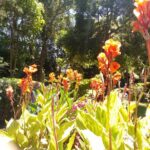
After the forest section, you’ll wander the farm gardens, where there’s a mix of birds and flowers. This part works because it’s paced. You’re not being marched. You can look, stop, and take in the color and movement around you.
The garden walk also balances out the earlier learning. By the time lunch arrives, you feel like you’ve earned the break. The best part is that the day doesn’t feel like an endurance event. It’s a calm route with a clear rhythm: learning, walking, scenery, then food.
For your planning: wear shoes you’re comfortable with on uneven ground. You’re walking on natural paths, and the goal is an unhurried experience, not sprinting to keep up.
Pre-lunch verandah views and the 3-course buffet lunch
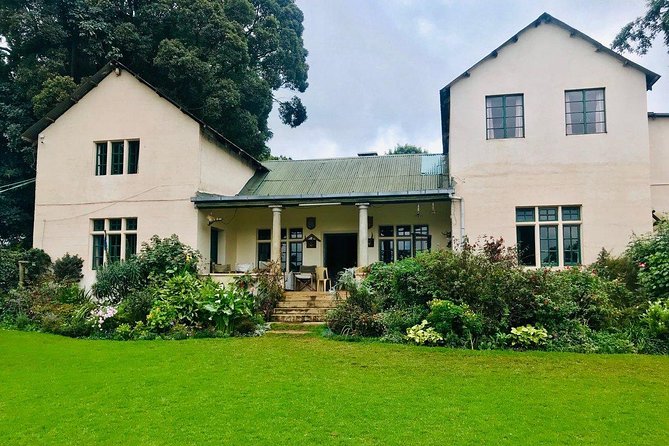
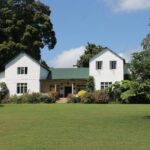
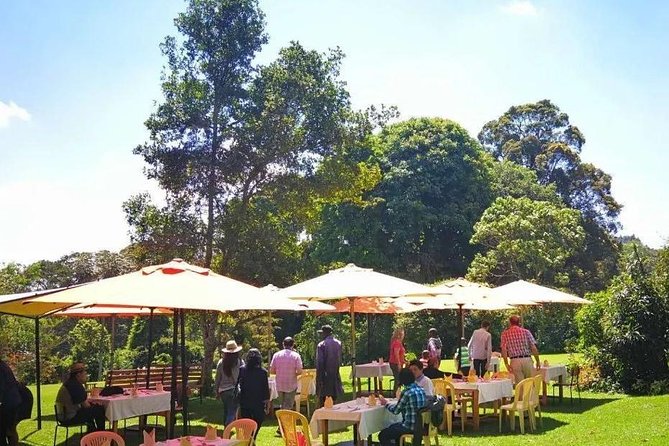
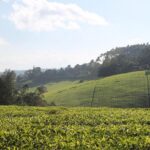
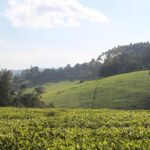
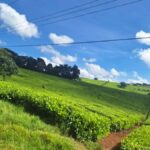
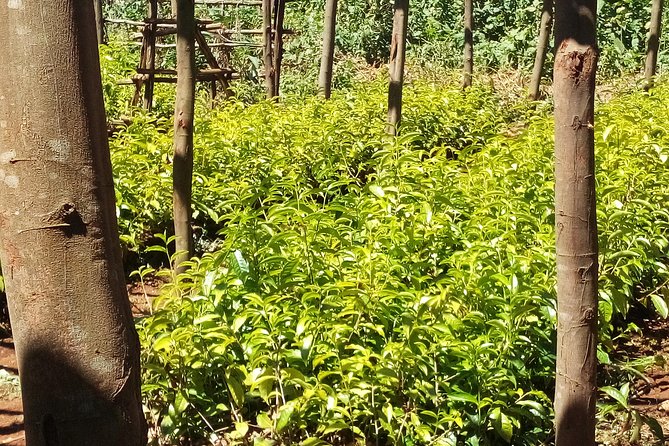
Before lunch, you return to the house for a pre-lunch drink on the verandah. This is when the tea fields open up in front of you, stretching toward the Ngong Hills. It’s one of those moments where the day clicks from active to relaxing.
Lunch is served as a 3-course buffet. In plain terms: you’ll eat well. The tea farm setting helps, but the bigger win is that lunch isn’t an afterthought. It’s part of the experience, and it’s where the day feels most like a reward.
You’ll also have tea as part of the meal rhythm. That matters, because it ties the morning talk to a real taste experience. You get to connect what you learned about process and leaf with what you’re actually drinking.
If you’re the kind of person who likes your food “in context,” this is your stop.
Tea packs for sale: bringing home a small piece of Kiambethu
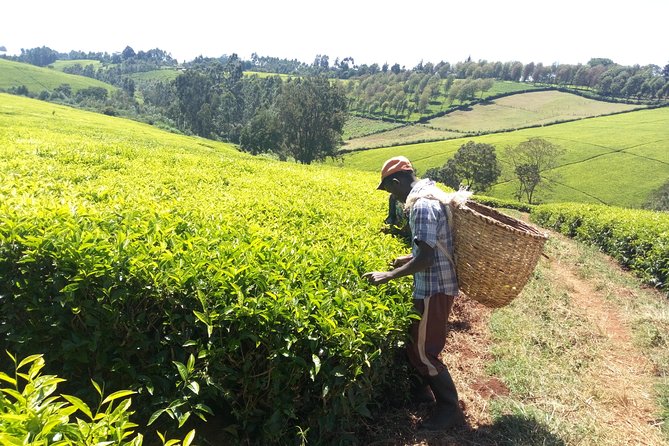
You’ll likely see tea for purchase on site, including tea packs. The tour price covers everything else, but tea packs aren’t included, so treat that as optional shopping.
My advice is simple: if you want a souvenir you’ll actually use, buy a small amount rather than committing to a big pack on day one. Then you can decide later if you want more when you get home.
Also, if you have strong preferences (like specific strengths or styles), ask before you purchase. This is one of the few moments during the day where you can connect what you’re buying with what you heard in the morning.
Price and value: what $108 includes and why it can make sense
The price is $108.00 per person, and booking tends to happen around 30 days in advance. That matters because this is the sort of tour that fills up, especially with a small group cap.
Here’s the value math that makes this work:
- You get hotel pickup and drop-off, so transport risk drops to near zero.
- You get the professional guide and driver/guide support.
- You get lunch (a 3-course buffet) plus coffee and/or tea.
- All fees and taxes are listed as included.
So you’re paying mostly for time, guidance, and a structured farm day, not for basic logistics. If you’re comparing against DIY transport plus buying lunch separately, the difference can narrow quickly, especially when you add the time you’d spend figuring out how to visit the farm safely and smoothly.
One practical note: the information also notes that an admission ticket is not included, even though fees and taxes are listed as included. If that makes you uneasy, ask the operator before booking so you’re clear on exactly what part—if any—would be paid separately.
Who should book this tour (and who might skip it)
This suits you if:
- You want a tea-focused day with guided learning and a real meal.
- You like wildlife and easy walking, especially if you hope to spot Colobus monkeys.
- You prefer small groups so you can actually ask questions during the tea talk.
It may not be the best fit if you want:
- A super long day with lots of different stops. This is a concentrated experience, and the whole point is to stay on the property.
- A highly structured schedule with constant action. The best parts are the slow ones: verandah views, the forest guide conversation, and lunch time.
Dress code is smart casual, and most people can participate. If you’re bringing children, they need an adult with them.
Tips to make the day smoother
A few small things help you enjoy it more:
- Wear shoes you trust for walking paths and garden areas.
- Bring a light layer. Even on sunny mornings, shade in the forest walk can feel cooler.
- Have a phone ready for photos, especially around the farm views and forest stretch.
- If you care about tea taste, pay attention during the early talk and ask questions before lunch tasting time.
One more smart move: double-check the day you’re traveling against the closure schedule. Mondays and the last day of the month are the usual show-stoppers.
Should you book the Nairobi to Kiambethu Tea Farm tour?
If you want a calm, guided Nairobi day trip with real tea education, good food, and a chance for wildlife, I’d book it. The biggest reason is the balance: you learn something you can remember, you walk through different parts of the property, and you finish with a proper meal and views instead of a rushed exit.
I’d only hesitate if your dates fall on the closure days or you dislike slow countryside pacing. Otherwise, this is the kind of experience that’s simple on paper and satisfying in real life.
FAQ
FAQ
How long is the Nairobi to Kiambethu Tea Farm tour?
It runs about 5 to 6 hours.
What time does the tour start?
The start time is 9:30 am.
Is hotel pickup and drop-off included?
Yes, round-trip hotel pickup and drop-off are included.
Is lunch included?
Yes. Lunch is included as a 3-course buffet lunch, along with coffee and/or tea.
Is the tea included in the price?
Coffee and/or tea are included. Tea packs for sale are not included.
Is there an admission ticket included?
Admission ticket is noted as not included in the tour details, even though all fees and taxes are listed as included. It’s worth confirming at booking what, if anything, you would pay separately.
How big is the group?
Tours are limited to 15 travelers.
Is there a dress code?
Yes, dress code is smart casual.
Is the tour closed on specific days?
Yes. It’s closed on all Mondays and the last day of every month, plus Christmas Day and Happy New Year’s Day.
What is the cancellation policy?
You can cancel for a full refund up to 24 hours before the experience starts. If you cancel within 24 hours of the start time, there’s no refund.