REVIEW · NAIROBI
Purple Tea Farm Tour from Nairobi City – Specialty Tea Tasting
Book on Viator →Operated by African Authentic Safaris Ltd · Bookable on Viator
Purple tea fans, this is your Kenya moment. I love how the day is built around real farm work in Gatanga—from picking purple tea to learning how specialty teas are processed. I also liked the three-course lunch and guided tastings, where you try several tea styles like green, oolong, hibiscus, and golden tips.
Do keep one thing in mind: the day runs on time, and if pickup details are unclear, it can turn into extra stress. I’d treat pickup timing as something to confirm before you head out from Nairobi.
In This Review
- Key things that make this tour worth your time
- A Nairobi day trip built around real tea work in Gatanga
- Price and value: what $102 covers (and what it doesn’t)
- Getting to the farm: the 8:00am start at Uniafric House
- Welcome in the farmhouse and your first lesson on Kenyan tea growing
- Purple tea picking: hands-on work that actually sticks
- Orthodox processing lessons and the nature walk to the waterfall
- Three-course lunch plus a serious specialty tea tasting lineup
- Buying tea leaves right after the mill moment
- Who should book this Purple Tea Farm Tour (and who might not)
- Booking smart: timing, group size, and expectations
- Should you book this Nairobi purple tea farm tour?
- FAQ
- How long is the Purple Tea Farm Tour from Nairobi?
- Where does the tour start and end?
- What’s included in the price?
- How many people are in the group?
- What teas will I taste?
- What if the weather is bad?
Key things that make this tour worth your time
- Hands-on purple tea picking and carrying your leaves to the processing step
- Traditional orthodox processing lessons that explain what changes in the tea-making stages
- A nature walk ending at a waterfall, with a chance to cool off if conditions allow
- A structured three-course meal plus a tasting session covering multiple specialty teas
- Small group size (max 12), which keeps questions and attention from getting lost
- You can buy tea leaves after seeing how the tea comes out of the mill
A Nairobi day trip built around real tea work in Gatanga
This tour feels like a proper tea farm visit, not a drive-by photo stop. The action is in Gatanga, where you start with a welcome from family members and a quick grounding in tea growing in Kenya. From there, the day moves into hands-on tasks and the kind of guided tea tasting that actually helps you understand what you’re drinking.
If you’re the type who loves learning by doing, you’ll probably enjoy how much of the experience is physical: you’ll pick tea leaves, then bring what you picked for processing. That one detail changes the whole vibe. You’re not just sampling—you’re building a mental map for how each step affects what ends up in your cup.
You can also read our reviews of more tours and experiences in Nairobi.

Price and value: what $102 covers (and what it doesn’t)
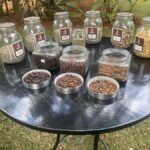
At $102 per person, this is not a budget snack. But it’s also not just “transport plus tastings.” You’re paying for a full day structure: return transfers from Nairobi, lunch, coffee and/or tea, and admission-style inclusion for the experience. You also get a tasting lineup broad enough to compare styles: purple tea, green tea, black orthodox, oolong, hibiscus, yellow tea, silver tips, and golden tips.
The big value play here is that you’re not expected to pay separately for the tasting portion. Lunch is part of the experience, and the tasting comes with it. If you’ve ever been on tours where tea is offered like a bonus after the main event, this one is closer to the opposite: tea is the main event, and food is timed to support it.
Personal costs aren’t included, so if you plan to buy tea leaves, set aside extra cash. That said, the opportunity to purchase directly after the mill step is exactly the kind of moment where you can buy with more confidence.
Getting to the farm: the 8:00am start at Uniafric House

The day starts at Uniafric House, 25, Nairobi, with a start time of 8:00am and an end back at the same meeting point. The schedule matters because you’re out for about 9 hours total, and you’ll want to be fully ready for the farm segment and the lunch/tasting block.
Because the tour includes transport to and from Nairobi, you can skip the headache of finding your own ride and coordinating timing on the ground. It’s also offered as a mobile ticket, which is usually smoother once you’re in Nairobi and moving around.
One practical tip: treat your confirmation message like the source of truth. If there’s any mismatch between what you expect and what the pickup plan is, you’ll feel it more on a farm day than you would on a city museum visit.
Welcome in the farmhouse and your first lesson on Kenyan tea growing

Before you touch the tea bushes, you’ll get a welcome at the farmhouse and a briefing on tea growing in Kenya. It’s family-led, and that matters because you get explanations tied to how tea is actually done, not just general tea trivia.
This early context helps later. When you go picking purple tea, it’s easier to understand what you’re selecting and why processing steps matter. You’ll also be primed for the tasting stage, where knowing the basics turns a series of sips into a real comparison.
Purple tea picking: hands-on work that actually sticks
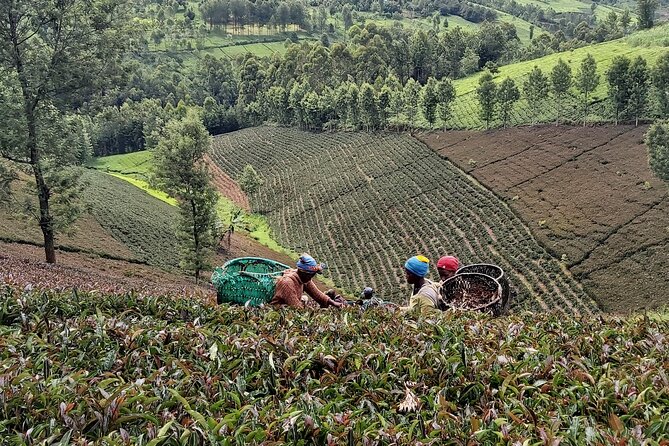
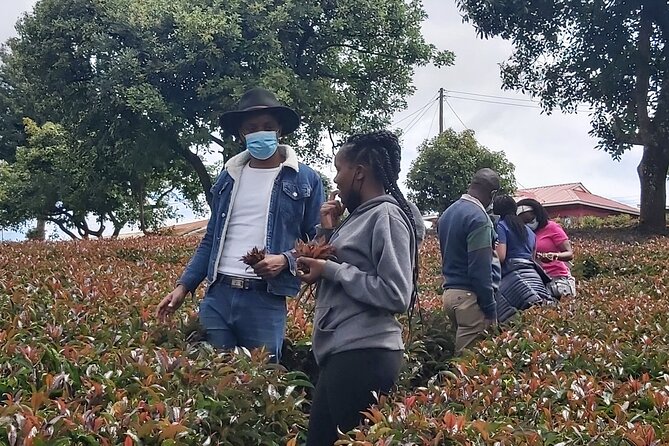
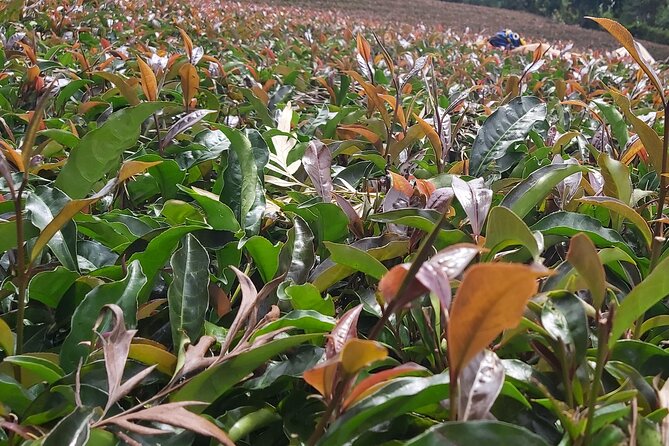
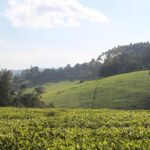
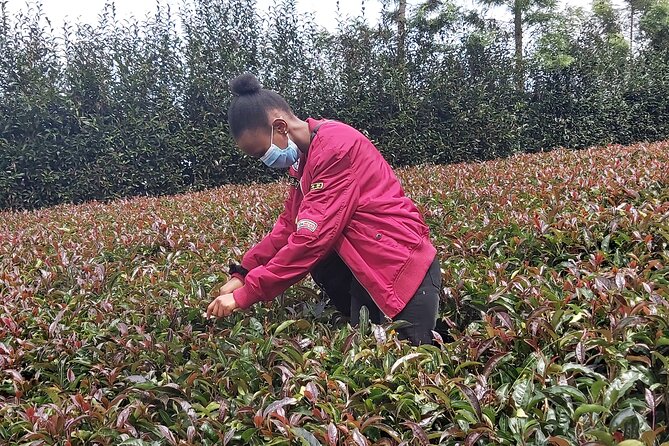
The core activity is the tea picking session. You’ll experience how tea is hand-picked, and yes—you’ll be able to try picking purple tea yourself. You’ll even carry the tea you picked for processing, so your work stays part of the story instead of being a brief gimmick.
What I like about this format is that it gives you something concrete to remember. When you later taste different types—green, oolong, hibiscus, black orthodox—you can connect flavor to process rather than guessing. And purple tea, being less familiar for many visitors, benefits especially from having a hands-on starting point.
You’ll also want to approach this with the right mindset: farm activities are hands-on, a little dusty, and best enjoyed at a comfortable pace. If you’re sensitive to uneven ground, take your time. This is a working environment more than a manicured attraction.




Orthodox processing lessons and the nature walk to the waterfall

After picking, the tour shifts into processing education. You’ll learn the traditional way of processing specialty tea, including the traditional orthodox tea processing procedure. Even if you don’t memorize every step, you’ll walk away with the key idea: the tea you pick doesn’t automatically become every style you taste later. Processing choices shape the end product.
Then comes the experiential nature walk. It builds up to a nature trail that climaxes with arrival at a waterfall. This is where the day gets a little more “Kenya outdoors.” It breaks the workshop rhythm and gives you a reset between the hands-on picking and the sit-down lunch/tasting.
From the experience vibe, you might also see people go for a quick dip at the waterfall area if it’s safe and conditions allow. The tour info doesn’t promise swimming, but farm visitors often bring that adventurous energy to moments like this—so wear shoes you trust and be ready to follow local guidance.
Three-course lunch plus a serious specialty tea tasting lineup
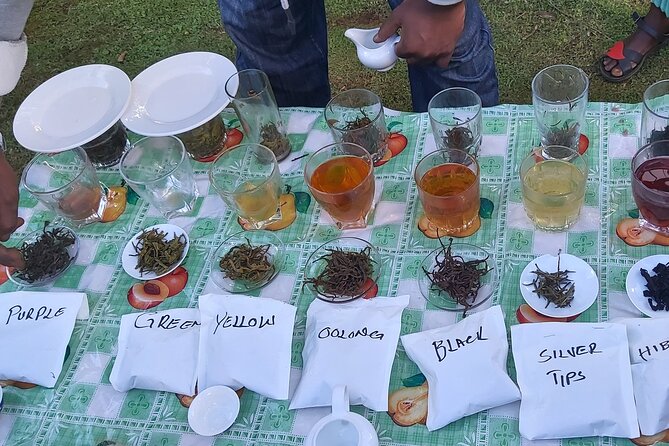
Lunch is three-course, which is a pleasant surprise compared with the typical one-plate meal many day tours offer. You eat first, then you taste, which helps you avoid that flat, numb feeling you can get when you start sampling teas on an empty stomach.
After lunch, you’ll participate in a specialty tea tasting session. This is one of the most rewarding parts of the day, because you’re not limited to one or two teas. Expect to taste a variety including:
- Purple tea
- Green tea
- Black orthodox
- Oolong
- Hibiscus
- Yellow tea
- Silver tips
- Golden tips
What I like about this set is that it gives you comparison across different tea styles and appearances. It’s much easier to remember what you like when you can contrast flavors and aromas back-to-back. If you’ve ever liked tea but couldn’t explain why, this type of tasting often does a good job of turning preference into understanding.
Also, the tour includes coffee and/or tea, so you’re not walking into lunch dehydrated or caffeine-starved. Just remember: you’ll be tasting multiple options, so pace yourself. Sipping slowly will make the differences more obvious.
Buying tea leaves right after the mill moment
Near the end, there’s time to buy tea leaves. The idea is that you can purchase quality Kenyan tea as it comes out of the tea factory mill. That timing matters. When you buy at the end, after learning and tasting, you’re making choices based on experience instead of only label appeal.
You’ll also sign a visitors book to mark your tea farm experience. It’s a small ritual, but it adds a sense of place—like you actually came through the process, not just passed through.
Then the day ends with a return drop-off to the agreed pickup point in Nairobi. Since transport back is included, you can leave without worrying about last-mile planning.
Who should book this Purple Tea Farm Tour (and who might not)
This tour fits best if you want an authentic, hands-on tea day in Kenya. It’s especially good for:
- Tea lovers who want more than a tasting flight
- People who enjoy small-group experiences (max 12)
- Visitors who like learning through practical steps like picking and processing
- Anyone who values food included with the experience (three-course lunch)
It may be less ideal if you dislike outdoor walking or you want a purely classroom-style experience. You’ll be moving through a nature trail, and you’ll spend real time on a working farm setting.
If you’re traveling with a tight schedule, note it’s a full 9-hour day. This isn’t a quick half-day stop; it’s meant to be your main activity.
Also consider this: it requires good weather. If weather is poor, the experience may be canceled and rescheduled or refunded, so plan for flexibility.
Booking smart: timing, group size, and expectations
Tours like this are easier when you book in advance. This one is typically booked about 28 days ahead, so if you’re traveling in peak periods, don’t wait until the last minute.
The small group cap at 12 travelers is a genuine quality signal. In practice, that usually means you can ask questions during picking and tasting without feeling like you’re in a crowd scene.
Finally, go in expecting a working farm day. Even with a well-run tour, there can be uneven paths, farm noises, and changes in timing if conditions shift. If you bring a flexible attitude, you’ll get far more out of it.
Should you book this Nairobi purple tea farm tour?
Yes, I’d book it if you want a tea-focused day that goes beyond sipping. The combination of purple tea picking, learning how processing works (including orthodox processing), and tasting a wide range of specialty teas makes it feel grounded and educational.
Skip it only if your main goal is nightlife, city sights, or a purely comfortable, low-movement experience. This is built for people who enjoy doing the tea work and then comparing flavors with context.
If you’re excited by the idea of learning what you’re tasting—while enjoying a proper three-course lunch—this is the kind of tour that turns a Kenya visit into something you’ll remember when you’re drinking tea at home.
FAQ
How long is the Purple Tea Farm Tour from Nairobi?
The tour runs for about 9 hours (approx.).
Where does the tour start and end?
It starts at Uniafric House, 25, Nairobi and ends back at the same meeting point.
What’s included in the price?
It includes coffee and/or tea, lunch, and transport to and from Nairobi. The experience also includes specialty tea tasting as part of the day.
How many people are in the group?
This activity has a maximum of 12 travelers.
What teas will I taste?
You’ll taste purple tea, green tea, black orthodox, oolong, hibiscus, yellow tea, silver tips, and golden tips.
What if the weather is bad?
The experience requires good weather. If it’s canceled due to poor weather, you’ll be offered a different date or a full refund.