REVIEW · NAIROBI
Nairobi: Coffee Factory and Farm Tour with Transfer
Book on GetYourGuide →Operated by SAFARI LINKS AFRICA LTD · Bookable on GetYourGuide
Coffee has a whole backstory here.
This Nairobi coffee factory and farm tour at Fairview shows you how Kenyan coffee goes from flowering stages to the cup, with a guided walk outside the city’s noise. You get a real sense of why the farm’s setup matters, including how water comes from the Riara River and nearby highland streams.
I especially like the way the tour connects farm steps to what you taste later. You’ll see the full chain of work and then get to taste and compare at least a couple of Fairview brand coffees.
One thing to plan around: food is not included, and there’s an extra 30$ entry fee listed separately.
In This Review
- Quick hits before you go
- Why Fairview’s Limuru coffee estate is worth the trip
- Getting there from Nairobi: pickup, the 1-hour van ride, and what it means
- The 2-hour farm walk: from flowering stages to the coffee work that matters
- Coffee factory processing and the “from cherry to cup” lesson
- Tasting Fairview brands: how to make the most of the cups
- Price and what your money really covers (plus the extra entry fee)
- Who should book this Nairobi coffee tour
- Practical tips for the day: shoes, layers, and how to plan your timing
- Should you book this coffee factory and farm tour
- FAQ
- How long is the Nairobi coffee factory and farm tour?
- What’s included in the price?
- Are meals included?
- Is there an entry fee?
- Where do they pick you up in Nairobi?
- When do tours run?
- Is the tour guide in English?
- Can I pay later or cancel if plans change?
Quick hits before you go
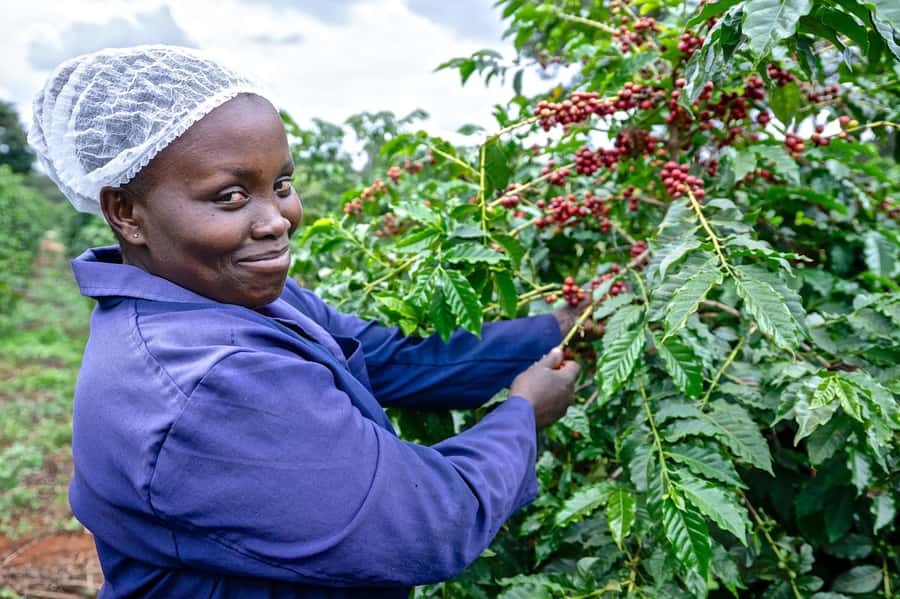
- Fairview estate setting near Limuru: nearly 100 acres under coffee, irrigated by the Riara River system
- A focused 2-hour guided coffee tour: you follow the process from growing through processing and tasting
- Tasting multiple Fairview brands: you’re not stuck with just one cup to sample
- English live guides: people like Elvis, James, and Ray are often praised for keeping it fun and clear
- Ground or beans coffee for purchase: a practical way to take the flavor home
- Outdoor time matters: you’ll walk around the plantation, so shoes and warm layers help
Why Fairview’s Limuru coffee estate is worth the trip
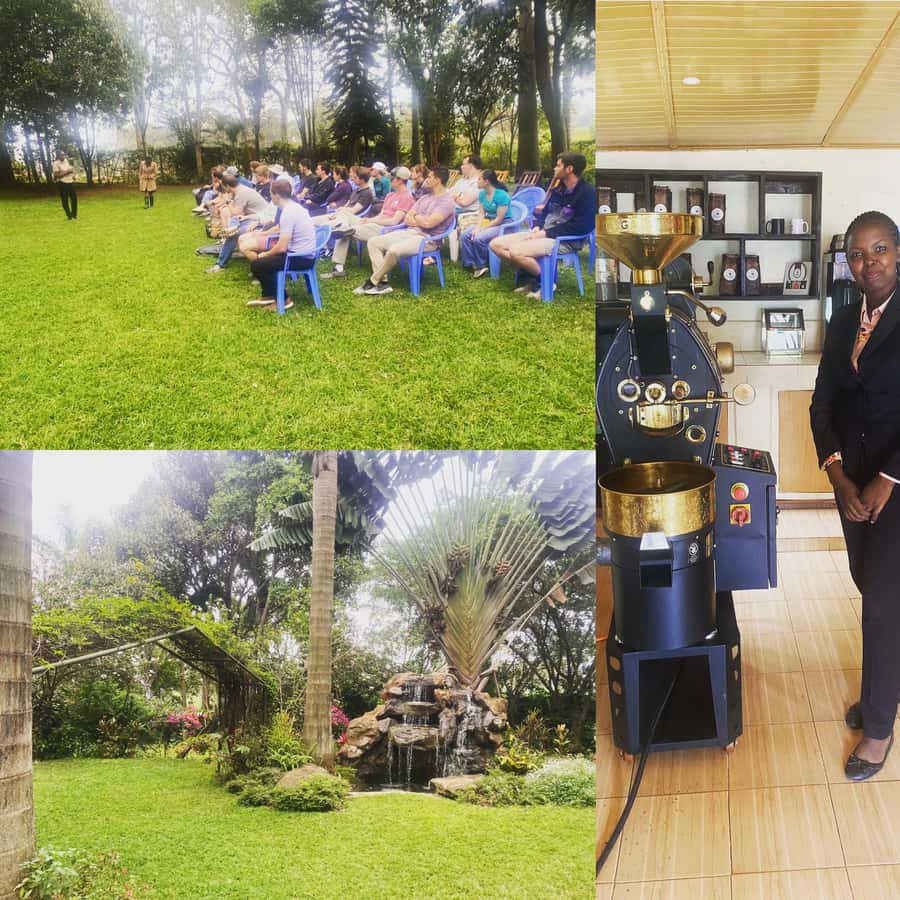
If you’ve ever wondered why coffee from one place tastes different from another, this is the kind of tour that makes the answer feel obvious. Fairview’s estate sits in Kiambu County in the Limuru area, and the farm is set up for producing high-quality coffee on a scale that you can actually see.
I like that this is not just a tasting stop. The point here is to understand what happens before roasting and brewing—how plants are cared for, how harvested coffee moves through processing, and how those choices eventually show up in your cup.
The farm’s water story is part of the value. The estate is irrigated by the Riara River, fed by streams from the Kenyan highlands. That means the tour isn’t floating in theory. You’re looking at real farm geography and real production logic.
You can also read our reviews of more tours and experiences in Nairobi.

Getting there from Nairobi: pickup, the 1-hour van ride, and what it means
The tour starts with hotel pickup in Nairobi, and you’ll be in a van for the transfer. The drive time is listed at about 1 hour, which keeps the trip from feeling like you burned half your day just getting out of town.
Pickup options cover a lot of central areas, including places like Kilimani, Syokimau, Lavington, Embakasi, Karen, Gigiri, Westlands, and Parklands. If you stay in one of these areas, it’s usually easy to line up without complicated meeting points.
A practical note: pickup timing depends on your specific pickup location and the tour slot. I’d treat your exact pickup time as something to confirm the day-of, especially if your schedule is tight.
The 2-hour farm walk: from flowering stages to the coffee work that matters
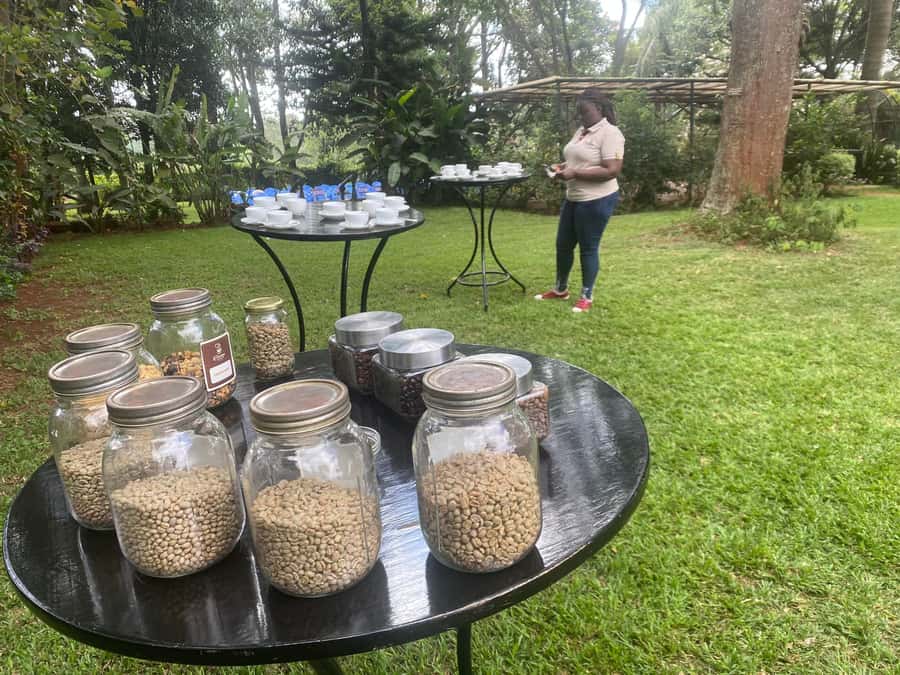
The tour is built around the idea that coffee isn’t just a product—it’s a process. The experience traces the coffee journey from the budding of the flowers through the production chain that leads to your cup.
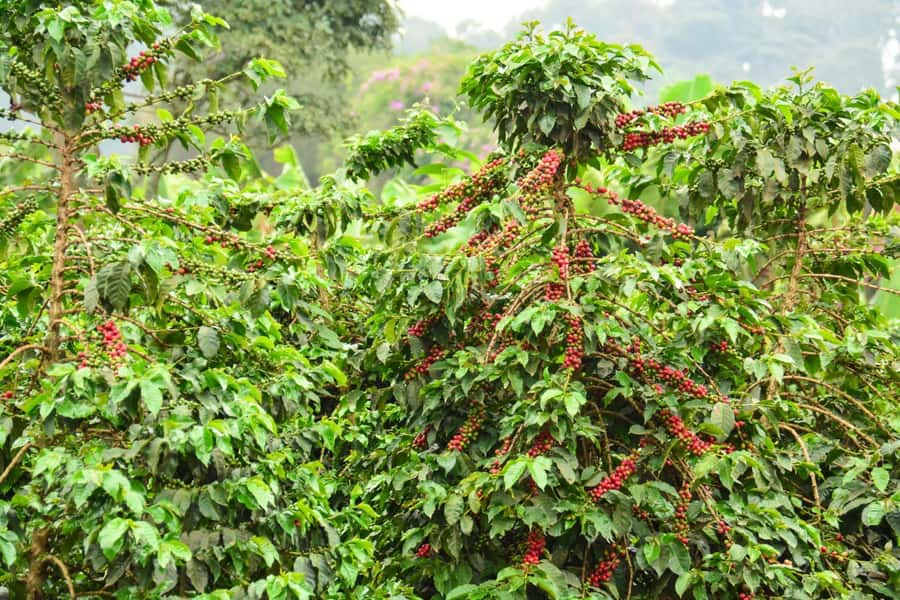
On the farm, you’ll get to see coffee plants up close and learn how growth stages link to harvesting and quality. This is also where the tour can feel most “real,” because you’re actually standing in the working environment.
If you want hands-on elements, you may get them depending on how the guide runs the walk. In the information you were given, there are indications of interactive moments such as picking coffee cherries and testing pick quality. Even when it’s not hands-on, the guides often turn the walk into a guided explanation of what you’re seeing and why it matters.
You’ll also get fresh air and a slower pace. Multiple guide write-ups mention the calm, quiet feeling on the farm compared with central Nairobi, which is exactly what you want from a half-day escape.
Coffee factory processing and the “from cherry to cup” lesson
After the farm walk, the tour shifts into processing and tasting. This part is where the tour earns its keep for coffee lovers, because you’re not only looking at plants—you’re learning what happens to the beans after harvest.
The experience description includes going through complete coffee processing, plus tasting. That helps you understand why coffee farms aren’t just growing cherries. They’re also making decisions about how the beans are handled and prepared before roasting.
One detail that keeps showing up in guide notes: the explanations tend to be step-by-step, with the guide using a clear storyline from picking through drying and eventually to roasting and brewing. If you get a guide like Elvis or James, you’re likely to hear it delivered with a lot of energy and real care for the work.
This is also where the tour’s value becomes practical. Once you understand processing basics, you’ll recognize common flavor descriptions in a new way. Instead of treating coffee tasting notes like marketing, you start connecting them to the production steps you just watched.
Tasting Fairview brands: how to make the most of the cups
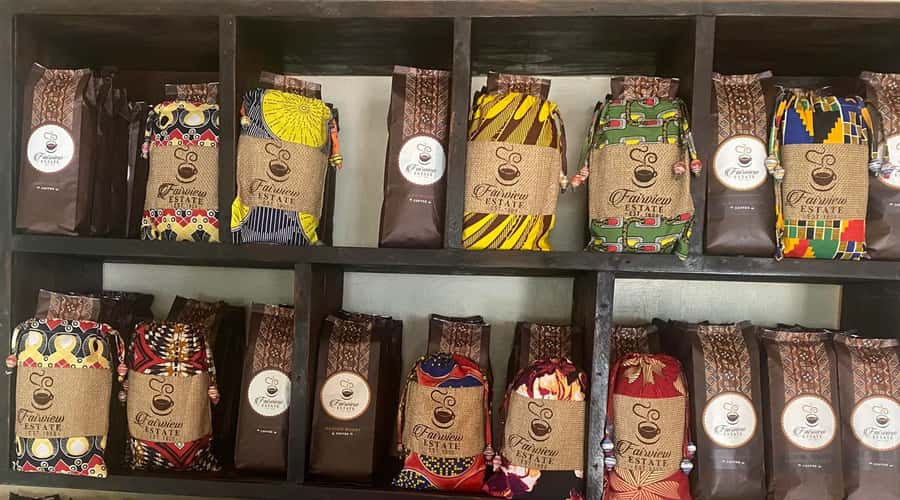
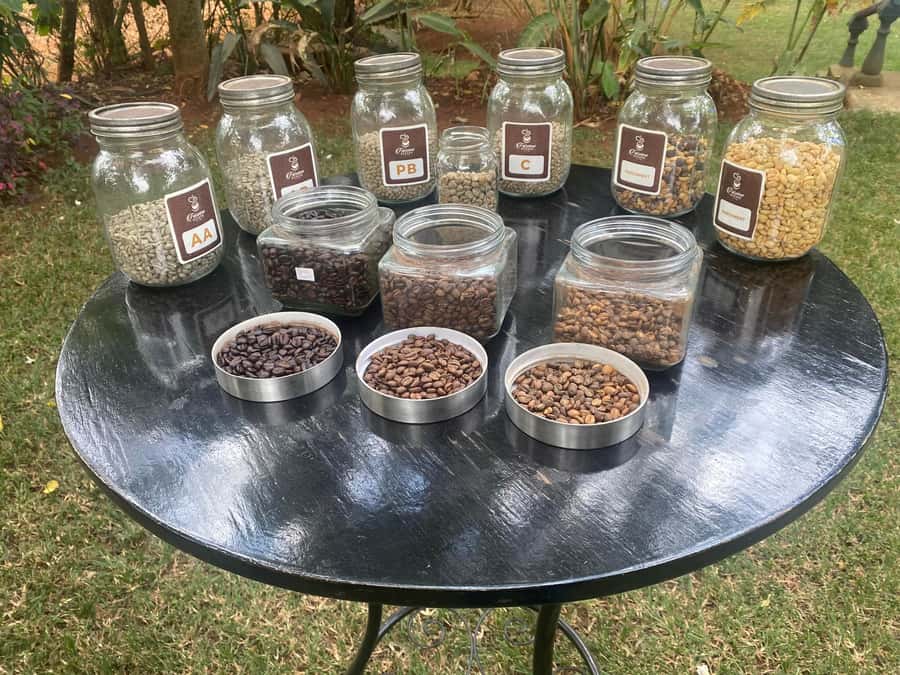
The tasting is one of the biggest highlights. The experience is designed so you’ll sample at least a couple of Fairview renowned brands, which gives you enough variety to notice differences rather than just checking one cup off your list.
I like tastings that teach you how to taste, not just what to taste. The tour setup includes learning about production grades and different roasts in a way that’s meant to be interactive. If you’re paying attention, you can leave with a better sense of what you personally like—light roast styles versus deeper profiles, or how brewing changes aroma and body.
Also, don’t treat the tasting as a random break. Use it like a mini lesson. Take a moment between sips to ask yourself what changed—smell first, then flavor, then the aftertaste. The guide’s job is to explain the science and the craft; your job is to practice noticing.
At the end, you’ll have the chance to buy coffee. The tour notes that ground/beans coffee is available to purchase, so you can bring home something you now understand.

Price and what your money really covers (plus the extra entry fee)
The tour is listed at $24 per person, and the structure is fairly clear: pickup and drop-off at a Nairobi City Hotel, a guided 2-hour coffee tour, mineral water in the vehicle, and the full processing and tasting experience. On top of that, you’re given the option to purchase coffee at the end.
That makes the base price feel reasonable because you’re paying for more than a walk. You’re paying for transportation from Nairobi, staff-led guidance, and the tasting itself.
Budget carefully for the one clearly listed extra: entry fees (30$) are not included. Also remember food and drinks are not included, so you may want to plan a snack or lunch before or after. If you’re the kind of person who hates being hungry on tours, this matters.
If you’re comparing costs, think of it like this: you’re buying an organized half-day lesson plus tasting, with transport and water handled. The extra entry fee and your own meals are the only “surprises” you should plan for.
Who should book this Nairobi coffee tour
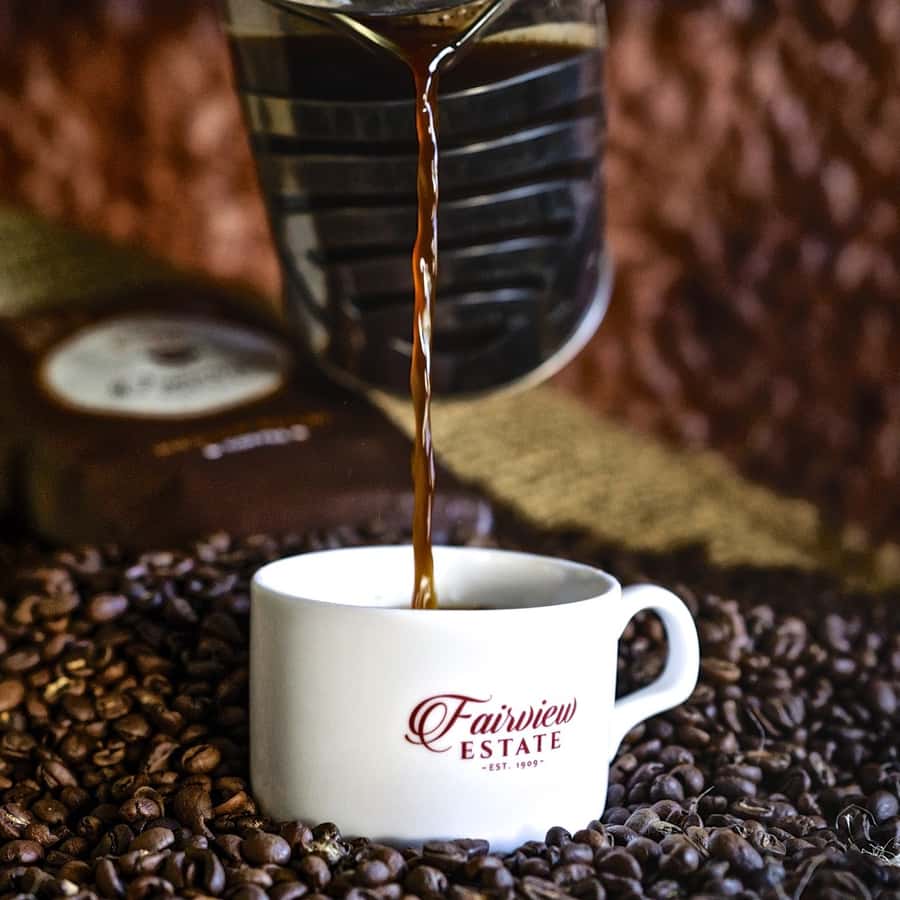
This is a strong choice if you:
- love coffee and want to connect taste to real farm and processing steps
- want an educational half-day outside Nairobi
- like relaxed, outdoor pacing rather than a sprint through city sites
- prefer an English guide and clear explanations (guides like Elvis, James, and Ray are mentioned in helpful roles)
It’s also a good match for visitors who want an authentic experience without needing to arrange anything complicated on their own. The hotel pickup and set tour timing keep it simple.
You might think twice if you strongly want meals included, because the tour explicitly doesn’t include food or snacks. And if you get uncomfortable walking on uneven ground, prioritize footwear, since the farm requires a bit of walking around the plantation.
Practical tips for the day: shoes, layers, and how to plan your timing
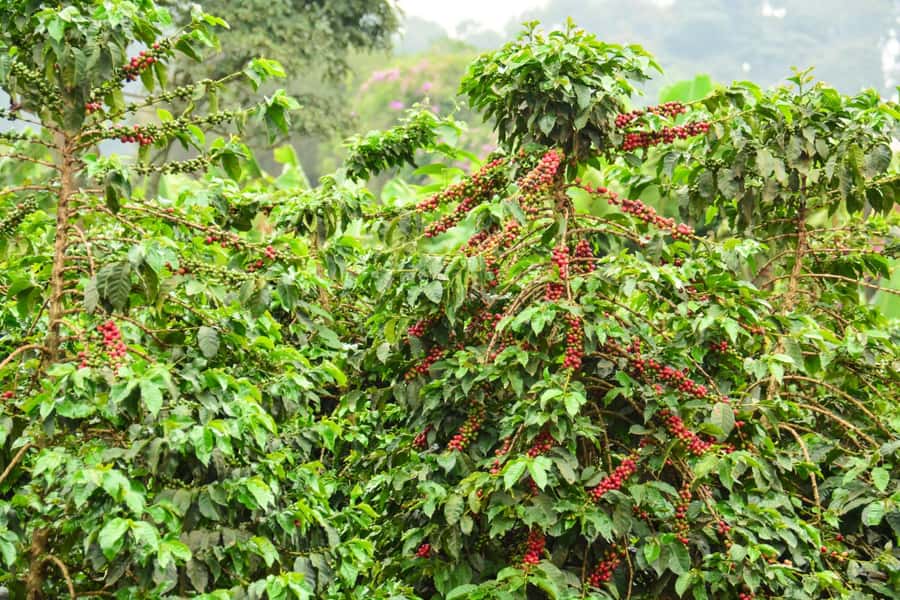
The tour’s “what to bring” list is honest, so listen to it. Bring warm clothing and hiking shoes, and plan for clothes that can get dirty. Even if the weather feels mild in Nairobi, you’ll be outside and moving around a working estate.
Wear layers you can adjust. Bring a small bag for water and anything you’ll need to stay comfortable during the farm walk. Mineral water is provided in the vehicle, but you’ll be happier if you’re already dressed to handle a couple of hours outdoors.
If you’re photo-focused, keep your expectations realistic. You’re on a working farm, so you’ll be moving through areas where staff have workflows. Follow your guide’s pace and instructions. The best shots usually come from slowing down and looking closely, not rushing.
Should you book this coffee factory and farm tour
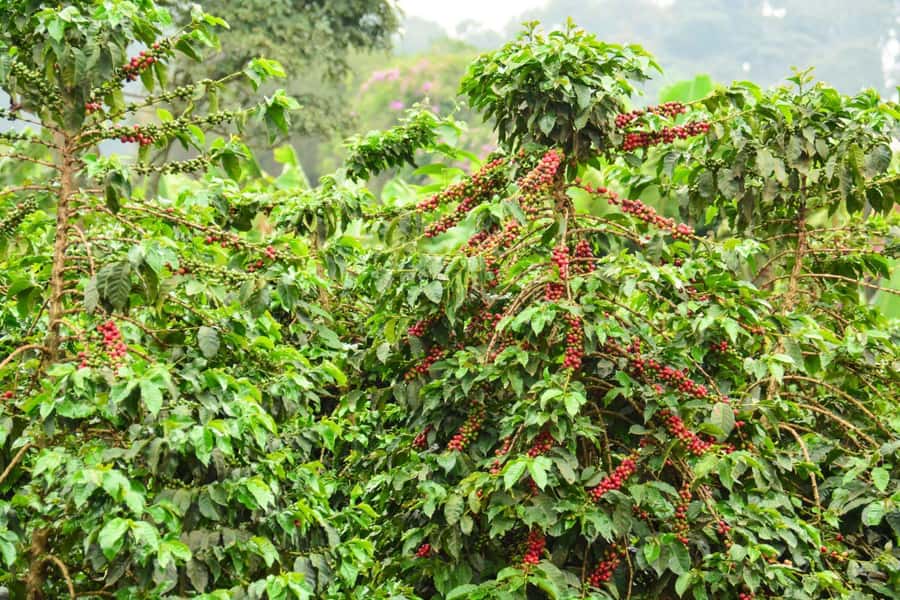
Yes, if you want a real coffee education with tasting built in, and you’d enjoy a calm break from Nairobi for a half-day. The combination of pickup-transfer convenience, a structured farm-and-processing tour, and the chance to taste multiple Fairview brands makes this feel like good value—especially for $24—once you factor in the listed extra entry fee.
I’d book it with one clear caveat: eat beforehand or plan snacks, because food isn’t included. If you do that, you’ll be free to focus on the lesson, the walk, and the cups.
FAQ
How long is the Nairobi coffee factory and farm tour?
The experience is listed as 4 hours total, with a comprehensive coffee tour lasting about 2 hours.
What’s included in the price?
The tour includes pickup and drop-off at a Nairobi city hotel, a comprehensive 2-hour coffee tour, mineral water in your vehicle, complete coffee processing and tasting, and coffee (ground or beans) available for purchase.
Are meals included?
No. Food, snacks, and drinks are not included.
Is there an entry fee?
Yes. Entry fees are listed at 30$ and are not included in the tour price.
Where do they pick you up in Nairobi?
Pickup is offered at Nairobi City Hotels with listed options in areas such as Kilimani, Syokimau, Lavington, Embakasi, Karen, Gigiri, Nairobi, Westlands, Parklands, and Karen again.
When do tours run?
Fairview offers daily tours with start times at ten in the morning and multiple options in the afternoon. Exact starting times depend on availability.
Is the tour guide in English?
Yes. The live tour guide is listed as English.
Can I pay later or cancel if plans change?
Yes. You can reserve now and pay later, and you can cancel up to 24 hours in advance for a full refund.
If you tell me your hotel area and whether you prefer the morning or afternoon slot, I can suggest the smoothest way to time it.



![Day out to Galle[Stilt Fishing. Turtle watching.Cinnamon Farm] - Kosgoda Sea Turtle Conservation Project: five types and a short, focused viewing window](https://4.farmtouring.com/wp-content/uploads/day-out-to-galle-stilt-fishing-turtle-watching-cinnamon-farm-400x267.jpg)